The Poet of Hip-Hop: 15 Fascinating Facts About Tupac Shakur
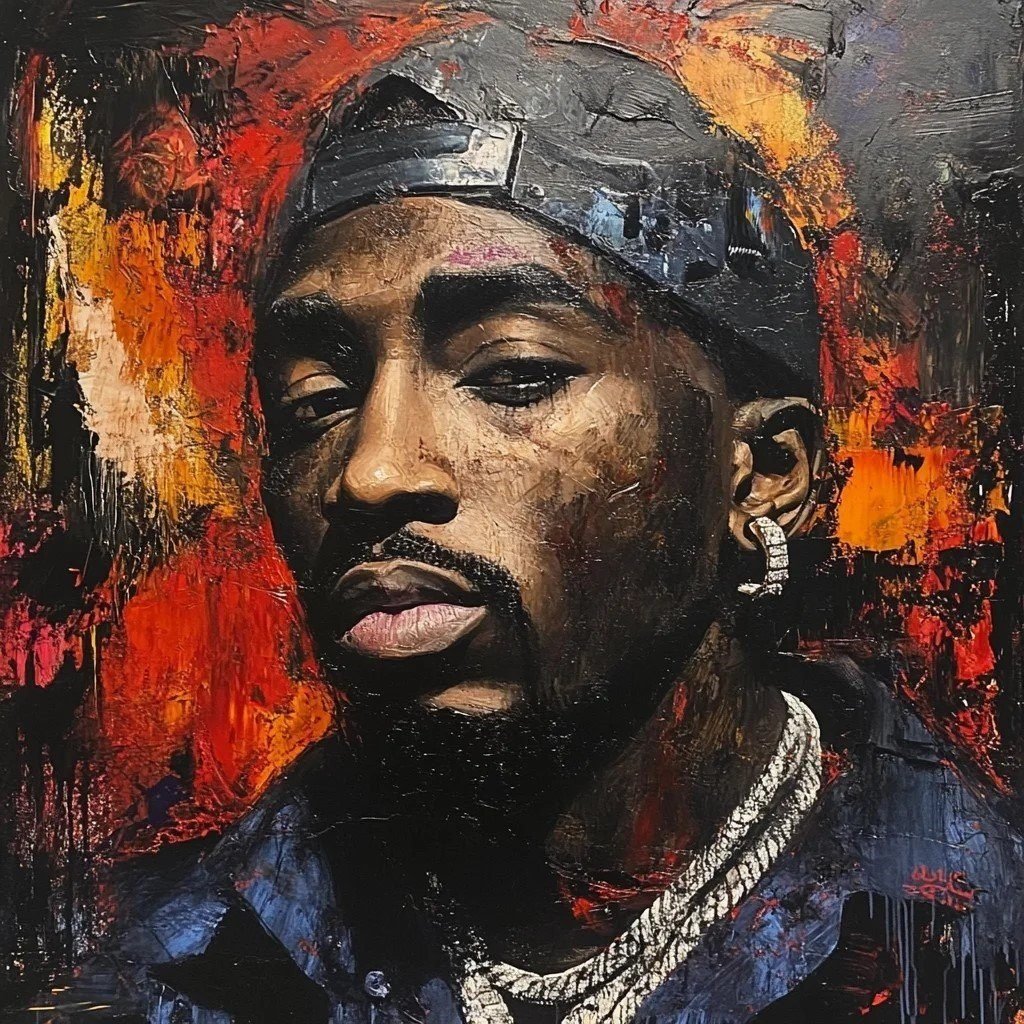
Tupac Shakur remains one of the most charismatic, complex, and influential figures in music history. Before becoming a global rap icon and selling tens of millions of records, he studied ballet and Shakespeare, wrote deep poetry, and grew up immersed in political activism. From record-setting album releases to secret charitable acts, his short life was defined by brilliant creative contradictions. Explore 15 compelling facts that shed new light on the life, artistry, and enduring legacy of 2Pac.
1. Named After an Indigenous Peruvian Revolutionary
Born Lesane Parish Crooks in East Harlem, the legendary artist was officially renamed Tupac Amaru Shakur by his mother when he was one year old. He was named after Túpac Amaru II, an 18th-century indigenous revolutionary who led a massive uprising against Spanish colonial rule in Peru. His mother, Afeni Shakur, wanted her son to carry the name of a revolutionary who refused to back down against oppression. The name "Tupac Amaru" translates to "shining serpent" in Quechua, while "Shakur" means "thankful to God" in Arabic. This powerful naming reflected the deeply political atmosphere in which Tupac was raised from infancy.
2. Classically Trained at the Baltimore School for the Arts
Long before he became an icon of gangsta rap, Tupac was a classically trained student of the performing arts. As a teenager attending the Baltimore School for the Arts, he studied acting, poetry, jazz, and even classical ballet. He routinely performed in theatrical productions, taking on roles such as the Mouse King in The Nutcracker and acting in various plays by William Shakespeare. Tupac frequently cited Shakespeare as a major inspiration for his songwriting, drawing direct parallels between Elizabethan tragedies and modern inner-city struggles. His diverse artistic training laid the foundational charisma and dramatic delivery that later defined his rap career.
3. Deep Political Roots and Black Panther Heritage
Tupac was born directly into the heart of the American civil rights movement, with both of his parents actively involved in the Black Panther Party. His mother, Afeni Shakur, was a prominent activist who famously defended herself in court while pregnant with Tupac during the Panther 21 trial. She and her co-defendants were acquitted of over 150 charges, leading to Tupac's birth shortly after her release. His godfather, Elmer "Geronimo" Pratt, and stepfather, Mutulu Shakur, were also high-profile political figures and activists. This intense political upbringing heavily influenced Tupac's socially conscious lyrics and his lifelong drive to address racial inequality through his music.
4. Started His Career as a Roadie and Backup Dancer
Despite his immense natural talent, Tupac did not achieve instant stardom as a solo rapper right away. He got his start in the music industry in 1990 after moving to Oakland and joining the alternative hip-hop group Digital Underground. Initially hired as a roadie and backup dancer, he worked his way up through the crew by showcasing his infectious energy on stage. He made his official recording debut on Digital Underground's 1991 single "Same Song," contributing a memorable guest verse that immediately captured listeners' attention. His work with the group provided him with the touring experience and industry connections necessary to launch his solo career.
5. A Passionate Poet Published Posthumously
Beyond his legendary discography, Tupac was an exceptionally talented poet who wrote dozens of reflective, vulnerable poems during his youth. Much of his written poetry remained private during his lifetime, tucked away in personal journals and notebooks. In 2000, four years after his death, a collection of these writings was published in a book titled The Rose That Grew from Concrete. The collection revealed a deeply introspective artist exploring themes of love, grief, societal pressure, and spiritual endurance. Many of these early poetic verses served as the foundational draft concepts for some of his most famous songs, such as "Keep Ya Head Up."
6. Hollywood Acclaim and a Missed Sci-Fi Role
Tupac established himself as a remarkably powerful film actor, starring in a string of critical and commercial successes during the 1990s. His breakout acting performance came in the 1992 drama Juice, where his terrifyingly believable portrayal of Bishop earned widespread praise from critics. He went on to star opposite Janet Jackson in John Singleton's 1993 drama Poetic Justice and headlined the popular basketball film Above the Rim. Director Rick McCallum later revealed that Tupac had even met with George Lucas to audition for the role of Jedi Master Mace Windu in Star Wars: Episode I – The Phantom Menace shortly before his death.
 Hip-hop and Rap Legends
Explore the fascinating, hidden stories behind hip-hop's biggest icons. From billion-dollar boardrooms and Pulitzer Prizes to bizarre alter-egos and secret acting pasts, dive into the unexpected journeys of the rap legends who changed music forever.
See All Facts
Hip-hop and Rap Legends
Explore the fascinating, hidden stories behind hip-hop's biggest icons. From billion-dollar boardrooms and Pulitzer Prizes to bizarre alter-egos and secret acting pasts, dive into the unexpected journeys of the rap legends who changed music forever.
See All Facts
7. Survived Five Gunshots in a 1994 New York Ambush
In November 1994, Tupac survived a near-fatal shooting during a robbery in the lobby of Quad Recording Studios in Manhattan. He was shot five times, including twice in the head, but remarkably managed to survive the harrowing ordeal. Demonstrating astonishing resilience and intense paranoia about his immediate safety, Tupac checked himself out of Bellevue Hospital against medical advice less than three hours after undergoing surgery. The very next day, he attended court in a wheelchair to hear the verdict in his ongoing trial. This traumatic event fundamentally altered his worldview and fueled the fierce, battle-ready tone of his subsequent music releases.
8. First Artist with a Number One Album While Incarcerated
In March 1995, while serving a prison sentence at the Clinton Correctional Facility in New York, Tupac released his seminal third album, Me Against the World. The album debuted at number one on the Billboard 200 chart, making Tupac the very first musical artist in history to achieve a top-charting album while serving a prison sentence. The record held the top spot for four consecutive weeks and went multi-platinum, driven by hits like "Dear Mama." Critics widely consider the album to be his artistic masterpiece, filled with raw introspection and commentary on his imminent mortality.
9. "Thug Life" Was Actually a Political Acronym and Code
While critics often misinterpreted Tupac's iconic torso tattoo "THUG LIFE" as a glorification of criminal behavior, he intended it as a sociopolitical acronym. It stood for "The Hate U Give Little Infants F***s Everybody," reflecting his belief that societal neglect of marginalized youth ultimately destroys society as a whole. Furthermore, in 1992, Tupac helped draft the "Code of THUG LIFE" alongside his stepfather, Mutulu Shakur, at a gang summit in California. This set of 26 guidelines aimed to reduce civilian casualties, curb gang violence, and establish rules of conduct within inner-city communities.
10. Record-Breaking Recording Speed and Massive Vault
Tupac possessed an astonishing studio work ethic, often completing entire songs—including verses and choruses—in less than an hour. He frequently recorded tracks in a single unedited vocal take, driven by an urgent feeling that his time on Earth was limited. During his nine months at Death Row Records following his release from prison, he recorded upwards of one hundred songs. His relentless output left behind a vast archival vault containing over one thousand unreleased recordings and vocal takes after his death. This massive body of work allowed his estate to release seven posthumous studio albums over the following decade.
11. Created Hip-Hop's First Solo Double Studio Album
Released in February 1996, Tupac's Death Row Records debut, All Eyez on Me, made hip-hop history as the genre's first solo double studio album. Recorded in a frenetic burst of creative energy across just two weeks, the sprawling 27-track masterpiece showcased both his aggressive west coast anthems and his soulful storytelling. Hits like "California Love" and "How Do U Want It" propelled the album to global commercial success. Within months, it reached multi-platinum status and was eventually certified Diamond by the Recording Industry Association of America for selling over ten million copies.
12. Inspired by Machiavelli and Sun Tzu in Prison
During his eleven-month sentence in prison, Tupac dedicated vast amounts of time to reading political philosophy, military strategy, and classic literature. He became fascinated by the writings of Renaissance strategist Niccolò Machiavelli, particularly his famous political treatise The Prince, as well as Sun Tzu's The Art of War. Inspired by Machiavelli's tactical survival theories, Tupac adopted the moniker "Makaveli" for his final completed album, The Don Killuminati: The 7 Day Theory. Recorded in just seven days shortly before his death, the album reflected a darker, hyper-focused political and personal mindset.
13. Quiet Philanthropy and Youth Advocacy Work
Far away from the public feuds and aggressive rap persona, Tupac quietly dedicated significant time and financial resources to helping underprivileged communities. He regularly donated money to local youth sports teams, women's shelters, and community centers without seeking publicity or media attention. Tupac personally created a toll-free telephone hotline to assist troubled youth dealing with gang pressures and family issues. He also established a non-profit foundation titled "A Place Where We Can Learn," which aimed to provide creative arts programs and educational resources for inner-city children.
14. A Lifelong Creative Bond with Jada Pinkett Smith
One of the most significant personal relationships in Tupac's life was his enduring bond with actress Jada Pinkett Smith. The two met as teenagers on their very first day attending the Baltimore School for the Arts, immediately bonding over their shared passion for theater and poetry. Though their relationship remained strictly platonic throughout their lives, they described each other as soulmates and artistic anchors during their formative years. Pinkett Smith remained one of his closest confidantes until his tragic death in 1996, frequently speaking out to protect his artistic legacy and honor his memory.
15. The Historic 2012 Hologram and Immortal Legacy
Even decades after his passing, Tupac continues to break new ground in popular culture and music technology. In April 2012, sixteen years after his death, a groundbreaking virtual projection (often called a hologram) of Tupac appeared on stage at the Coachella Valley Music and Arts Festival. Performing alongside his former collaborators Dr. Dre and Snoop Dogg, the life-sized illusion captivated hundreds of thousands of fans and garnered global headlines. In 2017, Tupac was inducted into the Rock and Roll Hall of Fame in his first year of eligibility, cementing his status as one of the most influential cultural figures of the twentieth century.
Sources & References
This AI-assisted post was rigorously curated and fact-checked for accuracy by:
 Martin Roháček
How fun was this article? 🤔
Tap a star to rate it
🧠 Quiz: How closely were you paying attention?
10 questions — all answers are in the article above!
Enjoyed these facts? There's more! 💌
Fresh fun facts in your inbox. No spam, ever.