The Timeless Icon: 15 Fascinating Facts About Audrey Hepburn
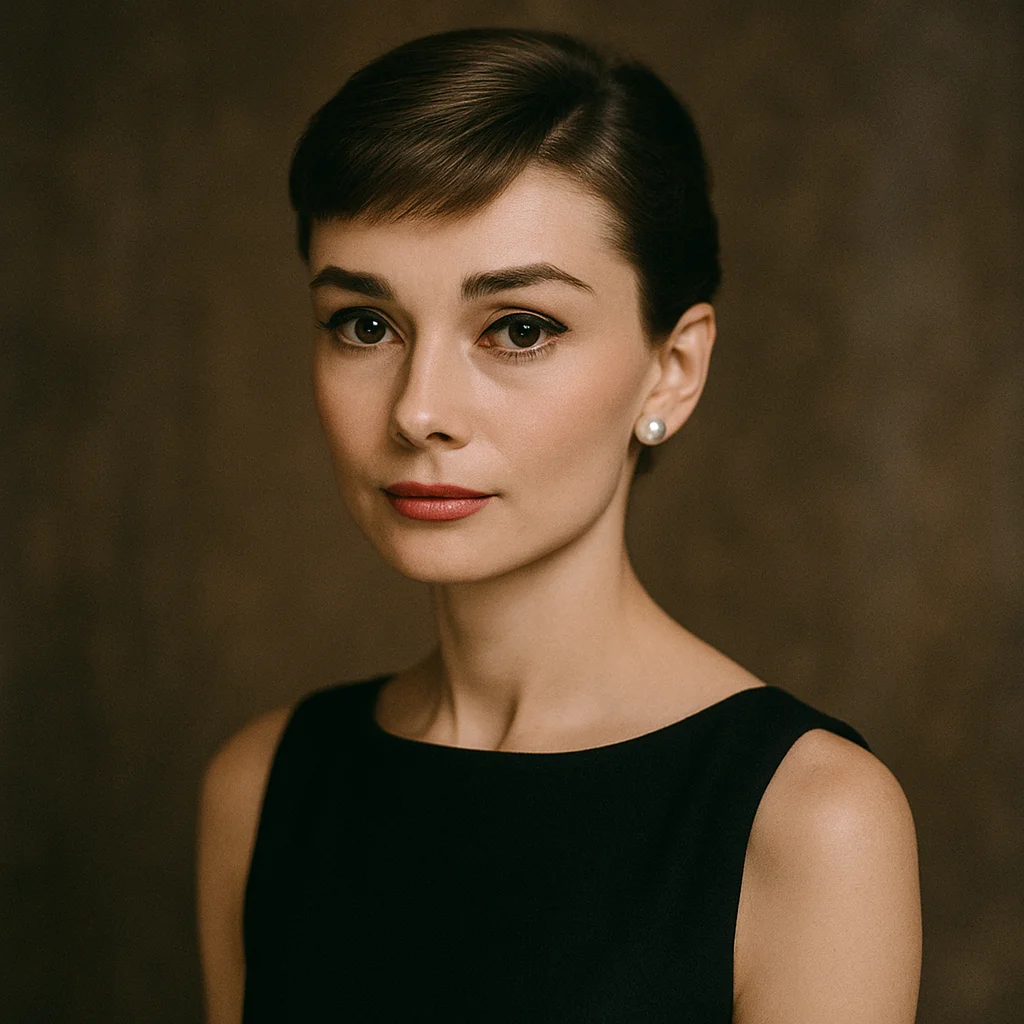
Audrey Hepburn remains one of cinema's most revered figures, celebrated for her breathtaking style, effortless acting talent, and deep human compassion. Beyond her legendary Hollywood roles and status as a fashion muse, her true life story involves surviving wartime famine, secret resistance missions, and an unshakeable dedication to world relief efforts. Discover the fascinating history, lesser-known personal quirks, and remarkable achievements of this beloved screen legend.
1. She Was Fluent in Five Languages
Audrey Hepburn’s cosmopolitan upbringing allowed her to master five languages fluently. Born in Belgium to a Dutch baroness and a British father, she grew up speaking both English and Dutch. As she moved around Europe for her education and career, she quickly picked up French, Italian, and Spanish. Her linguistic skills proved invaluable later in life when she conducted interviews across continental Europe without needing a translator. During her tenure as an international ambassador, this multilingual ability allowed her to connect directly with world leaders and local communities alike.
2. She Secretly Supported the Dutch Resistance as a Teenager
During the Nazi occupation of the Netherlands in World War II, a young Audrey living under the pseudonym Edda van Heemstra secretly aided the resistance effort. She gave dance performances at covert recitals known as "black concerts" to raise money for the underground movement. Because young children were less likely to be searched by German soldiers, she carried resistance messages and illegal leaflets inside her ballet shoes. Hepburn also helped shelter a shot-down British paratrooper in her family's home during the aftermath of the Battle of Arnhem. Her courage under occupation instilled in her a lifelong empathy for victims of war.
3. She Survived the Dutch Famine by Eating Tulip Bulbs
The severity of World War II devastated Hepburn’s family finances and severely compromised her health during the winter of 1944, known as the "Hunger Winter." Food was so scarce that she and her mother resorted to eating tulip bulbs and grinding dried grass into flour to make bread. The extreme malnutrition caused her to suffer from acute anemia, jaundice, respiratory ailments, and severe edema. This dark period permanently altered her metabolism and slender frame, giving her the delicate physique that later defined her fashion image. Throughout her adult life, she frequently credited surviving this trauma as the source of her deep gratitude for food and security.
4. Her Dream of Becoming a Prima Ballerina Was Cut Short
Before achieving international cinema stardom, Hepburn’s single ambition was to become a professional prima ballerina. She studied ballet rigorously in Amsterdam and later in London under the renowned instructor Madame Marie Rambert. However, Rambert gently informed her that her tall stature, paired with the lingering physical damage from wartime starvation, meant she lacked the strength required to become a principal dancer. Devastated but determined, Hepburn pivoted toward musical theater and acting to support herself and her mother. Though her ballet career ended early, her dance training imparted the graceful posture and movement that became her trademark.
5. Author Colette Personally Handpicked Her for Broadway
Hepburn’s big break occurred while she was filming a small part in the movie Monte Carlo Baby in the South of France. The legendary French novelist Colette happened to be staying at the same hotel and spotted the obscure actress walking across the lobby. Colette instantly declared that Hepburn was the exact physical and spiritual embodiment of her fictional character Gigi. Despite Hepburn’s initial reluctance and lack of stage experience, Colette insisted she star in the 1951 Broadway adaptation of Gigi. The production was a smash hit, propelling Hepburn into the spotlight and catching the eye of major Hollywood directors.
6. She Won an Academy Award for Her Very First Lead Role
When director William Wyler cast Hepburn alongside Gregory Peck in 1953’s Roman Holiday, she was virtually unknown to American cinema audiences. Her audition tape was legendary because Wyler kept the camera rolling after the scene ended, capturing her natural, candid charm while chatting with the crew. Her endearing performance as Princess Ann enchanted critics and viewers worldwide, leading to a historic box-office success. At just 24 years old, she won the Academy Award for Best Actress for her very first major Hollywood role. Peck had even insisted that her name receive equal billing above the title alongside his own, predicting she would win the Oscar.
7. She Belongs to the Elite Group of EGOT Winners
Audrey Hepburn is one of the few individuals in history to achieve the prestigious "EGOT" status by winning an Emmy, Grammy, Oscar, and Tony award. She won her Tony Award in 1954 for her performance on Broadway in Ondine, just weeks after receiving her Oscar for Roman Holiday. Decades later, she was posthumously awarded a Grammy in 1994 for Best Spoken Word Album for Children for her recording Audrey Hepburn's Enchanted Tales. She completed the sweep that same year by earning a posthumous Primetime Emmy Award for her documentary series Gardens of the World. Her rare achievement underscores her extraordinary versatility across every major medium of entertainment.
8. Her Fashion Collaboration with Hubert de Givenchy Defined an Era
Hepburn’s signature elegance was crafted through a legendary artistic partnership with French couturier Hubert de Givenchy. They met in 1953 while preparing wardrobe for the film Sabrina, where Givenchy initially expected to dress the more established Katharine Hepburn. Instead, he was immediately charmed by Audrey's unique style, and the two formed a lifelong personal friendship and professional alliance. Givenchy created her iconic attire for classics like Funny Face and the famous black dress in Breakfast at Tiffany's. Hepburn was so devoted to his work that she famously stipulated in her film contracts that Givenchy design her clothes.
9. Truman Capote Wanted Marilyn Monroe for 'Breakfast at Tiffany's'
Although Holly Golightly in Breakfast at Tiffany's became Hepburn's most iconic role, author Truman Capote was vehemently opposed to her casting. Capote had written the novella with Marilyn Monroe in mind and felt Hepburn was miscast for the eccentric character. Hepburn herself had major reservations about taking the role, believing her introverted personality made her ill-suited to play such an outspoken socialite. However, director Blake Edwards convinced her to take the challenge, leading to one of the most memorable screen performances in film history. Hepburn’s refined interpretation transformed the character into an enduring symbol of cinematic glamour.
10. She Suffered a Severe Spinal Injury on the Set of 'The Unforgiven'
While filming the 1960 Western The Unforgiven in Mexico, Hepburn suffered a frightening accident while rehearsing a scene on horseback. The horse threw her to the ground, resulting in four fractured vertebrae, broken ribs, and a severe concussion. She was hospitalized for weeks and required months of painful bed rest and physical rehabilitation before returning to finish the film. Despite the physical trauma and suffering a miscarriage shortly afterward, she maintained her remarkable composure and professional resolve throughout the ordeal. Her calm resilience during the high-stress recovery earned immense respect from her castmates and director John Huston.
11. Her Singing in 'My Fair Lady' Was Secretly Dubbed
Hepburn spent months taking intense vocal lessons to prepare for her role as Eliza Doolittle in the 1964 screen adaptation of My Fair Lady. She recorded full vocal tracks for all the musical numbers, fully expecting her own voice to be used in the final cut of the film. However, studio executives secretly hired professional playback singer Marni Nixon to dub the vast majority of her songs. When Hepburn discovered that most of her vocal work had been replaced, she walked off the set in frustration, though she returned the next day to apologize for her reaction. While disappointed, she handled the controversy with trademark grace during the film’s promotional tour.
12. She Dedicated Her Final Years to Humanitarian Work with UNICEF
In 1988, Hepburn stepped away from major Hollywood filmmaking to become a Goodwill Ambassador for UNICEF, the United Nations Children's Fund. Drawing on her own childhood memories of receiving international aid after World War II, she worked tirelessly without pay. She undertook grueling field missions to impoverished and war-torn countries including Ethiopia, Sudan, Somalia, and Vietnam. Hepburn used her global fame to command media attention, advocate before the United States Congress, and secure emergency relief funding for millions of children. She maintained that her humanitarian work was the most meaningful and rewarding calling of her lifetime.
13. She Hosted a Documented TV Series on the World's Best Gardens
Away from the spotlights of Hollywood, Hepburn found solace in nature and possessed a deep passion for horticulture. She spent endless hours tending to the gardens at La Paisible, her beloved country home in Tolochenaz, Switzerland. In the early 1990s, she translated this personal passion into her final professional project, hosting the television series Gardens of the World with Audrey Hepburn. The public television show explored historic gardens across Europe, Asia, and North America, highlighting her knowledge of floral design and botany. The series aired shortly after her death in 1993, earning her a posthumous Emmy Award for Outstanding Individual Achievement.
14. Her Genuine Favorite Color Was Cyan Blue
While fashion lovers forever connect Hepburn with the classic "Little Black Dress," her personal color preferences were far more vibrant and delicate. Her favorite color was actually cyan blue, a soft shade of light blue-green that she frequently chose for her personal wardrobe away from film sets. Studio stylists and fashion photographers often pushed her toward stark blacks and neutrals to emphasize her dramatic features. However, in her private life, she filled her home and personal collection with hues of soft cyan, pastel pink, and robin’s egg blue. Friends noted that these gentle tones reflected her calm, serene, and nurturing personality.
15. She Maintained Simple Daily Rituals and a Passion for Chocolate
Despite her status as a global style icon, Hepburn preferred a quiet, unpretentious lifestyle centered around family and simple pleasures. She notoriously preferred comfortable, low-heeled shoes and minimal makeup over heavy glamorous attire during her off-screen hours. One of her steadfast daily habits was eating a piece of high-quality dark chocolate every afternoon, believing small indulgences kept her spirits high. She was also an avid walker who enjoyed taking long daily hikes in the countryside with her beloved dogs. Hepburn routinely turned down lucrative film offers throughout the 1970s and 1980s, prioritizing a peaceful home life over Hollywood stardom.
Sources & References
This AI-assisted post was rigorously curated and fact-checked for accuracy by:
 Martin Roháček
How fun was this article? 🤔
Tap a star to rate it
🧠 Quiz: How closely were you paying attention?
10 questions — all answers are in the article above!
Enjoyed these facts? There's more! 💌
Fresh fun facts in your inbox. No spam, ever.