The Misunderstood Stand: 15 Fascinating Facts About Battle of the Little Bighorn
Often reduced in popular culture to a simplistic tale of George Armstrong Custer's heroic final moments against a savage enemy, the Battle of the Little Bighorn is actually a deeply complex military e…
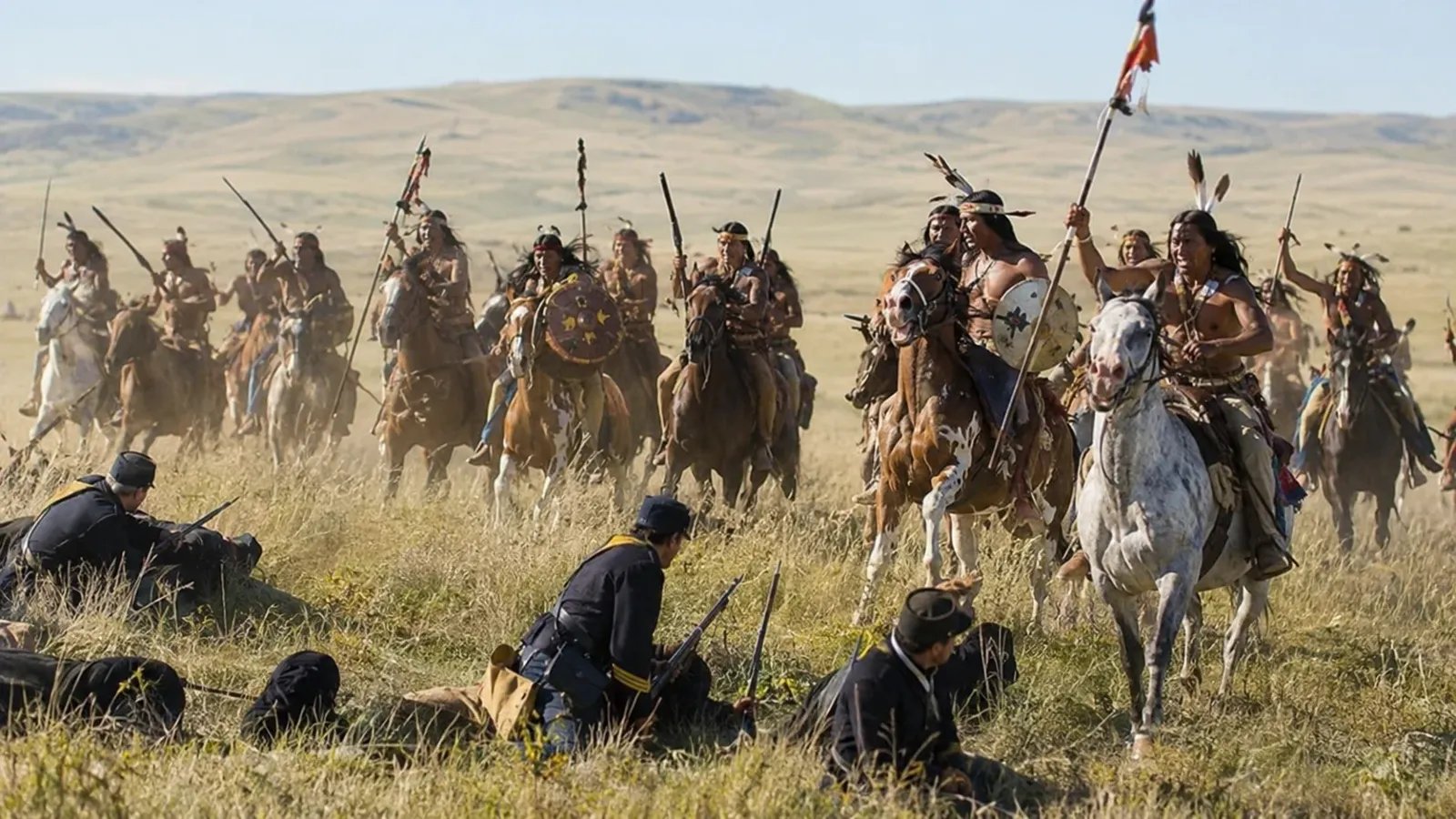
Often reduced in popular culture to a simplistic tale of George Armstrong Custer's heroic final moments against a savage enemy, the Battle of the Little Bighorn is actually a deeply complex military engagement defined by strategic blunders, shifting tribal alliances, and devastating miscalculations. Rather than a glorious, cinematic last stand where an overwhelmed cavalry fought to the last bullet in a neat circle, archaeological and historical evidence reveals a chaotic, rapidly deteriorating retreat characterized by panic, dust-choked confusion, and a complete breakdown of command. This legendary 1876 clash along the Greasy Grass River was not merely a random massacre, but the desperate culmination of the Great Sioux War, fueled by broken treaties and the relentless encroachment of gold-seeking settlers into the sacred Black Hills. By peeling back the layers of Victorian-era propaganda and examining native oral histories alongside modern forensics, we can uncover a far more fascinating narrative about this infamous encounter, exploring everything from the surprising survival of a singular cavalry horse to the pivotal roles played by female Native warriors.
1. An Unprecedented Gathering of Tribes
Custer grossly underestimated the sheer scale of the Native American village waiting for him along the Little Bighorn River, assuming he was attacking a standard, fragmented encampment. In reality, a massive confluence of Lakota Sioux, Northern Cheyenne, and Arapaho had gathered together in a rare alliance, forming a sprawling village of roughly 8,000 people, including up to 2,000 seasoned warriors. This unprecedented congregation was largely motivated by the spiritual leadership of Sitting Bull, whose annual Sun Dance vision of soldiers falling upside down into camp had united the disparate bands. Consequently, the 7th Cavalry was not just outnumbered, but facing one of the largest concentrations of indigenous military power ever assembled on the North American continent.
2. The Ignored Warnings of Native Scouts
A prevailing myth suggests Custer was ambushed by a hidden force, but his own Crow and Arikara scouts had clearly identified the immense size of the village before the engagement began. The scouts urgently warned Custer that the enemy numbers were too great to conquer, with some reportedly changing out of their cavalry uniforms into traditional clothing so they could die as warriors rather than soldiers. Dismissing their accurate reconnaissance as cowardice, Custer remained blinded by his arrogance and a fear that the village would scatter and escape if he waited for reinforcements. This fatal refusal to trust the indigenous intelligence gathering network directly catalyzed the piecemeal destruction of his divided regiment.
3. A Chaotic Fog of Dust and Smoke
Popular paintings often depict the Last Stand under clear blue skies, allowing for sweeping views of a coordinated defense, but the environmental reality was blindingly chaotic. The arid, drought-stricken landscape was quickly pulverized by the hooves of thousands of horses, creating massive, suffocating clouds of dust that completely obscured the battlefield. Native oral accounts frequently mention that the combatants could barely see a few feet in front of them, leading to extreme disorientation, friendly fire, and paralyzing panic among the cavalrymen. This intense lack of visibility shattered any attempt at a structured defensive line, turning the engagement into a fragmented series of terrifying, close-quarters skirmishes.
4. The Cavalry Was Outgunned by Indigenous Warriors
It is a common misconception that the United States military possessed vastly superior firepower compared to native forces fighting with primitive bows and arrows. In truth, many of the Lakota and Cheyenne warriors were armed with modern repeating rifles, such as the Henry and Winchester models, acquired through trade and previous skirmishes. Conversely, Custer's troops were issued single-shot Springfield Model 1873 carbines, which were prone to jamming after rapid firing due to the copper casings expanding in the heat of battle. This meant that in the frantic, close-range combat of the Little Bighorn, the indigenous defenders could unleash a devastating volume of fire that the heavily burdened cavalrymen simply could not match.
5. The Fatal Division of the Seventh Cavalry
Rather than keeping his forces concentrated, Custer inexplicably divided his regiment into three separate battalions, a classic military tactic that proved disastrous against a numerically superior foe. He sent Major Marcus Reno to attack the southern end of the village, ordered Captain Frederick Benteen to scout to the southwest, and took his own five companies to flank the encampment from the north. This arrogant maneuver ensured that no single detachment had the strength to survive a concentrated counterattack, allowing the native warriors to isolate and overwhelm Reno's men before pivoting their full, devastating attention toward Custer. By the time Benteen and Reno reunited on a distant bluff, Custer's isolated command was already being systematically annihilated miles away.
6. The Myth of the Sole Survivor
For decades, romanticized histories claimed that a badly wounded cavalry horse named Comanche was the absolute sole survivor of Custer's detachment at the Little Bighorn. While it is true that Comanche was the only living cavalry mount recovered and officially recognized by the military, this ignores the survival of dozens of Native American scouts who fought alongside the 7th Cavalry and safely retreated. Furthermore, countless Native American warriors and their families obviously survived the battle, making the "sole survivor" moniker a glaring example of a Eurocentric historical bias. Comanche was eventually nursed back to health and lived out his days as an honorary mascot, never to be ridden again, symbolizing a tragedy while obscuring the broader human survival story.
7. The Crucial Role of Female Warriors
History frequently paints the Battle of the Little Bighorn as an exclusively male clash, ignoring the documented and vital participation of indigenous women in the fight. Northern Cheyenne women like Buffalo Calf Road Woman famously rode into the thick of the battle, rescuing her brother Chief Comes in Sight and inspiring the warriors to fight with renewed ferocity. Other women defended the village perimeter, secured the vital horse herds, and actively engaged cavalrymen who managed to penetrate the camp's defenses. Recognizing these fierce female combatants dismantles the patriarchal lens through which the battle is usually viewed, revealing a desperate, total-community defense against an existential military threat.
8. Sitting Bull Was Not a Frontline Combatant
Because he was the most famous native leader associated with the battle, many assume Sitting Bull physically led the charge that wiped out Custer's men. In reality, Sitting Bull was a revered spiritual leader and a man in his mid-forties who stayed behind in the village to protect the women, children, and elders during the sudden attack. The tactical battlefield leadership fell to younger, brilliant war chiefs like Crazy Horse, Gall, and Lame White Man, who orchestrated the fluid, devastating counter-offensives. Sitting Bull's true contribution was the spiritual unification and strategic vision that brought the massive alliance together in the first place, proving that his leadership was far more profound than mere tactical combat.
9. The Abandonment of Devastating Artillery
In one of the most debated logistical decisions in military history, Custer actively chose to leave behind a battery of Gatling guns offered to him by General Alfred Terry. Custer justified this by claiming the heavy, carriage-mounted weapons would slow down his regiment's rapid march through the rugged Montana terrain and compromise his element of surprise. Given that the Gatling guns could fire hundreds of rounds per minute, military historians frequently argue that their presence could have provided a crucial defensive anchor for the overwhelmed cavalry. Instead, Custer prioritized speed and mobility over overwhelming firepower, a gamble that ultimately sealed the fate of his trapped battalions.
10. Forensics Dismantled the Last Stand Myth
For over a century, paintings and lithographs depicted Custer and his men dying in a highly organized, stoic circle of resistance atop Last Stand Hill. However, modern archaeological surveys conducted in the 1980s, utilizing metal detectors to map spent cartridge casings and bullets, revealed a starkly different reality of panic and a complete breakdown of command. The scattered distribution of casings indicates that the cavalry's defensive lines rapidly collapsed, leading to a desperate, chaotic rout as soldiers fled toward the river or deep ravines in a futile attempt to escape. Rather than a glorious, coordinated defense, the forensic evidence aligns perfectly with native oral histories describing a sudden, terrifying collapse of military discipline among the doomed soldiers.
11. The Spiritual Purpose Behind Post-Battle Mutilation
Victorian-era newspapers weaponized the post-battle mutilation of cavalry soldiers to paint the indigenous tribes as mindless, bloodthirsty savages, completely stripping the acts of their cultural context. For the Lakota and Cheyenne, dismembering an enemy's body was a deeply spiritual practice rooted in the belief that a warrior's physical state in death carried over into the afterlife. By destroying the hands, eyes, or limbs of the soldiers, the native victors were ensuring that these dangerous foes could not fight, shoot, or track them in the spirit world. Far from being random acts of sadistic torture, these ritualistic practices were a calculated spiritual defense mechanism designed to permanently neutralize an existential threat across both the physical and metaphysical planes.
12. The Symbolic Piercing of Custer's Eardrums
Unlike the majority of his men, George Armstrong Custer's body was largely spared from extreme dismemberment, but he was subjected to a highly specific, symbolic mutilation. According to Cheyenne oral history, a group of Native women recognized the fallen commander and used sewing awls to puncture his eardrums deep into his head. This visceral act was not done out of random malice, but as a deliberate message regarding Custer's refusal to listen to previous warnings and treaties he had broken with the indigenous nations. The piercing of his ears was a profound spiritual punishment, meant to ensure that the arrogant commander would finally be able to hear better in the afterlife.
13. The Controversial Siege on Reno Hill
While Custer's detachment was entirely wiped out, the remaining seven companies under Major Reno and Captain Benteen managed to survive a brutal, two-day siege on a high bluff overlooking the river. Military tribunals and public opinion heavily scrutinized Reno and Benteen for failing to ride to Custer's aid when they heard distant gunfire, accusing them of cowardice and dereliction of duty. However, both commanders argued that their forces were already battered, vastly outnumbered, and pinned down by relentless sniper fire, making any relief effort a suicidal endeavor. The intense debate over whether Reno and Benteen could have saved Custer remains one of the most enduring and polarizing controversies in American military history, overshadowing their own desperate struggle for survival.
14. A Regiment Plagued by Inexperienced Recruits
The 7th Cavalry is often romanticized as an elite, hardened unit of veteran Indian fighters, but a significant portion of the regiment was composed of desperately inexperienced recruits. In the post-Civil War era, the grueling conditions and abysmal pay of frontier military life attracted many desperate immigrants and laborers who had zero equestrian or combat experience. In fact, many of the men who rode with Custer at the Little Bighorn had barely fired their weapons in practice, let alone in the chaotic frenzy of close-quarters combat against master horsemen. This lack of fundamental training, combined with the extreme exhaustion of a forced march, contributed heavily to the rapid loss of morale and combat effectiveness when the native counterattack struck.
15. A Devastatingly Pyrrhic Victory for the Tribes
While the Battle of the Little Bighorn stands as the most legendary indigenous military triumph in American history, it paradoxically sealed the doom of their traditional, nomadic way of life. The shocking news of Custer's annihilation reached the East Coast just as the United States was celebrating its Centennial, transforming public shock into a vitriolic demand for absolute vengeance. The U.S. government rapidly flooded the plains with thousands of heavily armed troops, implementing a relentless total war strategy that targeted native food supplies, winter camps, and horse herds. Within just a year of their greatest victory, nearly all the tribes involved in the alliance were starved out, hunted down, and forced onto reservations, proving the battle to be a tragically pyrrhic victory.
Sources & References
This AI-assisted post was rigorously curated and fact-checked for accuracy by:
 Martin Roháček
How fun was this article? 🤔
Tap a star to rate it
Enjoyed these facts? There's more! 💌
Fresh fun facts in your inbox. No spam, ever.