15 Fun Facts
🎲
History

American History: From the Colonies to the Great Depression

Sixteen chapters of American history, from the Lost Colony of Roanoke, the Salem witch trials and the Boston Tea Party to the Gold Rush, Gettysburg, the Little Bighorn, Prohibition and the Great Depression.

Updated November 3, 2026 · 16 items · 240 facts in the linked articles · Reading time 5 min

American history is full of stories that turn out to be stranger than the legends. This collection follows the United States across three and a half centuries, from the vanished English settlers of Roanoke and the Salem witch trials, through the Boston Tea Party, the Declaration of Independence and the founders Benjamin Franklin and Alexander Hamilton, to the Louisiana Purchase, the Donner Party and the California Gold Rush.

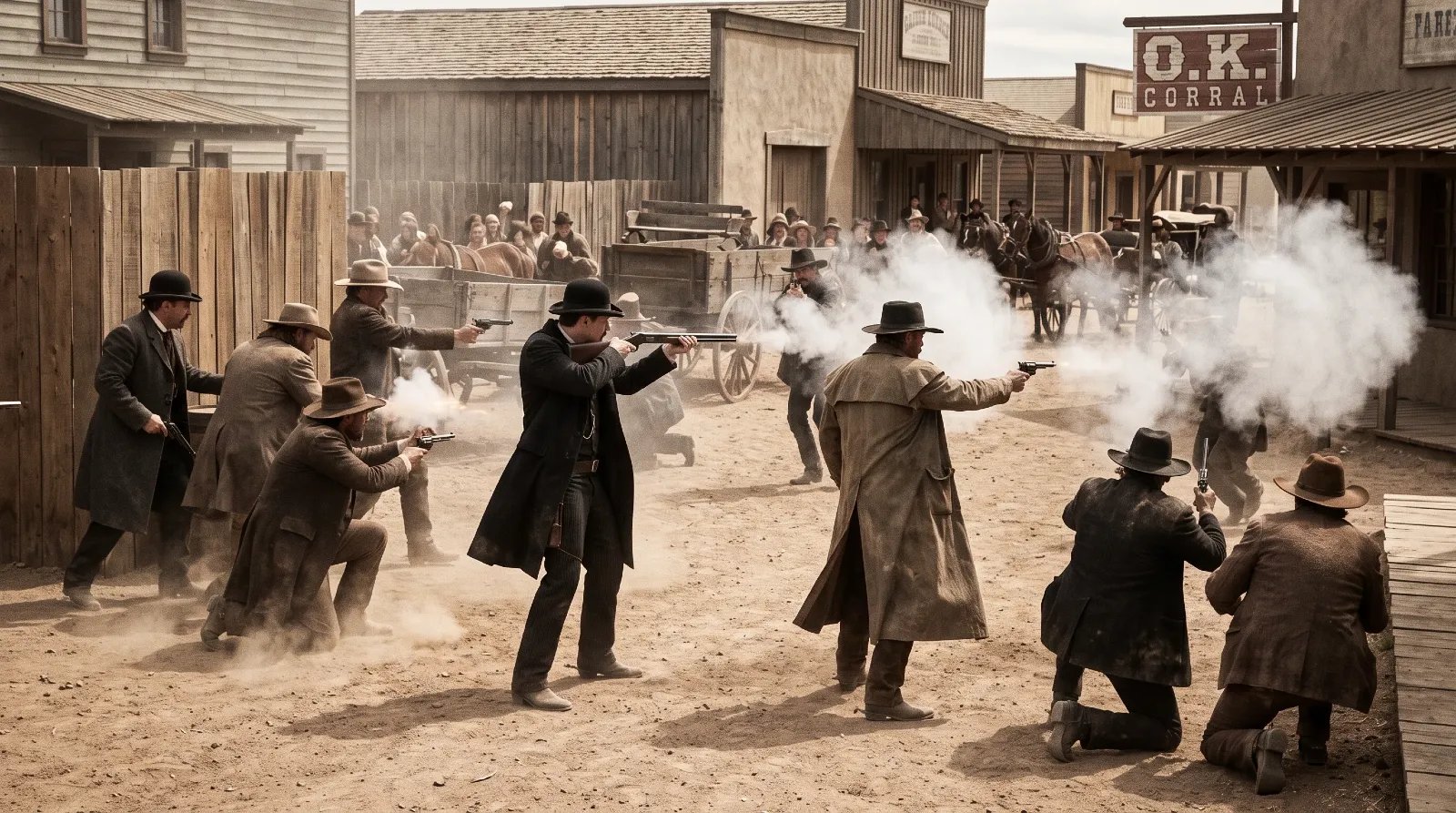
The Civil War and the frontier follow, with the Battle of Gettysburg and Robert E. Lee, the Battle of the Little Bighorn and Sitting Bull, and the thirty-second Gunfight at the O.K. Corral. The collection ends in the 20th century with Prohibition and the Great Depression.

Many familiar stories turn out to be myths. Nobody was burned at the stake in Salem, the Boston Tea Party was sparked by a tax cut, Congress voted for independence on 2 July, and Franklin never waited in a field for lightning to strike his key. The O.K. Corral gunfight did not take place in the O.K. Corral, drinking alcohol was never actually illegal under Prohibition, and the 1929 crash did not cause a wave of Wall Street suicides.

From the word "CROATOAN" carved on a post to grape bricks with a suspicious warning label, each event and person below has fifteen facts to discover.

The short version

Every item on this page, with the one fact most people get wrong about it.

Name Where you'll meet it The fact worth knowing
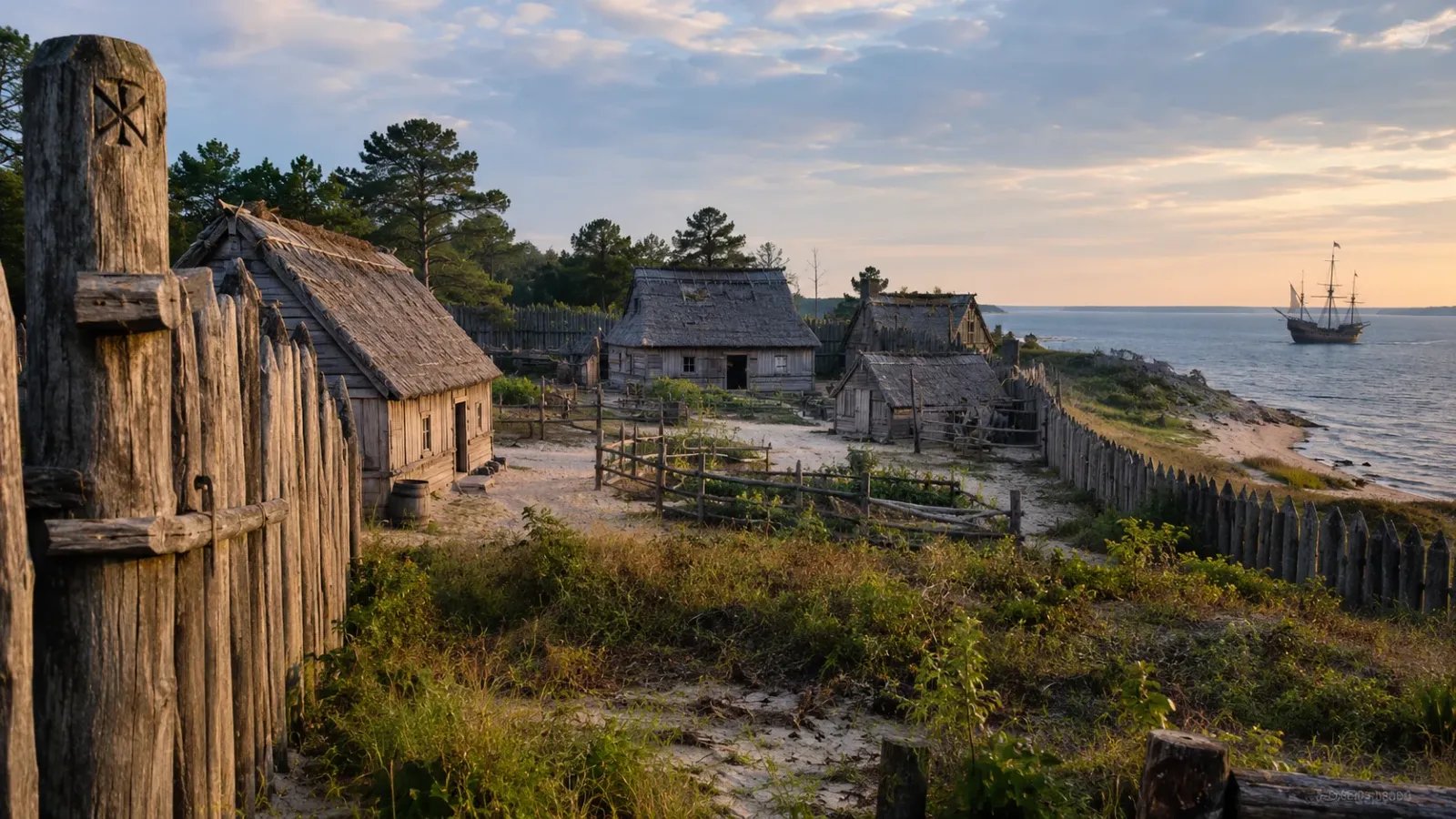
Lost Colony of Roanoke Roanoke Island, 1587-1590 "CROATOAN" was carved into a post at the deserted settlement.
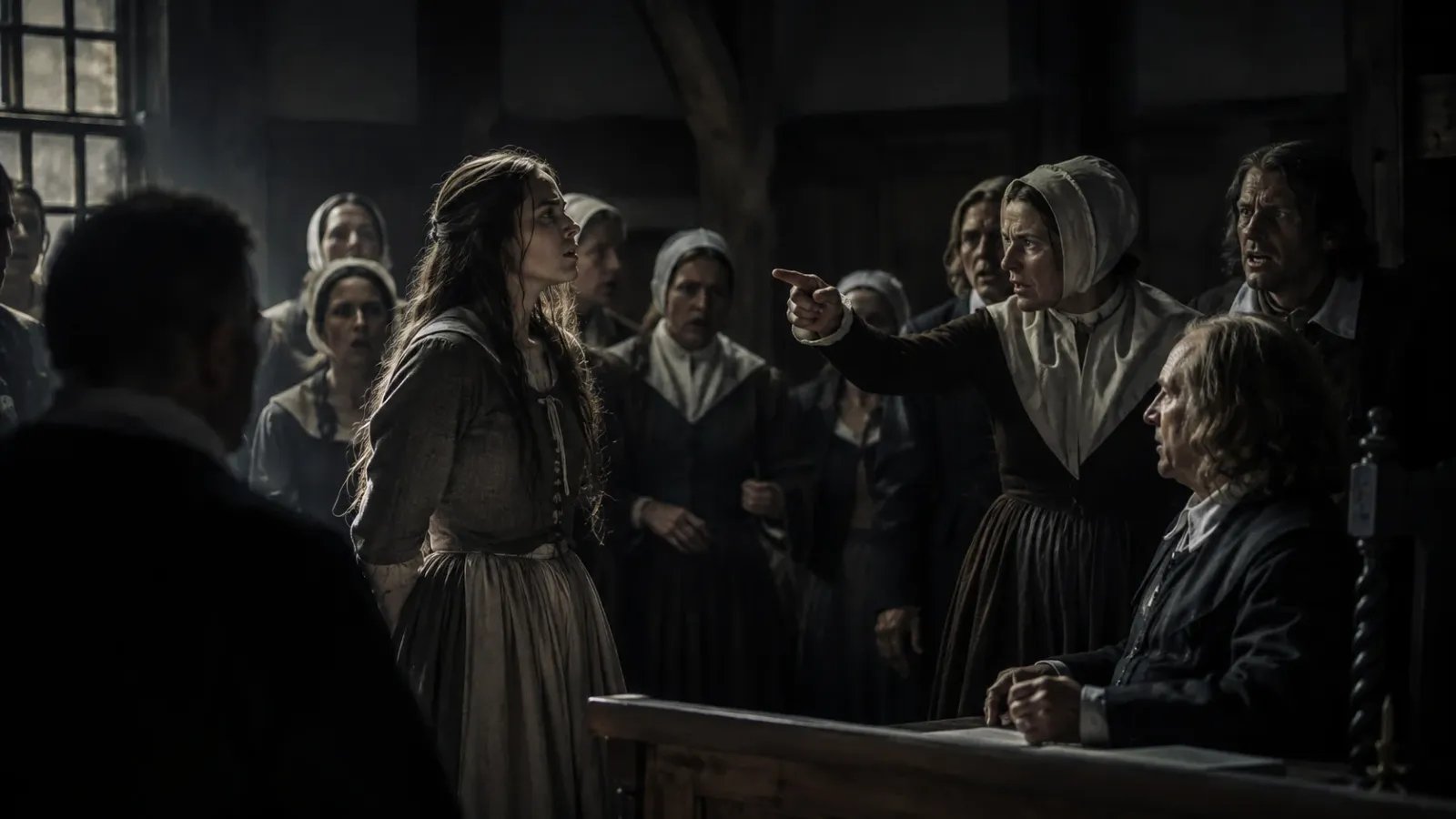
Salem Witch Trials Massachusetts, 1692 Nobody was burned at the stake - nineteen people were hanged.
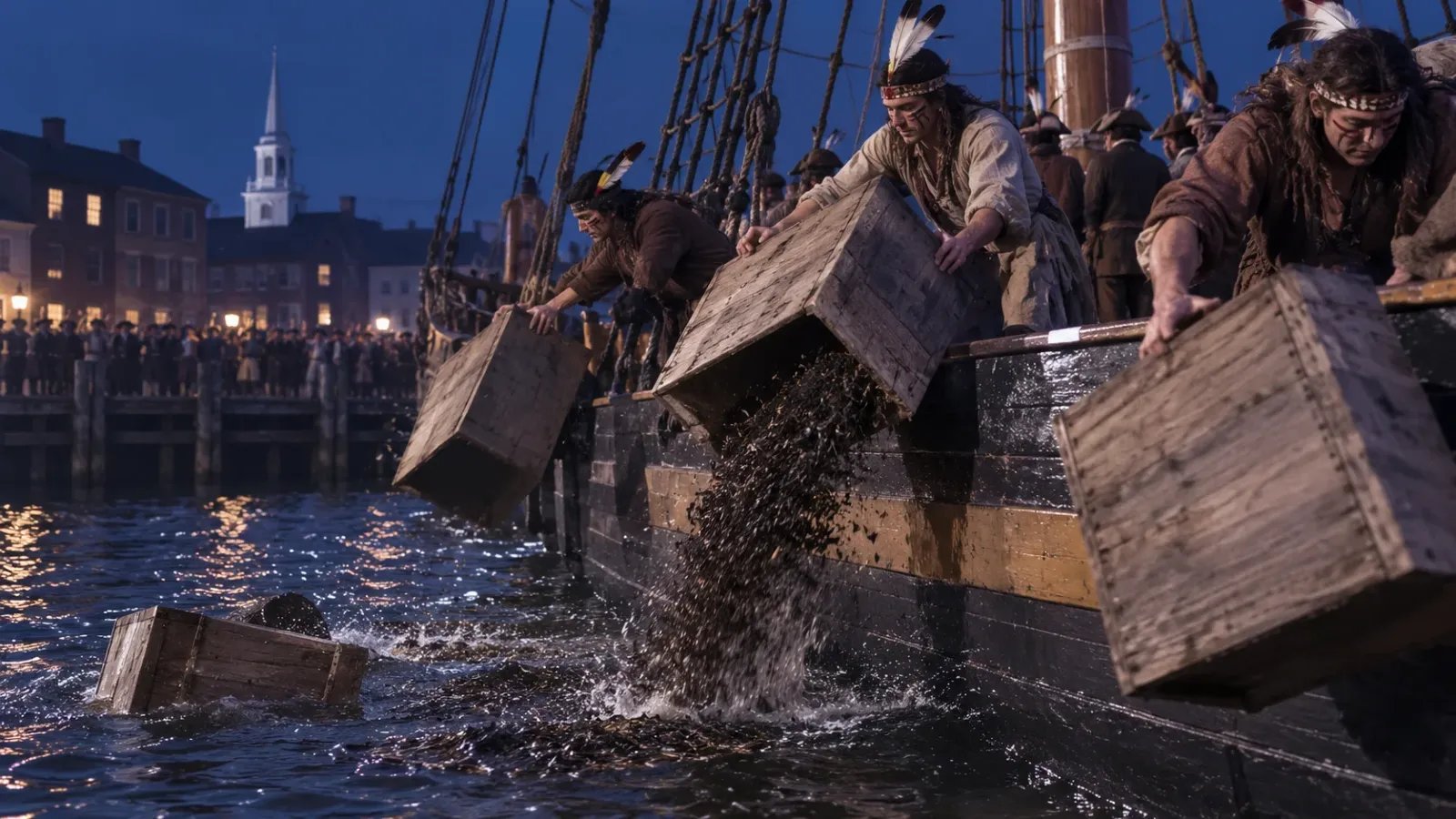
Boston Tea Party Boston, 1773 The protest was sparked by a tax cut, not a tax increase.
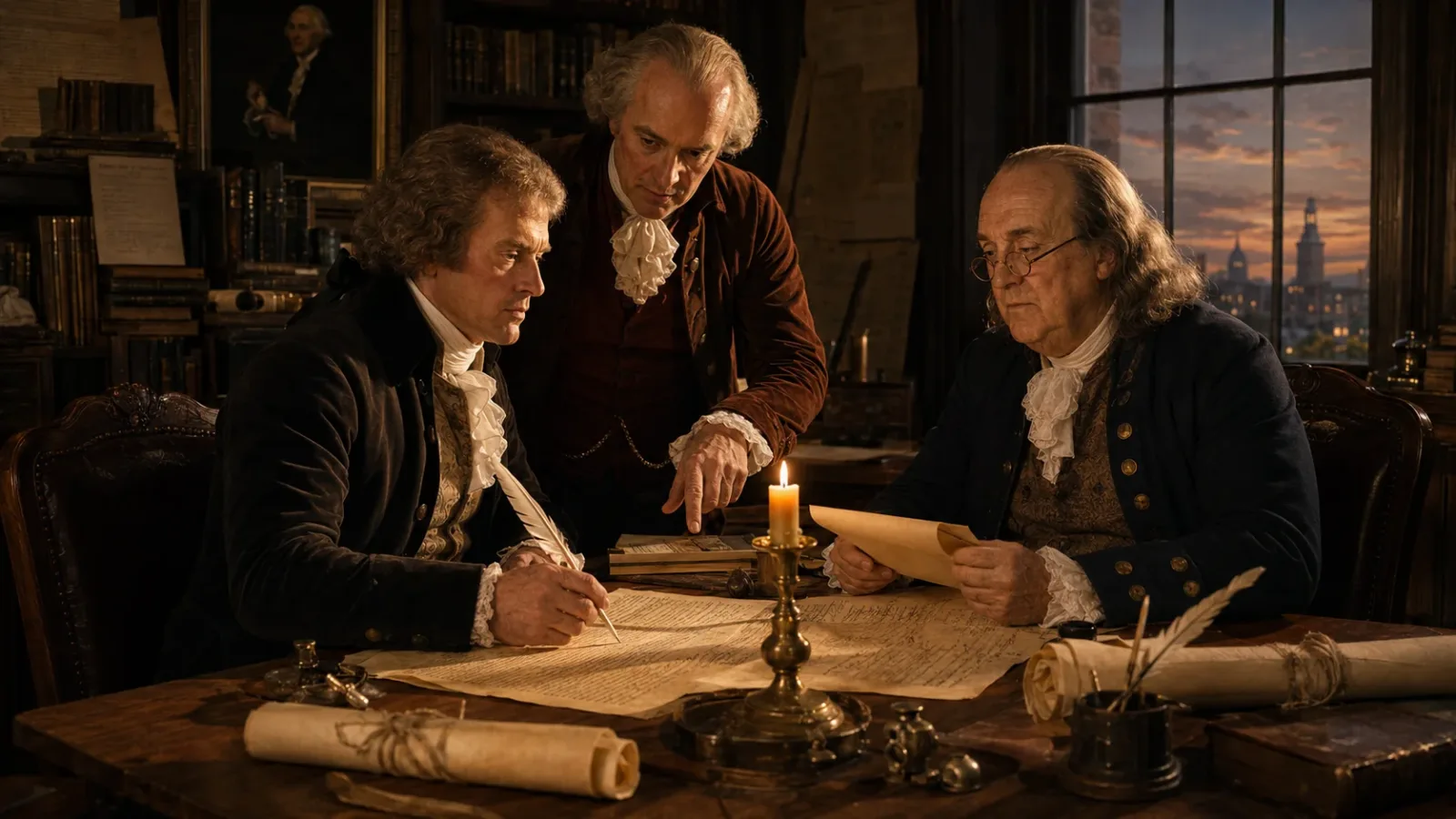
Declaration of Independence Philadelphia, 1776 Congress voted for independence on 2 July, not 4 July.
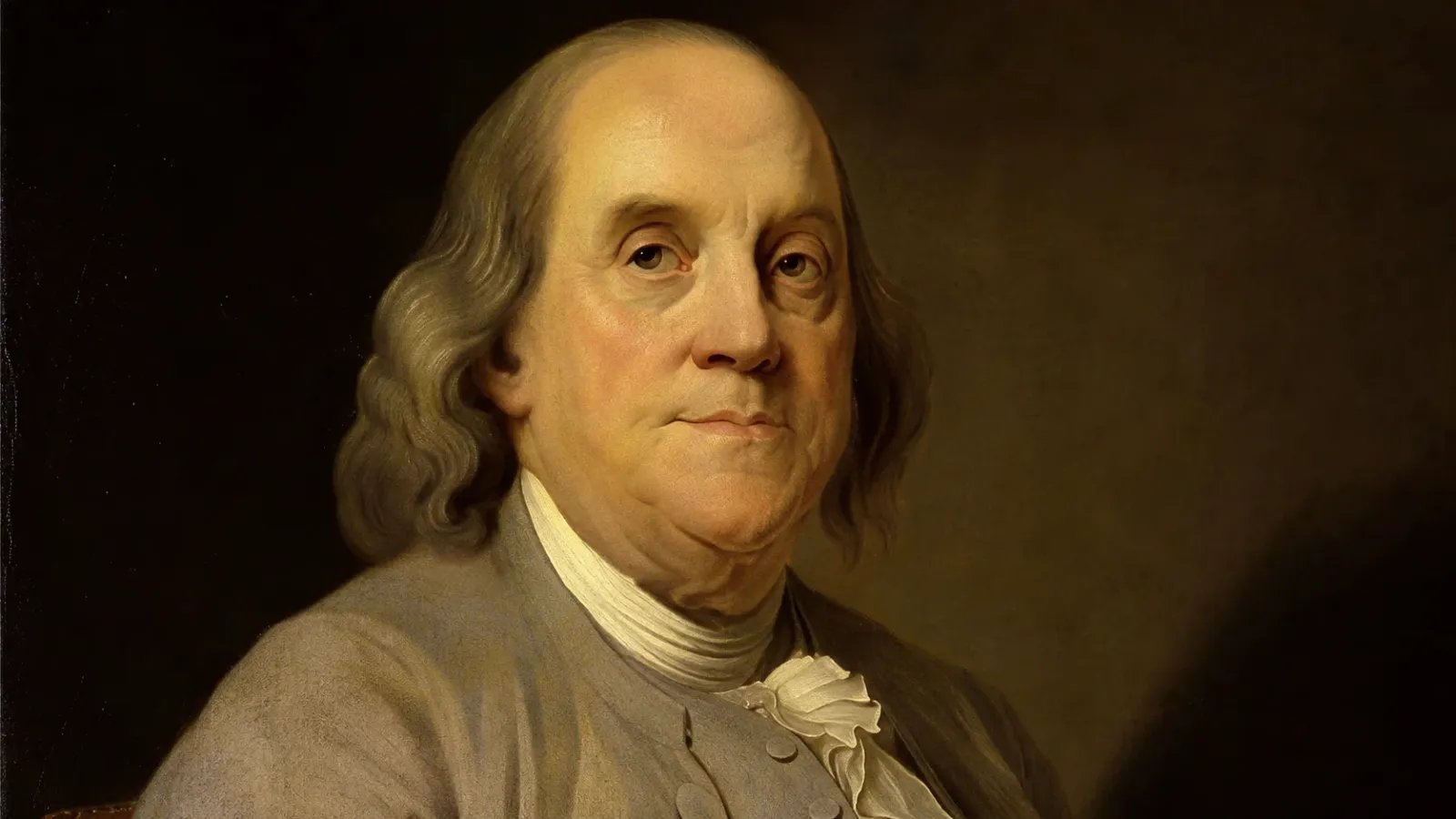
Benjamin Franklin Founding Father, printer and inventor He never stood in a field waiting for lightning to strike his key.
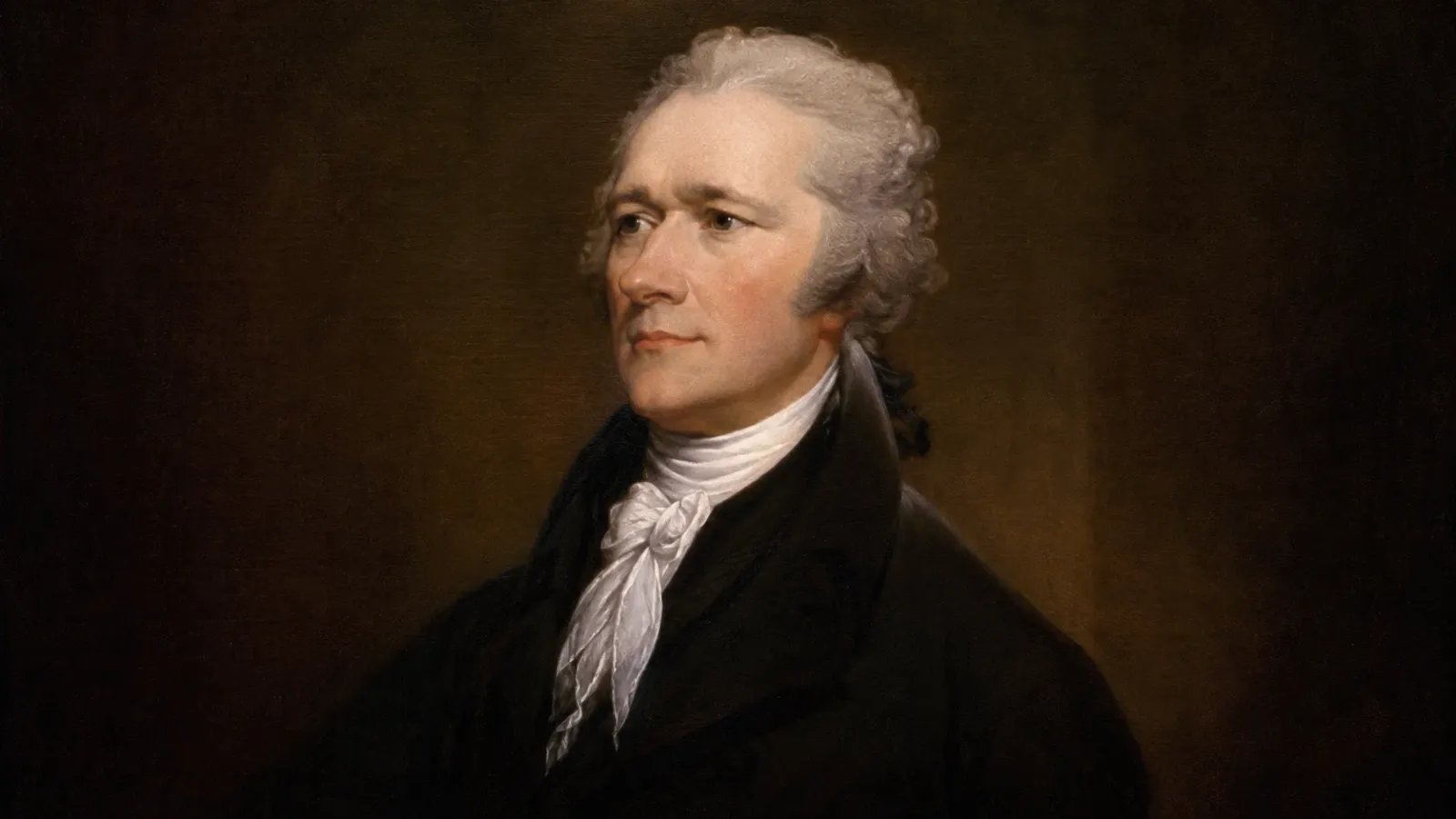
Alexander Hamilton First Secretary of the Treasury He wrote 51 of the 85 Federalist Papers in about six months.
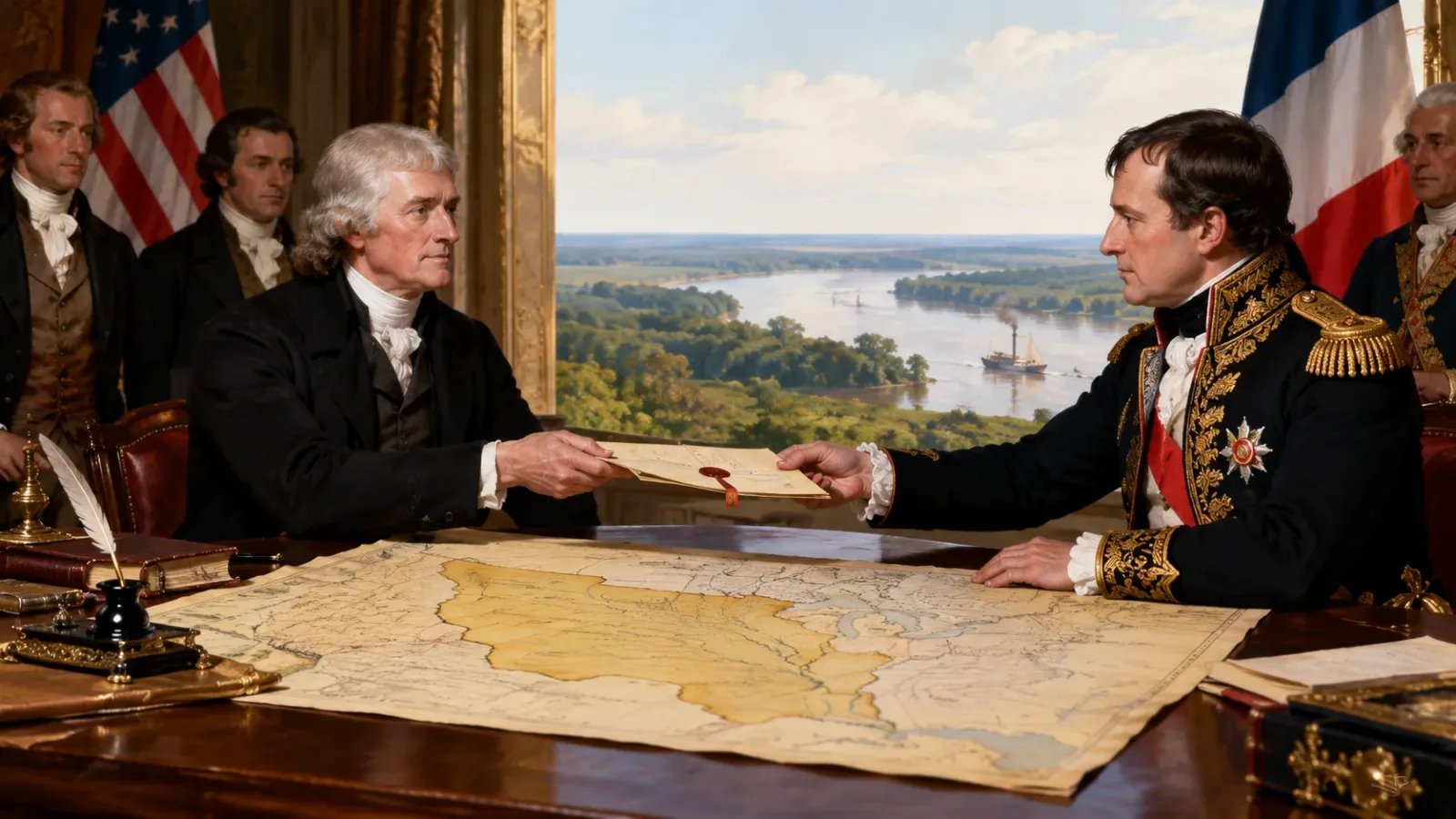
Louisiana Purchase 1803 Jefferson originally only wanted to buy New Orleans.
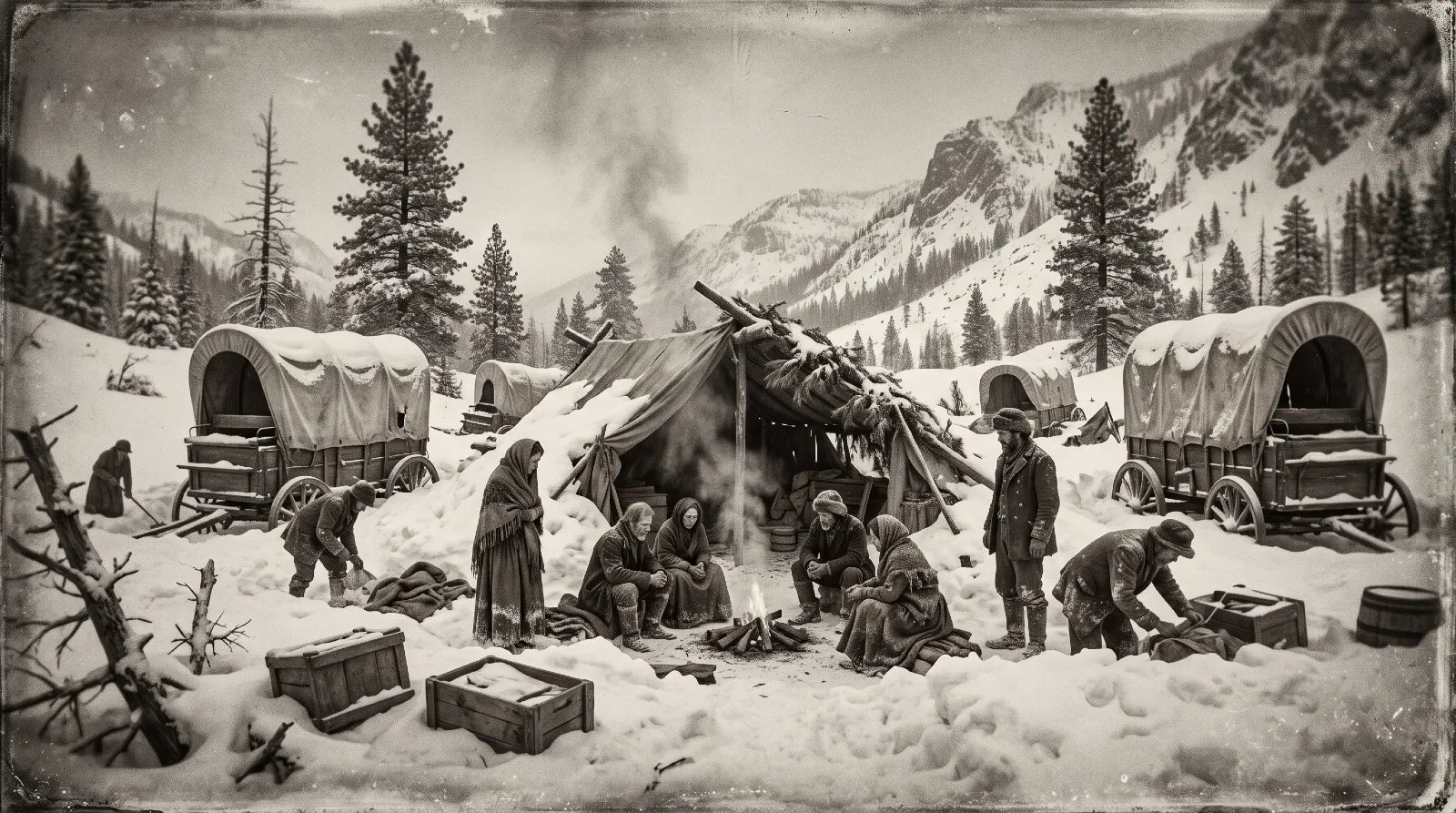
Donner Party Sierra Nevada, 1846-1847 An untested shortcut sealed the emigrants' fate.
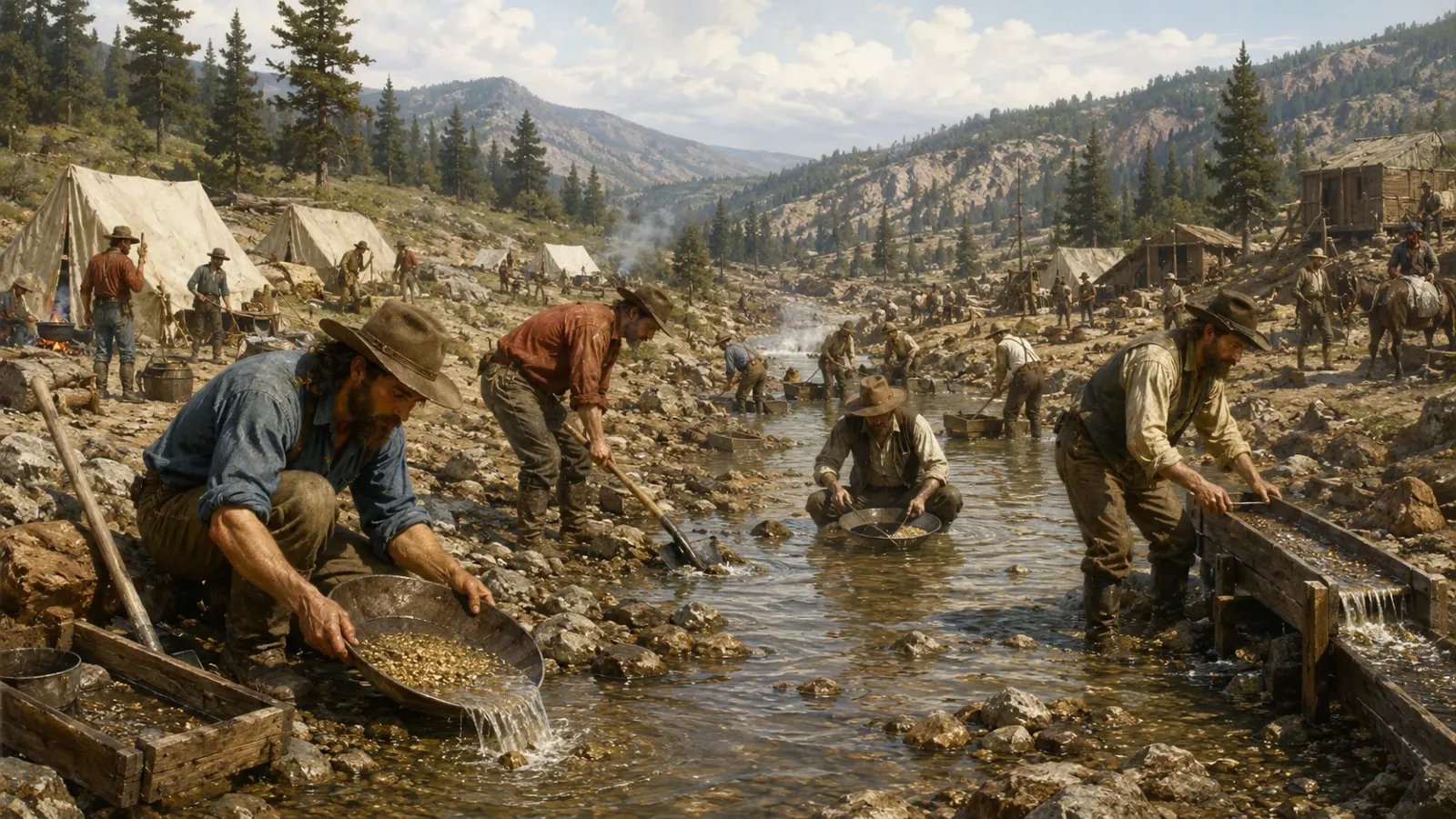
California Gold Rush California, mid-19th century Abandoned Gold Rush ships lie beneath San Francisco's financial district.
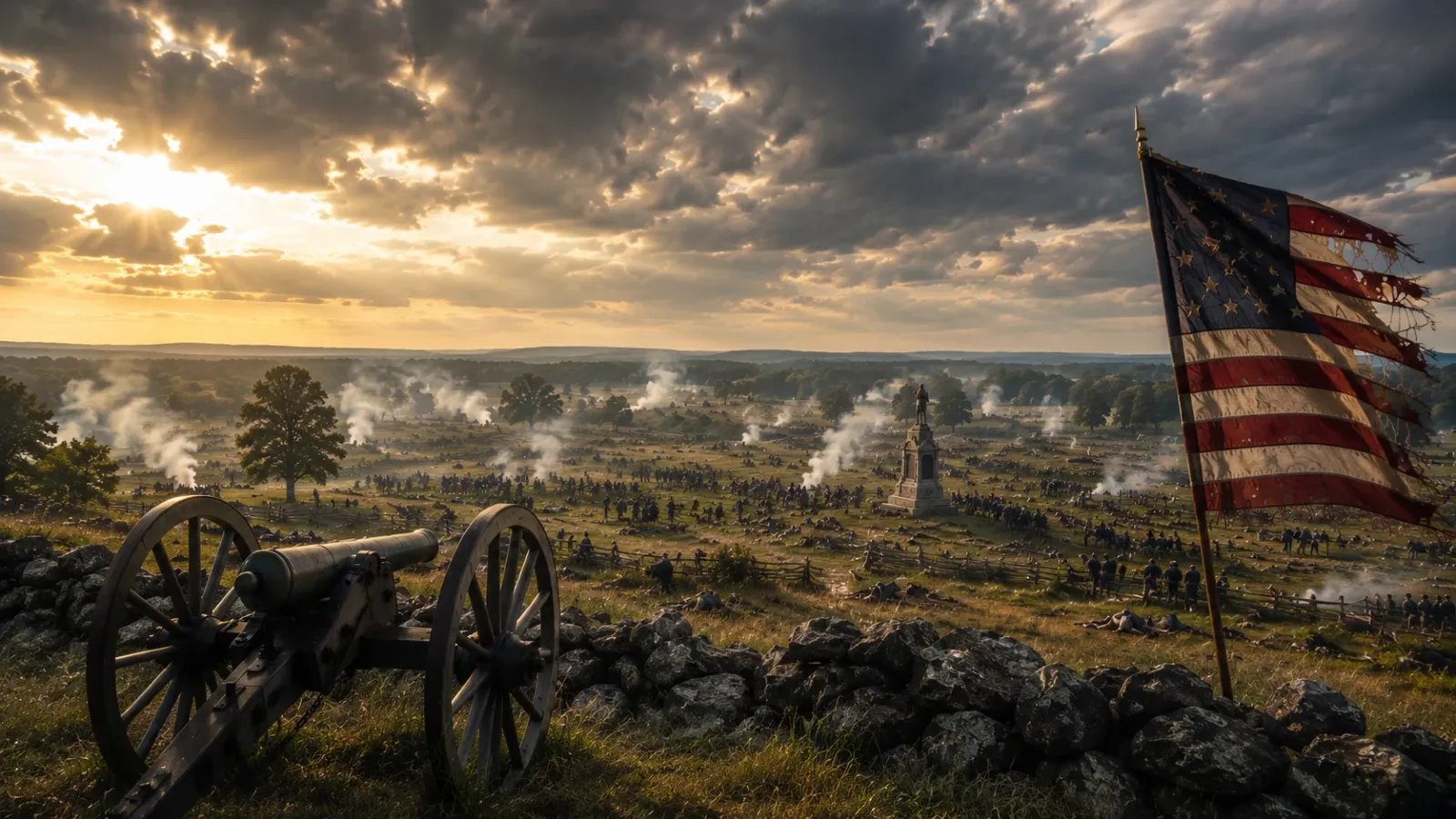
Battle of Gettysburg Pennsylvania, July 1863 The barrage before Pickett's Charge could reportedly be heard a hundred miles away.
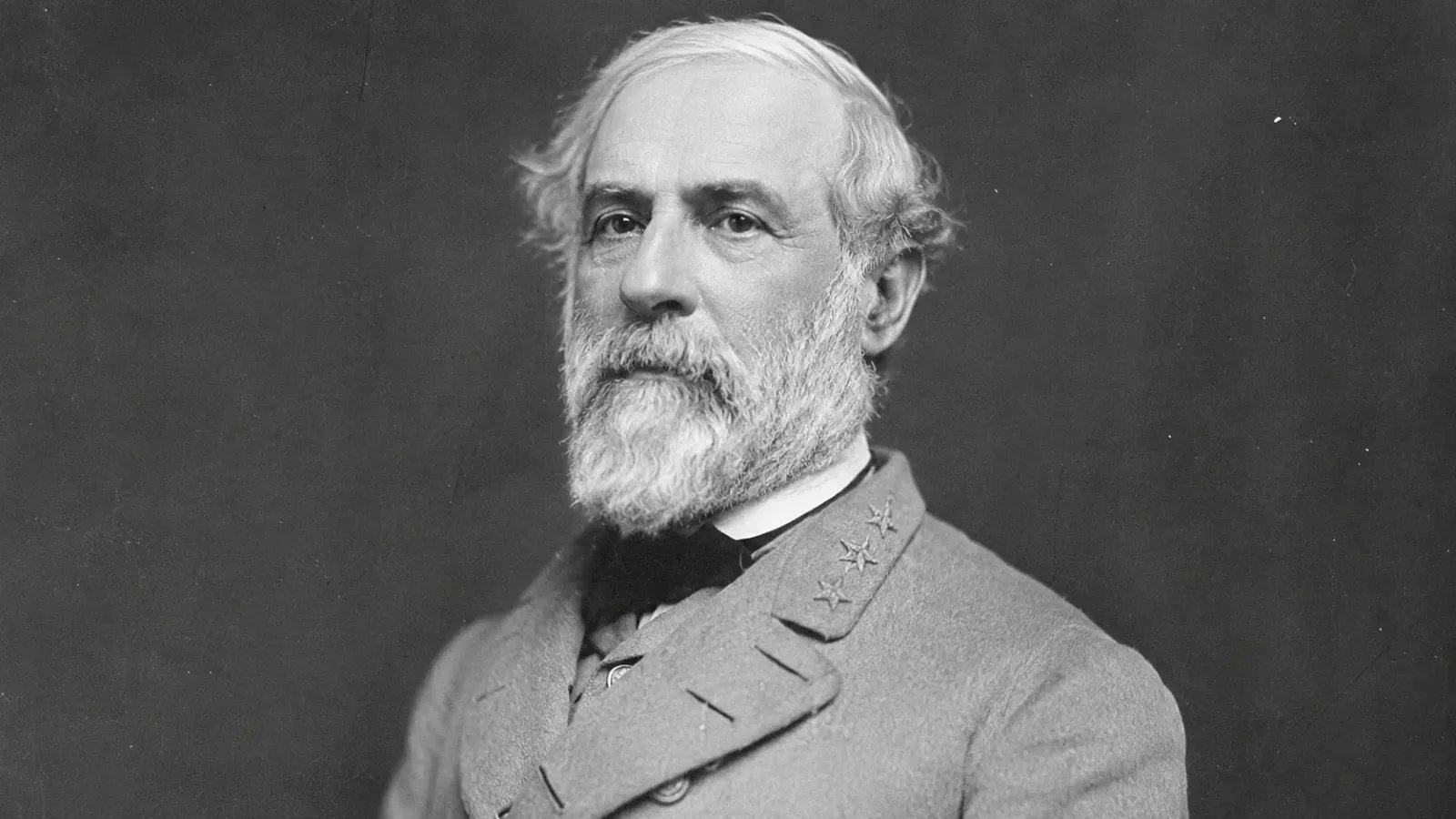
Robert E. Lee Confederate general His US citizenship was restored only in 1975.
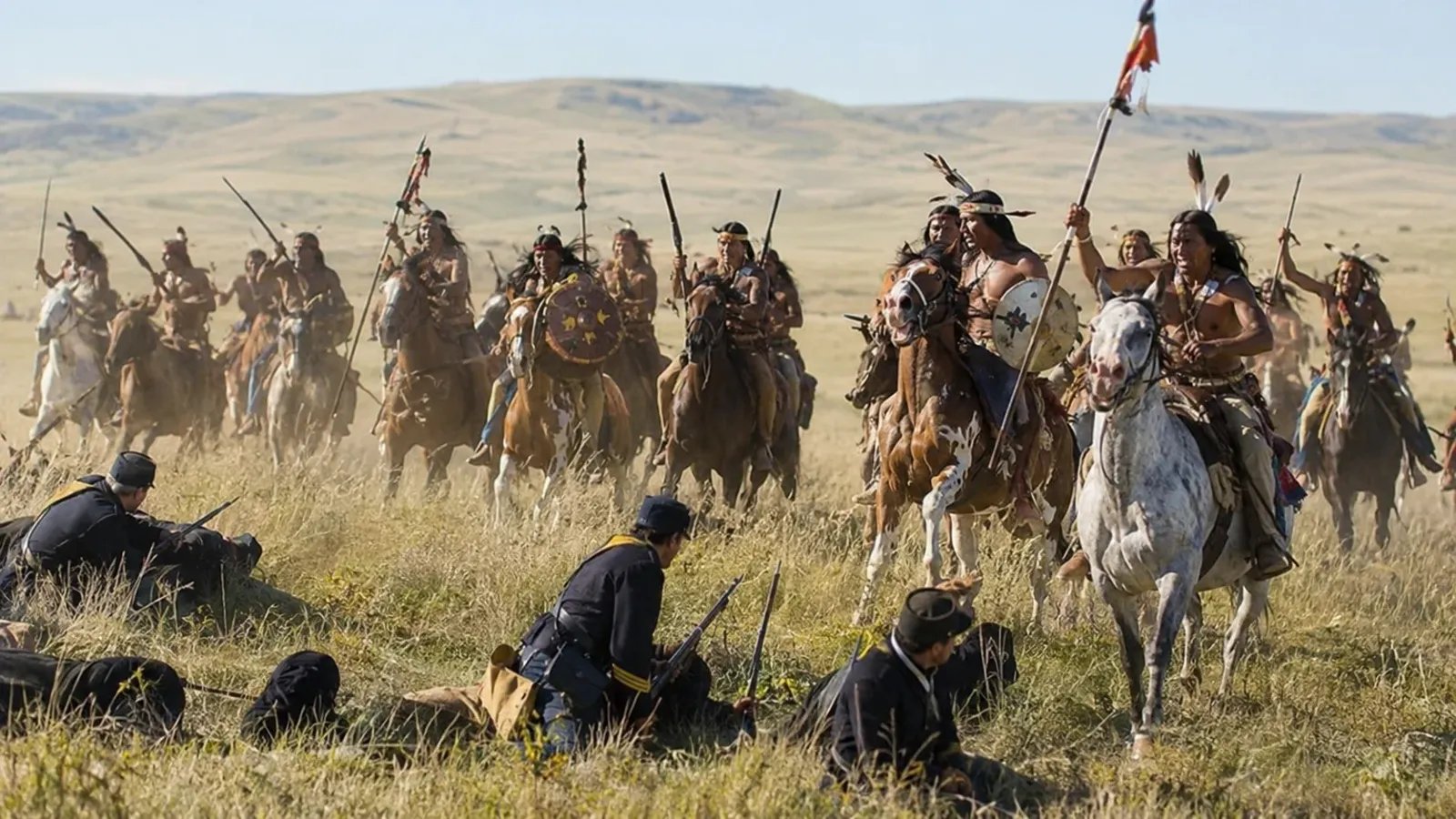
Battle of the Little Bighorn Montana Territory, 1876 Custer's own scouts warned him about the size of the village.
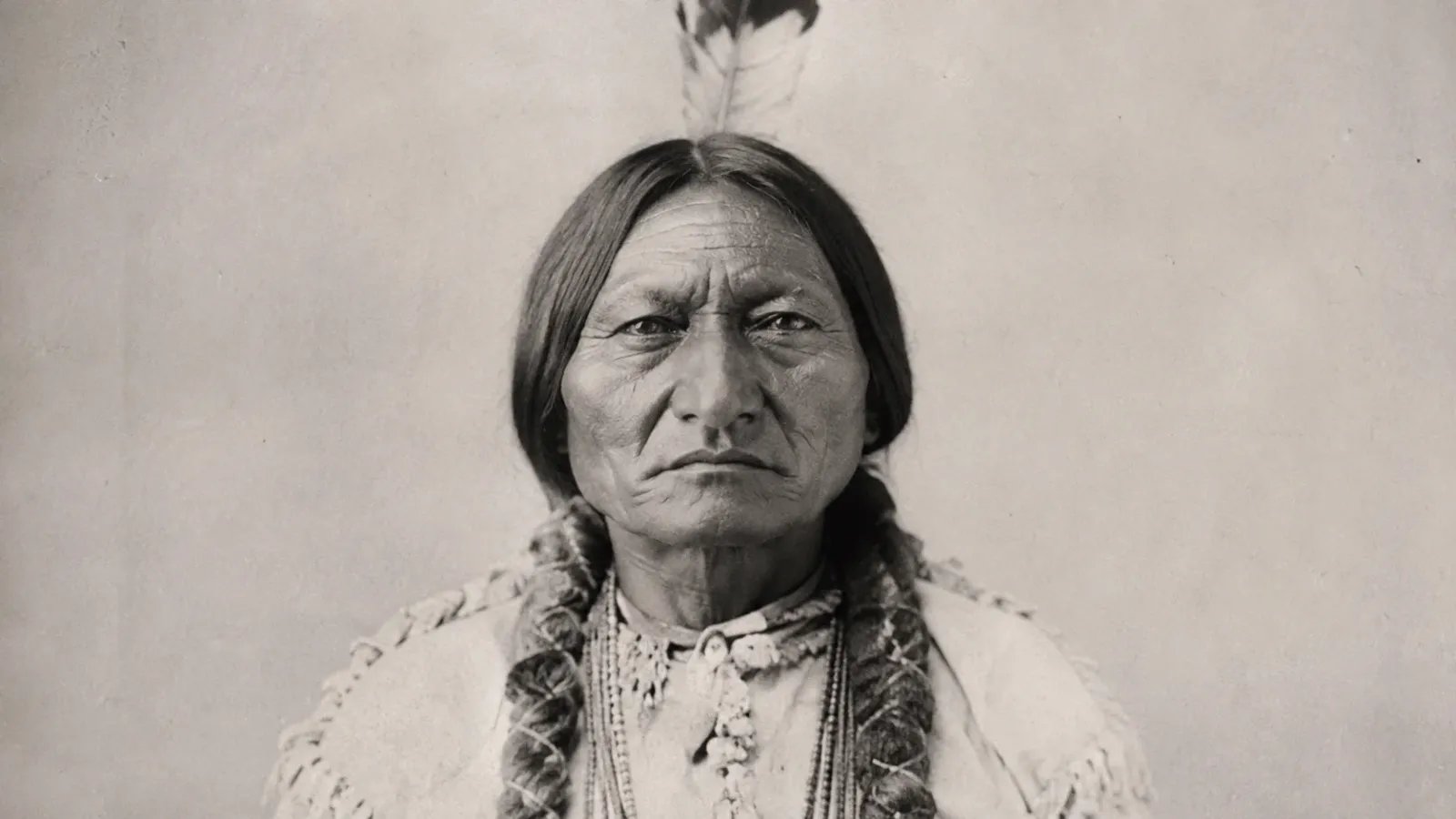
Sitting Bull Hunkpapa Lakota holy man He foresaw Custer's defeat during a Sun Dance.
Gunfight at the O.K. Corral Tombstone, Arizona, 1881 It did not actually take place in the O.K. Corral.
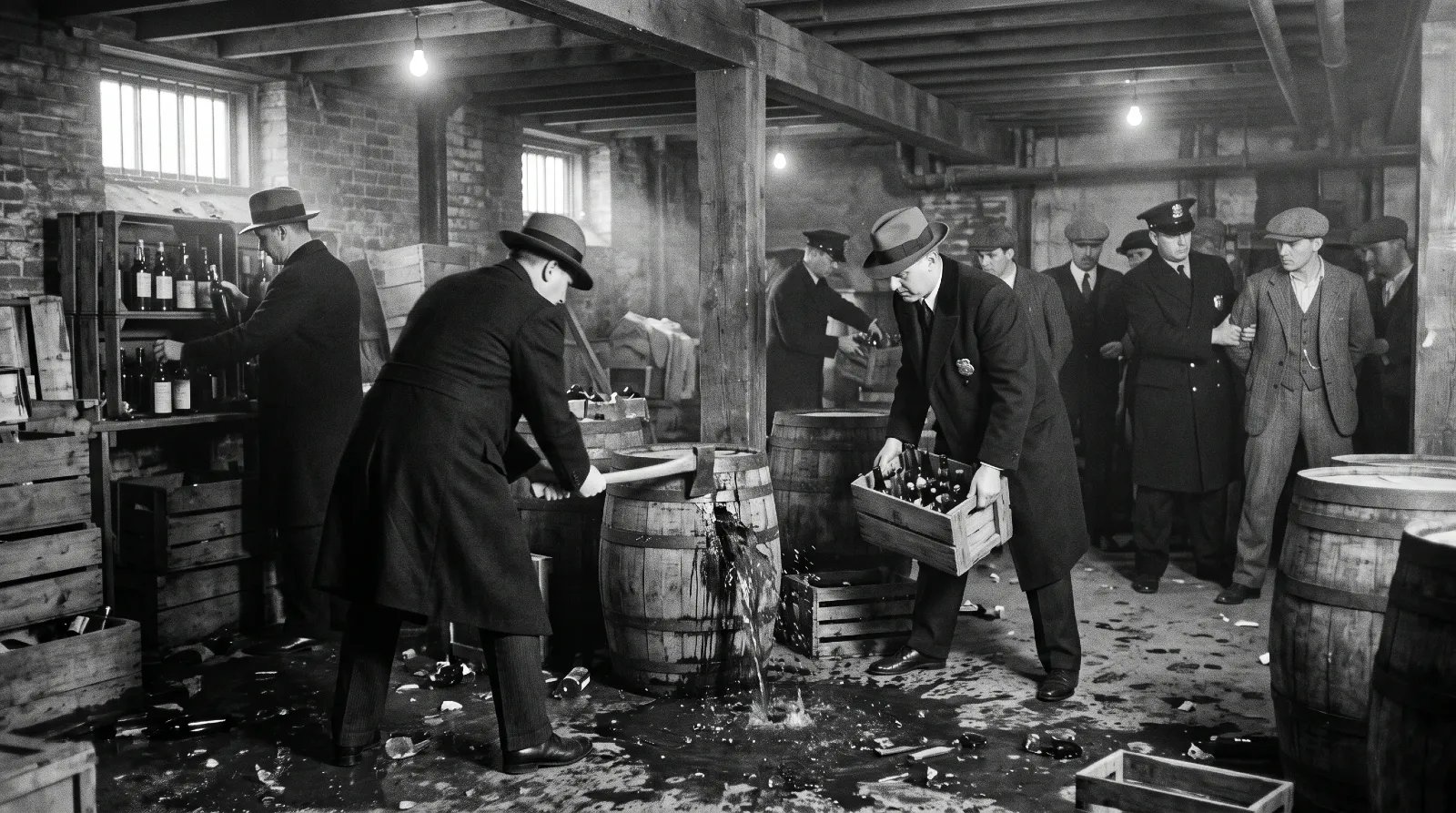
Prohibition United States, 1920-1933 Drinking alcohol was never actually illegal.
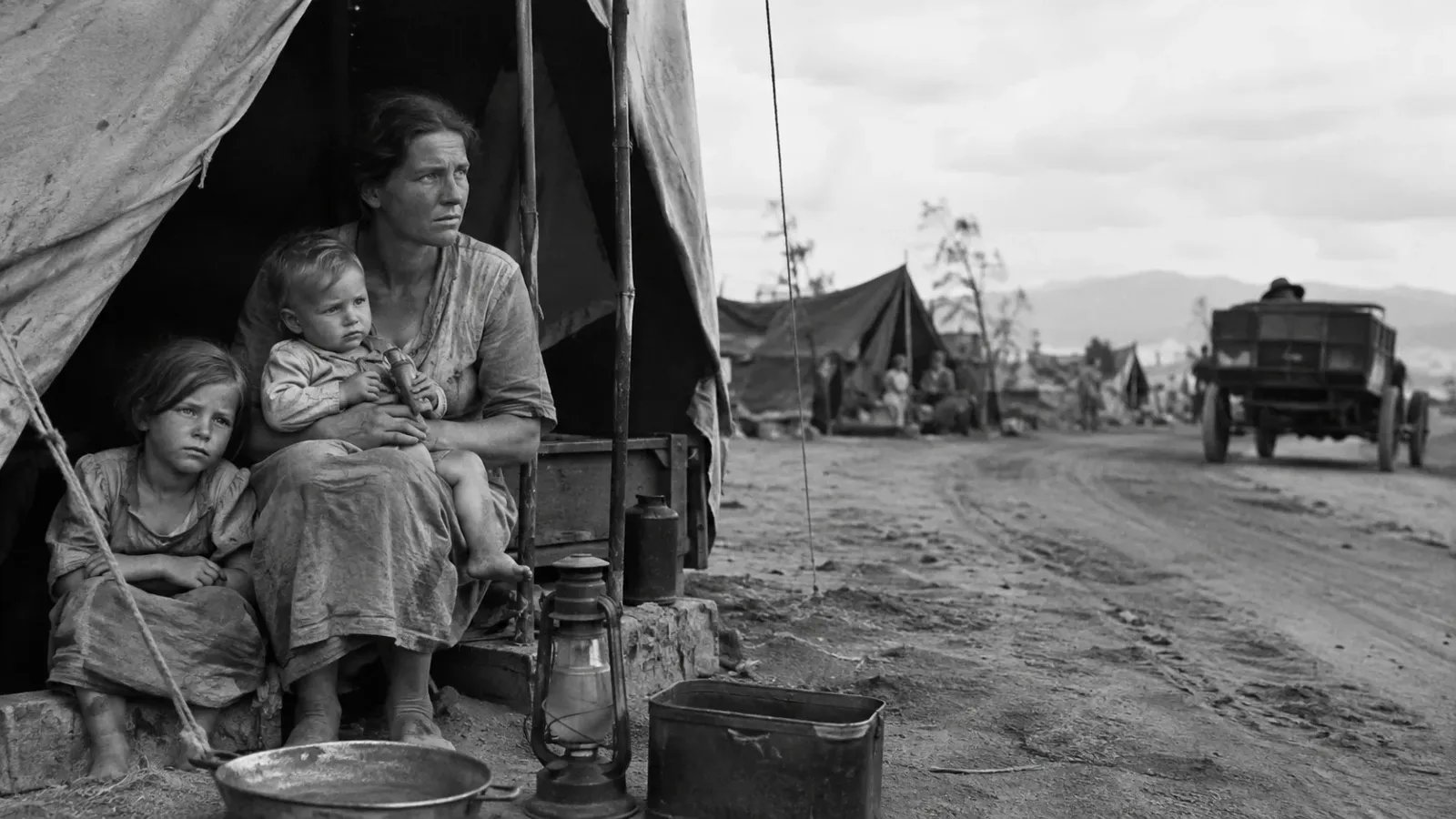
Great Depression The 1930s Al Capone ran one of its best-known soup kitchens.

Record holders

Biggest Land Deal

828,000 sq mi

The Louisiana Purchase doubled the size of the United States for fifteen million dollars. Louisiana Purchase

Shortest Gunfight

About 30 seconds

Around 30 shots were fired in roughly half a minute in Tombstone on 26 October 1881. Gunfight at the O.K. Corral

Longest Wait for Justice

Over 300 years

The final victim of the Salem witch trials was legally exonerated more than three centuries later. Salem Witch Trials

Most Federalist Papers

51 of 85

Alexander Hamilton wrote fifty-one of the eighty-five Federalist Papers in about six months. Alexander Hamilton

All 16, one fact at a time

Vanished Without a Trace: 15 Fascinating Facts About the Lost Colony of Roanoke

Lost Colony of Roanoke

Roanoke Island, 1587-1590

The 1587 colonists were never meant to stay on Roanoke, and Virginia Dare became the first recorded child of English parents born in the Americas. The governor, John White, was also a gifted artist. Tree rings show the settlers arrived during the worst drought in 800 years.

Read the full article →
The Hysterical Tragedy: 15 Fascinating Facts About the Salem Witch Trials

Salem Witch Trials

Massachusetts, 1692

Confessing was the surest way to survive the Salem trials, and a four-year-old girl was jailed. Courts relied on spectral evidence, two dogs were executed, and Giles Corey was pressed to death. The trials ended after accusers targeted the governor's wife.

Read the full article →
The Defiant Protest: 15 Fascinating Facts About the Boston Tea Party

Boston Tea Party

Boston, 1773

The Sons of Liberty dumped 342 chests of mostly Chinese tea and swept the decks afterwards. A man caught pocketing tea was stripped and beaten, and George Washington condemned the destruction. The name "Boston Tea Party" appeared in print only in 1826.

Read the full article →
15 Surprising Facts About the Declaration of Independence: 1776 Uncovered

Declaration of Independence

Philadelphia, 1776

Only John Hancock and Charles Thomson signed the approved text at first, and a mysterious handprint marks its back. It spent World War II in Fort Knox, and Jefferson and Adams both died on its 50th anniversary. A toppled royal statue became American bullets.

Read the full article →
 15 Fascinating Facts About Benjamin Franklin: The Electrifying Polymath

Benjamin Franklin

Founding Father, printer and inventor

Franklin coined the words "battery" and "conductor", charted the Gulf Stream and invented bifocals and the glass armonica, yet patented none of them. He wrote as "Silence Dogood" at 16 and is in the International Swimming Hall of Fame. He also wrote an essay called "Fart Proudly".

Read the full article →
The Relentless Visionary: 15 Fascinating Facts About Alexander Hamilton

Alexander Hamilton

First Secretary of the Treasury

Hamilton probably lied about his age, founded the forerunner of the Coast Guard and launched the New York Post. He defended a murder suspect alongside Aaron Burr, rewrote Washington's Farewell Address and published the Reynolds Pamphlet. His son died in a duel at the same grounds three years before him.

Read the full article →
The Colossal Deal: 15 Fascinating Facts About the Louisiana Purchase

Louisiana Purchase

1803

The Haitian Revolution pushed Napoleon to sell, and the United States borrowed from European banks to pay. The borders were undefined, Jefferson thought the deal might be unconstitutional, and Napoleon's brothers confronted him in his bath to stop it. Land in fifteen future states changed hands.

Read the full article →
Trapped in the Sierra: 15 Harrowing Facts About the Donner Party

Donner Party

Sierra Nevada, 1846-1847

The Donner Party cut their own road through Utah's mountains before snow trapped them below the Sierra summit. The Forlorn Hope set out on homemade snowshoes, four rescue missions were needed, and roughly half survived. Patty Reed's tiny doll survived too.

Read the full article →
The Golden Mirage: 15 Fascinating Facts About the California Gold Rush

California Gold Rush

California, mid-19th century

James Marshall tried to keep his discovery secret, but a merchant spread the news to sell supplies. Most Forty-Niners lost money, women often out-earned the miners, and scurvy killed more than violence. Levi Strauss's riveted jeans came decades later, in 1873.

Read the full article →
The Pivotal Clash: 15 Fascinating Facts About the Battle of Gettysburg

Battle of Gettysburg

Pennsylvania, July 1863

Gettysburg did not start over shoes, and a 69-year-old cobbler joined the fight. Jennie Wade was the only civilian killed directly, and General Sickles had his shattered leg preserved. Lincoln gave his address while reburials were still underway.

Read the full article →
The Contradictory Commander: 15 Fascinating Facts About Robert E. Lee

Robert E. Lee

Confederate general

Lee married into George Washington's family, captured John Brown and turned down command of the Union Army. He opposed Confederate monuments after the war, and Arlington National Cemetery was created on his family's estate. He finished his life reforming Washington College.

Read the full article →
The Misunderstood Stand: 15 Fascinating Facts About Battle of the Little Bighorn

Battle of the Little Bighorn

Montana Territory, 1876

Many Lakota and Cheyenne warriors had better rifles than Custer's cavalry, and Custer left behind his Gatling guns. Women fought in the battle, and archaeology has dismantled the myth of an orderly last stand. Sitting Bull did not fight on the front line.

Read the full article →
The Unyielding Visionary: 15 Fascinating Facts About Sitting Bull

Sitting Bull

Hunkpapa Lakota holy man

Sitting Bull was born Jumping Badger and was above all a holy man. He spent years in exile in Canada, toured with Buffalo Bill's Wild West show and befriended Annie Oakley. He was killed by Lakota reservation police, and the trick horse Buffalo Bill had given him began performing as he lay dying.

Read the full article →
Thirty Seconds in Tombstone: 15 Fascinating Facts About the Gunfight at the O.K. Corral

Gunfight at the O.K. Corral

Tombstone, Arizona, 1881

The 30-second gunfight began over a town ban on carrying weapons, and Virgil Earp, not Wyatt, was in charge. Doc Holliday was a trained dentist, and the man who started the trouble ran away. Western film stars later carried Wyatt Earp's coffin.

Read the full article →
America Goes Dry: 15 Surprising Facts About Prohibition

Prohibition

United States, 1920-1933

Congress passed Prohibition over the president's veto, and even weak beer counted as intoxicating. Doctors prescribed whiskey, Congress had its own bootlegger, and NASCAR has roots in moonshine running. Its repeal is the only amendment to cancel another.

Read the full article →
The Devastating Decade: 15 Fascinating Facts About the Great Depression

Great Depression

The 1930s

The 1929 crash did not cause a wave of Wall Street suicides, and Monopoly became a hit with families dreaming of wealth. The Golden Gate Bridge and the Empire State Building were built in its darkest days, and the government confiscated private gold. Water pie was a real recipe.

Read the full article →

Quiz: how much of that stuck?

8 questions, every answer is somewhere above.

American History: From the Colonies to the Great Depression 0 / 8

1. What word did John White find carved at the deserted Roanoke settlement?

2. How were most of the people executed in the Salem witch trials killed?

3. What sparked the Boston Tea Party?

4. On which day did Congress actually vote for independence?

5. Which bird did Benjamin Franklin privately prefer to the bald eagle?

6. Where did the Gunfight at the O.K. Corral actually take place?

7. What did Prohibition's grape bricks carry a warning against?

8. Which famous gangster ran a well-known soup kitchen during the Depression?

Frequently asked

What happened to the Lost Colony of Roanoke?

Nobody knows for certain. When John White returned in 1590 the houses had been dismantled and "CROATOAN" was carved into a post, suggesting a planned move. Archaeologists have since found 16th-century English objects on Hatteras Island, once part of Croatoan, but the mystery remains unsolved.

Was anyone burned as a witch in Salem?

No. Witchcraft was a felony punishable by hanging under English law. Of the twenty people executed, nineteen were hanged and one, Giles Corey, was pressed to death under heavy stones.

Did everyone sign the Declaration of Independence on 4 July?

No. The approved text was at first signed only by John Hancock and Charles Thomson, and most delegates signed later. Congress had actually voted for independence on 2 July 1776.

Was drinking illegal during Prohibition?

No. The 18th Amendment banned the manufacture, sale and transportation of intoxicating liquors, but not drinking or owning them. Doctors could even prescribe medicinal whiskey.

Did the 1929 stock market crash cause the Great Depression?

Not on its own. Historians see the crash as the first domino, followed by bank failures and other economic shocks. The Depression only fully ended with the industrial mobilisation of World War II.

Keep going

Enjoyed these facts? There's more! 💌

Fresh fun facts in your inbox. No spam, ever.