15 Fun Facts
Travel

American Cities and Landmarks

From sinking mega-cities and secret subterranean vaults to monumental feats of engineering that tamed the desert, discover the hidden histories and bizarre quirks behind America's most iconic landmarks and urban centers.

Updated 22 September 2026 · 10 items · 150 facts in the linked articles · Reading time 5 min

The United States is a sprawling tapestry of natural wonders and urban anomalies. Tying its monumental landscapes to its bustling, neon-lit cities is a shared story of relentless ambition and continuous reinvention. Whether gazing at a massive chasm carved by eons of rushing water or marveling at an art deco bridge suspended above a misty bay, exploring these iconic sites side-by-side reveals striking truths about how Americans have shaped, and been shaped by, their environment.

Examining these destinations as a collective highlights a fascinating contrast between natural forces and human engineering. While the Earth spent billions of years painstakingly layering the strata of the American Southwest, human ingenuity required merely a few dangerous decades to dam those same river systems and power booming desert metropolises. Both the natural and the constructed landscapes in America share a tendency toward the extreme, frequently defying logic, gravity, and the limits of traditional design.

The nation's urban centers are equally layered with hidden history that defies their popular reputations. The gleaming facades of theme parks, bustling casinos, and towering skyscrapers often distract millions of annual visitors from the strange, organic histories literally sitting beneath their feet. From sprawling subterranean flood tunnels and massive national cheese vaults to covert real estate maneuvers and top-secret chambers, the true story of these renowned locations usually begins underground or safely behind closed doors.

Dive into the curated collection below to discover the highly surprising truths, forgotten geographical quirks, and monumental triumphs that define America's most recognizable cities and landmarks.

The short version

Every item on this page, with the one fact most people get wrong about it.

Name Where you'll meet it The fact worth knowing
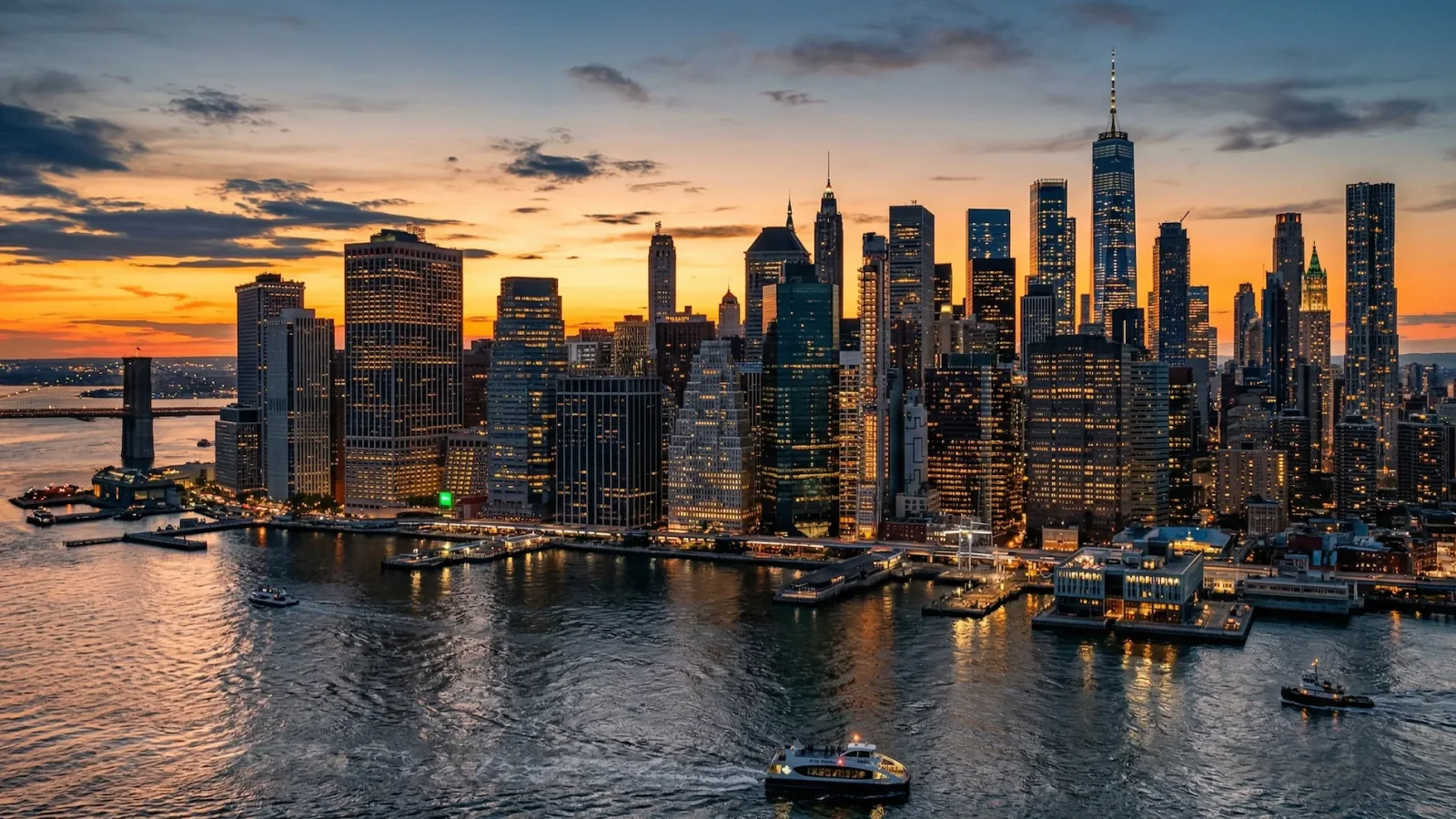
New York Northeast Metropolis The metropolis is physically sinking under the immense weight of its own world-famous skyscrapers.
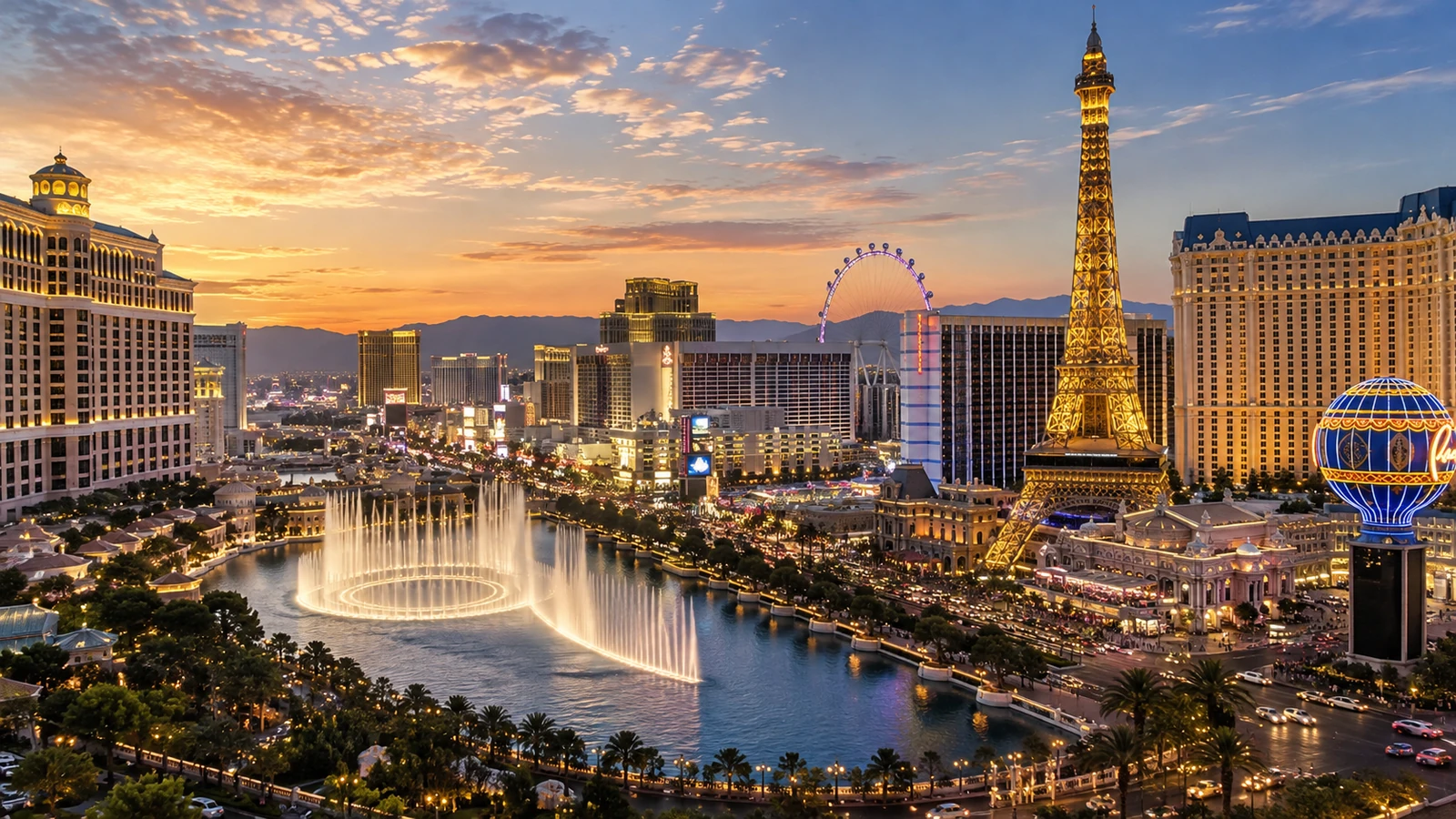
Las Vegas Nevada Desert In the 1950s, the city frequently hosted festive rooftop viewing parties for nearby atomic bomb detonations.
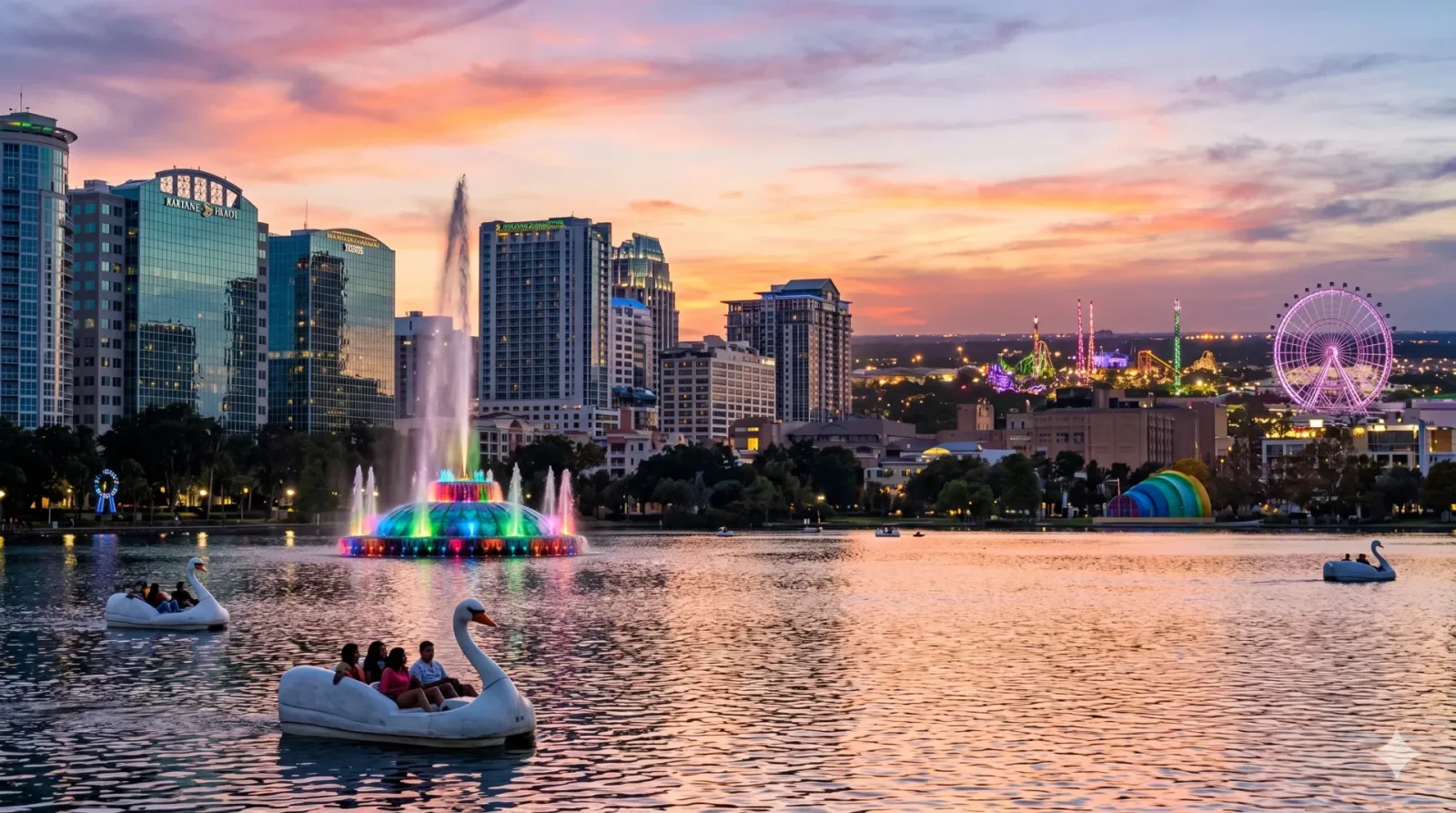
Orlando Central Florida Long before the fairy-tale castles arrived, the region was heavily defined by rugged cattle cowboys and citrus farming.
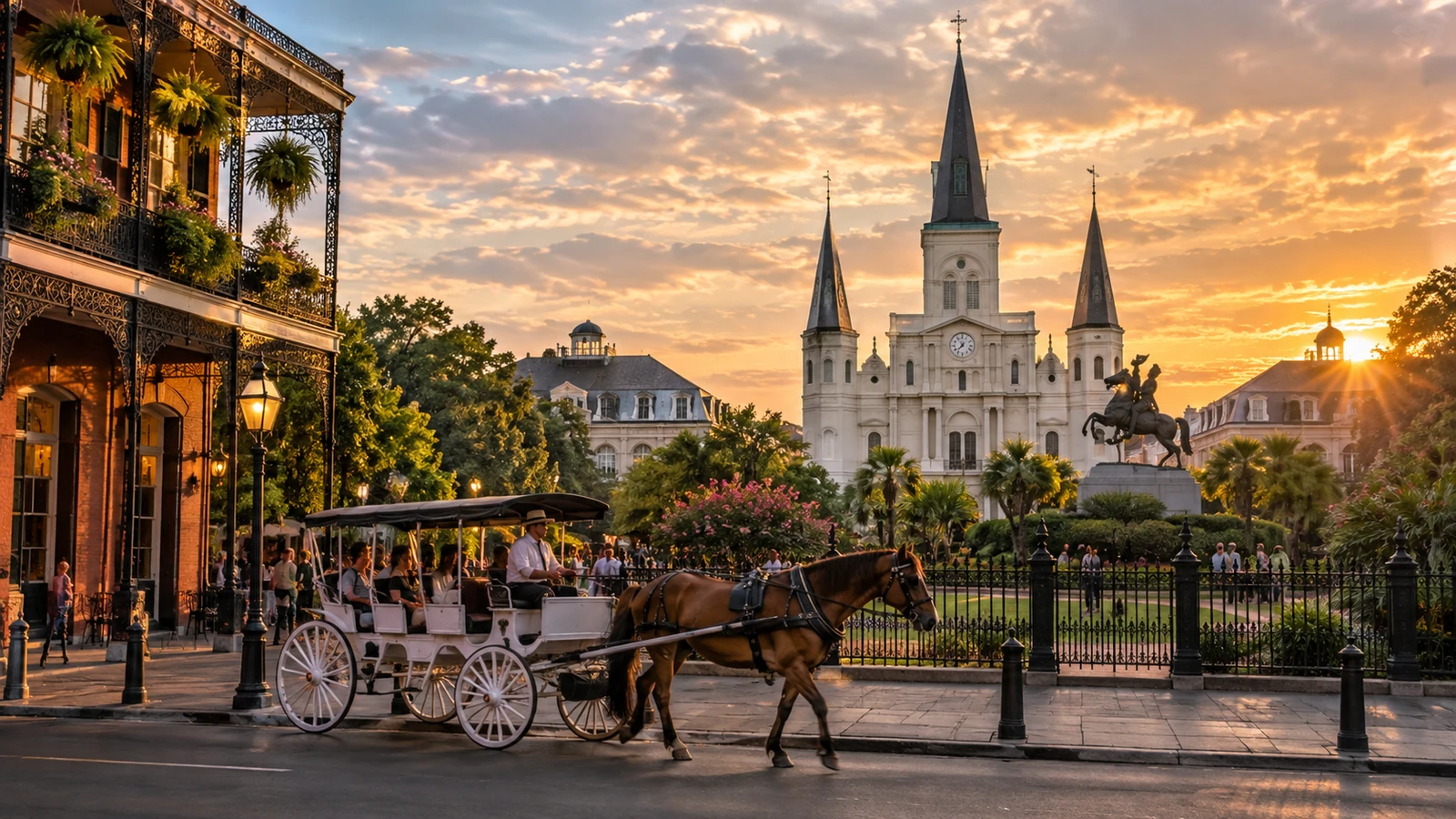
New Orleans Louisiana Coast High water tables forced the city to adapt unique above-ground burial customs that resemble miniature cities of the dead.
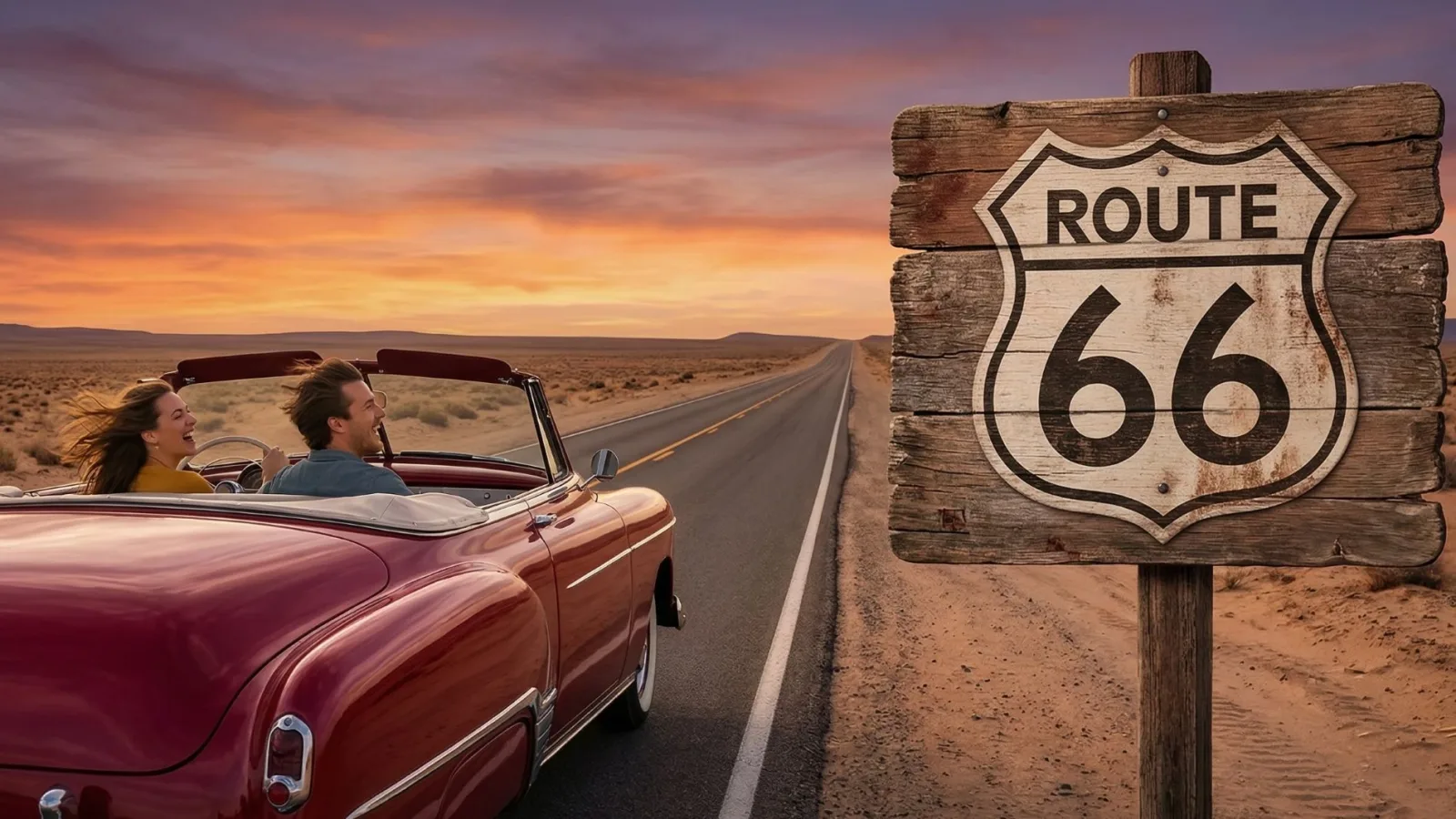
Route 66 Cross-Country Highway The legendary mother road effectively gave birth to the modern drive-thru dining industry and neon roadside attractions.
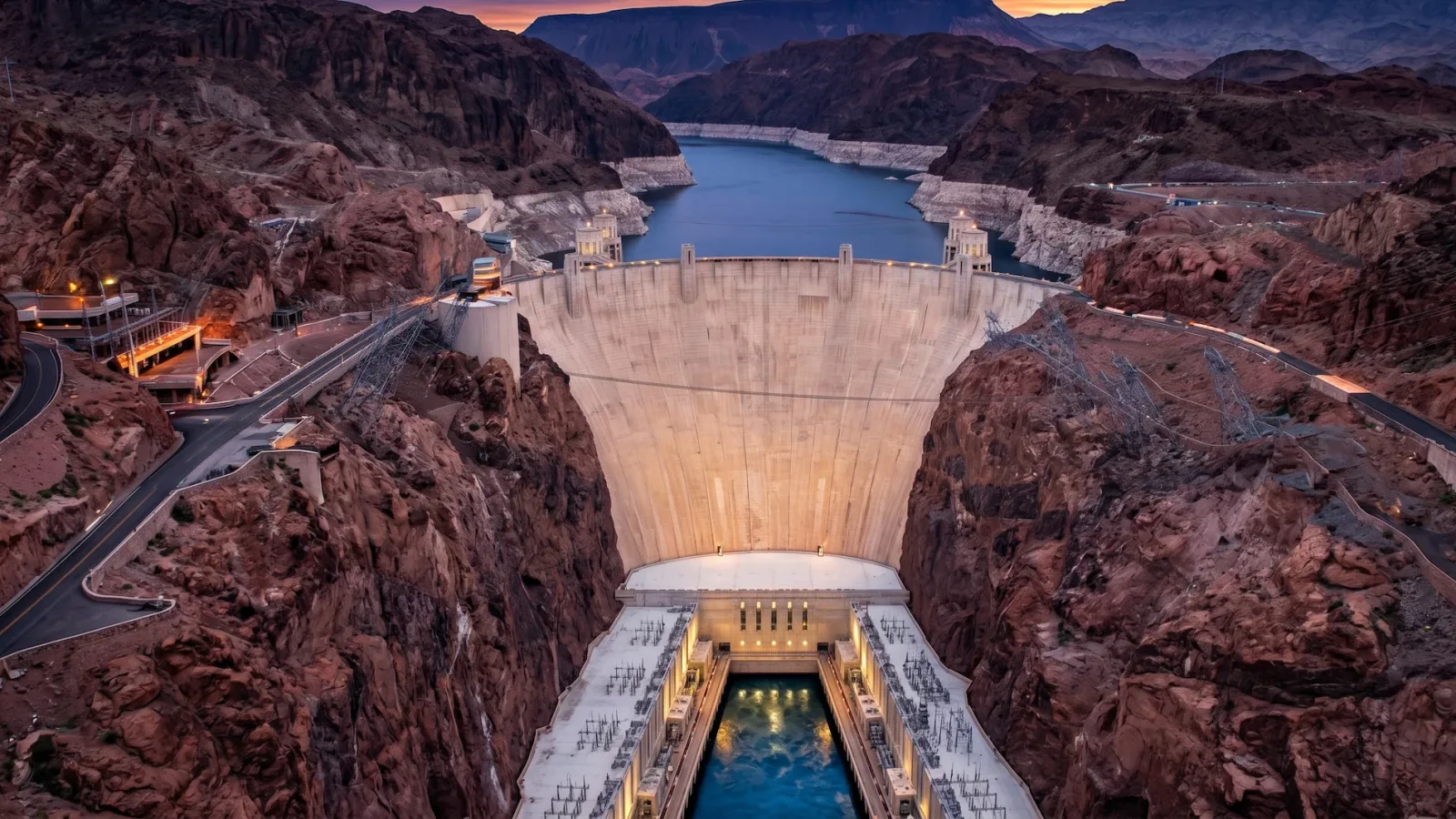
Hoover Dam Nevada/Arizona Border This massive concrete marvel required pioneering mechanical innovations just to cool the setting concrete and prevent catastrophic structural failure.
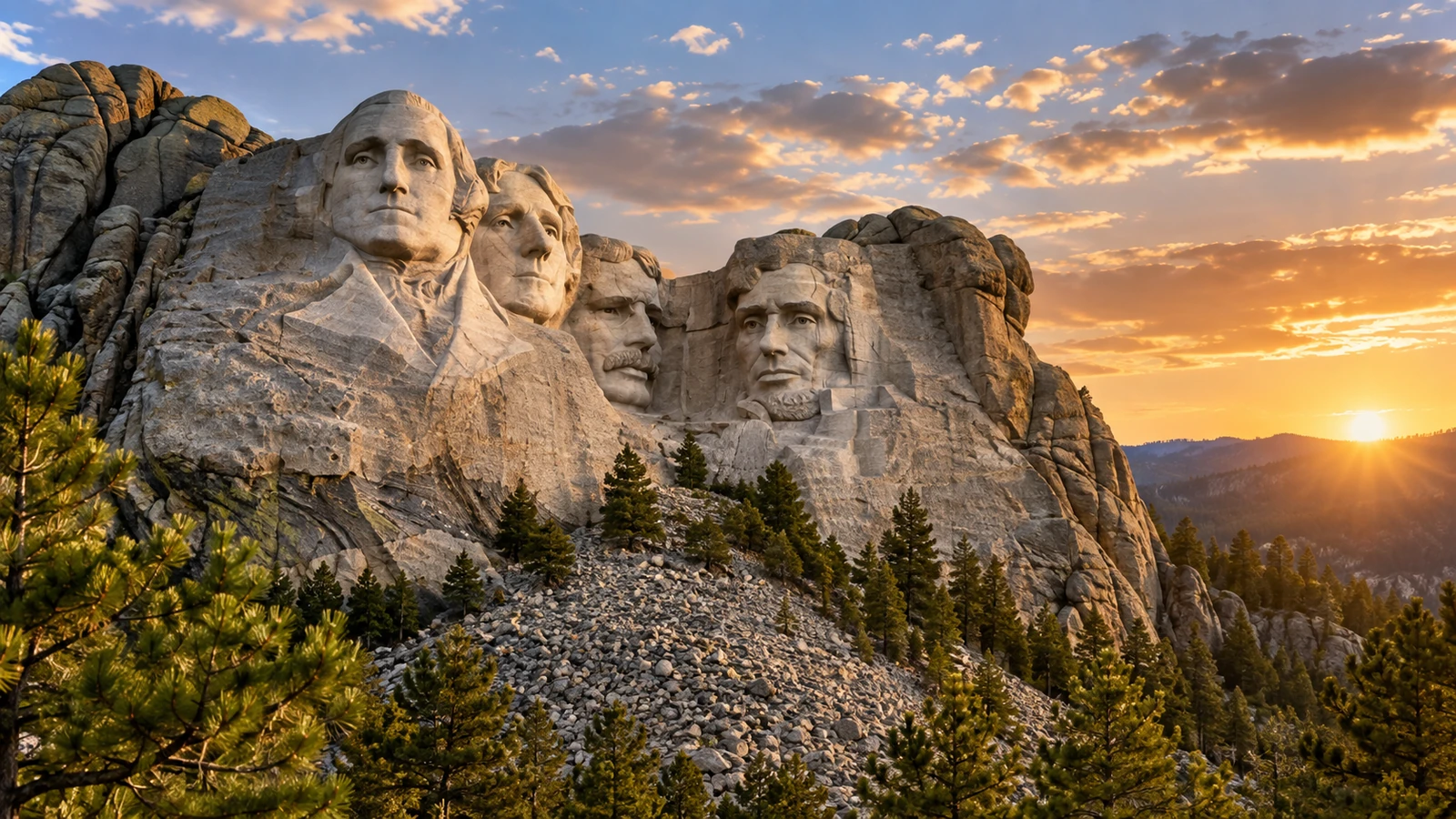
Mount Rushmore South Dakota A secret chamber intended to securely hold America's most important historical documents sits hidden behind the colossal granite faces.
United States National Quirks The federal government maintains massive subterranean cheese reserves securely hidden within midwestern limestone caves.
Grand Canyon Arizona Deep within the vast canyon walls, essential mail is still actively delivered to remote communities by rugged mule trains.
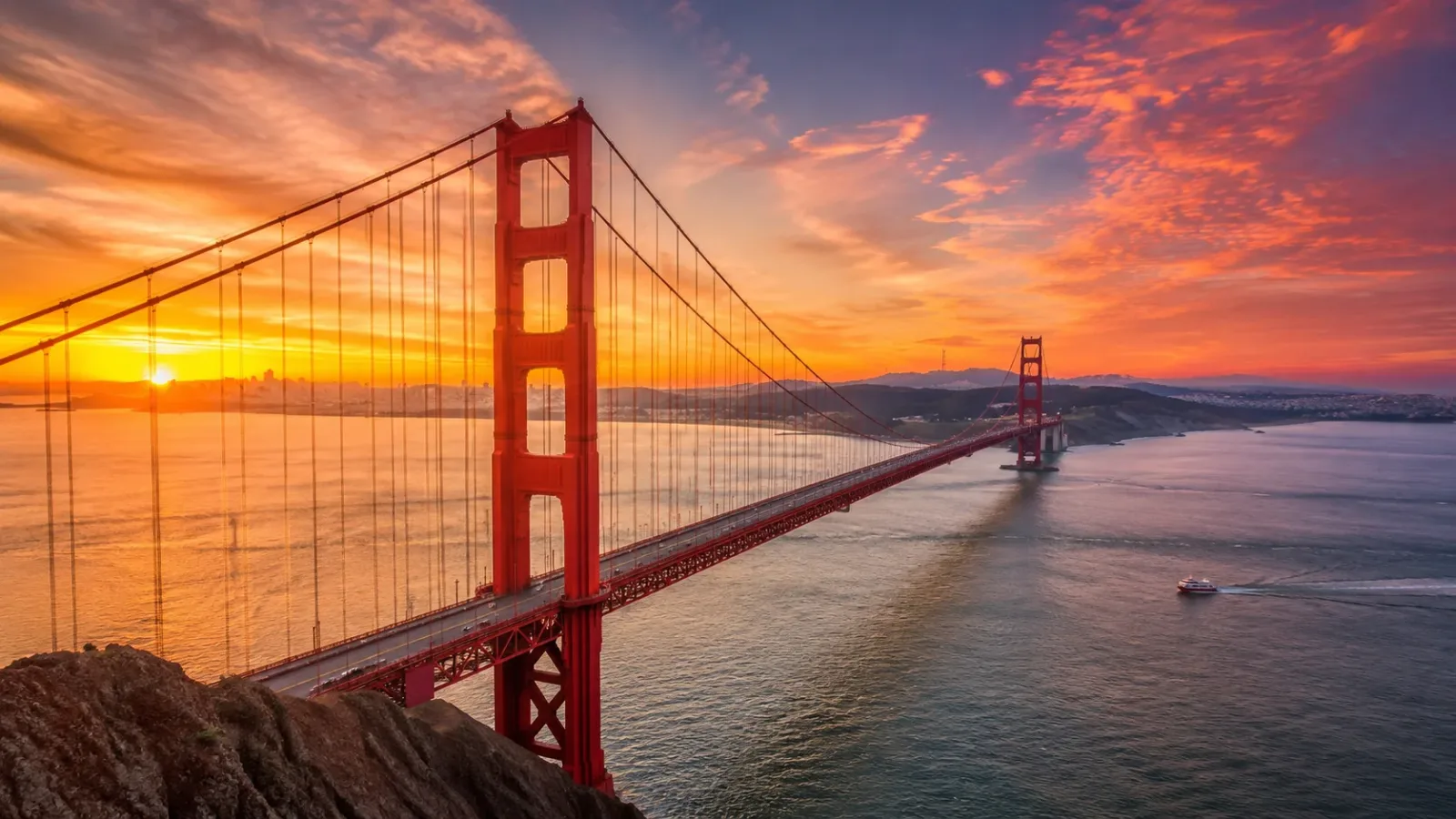
Golden Gate Bridge San Francisco Bitter military disputes and bizarre design proposals almost prevented the bridge from sporting its iconic international orange aesthetic.

Record holders

Deepest Geological History

~2 Billion Years

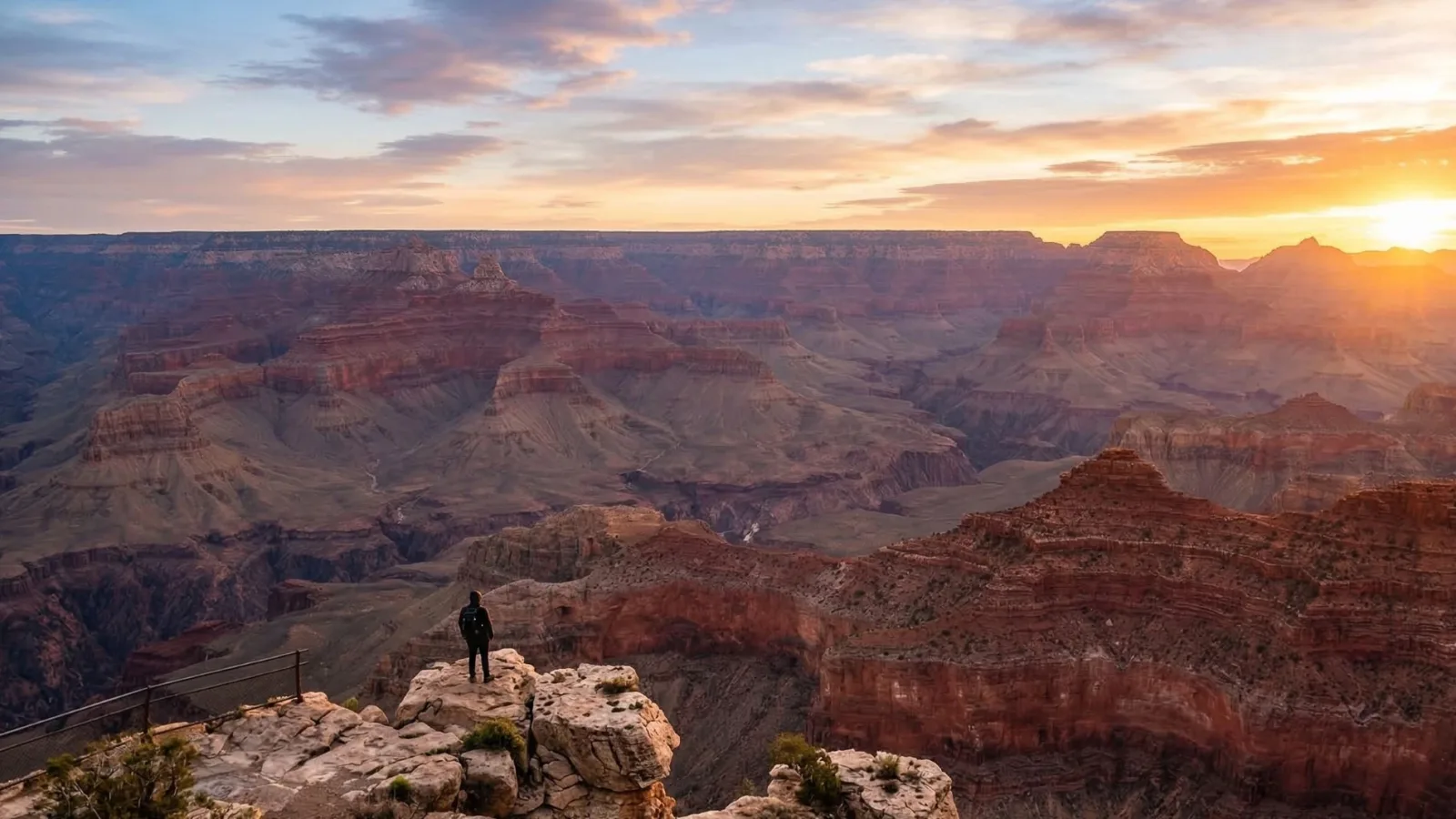
The vibrant stone walls of the Grand Canyon expose an immense, ancient timeline of Earth's evolution. Grand Canyon

Longest Classic Road Trip

2,448 Miles

At its peak, Route 66 stretched continuously across eight different states and three time zones. Route 66

Heaviest Burden

Sinking Metropolis

New York City's dense concentration of massive skyscrapers is physically compressing the earth beneath it. New York

All 10, one fact at a time

The Unyielding Metropolis: 15 Fascinating Facts About New York City

New York

Northeast Metropolis

New York City is globally recognized as an unstoppable powerhouse of culture and commerce, but its foundations hold secrets that rarely make the guidebooks. Beneath the bustling streets lies a forgotten pneumatic mail network and a unique species of ant found nowhere else on the planet. The city's physical geography is slowly shifting under the sheer density of its architecture. Meanwhile, its vast historical archives brim with centuries of hidden political machinations.

Read the full article →
The Neon Mirage: 15 Fascinating Facts About Las Vegas

Las Vegas

Nevada Desert

Las Vegas is synonymous with neon glitz and casino luxury, but its desert isolation has allowed it to operate under extraordinary rules since its inception. The city's history features secret flood tunnels hidden beneath the Strip, the legendary rescue of a massive corporate empire via a high-stakes blackjack game, and highly intentional psychological design meant to warp visitors' sense of time. It is a metropolis built entirely on illusion, calculated risk, and relentless reinvention.

Read the full article →
15 Fun and Surprising Facts About Orlando, Florida

Orlando

Central Florida

The modern perception of Orlando is dominated by its sprawling theme parks and massive family resorts. However, the city's original character was far grittier, built on a foundation of massive sinkholes, clandestine real estate acquisitions, and a thriving cattle industry. Uncovering this history reveals a wild landscape that contrasts sharply with the meticulously manicured vacation destination known today, representing one of the most dramatic civic transformations in American history.

Read the full article →
The Enigmatic Crescent City: 15 Fascinating Facts About New Orleans

New Orleans

Louisiana Coast

Nestled along the sweeping curves of the lower Mississippi River, New Orleans boasts a vibrant atmosphere fueled by jazz, Creole cuisine, and Mardi Gras opulence. Beneath this festive surface, however, lies an enigmatic history shaped by pirate heroes, underworld syndicates, and powerful cultural resilience. The city's environmental challenges and deeply diverse historical influences have created a magical southern metropolis that operates entirely on its own cultural frequency.

Read the full article →
The Storied Highway: 15 Fascinating Facts About Route 66

Route 66

Cross-Country Highway

Stretching across three time zones, Route 66 fundamentally altered the cultural and economic landscape of the American West. Originally serving as a vital migration artery during the harsh years of the Dust Bowl, it eventually transformed into the ultimate symbol of post-war automotive freedom. The highway incubated a completely new style of Americana, characterized by quirky motels, giant roadside sculptures, and communities built entirely around the passing motorist.

Read the full article →
15 Surprising Facts About Hoover Dam: An Engineering Wonder

Hoover Dam

Nevada/Arizona Border

Rising from a harsh desert environment, the Hoover Dam stands as a monumental testament to human ambition and sheer engineering willpower. Its construction was a perilous undertaking during the Great Depression, involving highly dangerous labor conditions and the invention of new construction techniques to conquer the unpredictable Colorado River. The resulting structure not only tamed devastating floods but also provided the essential water and power necessary to build the modern American West.

Read the full article →
The Granite Colossus: 15 Fascinating Facts About Mount Rushmore

Mount Rushmore

South Dakota

High in the Black Hills, Mount Rushmore is an intense blend of artistry and explosive engineering. Creating the massive granite portraits required fourteen years of dangerous work, marked by explosive mistakes and constantly shifting designs. The monument's history is deeply complex, rooted in broken treaties with indigenous populations and layered with surprising hidden details that visitors looking up from the viewing deck never get to see.

Read the full article →
The Unexpected Republic: 15 Fascinating Facts About the United States

United States

National Quirks

Textbooks often focus on the grand political narratives of the United States, but the country is defined just as much by its cultural and logistical anomalies. From an entire Alaskan municipality residing within a single high-rise building to a coal fire that has burned continuously underground for over half a century, the nation's geography is famously eccentric. Even monumental achievements, like the Apollo space program's spacesuits, relied on highly unexpected contributors, proving American ingenuity comes from the unlikeliest places.

Read the full article →
The Monumental Chasm: 15 Fascinating Facts About the Grand Canyon

Grand Canyon

Arizona

While the sweeping vistas of the Grand Canyon draw millions to its rim, the colossal chasm holds immense secrets completely out of sight. Carved over millions of years, its vibrant stone walls expose nearly two billion years of Earth's complex geological history. Beyond the sheer, breathtaking scale of the landscape, the canyon hosts hidden subterranean cave networks, highly unique endemic wildlife, and isolated outposts that still rely on nineteenth-century methods of communication.

Read the full article →
15 Unique Facts About the Golden Gate Bridge

Golden Gate Bridge

San Francisco

The Golden Gate Bridge is arguably California's most identifiable structure, renowned worldwide for its striking color and art deco pillars contrasting with the misty bay. Yet, the realization of this architectural marvel was fraught with contention, including fierce debates with the military over its visibility and strategic impact. Its history even includes a near-catastrophic anniversary celebration that saw the massive suspension bridge dramatically flatten under the weight of hundreds of thousands of pedestrians.

Read the full article →

Quiz: how much of that stuck?

7 questions, every answer is somewhere above.

American Cities and Landmarks 0 / 7

1. What highly unusual biological discovery is completely endemic to New York City?

2. What bizarre entertainment trend drew crowds to Las Vegas rooftops in the 1950s?

3. How is mail historically delivered to certain remote outposts at the bottom of the Grand Canyon?

4. What massive stockpile does the United States government hide inside subterranean midwestern caves?

5. What near-disaster occurred during a major anniversary celebration of the Golden Gate Bridge?

6. What is secretly hidden out of sight behind the massive carved faces at Mount Rushmore?

7. What rugged profession heavily defined Orlando's regional culture long before the arrival of major theme parks?

Frequently asked

Why is the Golden Gate Bridge painted orange?

The iconic 'International Orange' color was originally intended as a primer, but consulting architect Irving Morrow successfully campaigned to keep it because it perfectly complemented the natural surroundings and highly improved visibility for passing ships in the dense San Francisco fog.

Is Route 66 still a drivable highway today?

While Route 66 was officially decommissioned as a United States Highway in 1985, roughly 85% of its original alignment is still drivable. It is heavily preserved by state governments and enthusiasts as 'Historic Route 66'.

How long did it take to construct Mount Rushmore?

The massive sculpture took 14 years to complete, from 1927 to 1941. Despite the extensive use of dynamite and highly dangerous conditions suspending workers high on the granite cliff faces, no workers died during its construction.

Why are the cemeteries in New Orleans built above ground?

Due to the city's extremely high water table and its location at or below sea level, traditional underground burials would frequently result in caskets floating to the surface during heavy rains and floods. The city adapted by building ornate, above-ground stone tombs.

Does the Colorado River still flow through the Grand Canyon?

Yes, the Colorado River continues to actively flow through and slowly erode the bottom of the Grand Canyon today, though its flow is heavily regulated by human engineering projects upstream, primarily the Glen Canyon Dam.

Keep going

Enjoyed these facts? There's more! 💌

Fresh fun facts in your inbox. No spam, ever.