Travel
European Cities
Fifteen European cities, from Paris, Amsterdam, Berlin and Prague to Athens, Lisbon, Vienna, Budapest and the tiny Alpine village of Hallstatt, with the hidden history and urban quirks most visitors miss.
Updated November 3, 2026
·
15 items
·
225 facts in the linked articles
·
Reading time 4 min
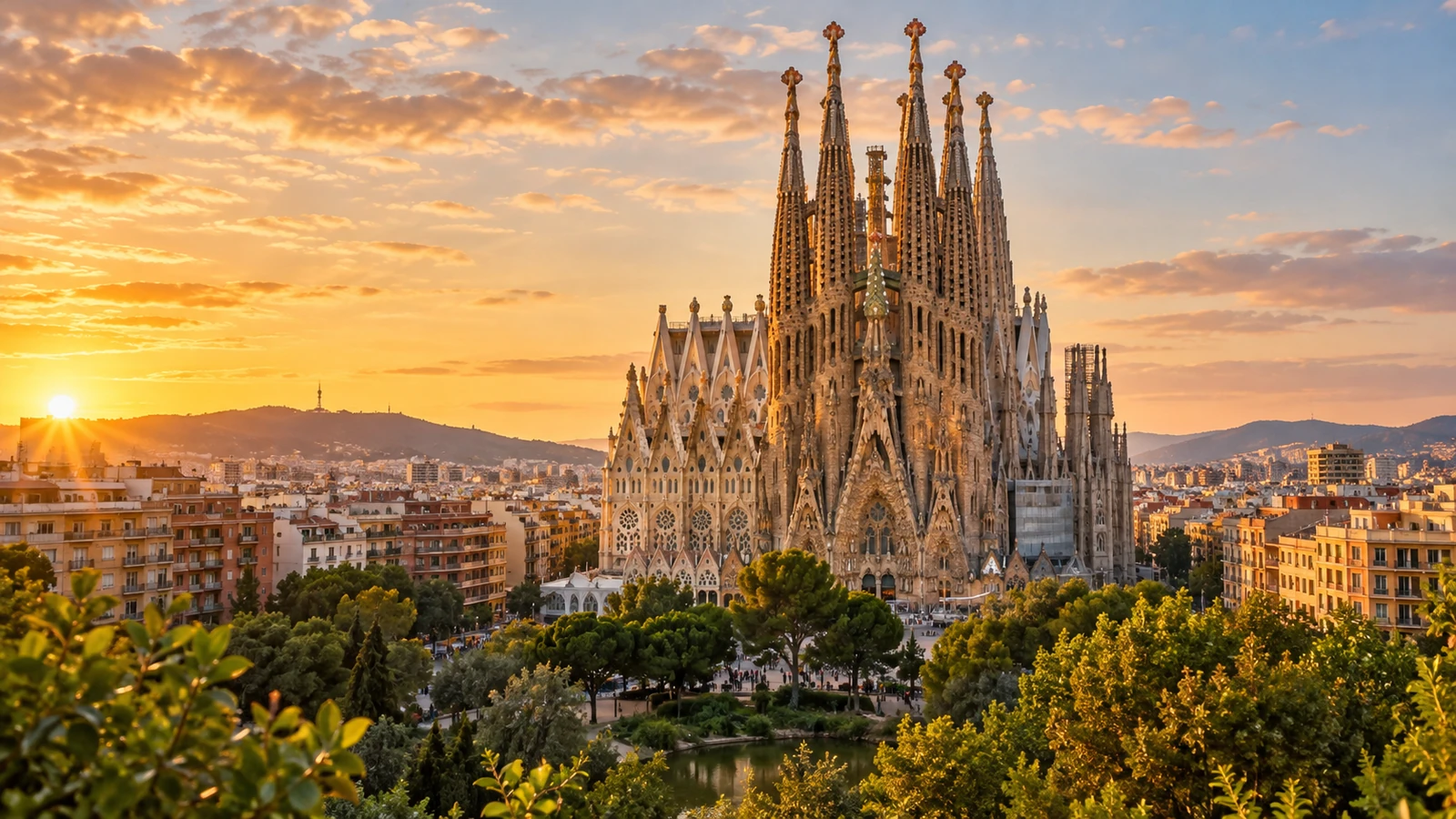
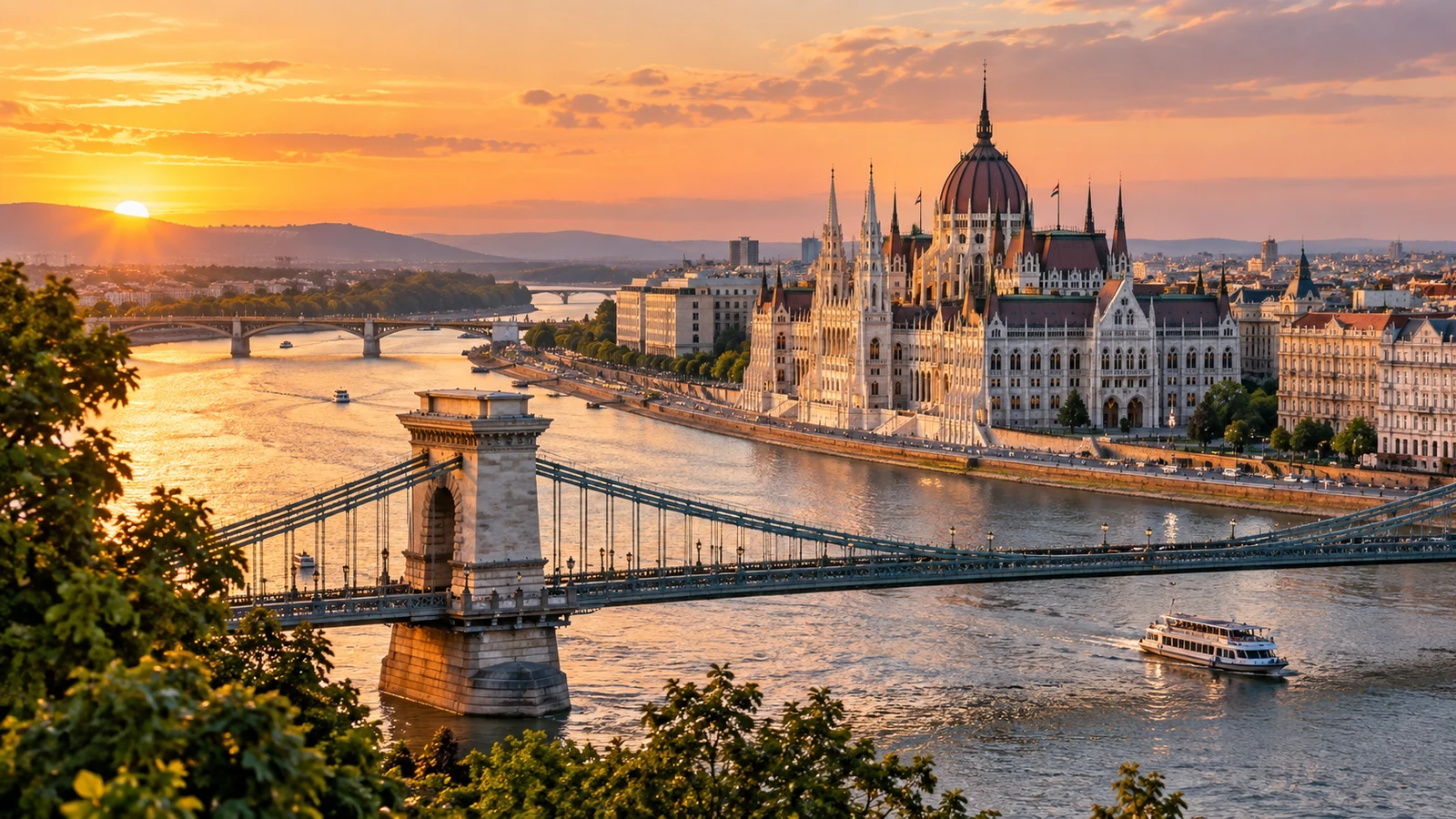
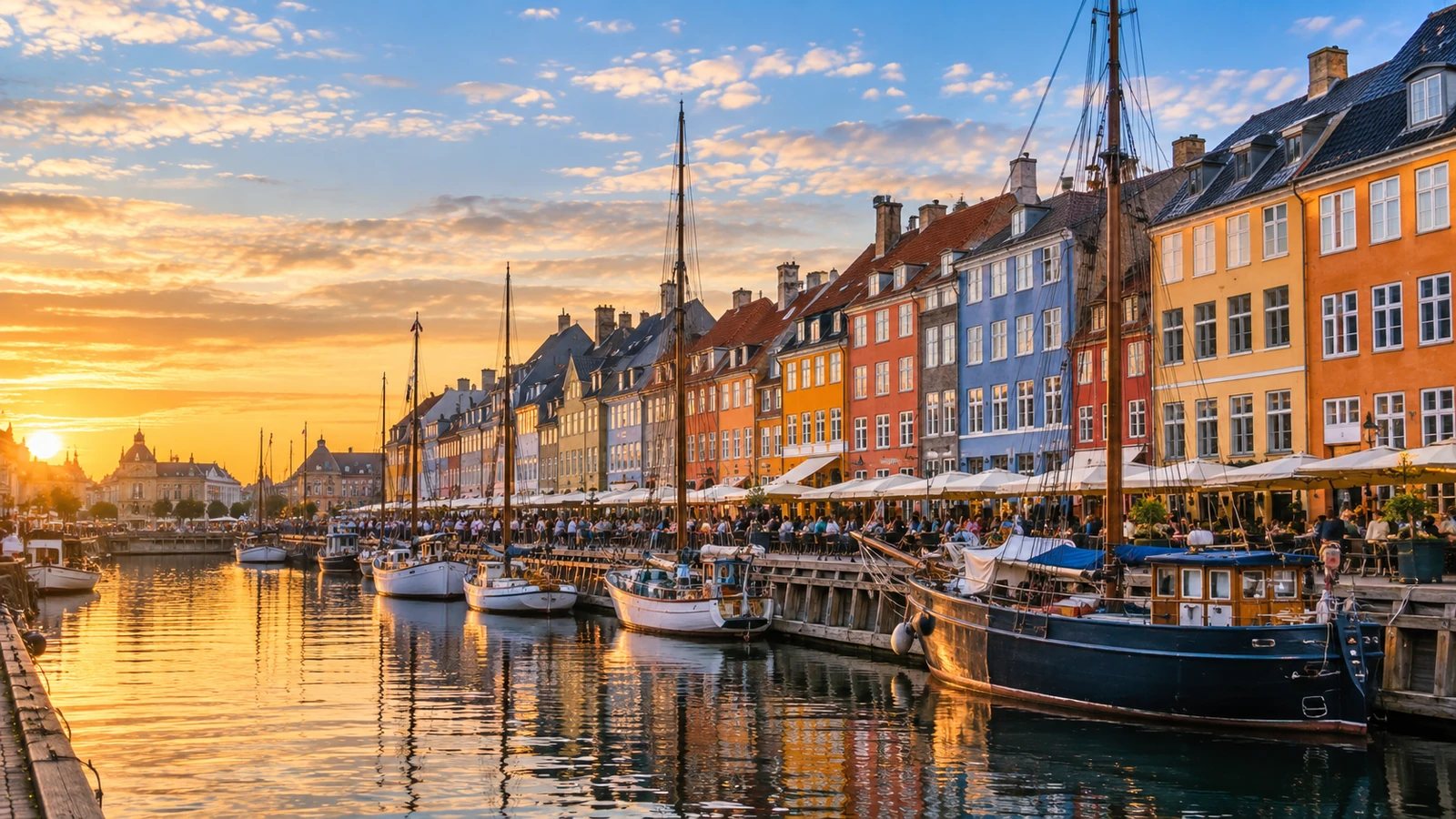
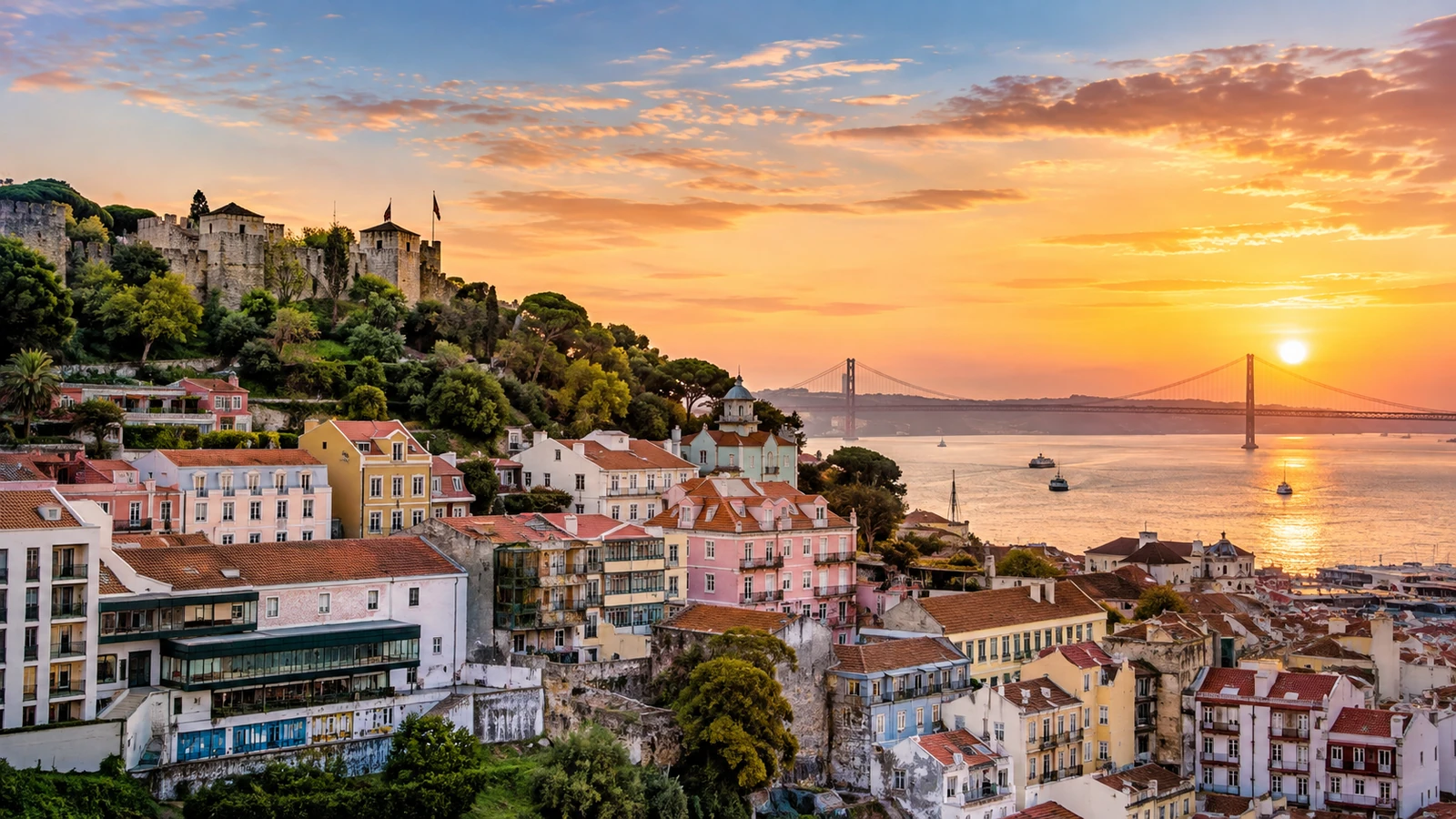
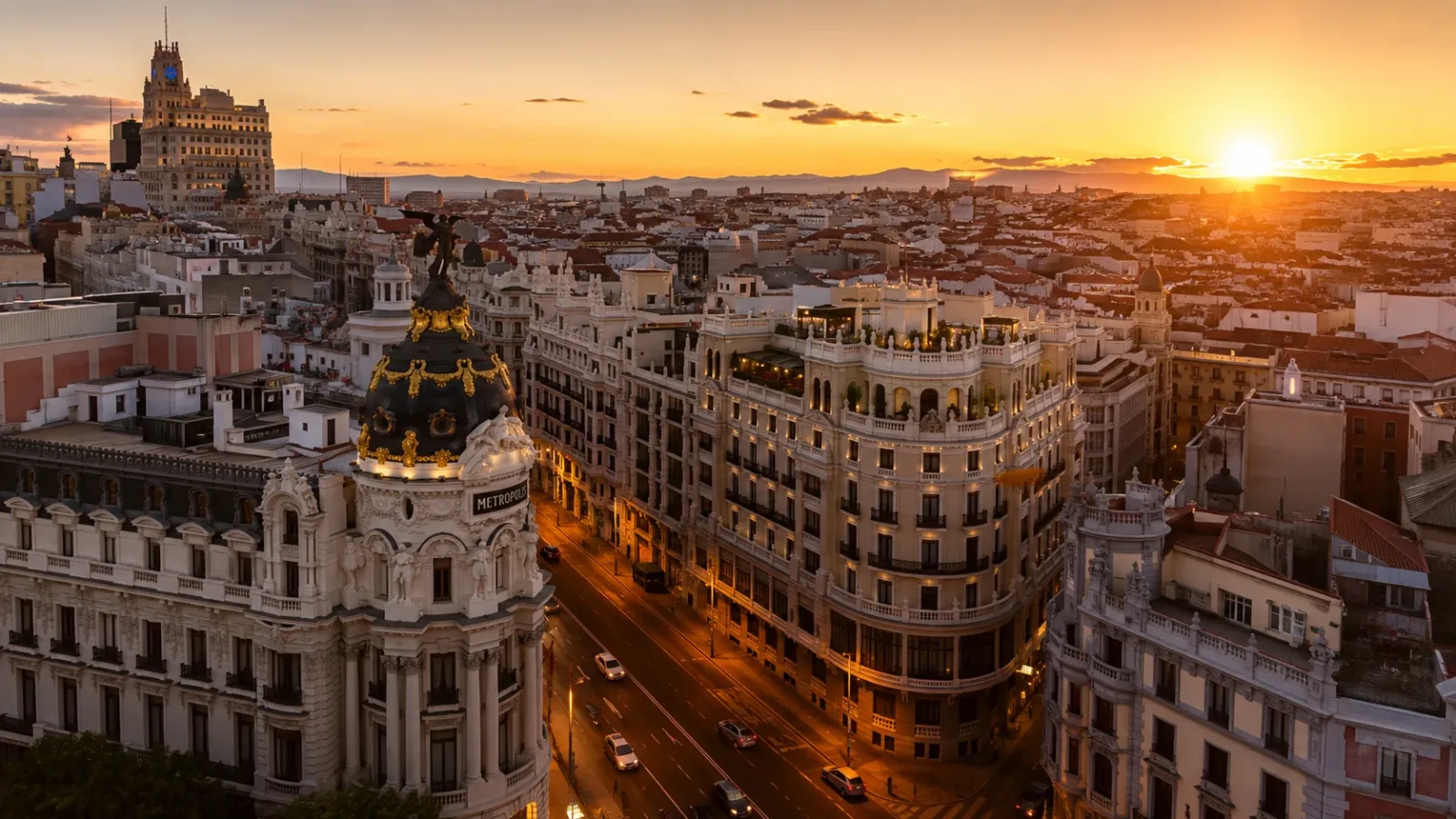
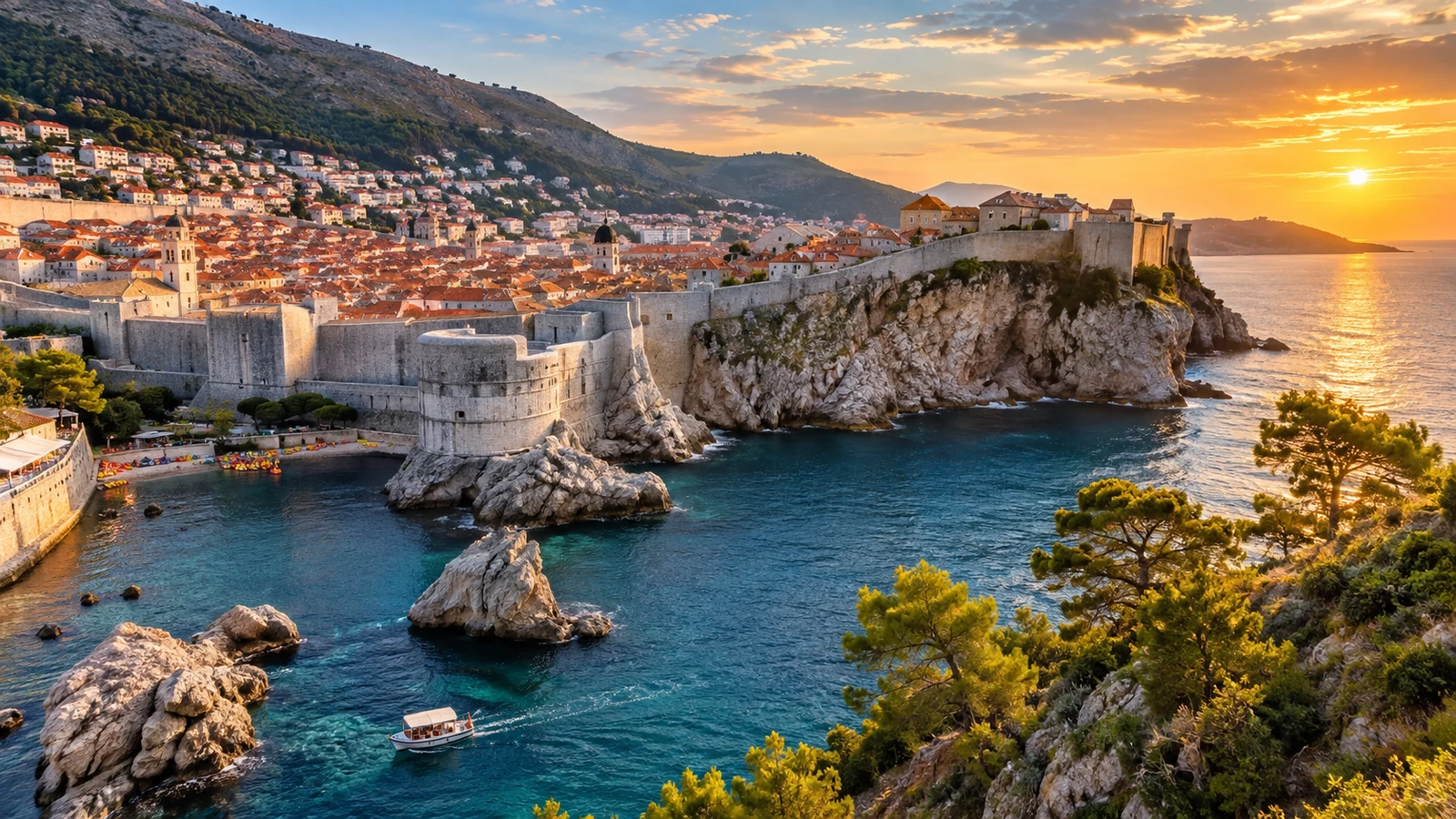
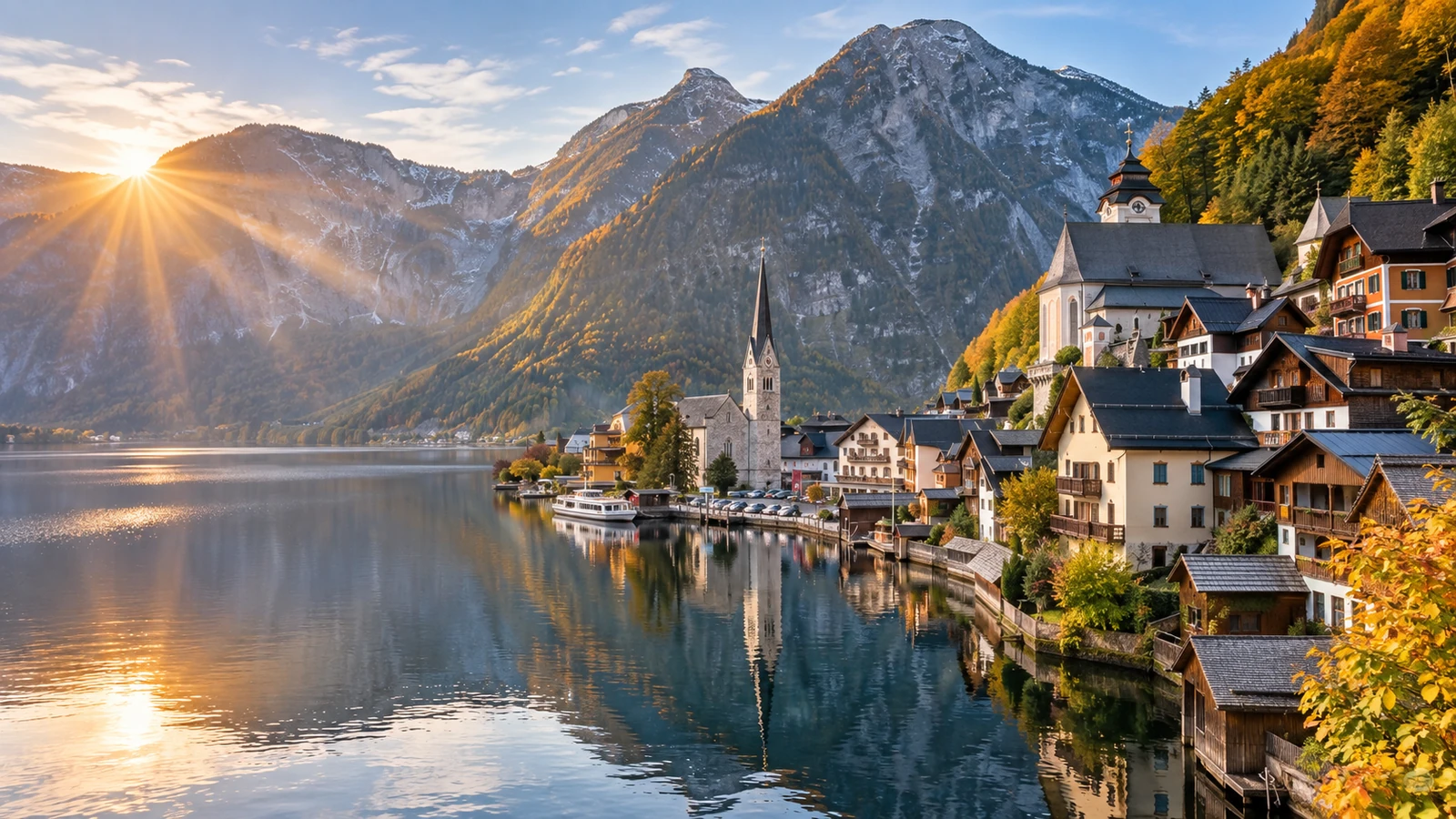
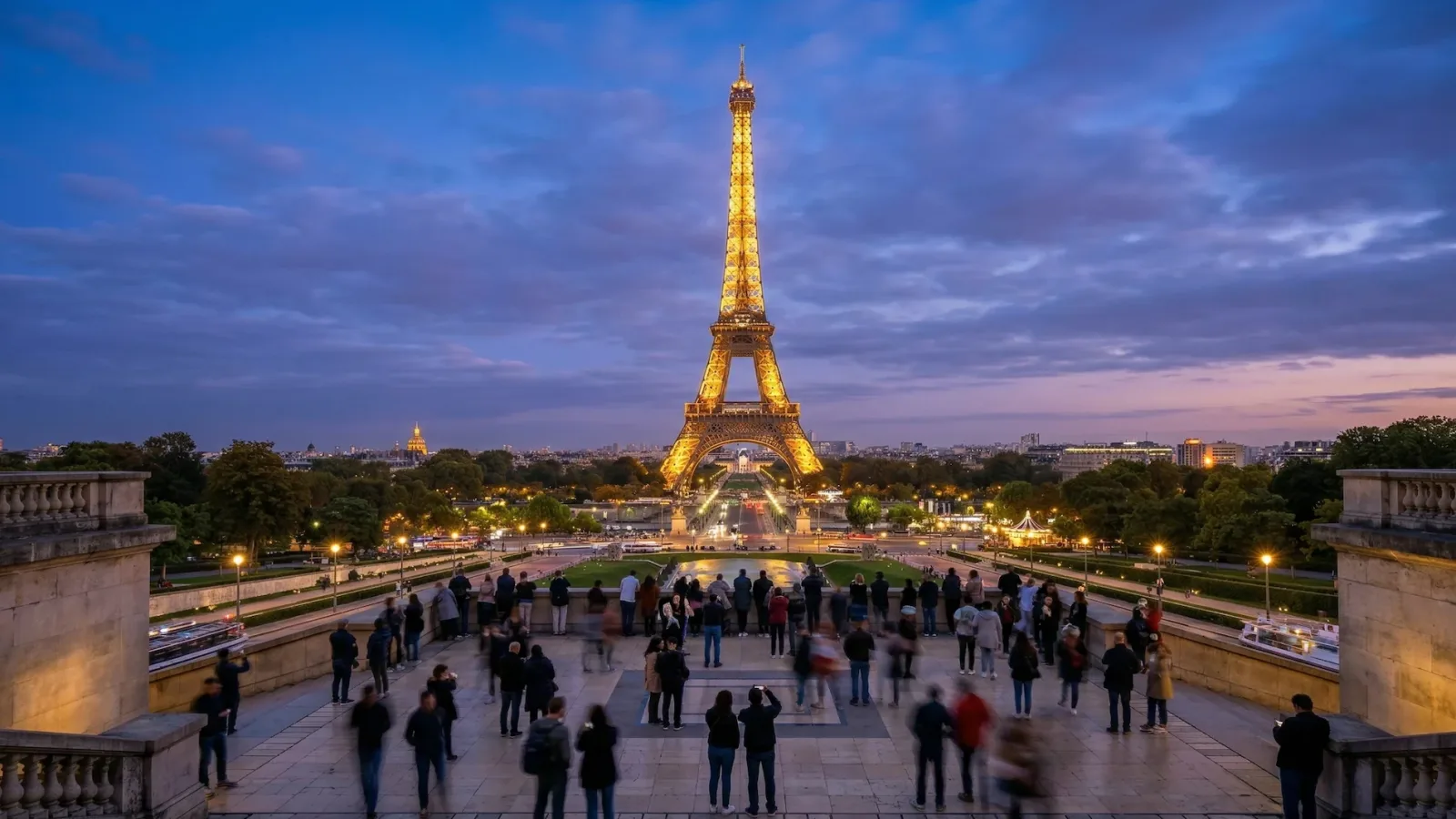
Europe's cities pack thousands of years of history into a few square kilometres, and every one of them hides stories that guidebooks leave out. This collection visits fifteen of them: the capitals Paris, Amsterdam, Berlin, Prague, Vienna, Budapest, Warsaw, Copenhagen, Lisbon, Madrid, Athens and Reykjavík, plus Barcelona, the walled Croatian city of Dubrovnik and the Austrian lakeside village of Hallstatt.
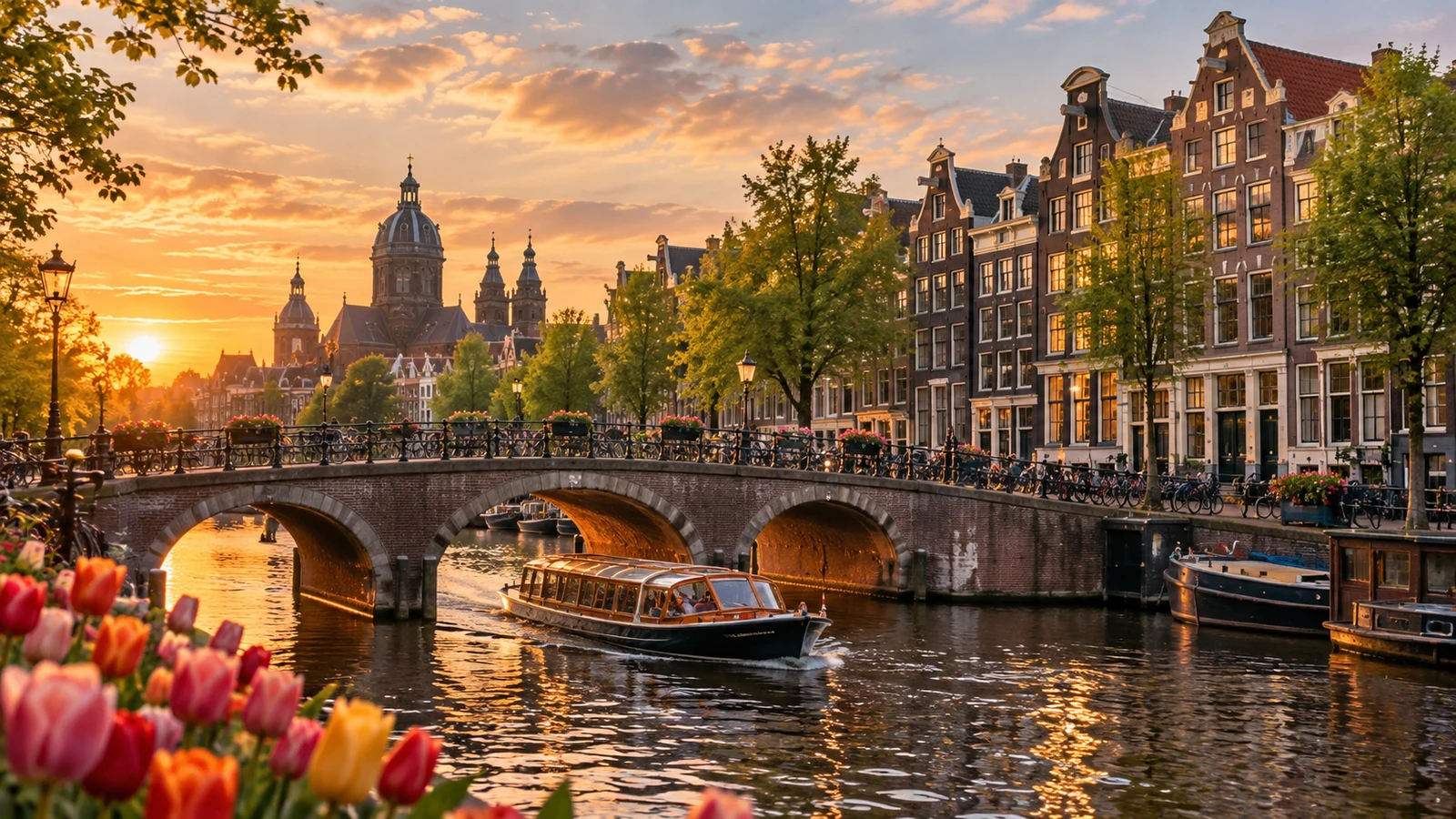
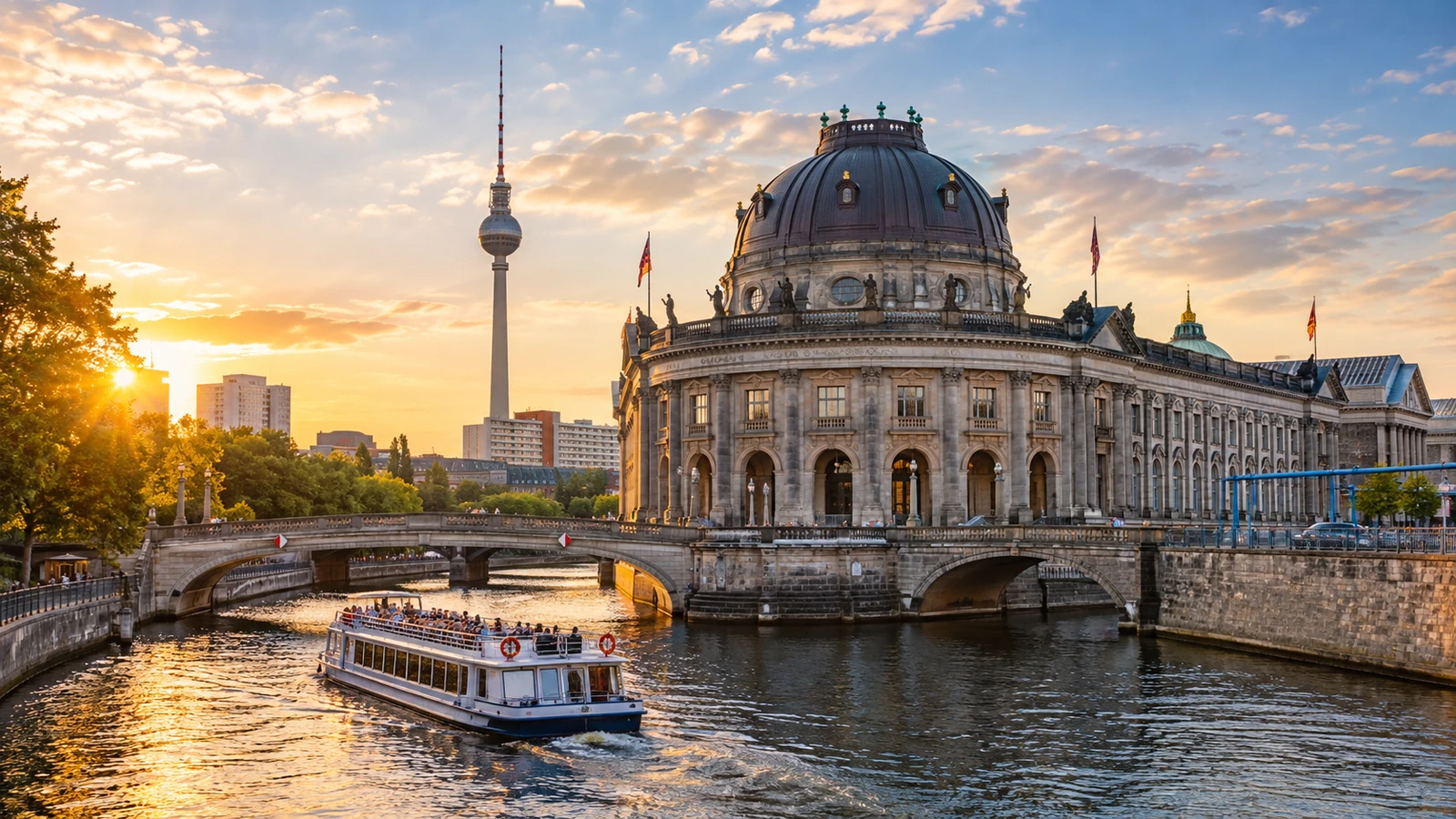
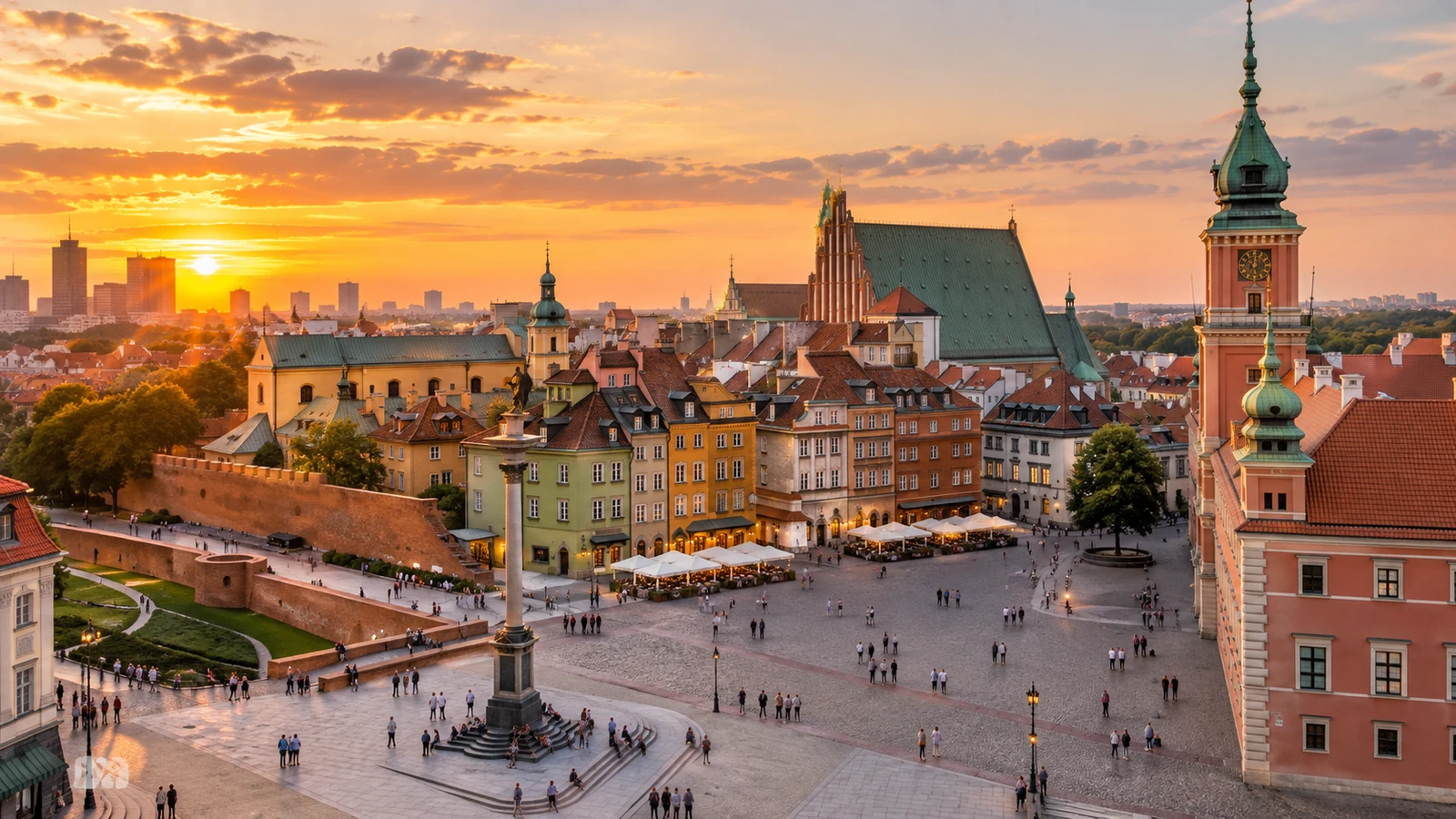
Many of them are engineering marvels. Amsterdam stands on millions of wooden poles and has more canals than Venice, Lisbon was rebuilt after 1755 on one of history's first earthquake-resistant grids, and Budapest opened continental Europe's first underground railway. Berlin has more bridges than Venice, and Warsaw was rebuilt so faithfully after being levelled in World War II that it became a UNESCO World Heritage Site.
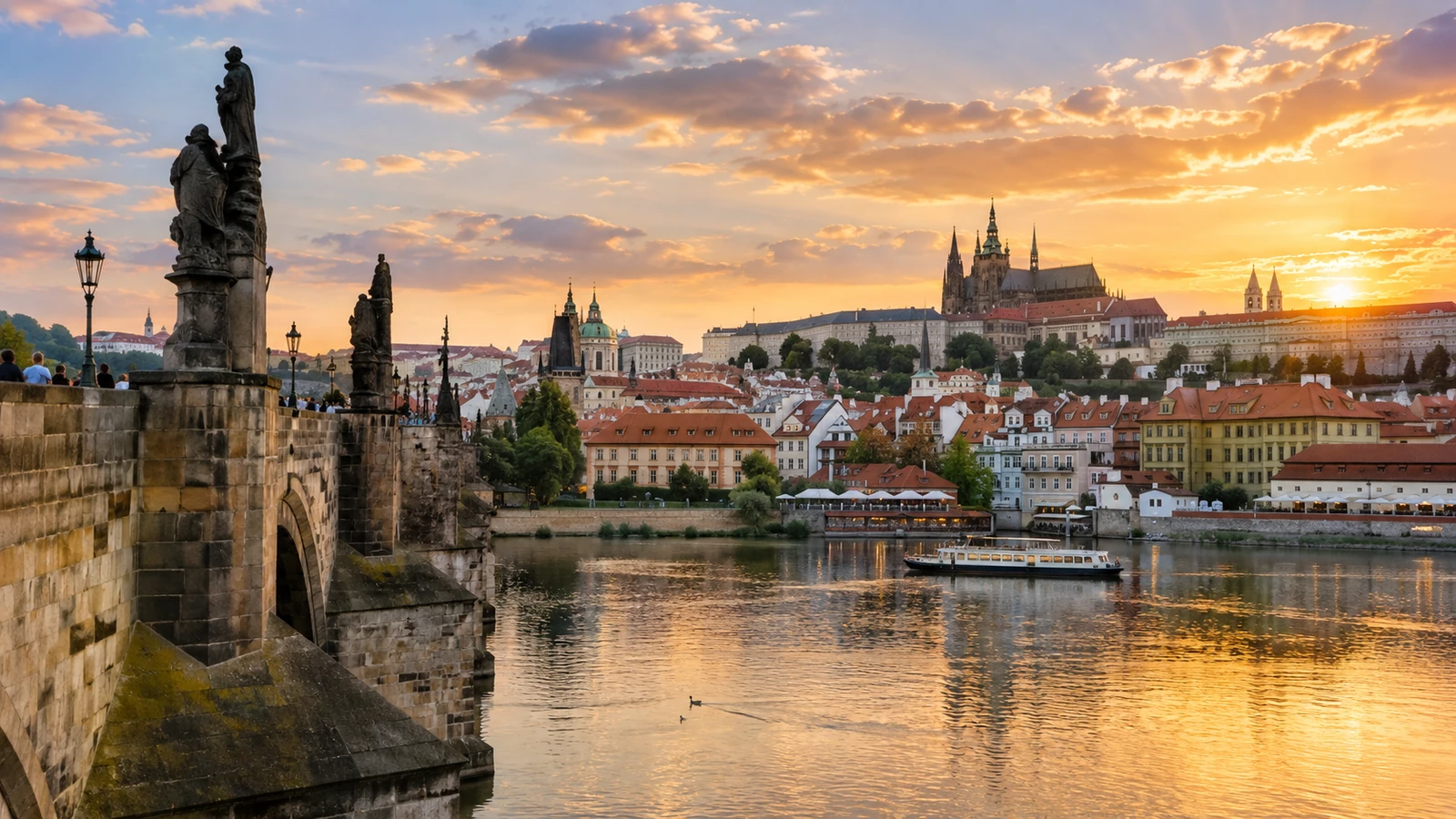
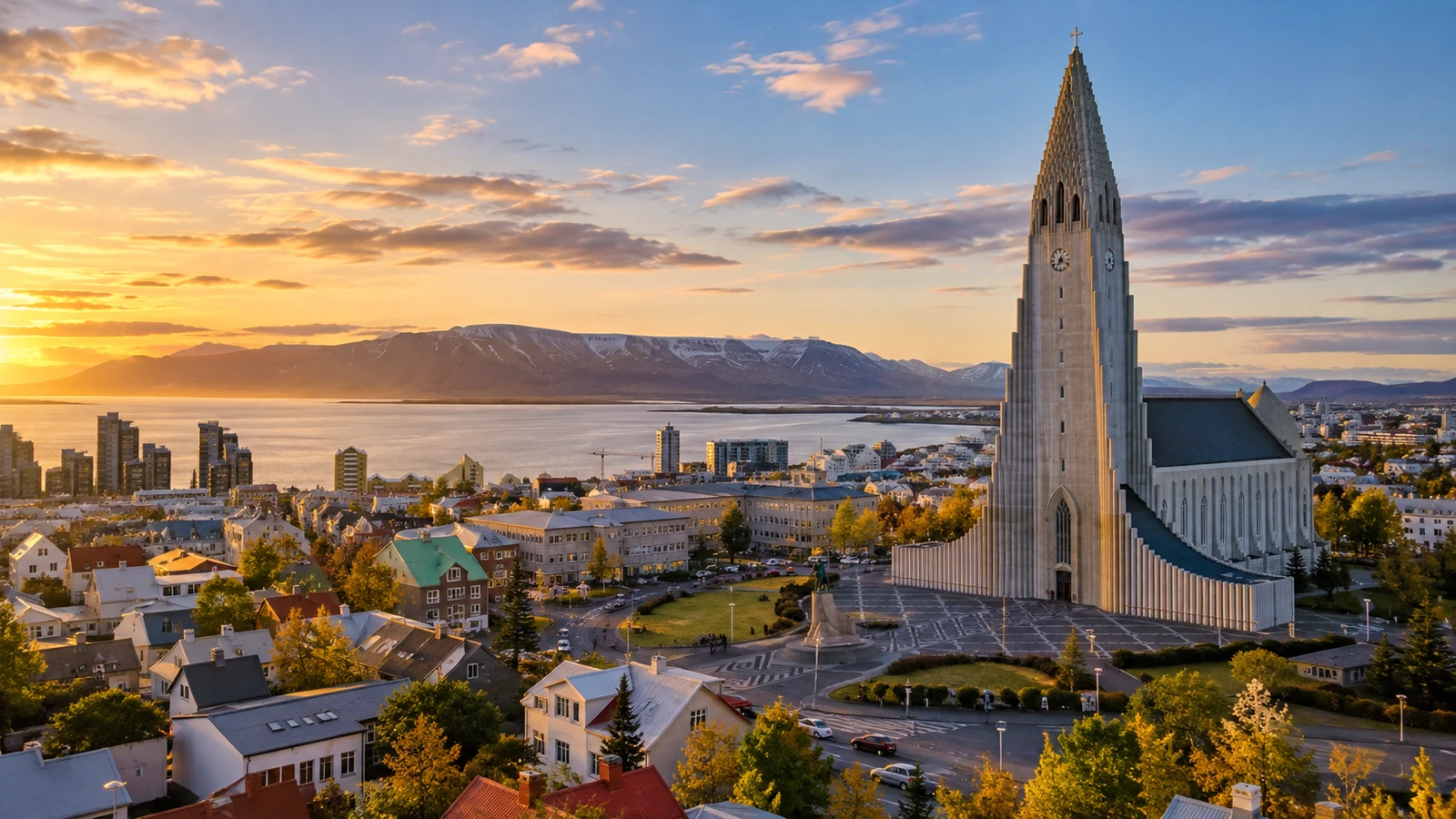
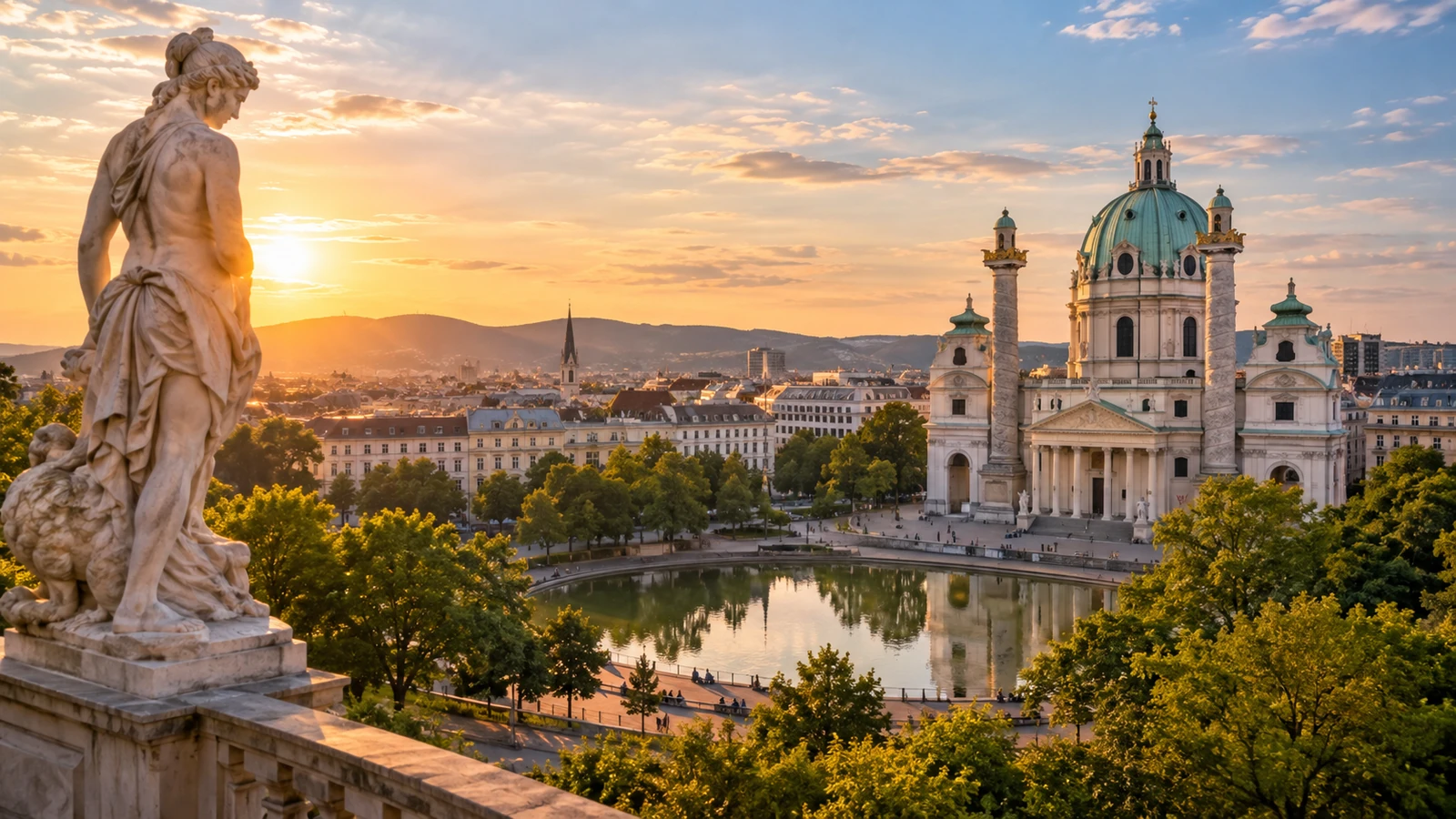
Their quirks are just as memorable. Paris has no stop signs and once built a fake decoy city to fool German bombers, Prague's Charles Bridge is said to be held together with eggs, Madrid is home to the world's oldest restaurant, and Copenhagen's Tivoli Gardens inspired Walt Disney. Reykjavík has no McDonald's, Vienna claims the croissant and the snow globe, and Hallstatt is so picturesque that China built a full-scale copy.
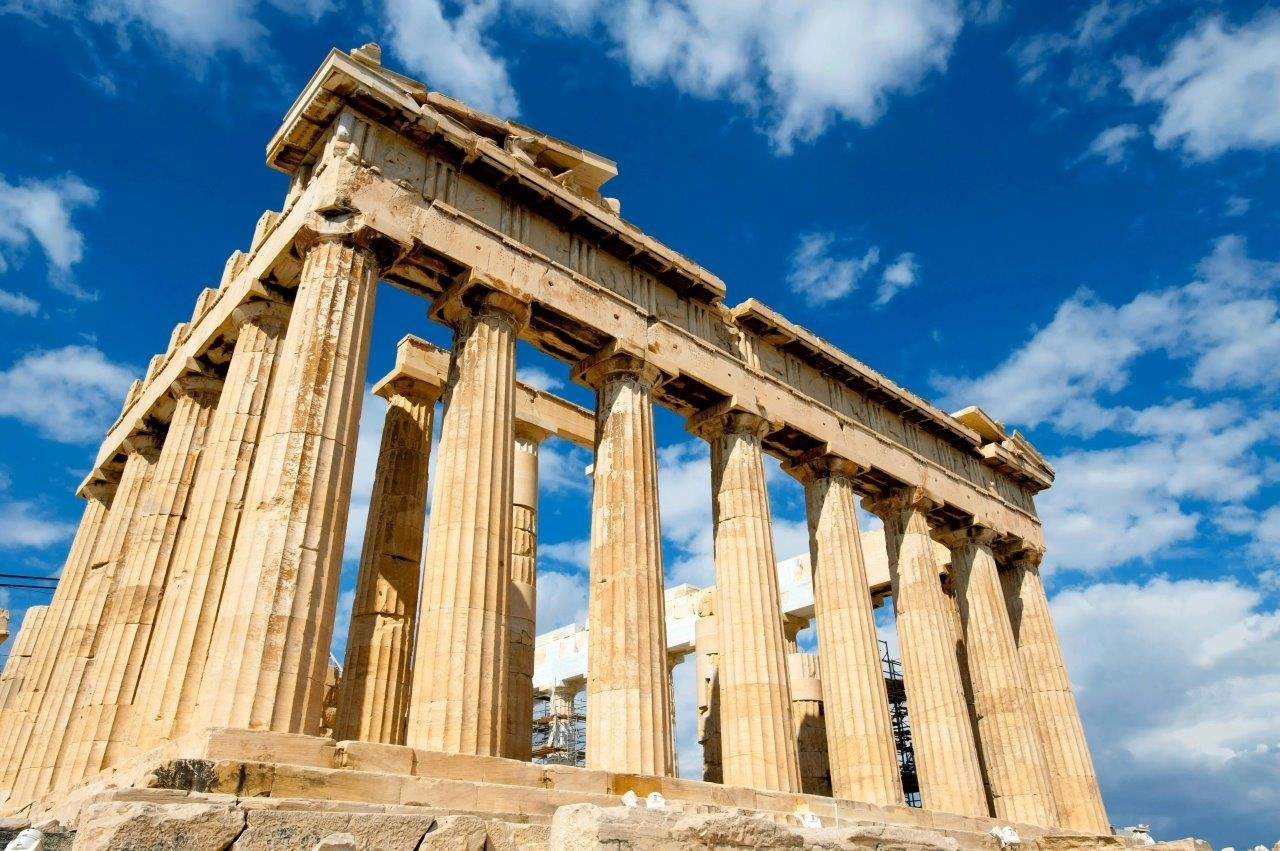
Some of these cities are very old: Athens has been inhabited for more than 3,400 years, Lisbon is older than Rome, and Hallstatt's salt mine has been worked for 7,000 years. Choose a city below to read fifteen facts about it.