15 Fun Facts
History

Philosophers Through the Ages

From wrestling rings and pirate kidnappings to sword duels and secret brotherhoods, the greatest thinkers in history led lives as dramatic as their ideas. Explore the surprising human stories behind the brilliant minds who shaped Western and Eastern philosophy.

Updated 22 September 2026 · 19 items · 285 facts in the linked articles · Reading time 6 min

When we think of history's greatest philosophers, it is easy to picture marble busts and quiet libraries. We imagine solitary geniuses contemplating the universe, untouched by the messiness of everyday existence. Yet, the reality of how these foundational thinkers actually lived is far more colorful, dangerous, and deeply human than their towering intellectual reputations might suggest.

What connects these towering figures is not just their brilliance, but the extraordinary circumstances that forged their ideas. You will find that the father of classical liberalism performed pioneering surgeries and fled treason charges, while the architect of modern geometry ran a secretive cult with bizarre dietary restrictions. From dodging artillery shells on the front lines to writing hit operas or rigorously grinding optical lenses to survive excommunication, these minds operated at the volatile intersection of revolutionary thought and dangerous realities.

Understanding the person behind the prose illuminates the philosophy itself. Knowing that history's most famous pessimist harbored a deep affection for his pet poodles, or that an absurdist Nobel laureate spent his youth as an elite soccer goalkeeper, adds vital flavor to their profound observations on human existence. Their philosophical systems were not born in a vacuum; they were forged in the crucible of poverty, exile, warfare, and dramatic personal rivalries.

Whether you are curious about the ancient foundations of democracy, the sparks of the Enlightenment, or the rebellious rise of existentialism, these individual stories offer a fascinating lens into the evolution of human thought. Dive into the list below to discover the surprising truths, fierce eccentricities, and enduring legacies of the philosophers who defined how we understand the world.
The short version

Every item on this page, with the one fact most people get wrong about it.

Name Where you'll meet it The fact worth knowing
Aristotle Ancient Greece He personally tutored a young Alexander the Great before his royal pupil conquered the known world.
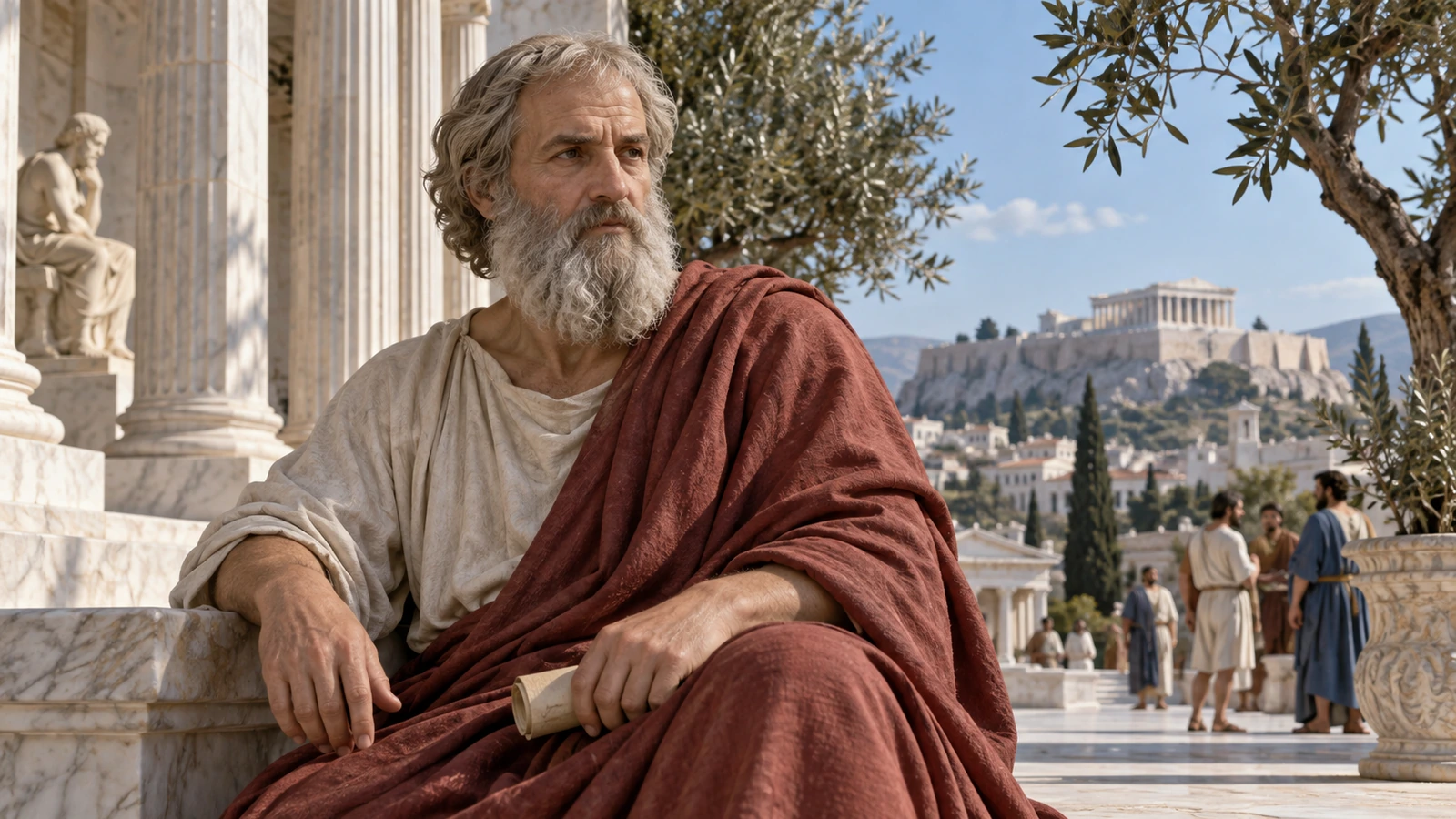
Plato Ancient Greece The revered founder of Western political thought was once kidnapped by pirates and had a background as a competitive wrestler.
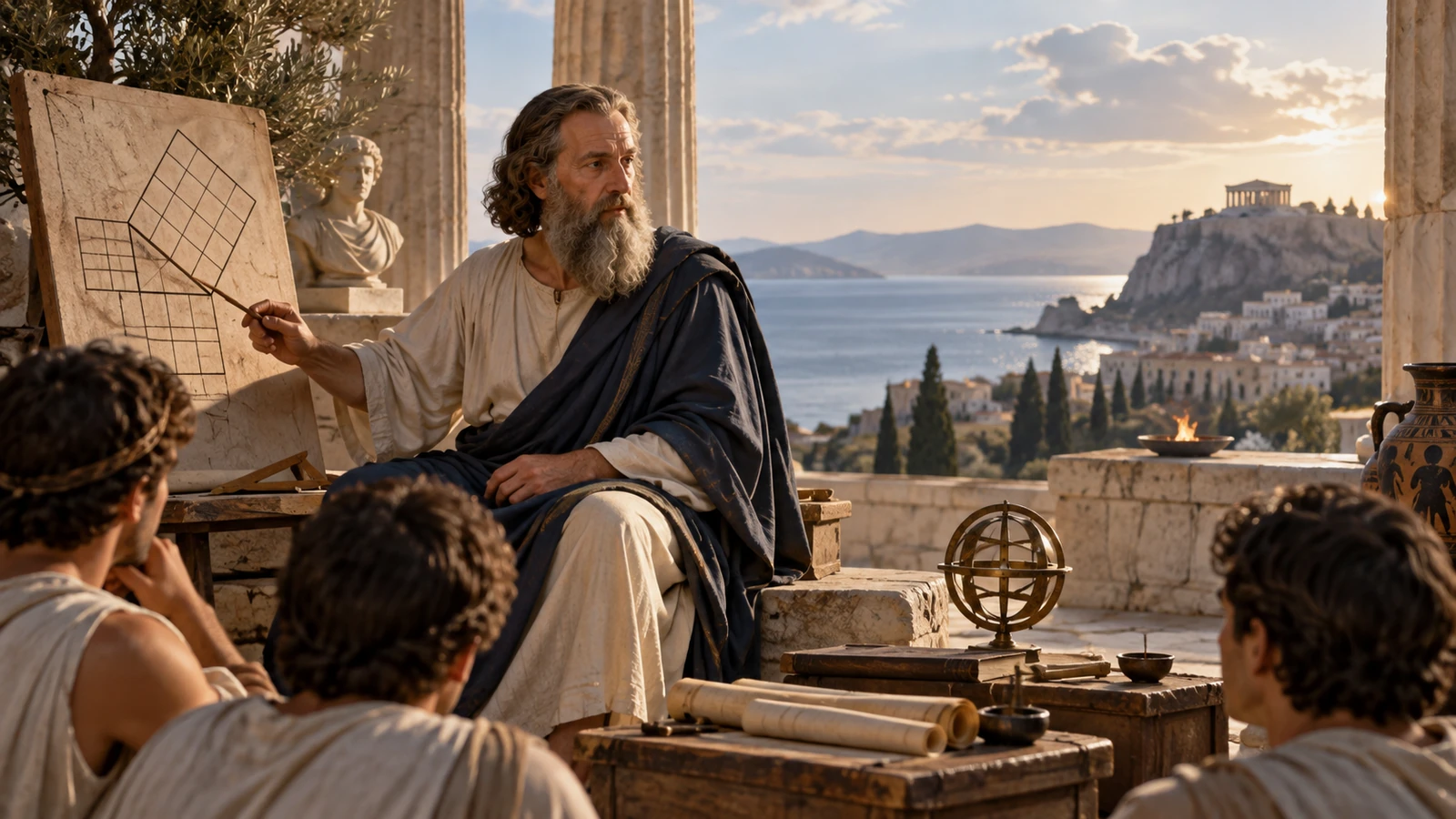
Pythagoras Ancient Italy & Greece The father of modern geometry led a secretive cult that strictly banned the consumption of fava beans.
Confucius Ancient China Long before becoming East Asia's ultimate moral philosopher, he was a homeless political exile and a granary keeper.
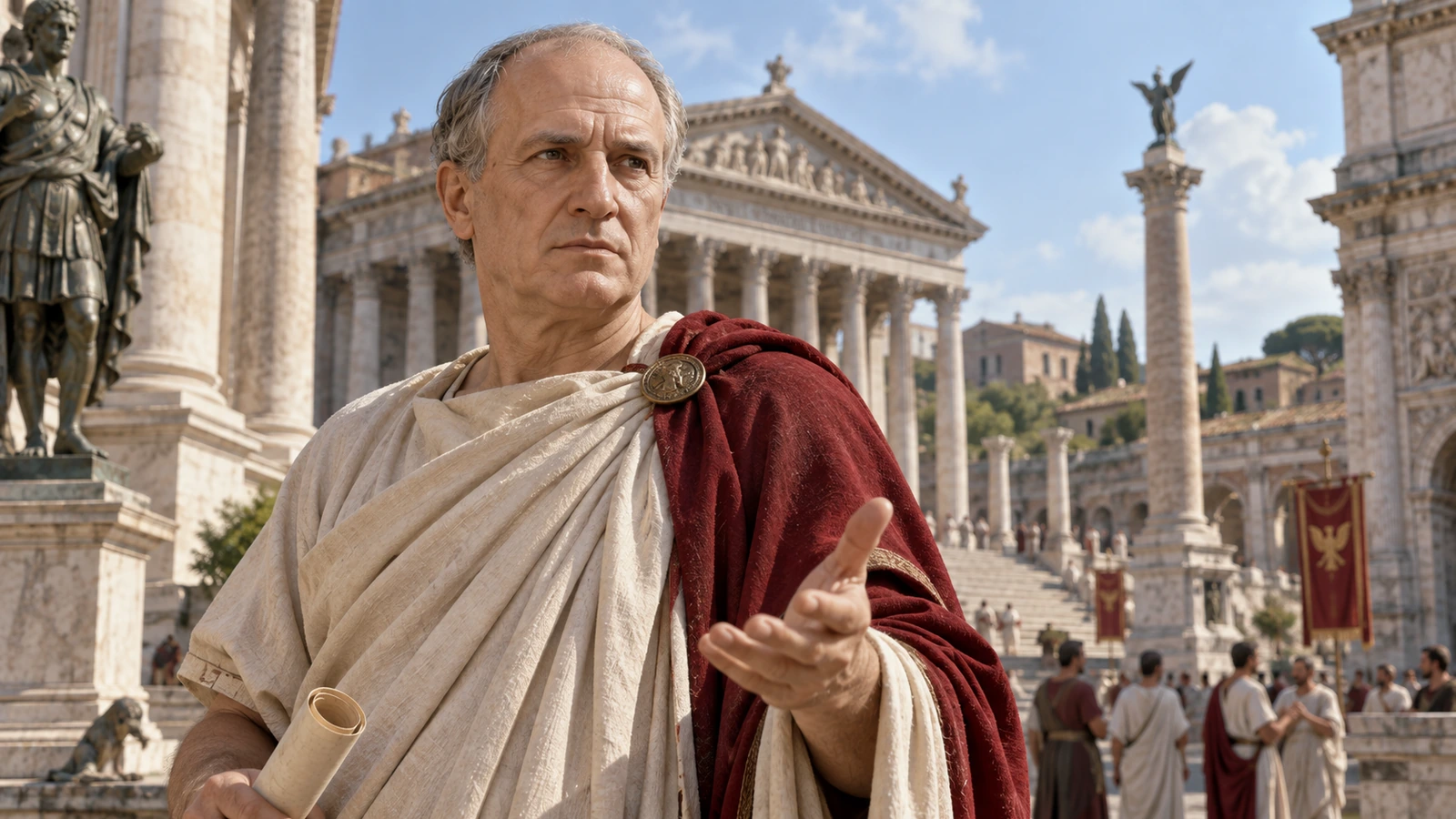
Cicero Ancient Rome Rome's master orator pioneered world-changing shorthand systems while uncovering deadly political conspiracies.
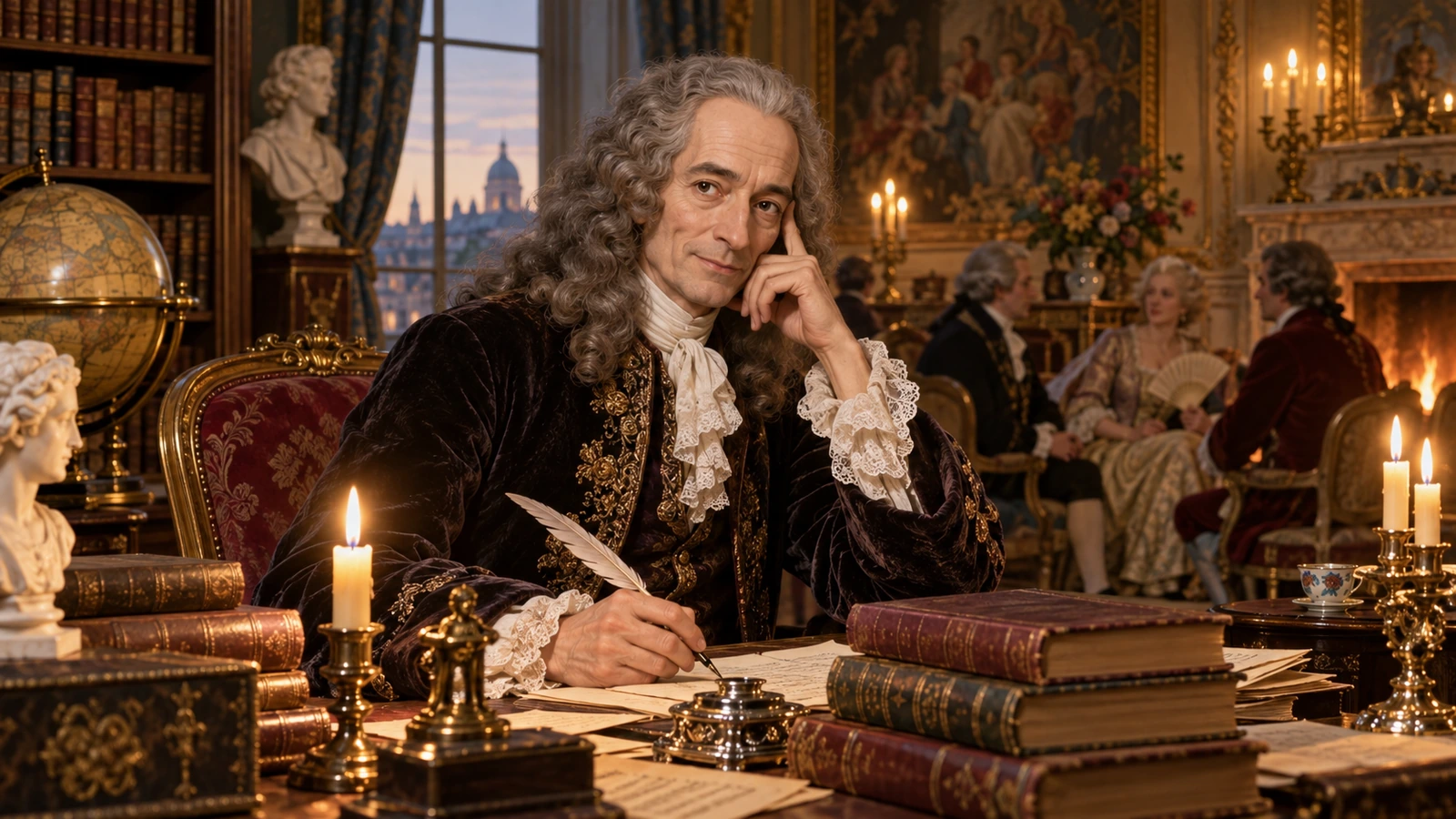
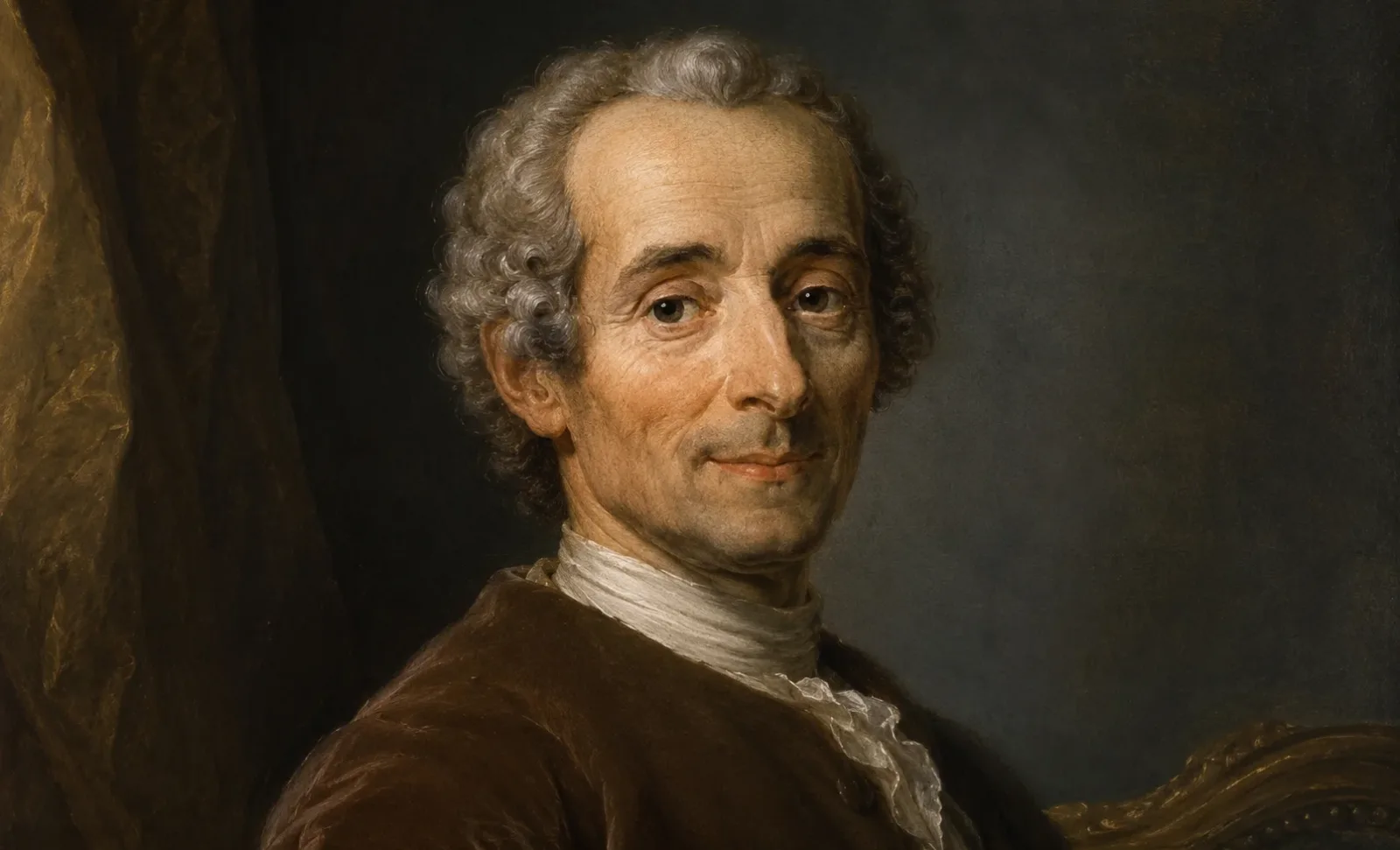
Voltaire Enlightenment France The sharp-witted champion of civil liberties rigged the national lottery and worked as a spy for kings.
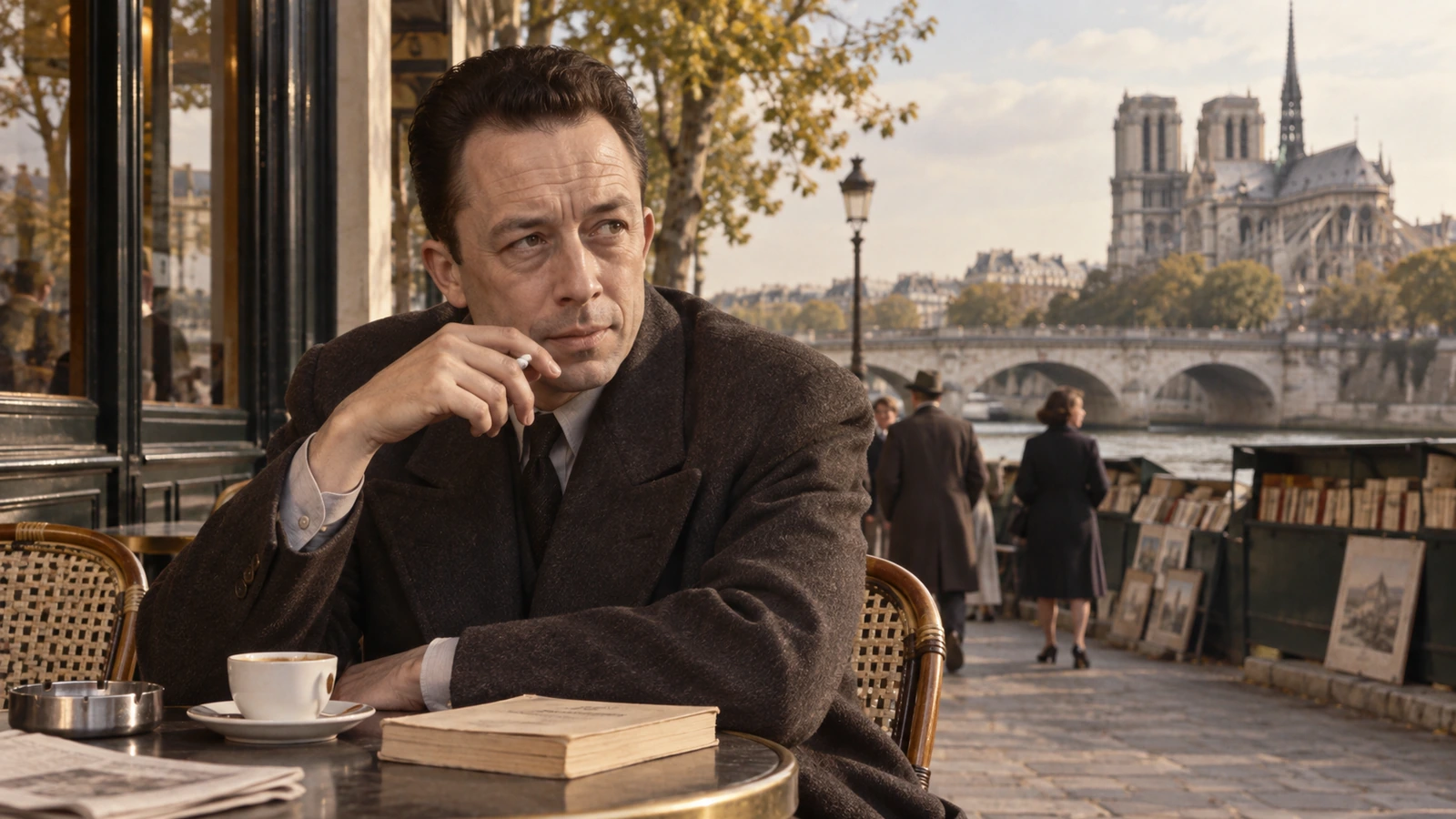
Albert Camus 20th-Century France & Algeria The Nobel laureate and absurdist philosopher spent his early days as an elite soccer goalkeeper in Algiers.
Karl Marx 19th-Century Germany & UK The intellectual father of communism spent his youth fighting sword duels and presiding over university drinking clubs.
Montesquieu Enlightenment France He shocked society by analyzing governments as human systems driven by environmental forces rather than divine right.
Friedrich Nietzsche 19th-Century Germany The provocative thinker who declared the 'death of God' relied on an early mechanical typewriter as his vision failed.
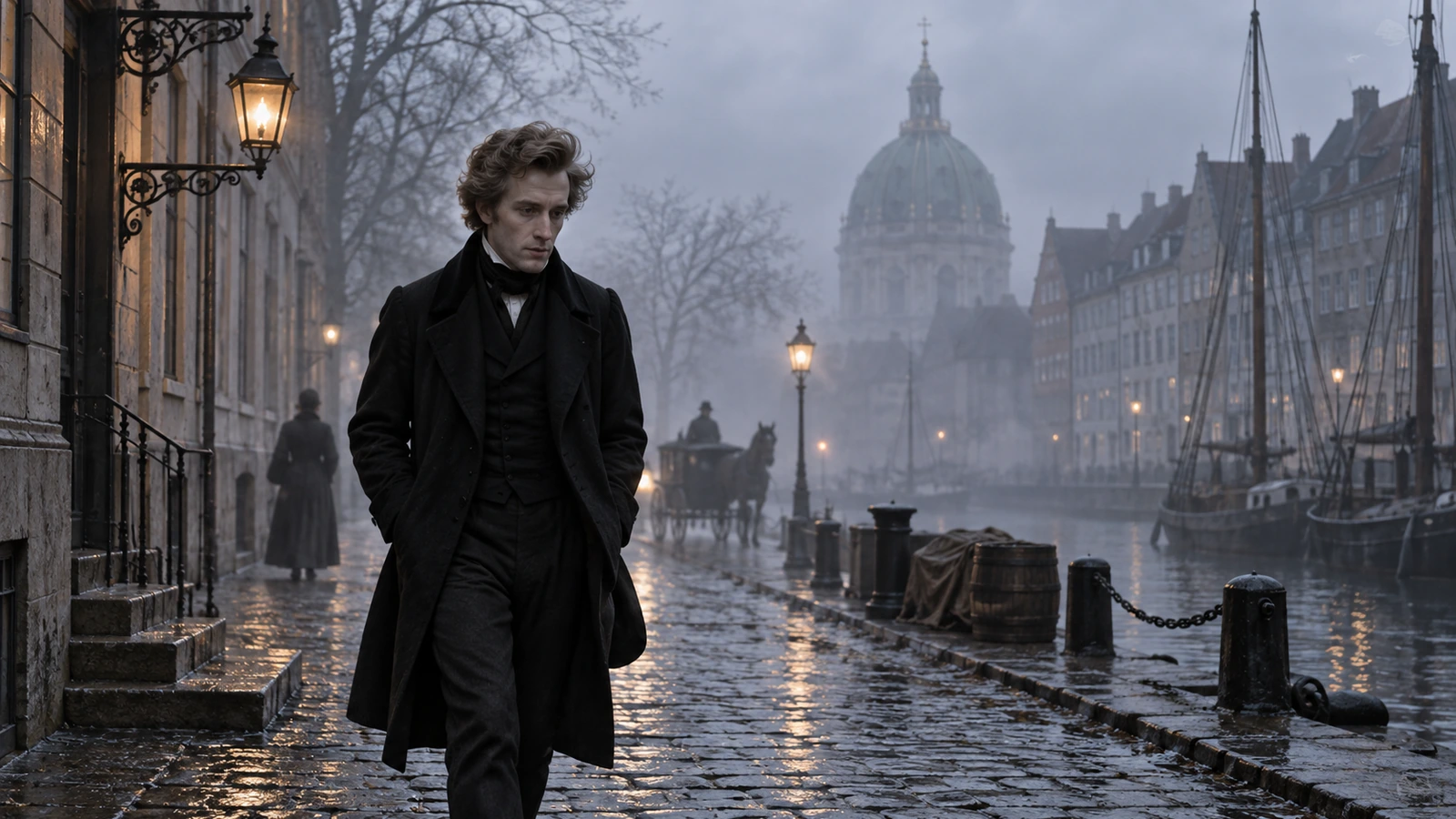
Søren Kierkegaard 19th-Century Denmark The founder of modern existentialism published his masterworks under elaborate pseudonyms to force readers to think for themselves.
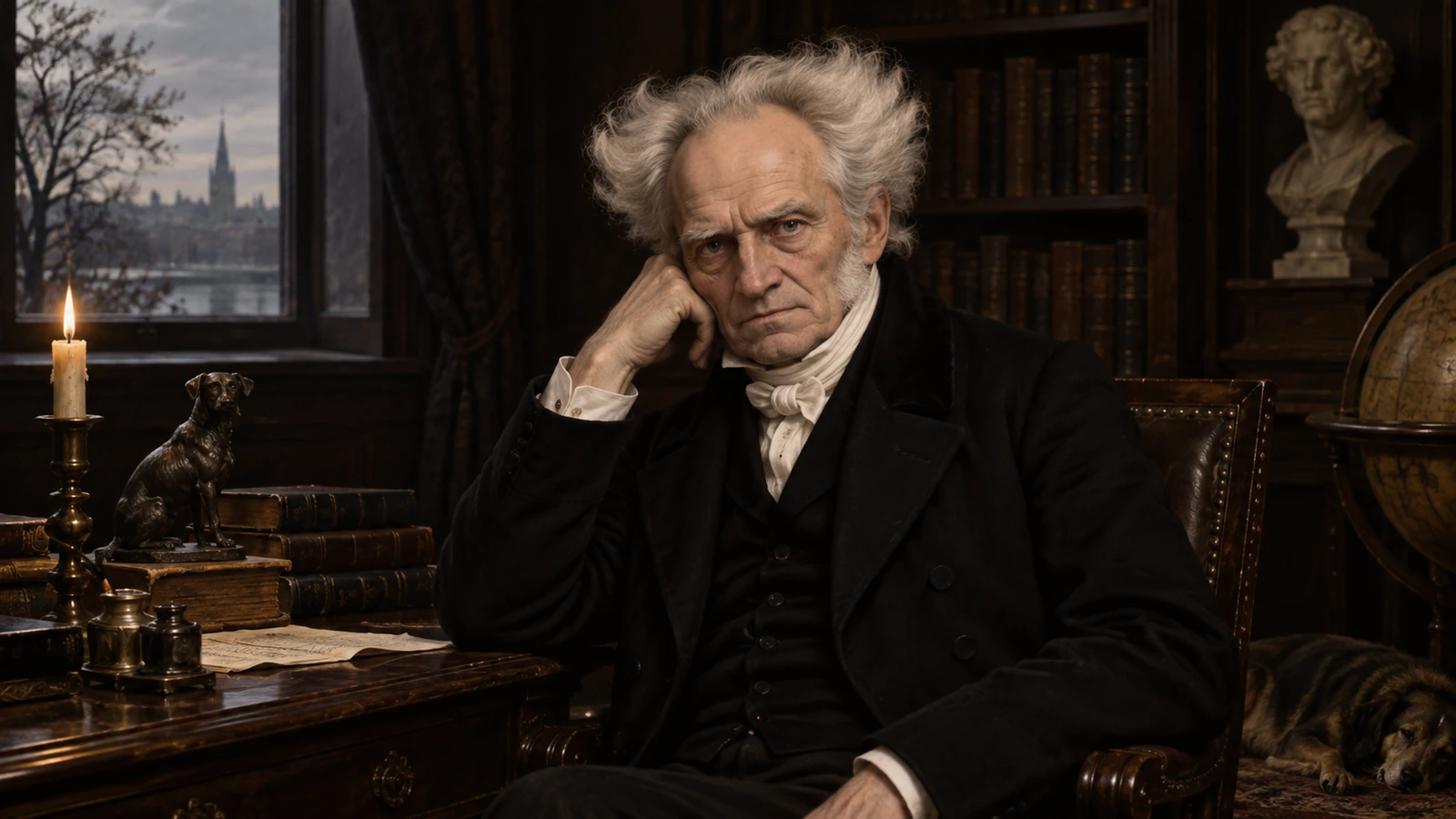
Arthur Schopenhauer 19th-Century Germany History's most famous pessimist harbored a deep affection for his pet poodles while viewing human life as a pendulum of pain.
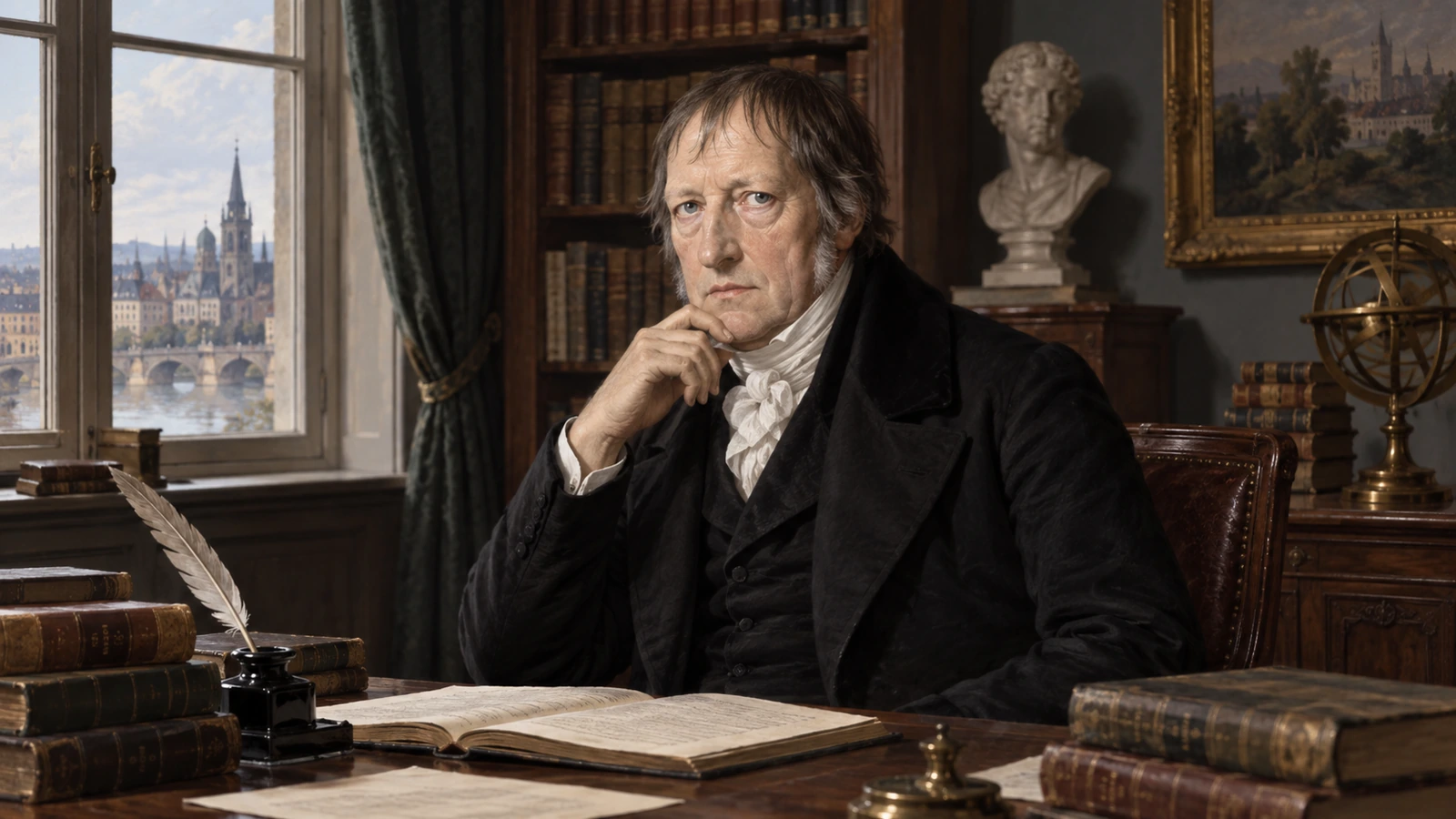
Hegel 18th/19th-Century Germany He literally dodged artillery shells in Jena while finishing the masterwork that would reshape Western logic and history.
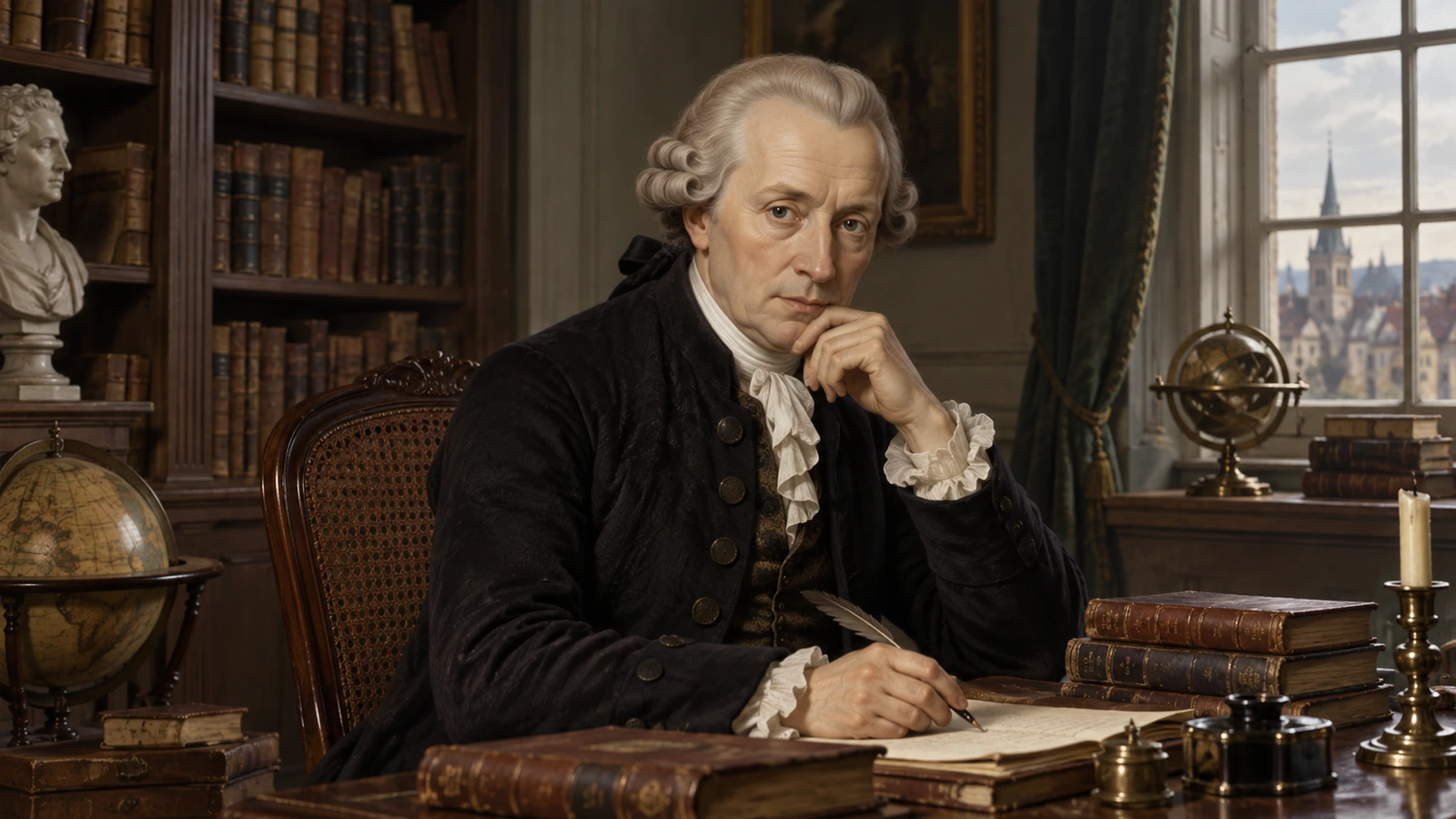
Immanuel Kant 18th-Century Prussia His daily routine was so rigidly predictable that neighbors reportedly set their clocks by his afternoon walks.
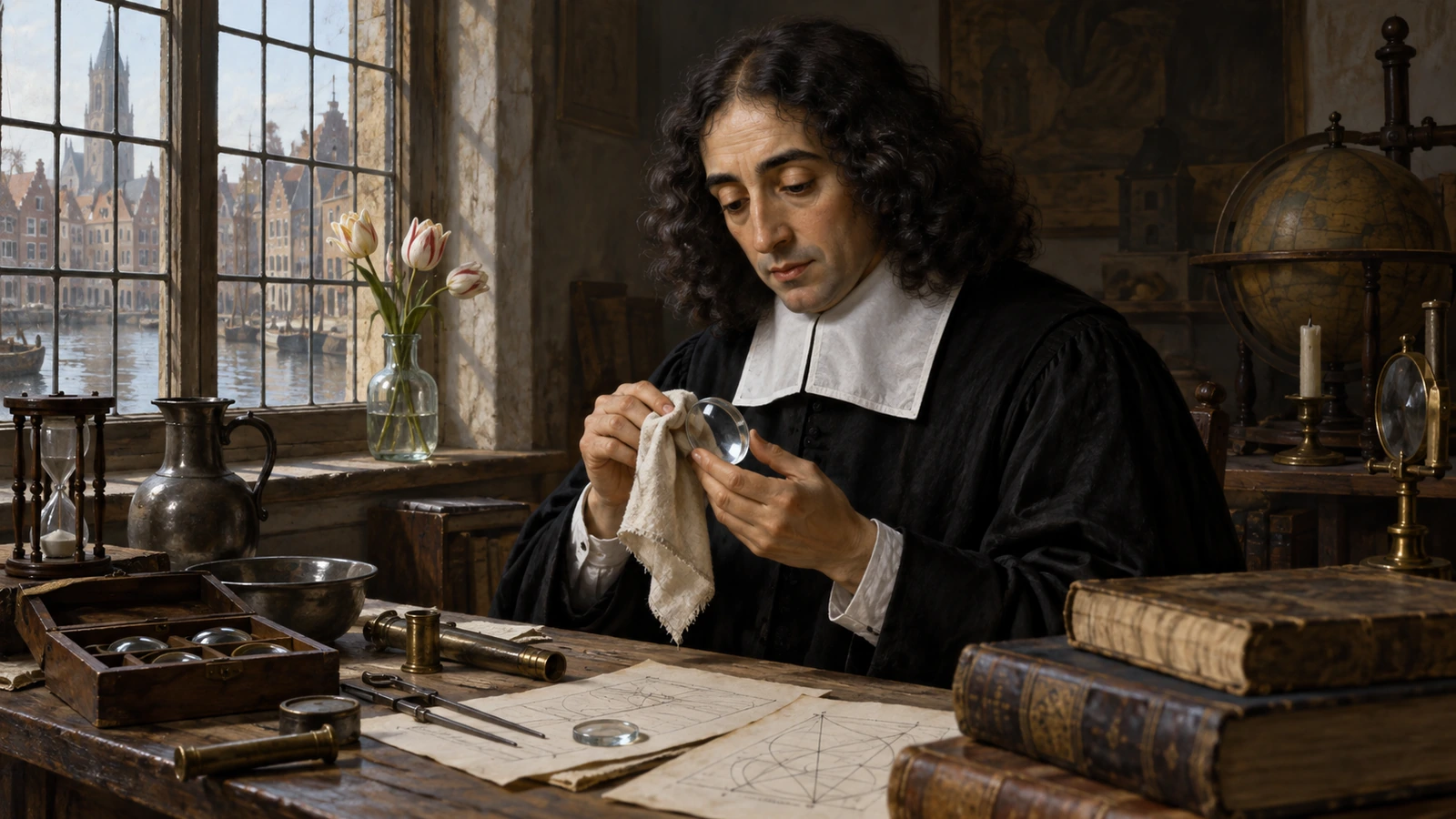
Baruch Spinoza 17th-Century Netherlands He was excommunicated at 23 and chose to grind optical lenses for a living rather than accept a cozy academic post.
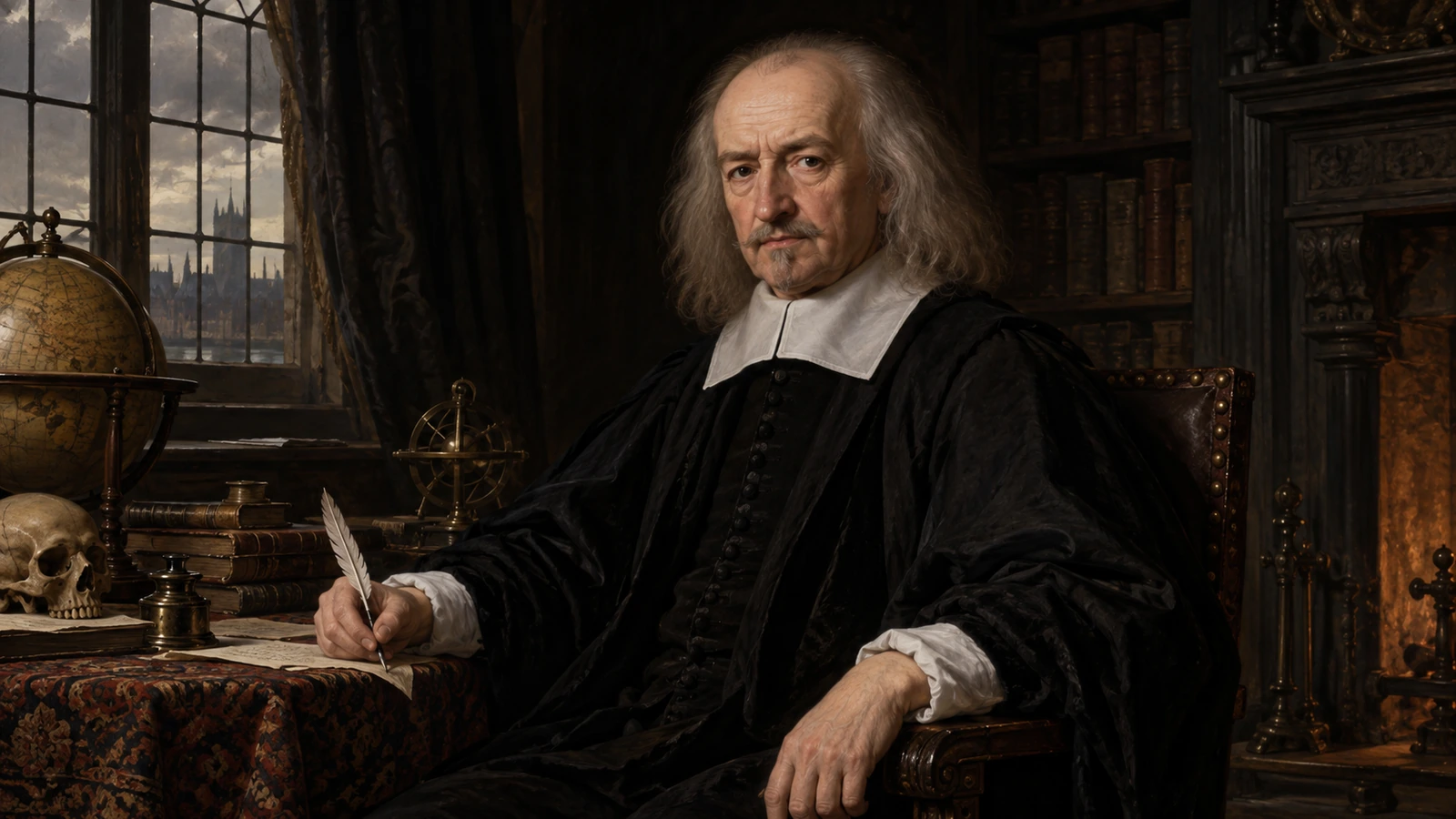
Thomas Hobbes 17th-Century England The famous political theorist attributed his premature birth to his mother's fear of the approaching Spanish Armada.
Jean-Jacques Rousseau Enlightenment France & Switzerland The philosopher who wrote extensively on education and inherent human goodness shockingly abandoned all five of his children.
John Locke 17th-Century England The intellectual godfather of classical liberalism once performed pioneering liver surgery and fled abroad under secret pseudonyms.
René Descartes 17th-Century France The father of modern Western philosophy had an unusual lifelong habit of working in bed until noon.

Record holders

Most Pseudonyms

Over 170

Voltaire used an astonishing number of fake names to dodge authorities while publishing subversive ideas. Voltaire

Most Punctual

Clockwork Walks

Kant's daily afternoon strolls were so fiercely predictable that neighbors literally set their watches by him. Immanuel Kant

Most Bizarre Diet Ban

No Fava Beans

Pythagoras demanded his secretive brotherhood abstain completely from fava beans for mysterious mystical reasons. Pythagoras

All 19, one fact at a time

The Polymathic Philosopher: 15 Fascinating Facts About Aristotle

Aristotle

Ancient Greece

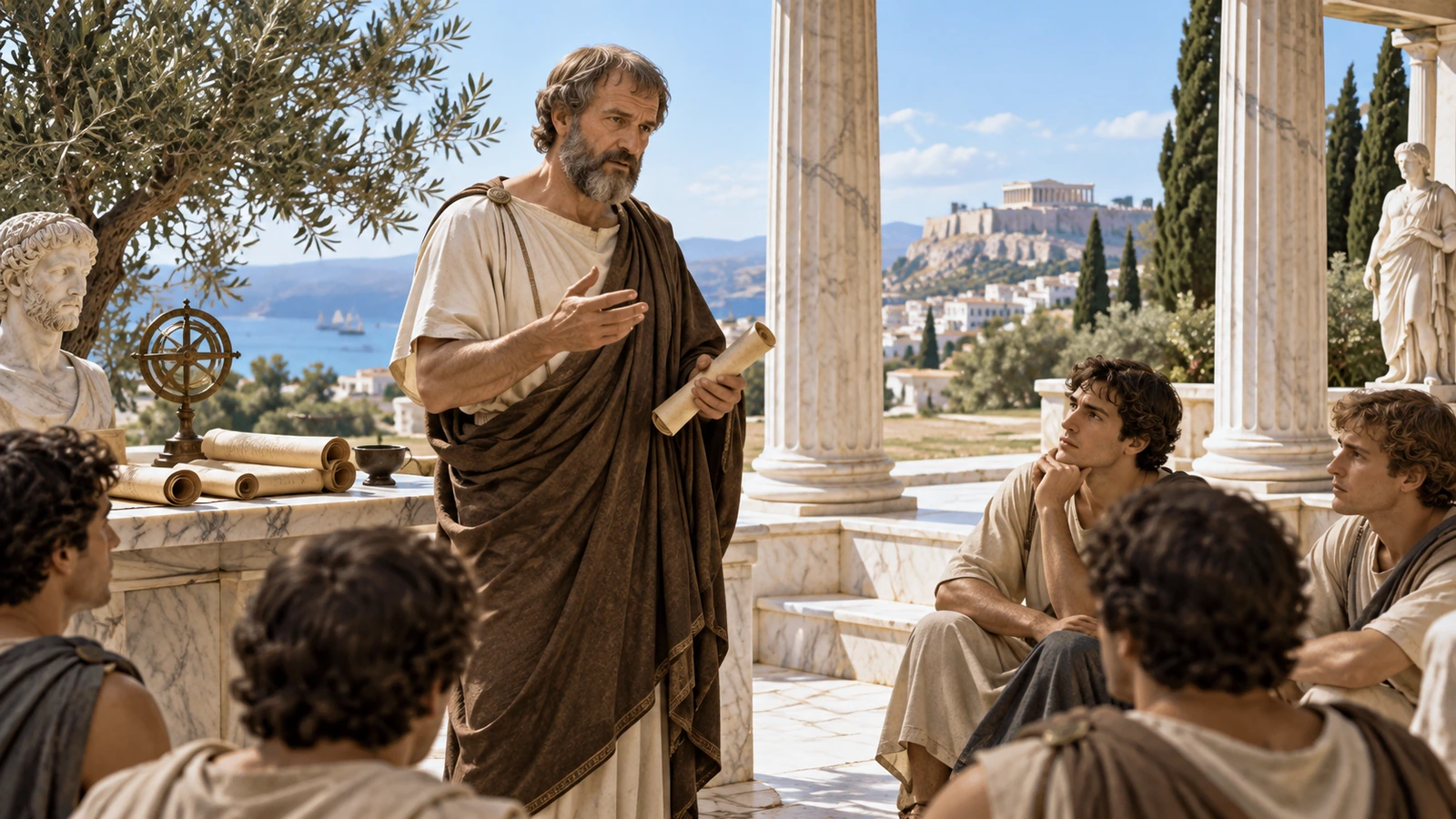
Known to medieval scholars simply as 'The Philosopher,' his empirical approach laid the groundwork for modern scientific inquiry and categorization. Beyond his massive intellectual output spanning ethics, biology, and politics, his real-world influence on future leaders was unparalleled. Though science has updated his theories, his foundational frameworks remain deeply embedded in modern academic discourse.

Read the full article →
The Broad Philosopher: 15 Fascinating Facts About Plato

Plato

Ancient Greece

We often picture him deep in abstract thought, but he led an incredibly active and dramatic life. His dialogues shaped over two millennia of philosophy, science, and governance, masking a biography filled with fierce rivalries and physical prowess. His legacy holds countless unexpected turns that defy the stereotype of a quiet academic.

Read the full article →
The Mystical Mathematician: 15 Fascinating Facts About Pythagoras

Pythagoras

Ancient Italy & Greece

Famous for the theorem that bears his name, his actual life involved bizarre mystical beliefs and claims of divine lineage. His brotherhood operated in the shadows, demanding vows of silence and preaching the transmigration of souls. His story uniquely blends profound mathematical breakthroughs with strange, cult-like practices.

Read the full article →
The Enduring Sage: 15 Fascinating Facts About Confucius

Confucius

Ancient China

Known widely as Master Kong, his earthly career was largely viewed by his contemporaries as a failure. Yet, his ideas on ethics, government, and familial duty fundamentally transformed Asian civilization. Fastidious in his habits and surprisingly tall, the real man behind the icon is wonderfully human.

Read the full article →
The Eloquent Statesman: 15 Fascinating Facts About Cicero

Cicero

Ancient Rome

A staunch defender of the Roman Republic, his personal letters and speeches defined Western political thought for centuries. His influence stretched far beyond the Senate floor, blending eloquent statesmanship with fierce ideological battles. Ultimately, his uncompromising rhetoric led to a tragically violent downfall at the hands of his political enemies.

Read the full article →
The Irreverent Philosopher: 15 Fascinating Facts About Voltaire

Voltaire

Enlightenment France

Using over 170 pseudonyms to dodge authorities, he relentlessly challenged the tyranny of the monarchy and the Catholic Church. His life was a whirlwind of astonishing drama, political satire, and literary genius. Behind his biting wit was a deeply cunning survivor who shaped modern freedom of thought.

Read the full article →
The Absurdist Philosopher: 15 Fascinating Facts About Albert Camus

Albert Camus

20th-Century France & Algeria

He redefined how we view human existence and morality through iconic works of literature. His life featured covert wartime courage and dramatic twists, showcasing a man deeply engaged with the physical and political world. His story culminated in a tragic, sudden death with an unused train ticket in his pocket.

Read the full article →
The Radical Scholar: 15 Fascinating Facts About Karl Marx

Karl Marx

19th-Century Germany & UK

Despite his intense focus on global political theory, his personal life was filled with surprising contradictions, including writing for an American newspaper and corresponding with Abraham Lincoln. He survived severe poverty and chronic health afflictions while publishing tirelessly. These eclectic experiences heavily colored his revolutionary economic frameworks.

Read the full article →
15 Historical Facts About Montesquieu

Montesquieu

Enlightenment France

His daring sociological approaches fundamentally shaped the modern political world. By breaking away from traditional theological explanations for how societies function, he laid the groundwork for political science. The very foundations of modern democracies and the separation of powers are built directly upon his theories.

Read the full article →
The Uncompromising Iconoclast: 15 Fascinating Facts About Friedrich Nietzsche

Friedrich Nietzsche

19th-Century Germany

Despite a reputation for fierce independence and iconoclasm, his life was defined by extreme solitude and chronic physical suffering. He passionately hated anti-Semitism, though his legacy was tragically manipulated by extremists after his death. His unconventional life deeply informed his intense questioning of foundational morality.

Read the full article →
The Melancholic Prophet: 15 Fascinating Facts About Søren Kierkegaard

Søren Kierkegaard

19th-Century Denmark

He was famous for his intense personal struggles, fierce wit, and daily strolls through Copenhagen where he engaged locals in debate. His heartbreaking romantic decisions fueled much of his philosophical output. Today, his prophetic warnings about mass media distraction remain remarkably relevant to modern life.

Read the full article →
The Dark Genius: 15 Fascinating Facts About Arthur Schopenhauer

Arthur Schopenhauer

19th-Century Germany

His notoriously gloomy outlook contrasted with his groundbreaking ideas on the unconscious mind and the nature of desire. He maintained a fierce rivalry with his contemporaries and lived a largely solitary, eccentric life. Yet, his profound insights inspired future luminaries spanning psychology, science, and literature.

Read the full article →
The Dialectical Titan: 15 Fascinating Facts About Georg Wilhelm Friedrich Hegel

Hegel

18th/19th-Century Germany

He turned contradiction into the ultimate engine of progress, developing a dialectical system that inspired both revolutionary and conservative movements. Behind his notoriously dense and complex prose was a dramatic life filled with front-line journalism and university alliances. He remains one of the most formidable intellectual figures of the modern era.

Read the full article →
The Clockwork Philosopher: 15 Fascinating Facts About Immanuel Kant

Immanuel Kant

18th-Century Prussia

Despite rarely stepping foot outside his hometown of Königsberg, he launched an intellectual revolution spanning cosmology, metaphysics, and ethics. He even designed early blueprints for global peace and proposed nebular hypotheses about the stars. His hyper-disciplined life provided the stable foundation for some of history's most complex philosophical systems.

Read the full article →
The Radical Rationalist: 15 Fascinating Facts About Baruch Spinoza

Baruch Spinoza

17th-Century Netherlands

He shattered traditional theology by equating God with the natural universe, arguing that true freedom comes through reason rather than divine command. His renegade ideas survived assassination attempts and laid the critical groundwork for secular democracy. Centuries later, his elegant rationalism would profoundly inspire Albert Einstein.

Read the full article →
The Absolute Philosopher: 15 Fascinating Facts About Thomas Hobbes

Thomas Hobbes

17th-Century England

He famously argued that life without a powerful central state is inherently violent, nasty, and short. Despite his cynical views on human nature and chaos, he lived a remarkably long life filled with dramatic historical shifts. In his old age, he maintained an eccentric daily habit of singing privately to exercise his lungs.

Read the full article →
The Paradoxical Philosopher: 15 Fascinating Facts About Jean-Jacques Rousseau

Jean-Jacques Rousseau

Enlightenment France & Switzerland

His radical theories helped spark the French Revolution and completely reshaped modern politics. Yet his personal life was a mess of bitter rivalries, intense paranoia, and profound contradictions. From writing hit operas to fleeing authorities, his biography is just as complex and turbulent as his philosophy.

Read the full article →
The Revolutionary Mind: 15 Fascinating Facts About John Locke

John Locke

17th-Century England

He operated at the dangerous intersection of science, treason, and revolutionary thought. His radical ideas on natural rights challenged centuries of absolute monarchical power and directly inspired the American and French Revolutions. His life proves that the foundations of modern democracy were forged in profound personal peril.

Read the full article →
The Doubtful Rationalist: 15 Fascinating Facts About René Descartes

René Descartes

17th-Century France

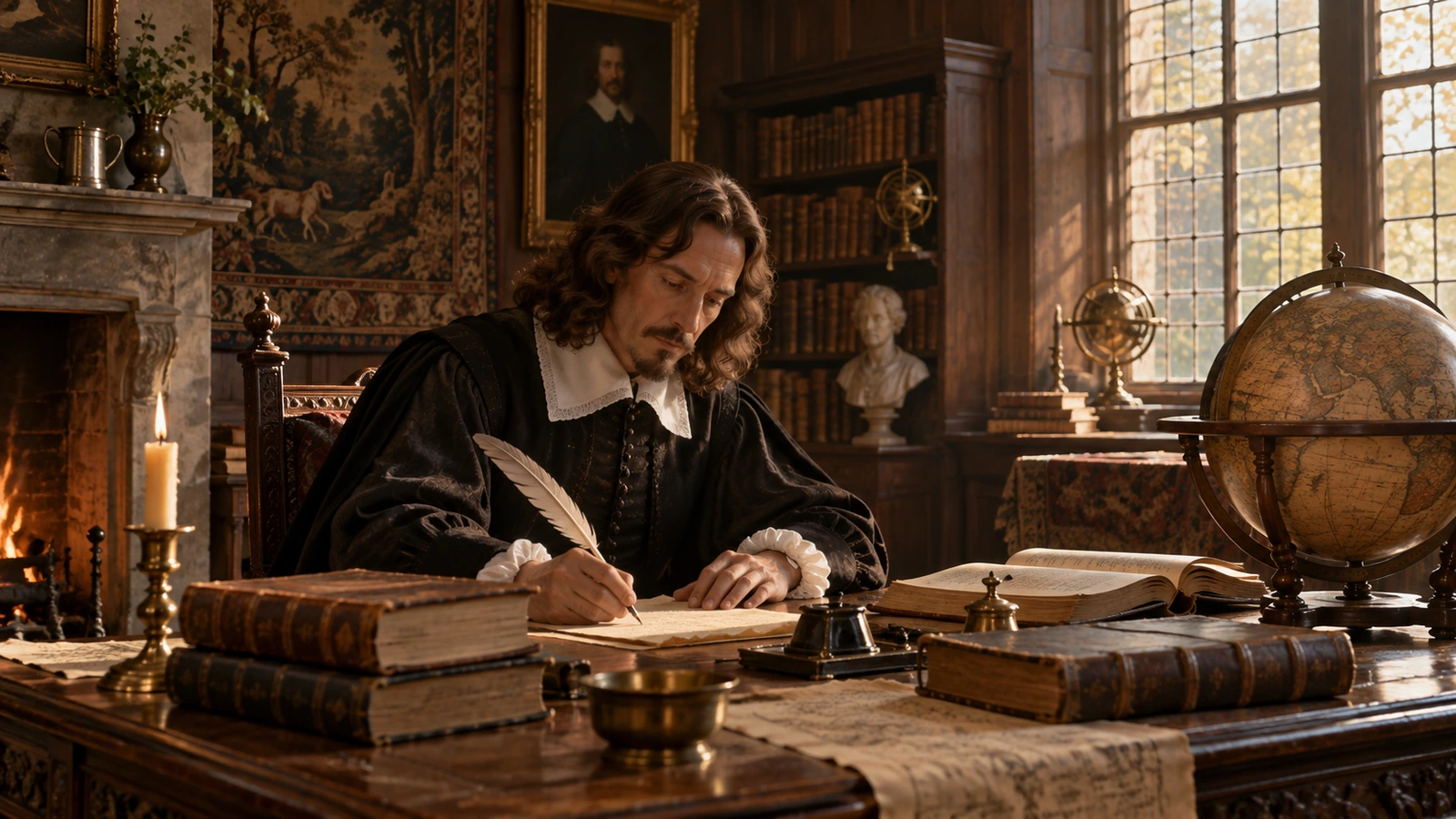
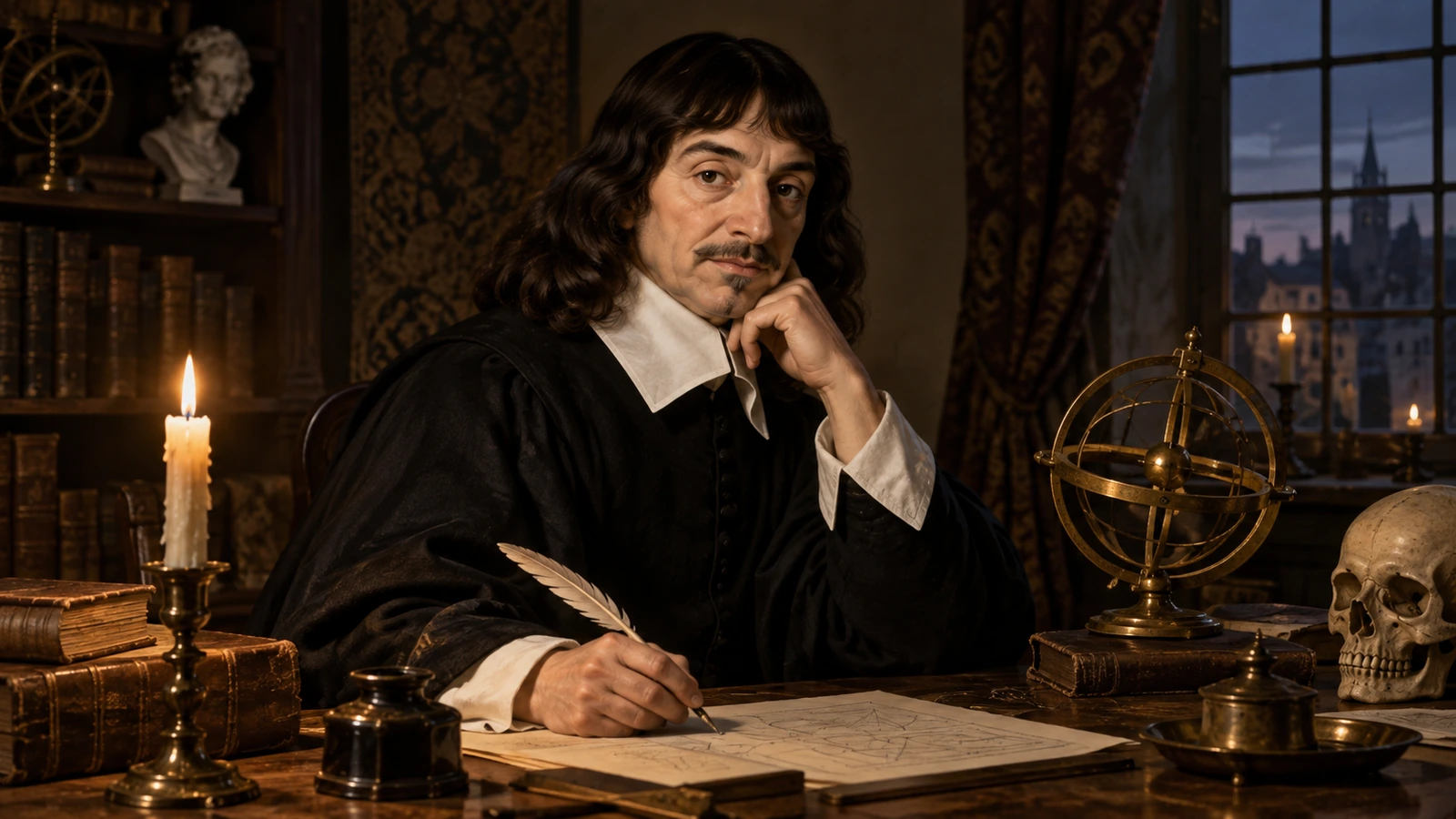
Beyond co-creating analytic geometry and doubting everything to find ultimate truth, he led a swashbuckling life of military adventures and clandestine travels. His quest for absolute certainty bridged the gap between algebra and geometry. His post-mortem journey was just as bizarre, involving the literal theft of his skull.

Read the full article →

Quiz: how much of that stuck?

7 questions, every answer is somewhere above.

Philosophers Through the Ages 0 / 7

1. Which philosopher was an elite soccer goalkeeper in his youth?

2. Who performed pioneering liver surgery before becoming known as the father of classical liberalism?

3. Which ancient thinker was kidnapped by pirates and competed as a wrestler?

4. Which philosopher wrote hit operas but famously abandoned all five of his children to an orphanage?

5. Which existentialist published his works under elaborate pseudonyms to force readers to think for themselves?

6. Which Enlightenment thinker rigged the national lottery to amass his personal fortune?

7. Who finished his philosophical masterwork while actively dodging artillery shells during the Battle of Jena?

Frequently asked

Why are so many famous early philosophers from Ancient Greece?

Ancient Greece featured independent city-states with democratic or highly structured civic lives that encouraged public debate, secular inquiry, and the systematic study of logic, laying a unique cultural foundation for formal philosophy.

Did philosophers like Marx and Locke actually influence real-world governments?

Yes, profoundly. Locke's ideas on natural rights directly influenced the American Declaration of Independence, while Marx's writings became the foundational ideology for numerous socialist and communist governments throughout the 20th century.

What is the primary difference between Ancient philosophy and Enlightenment philosophy?

Ancient philosophy often focused on virtue, the fundamental nature of the universe, and the ideal state. Enlightenment philosophy, emerging in the 17th and 18th centuries, heavily emphasized individual liberty, secular governance, reason over tradition, and the scientific method.

Why did so many philosophers write under pseudonyms?

Thinkers like Voltaire, Locke, and Kierkegaard used pseudonyms for various reasons ranging from avoiding political execution and religious excommunication to deliberately presenting contrasting viewpoints to challenge their readers.

How did classical Eastern philosophy like Confucianism differ from Western thought?

While classical Western philosophy often debated abstract metaphysics, individual rights, and epistemology, Eastern philosophy like Confucianism heavily emphasized social harmony, moral duty, familial respect, and the practical ethics of governing a cohesive society.

Keep going

Enjoyed these facts? There's more! 💌

Fresh fun facts in your inbox. No spam, ever.