15 Fascinating Facts About MTV
Many assume MTV was an instant success that killed radio, but its early days were plagued by technical disasters and content shortages. Far from a simple broadcast loop, it was a complex cultural engine that pioneered reality television and shifted global youth demographics. Discover the forgotten history of the network that fundamentally rewired modern media and entertainment.
1. The iconic Apollo 11 moon landing footage used in MTV's opening broadcast was actually a backup plan because the network could not afford original animation.
The creators initially wanted a bespoke animated sequence featuring the network's logo, but their budget was severely constrained. By utilizing public domain footage from NASA, they circumvented copyright and production costs, overlaying the MTV flag to create a rebellious, anti-establishment brand image that ironically defined corporate media for decades.
2. The first music video played on MTV, The Buggles' "Video Killed the Radio Star," was chosen because it was one of the only music videos the network actually owned the rights to broadcast.
While historically viewed as a profound prophetic statement about the future of media, the selection was largely a matter of limited inventory. In 1981, the concept of a promotional music video was practically non-existent in the United States, forcing MTV to rely heavily on European bands who were already producing short promotional clips for British television shows.
3. MTV did not broadcast nationally on its launch day because cable providers in major markets like New York and Los Angeles refused to carry the channel.
Early cable executives doubted that an all-music channel could sustain viewer interest, viewing it as a passing gimmick. As a result, when MTV launched on August 1, 1981, it was only visible to a few thousand subscribers in northern New Jersey, forcing music industry executives in Manhattan to take a bus across the Hudson River just to witness the channel's historic premiere.
4. The network originally refused to play music by Black artists until the president of CBS Records threatened to publicly boycott the channel.
In its infancy, MTV's executives operated under a strict album-oriented rock format, arguing that R&B and soul artists did not fit the demographic profile of their target white suburban audience. This de facto segregation was finally shattered when Michael Jackson released "Billie Jean," prompting record executive Walter Yetnikoff to threaten to pull all CBS artists and expose MTV's racial bias to the press, forcing the network to integrate its programming.
5. The iconic "I want my MTV" marketing campaign was directly inspired by a mid-century advertising slogan for breakfast cereal.
Advertising executive George Lois, who was hired to help popularize the struggling network, remembered his successful "I want my Maypo" campaign from the 1950s. By enlisting massive rock stars like Mick Jagger to demand the channel by name on national broadcasts, Lois engineered a grassroots pressure campaign where teenagers continually harassed their local cable providers until they added the network to their lineup.
6. MTV accidentally cemented the modern reality television genre because producing a traditional soap opera for teenagers was deemed too expensive.
Network executives originally wanted to create a scripted drama series about young people living in New York City to retain viewers longer than a typical three-minute music video. When they realized the cost of writers, actors, and sets would shatter their modest budget, producers Mary-Ellis Bunim and Jonathan Murray suggested simply putting real strangers in an apartment and filming their unscripted interactions, birthing "The Real World" and changing television economics forever.
7. The original VJs were not hired for their musical expertise but rather for their specific physical resemblance to archetypal teenage personalities.
Network founders deliberately cast their on-air talent to mirror the social hierarchy of an American high school. By selecting the cool rocker, the approachable girl next door, the quirky intellectual, and the handsome older brother figure, MTV fostered deep parasocial relationships with isolated suburban youths who viewed the hosts as their personal friends rather than standard television presenters.
8. The network was heavily criticized by Soviet authorities who believed MTV was a specialized psychological weapon designed to corrupt youth.
During the latter years of the Cold War, the rampant consumerism, rapid-fire editing, and rebellious aesthetics of MTV were perceived by Eastern Bloc intelligence agencies as deliberate Western propaganda. In a bizarre twist of fate, the network ultimately did play a role in the cultural dissolution of the Soviet Union by establishing a unified global youth culture that rejected state-sponsored media in favor of Western entertainment.
9. MTV's rapid editing style physically altered the visual processing habits of an entire generation.
Psychologists and media scholars have documented that the frenetic pacing of music videos, often featuring cuts every fraction of a second, trained the brains of Generation X to absorb visual data at unprecedented speeds. This phenomenon, dubbed "MTV Brain," influenced the subsequent pacing of Hollywood blockbuster films, television commercials, and eventual internet media platforms.
10. The widely celebrated MTV Unplugged series was originally inspired by an impromptu commercial break performance at an awards show.
During the 1989 MTV Video Music Awards, Jon Bon Jovi and Richie Sambora performed acoustic versions of their heavy metal hits solely because they wanted to try something different. The stripped-down, vulnerable performance resonated so deeply with audiences that network executives instantly greenlit a dedicated series to replicate that intimate aesthetic, completely shifting the music industry away from the heavily synthesized sounds of the 1980s.
11. Dire Straits' hit song "Money for Nothing" was the first music video to utilize computer-generated imagery specifically to appease MTV executives.
Lead singer Mark Knopfler notoriously despised the concept of music videos and refused to participate in standard lip-syncing performances. To ensure the song would receive airplay on the increasingly powerful network, the band's management compromised by commissioning early, blocky 3D animation, creating an instantly recognizable aesthetic that cemented the song's massive success and pushed the network into a new digital era.
12. MTV's push into animation with shows like Beavis and Butt-Head was a defensive business maneuver to retain ownership over intellectual property.
The network realized that building programming entirely around music videos meant they were constantly dependent on record labels for content, rendering them vulnerable to licensing disputes. By creating highly profitable in-house cartoons and animated series, MTV generated characters and merchandising empires that they owned entirely, insulating their revenue streams from the volatility of the music industry.
13. The network's infamous shift away from playing music videos was driven by the psychological need for narrative viewer retention, not just the advent of the internet.
Long before YouTube existed, MTV executives realized that music video blocks operated like a visual radio station, encouraging viewers to change the channel the moment a song they disliked came on. To prevent this constant audience bleed and satisfy advertisers who demanded sustained viewership, the network pivoted to long-form reality programming that utilized narrative tension to trap viewers through commercial breaks.
14. MTV played a critical role in popularizing the concept of the designated driver in the United States through subliminal script integration.
In a pioneering public health partnership with Harvard University, MTV agreed to subtly weave the phrase "designated driver" into its casual VJ banter, game shows, and public service announcements. This continuous, normalized repetition transformed a previously unknown Scandinavian behavioral concept into an ingrained cultural norm for American young adults, heavily influencing a decline in drunk driving incidents.
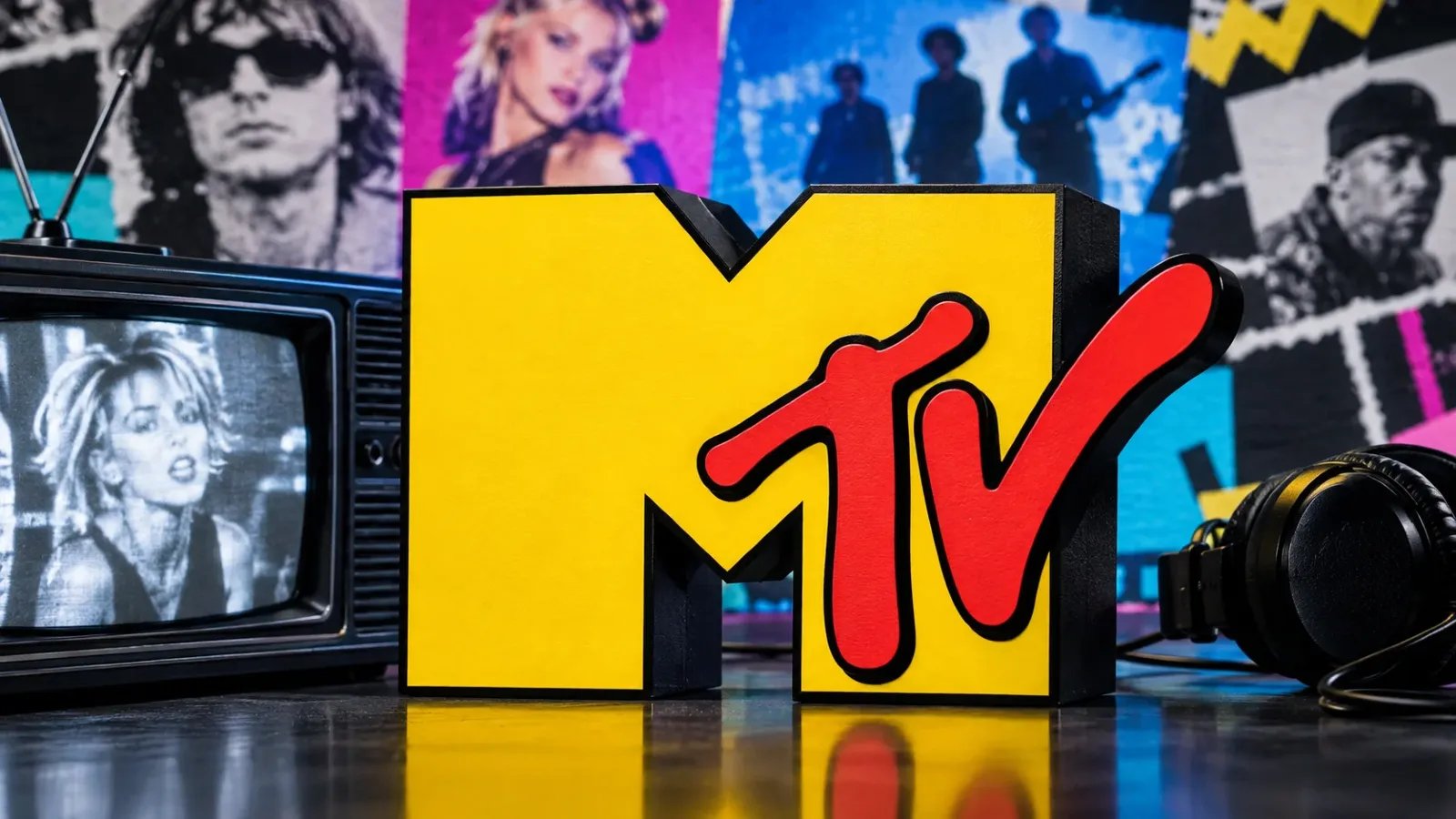
15. The famous MTV logo was intentionally designed to look unfinished so it could be constantly defaced and redesigned on screen.
Before MTV, corporate branding rules strictly dictated that a television network's logo must remain static and uniform at all times to ensure brand recognition. The designers of the MTV logo rebelled against this standard by creating a massive, hollow letter "M" that acted as a blank canvas, allowing artists to fill it with different textures, animations, and colors, which revolutionized dynamic broadcast design.
Sources & References
This AI-assisted post was rigorously curated and fact-checked for accuracy by:
 Martin Roháček
How fun was this article? 🤔
Tap a star to rate it
🧠 Quiz: How closely were you paying attention?
10 questions — all answers are in the article above!
Enjoyed these facts? There's more! 💌
Fresh fun facts in your inbox. No spam, ever.