History
Ancient Civilizations and Medieval Worlds
Eleven windows into the ancient and medieval past, from ancient Egypt, ancient Greece, the Buddha and Pompeii to the Vikings, the Crusades, the Mongol Empire, the samurai and Joan of Arc.
Updated November 3, 2026
·
11 items
·
165 facts in the linked articles
·
Reading time 3 min
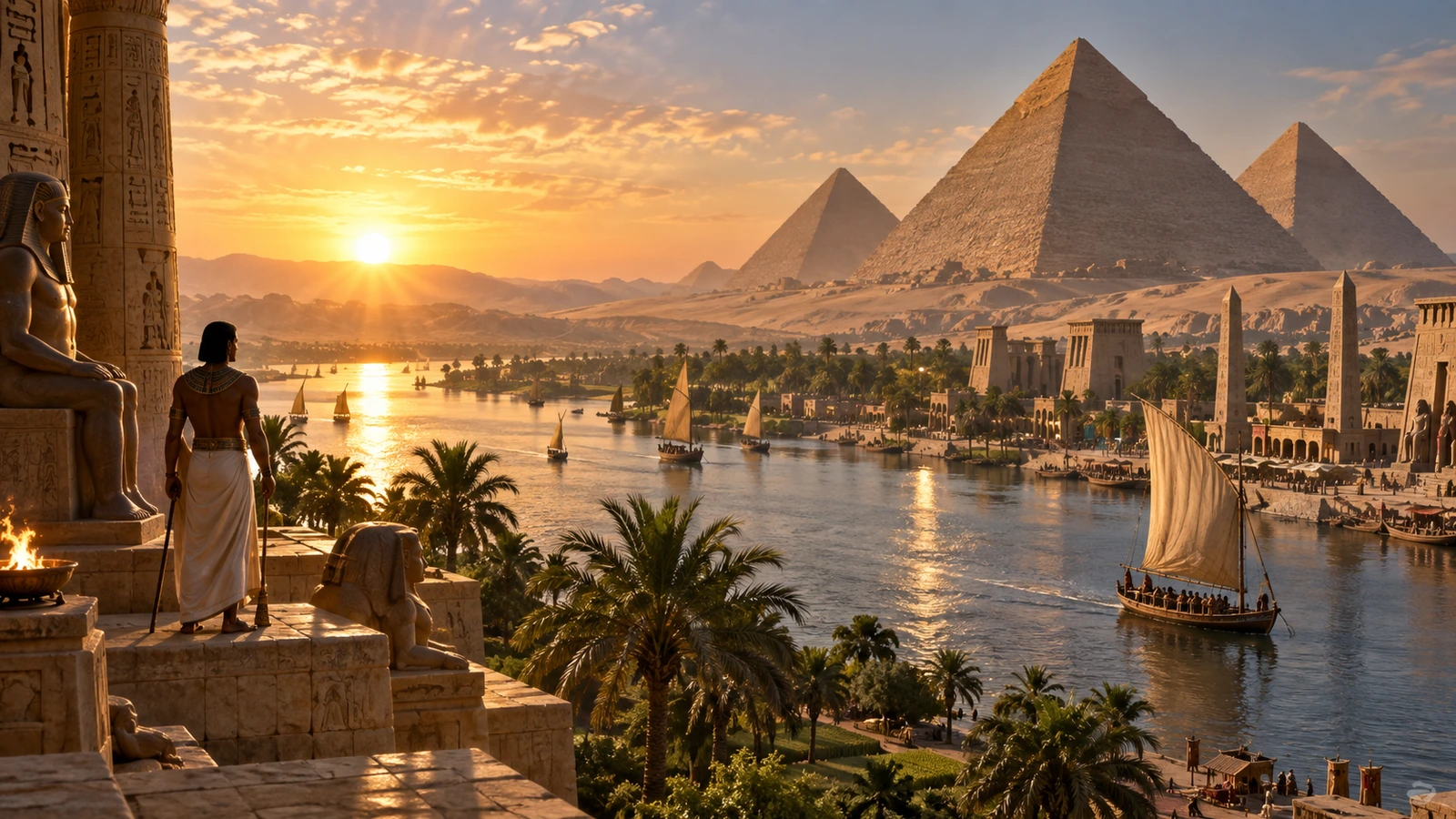
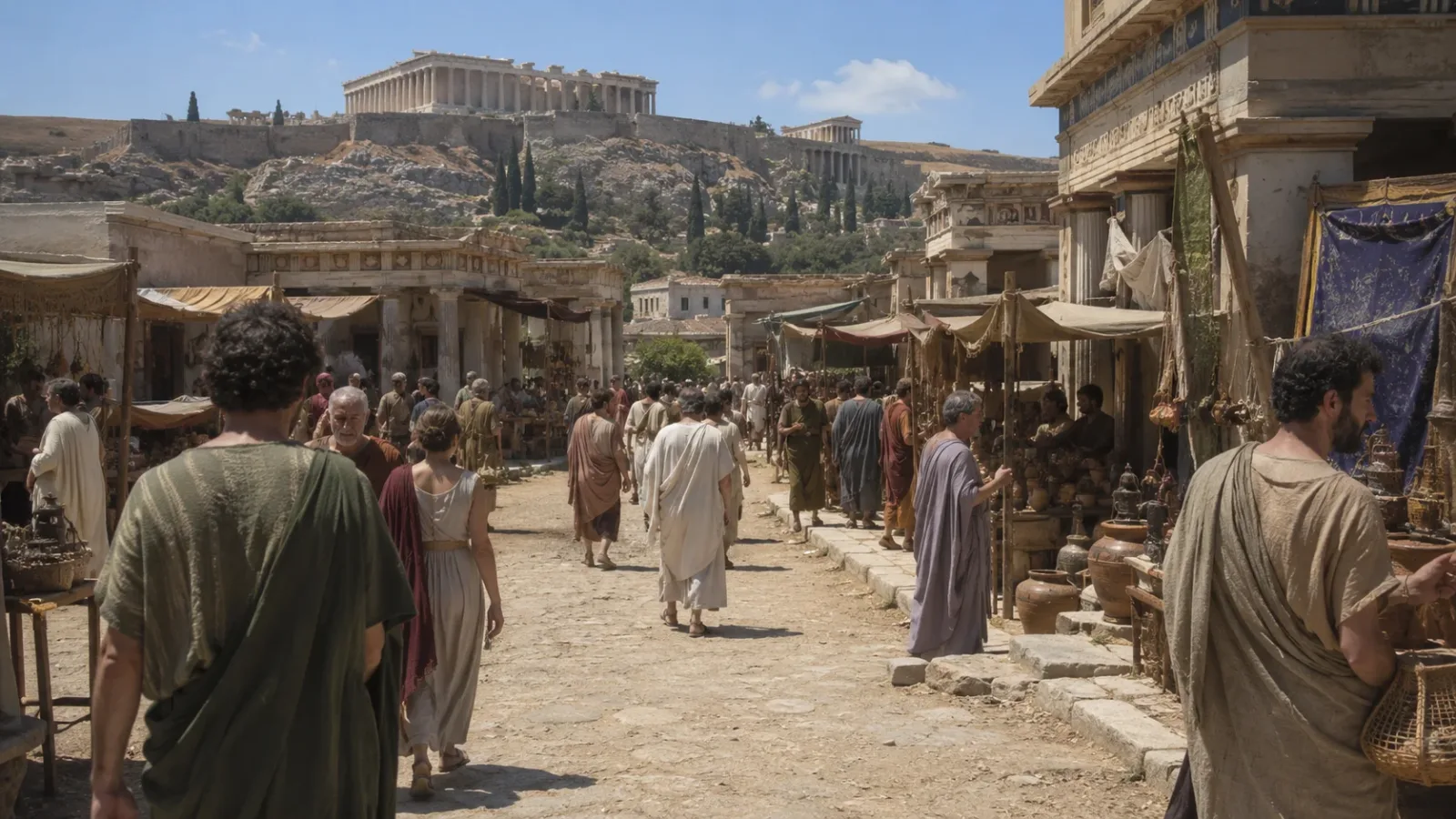
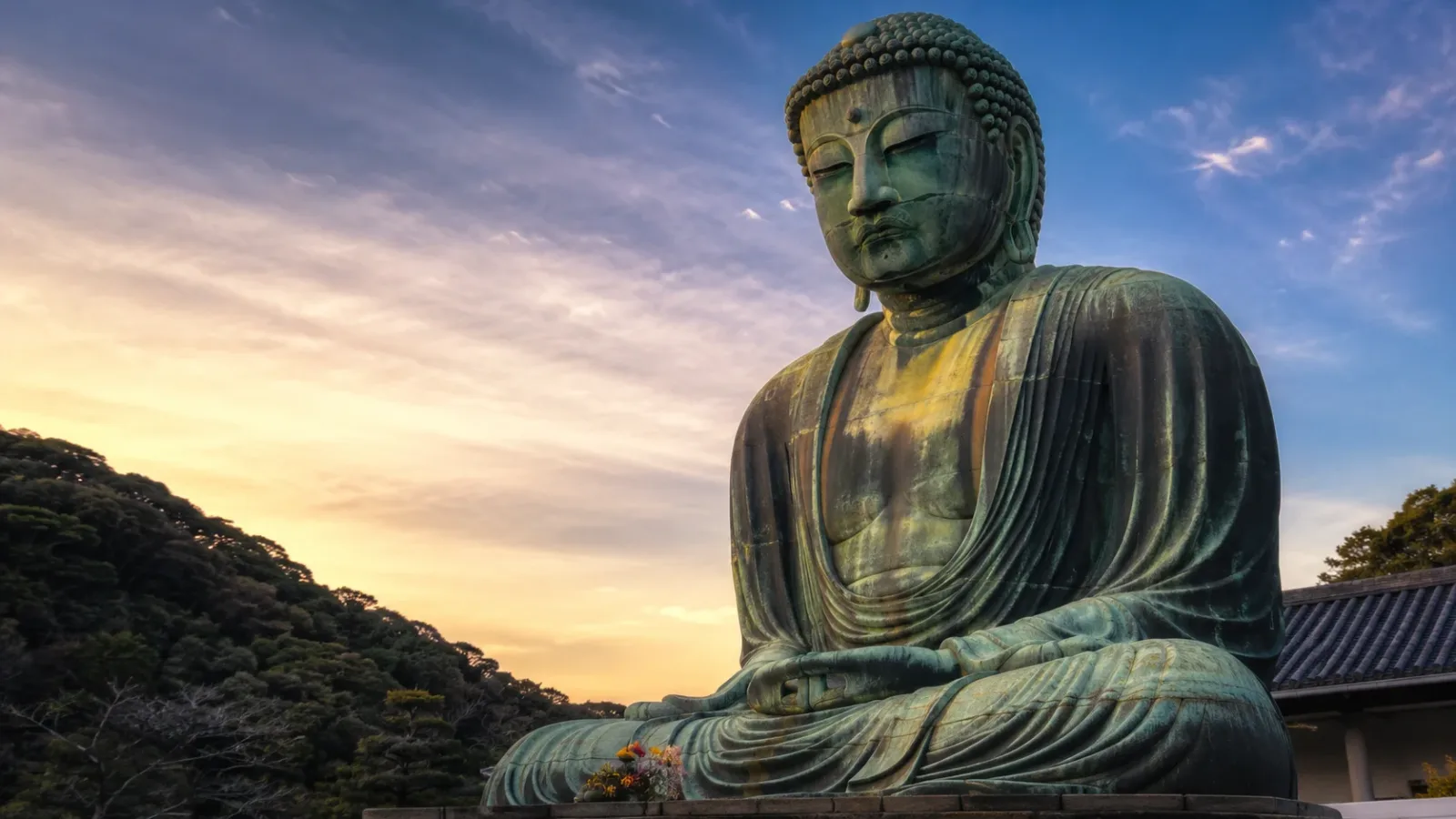
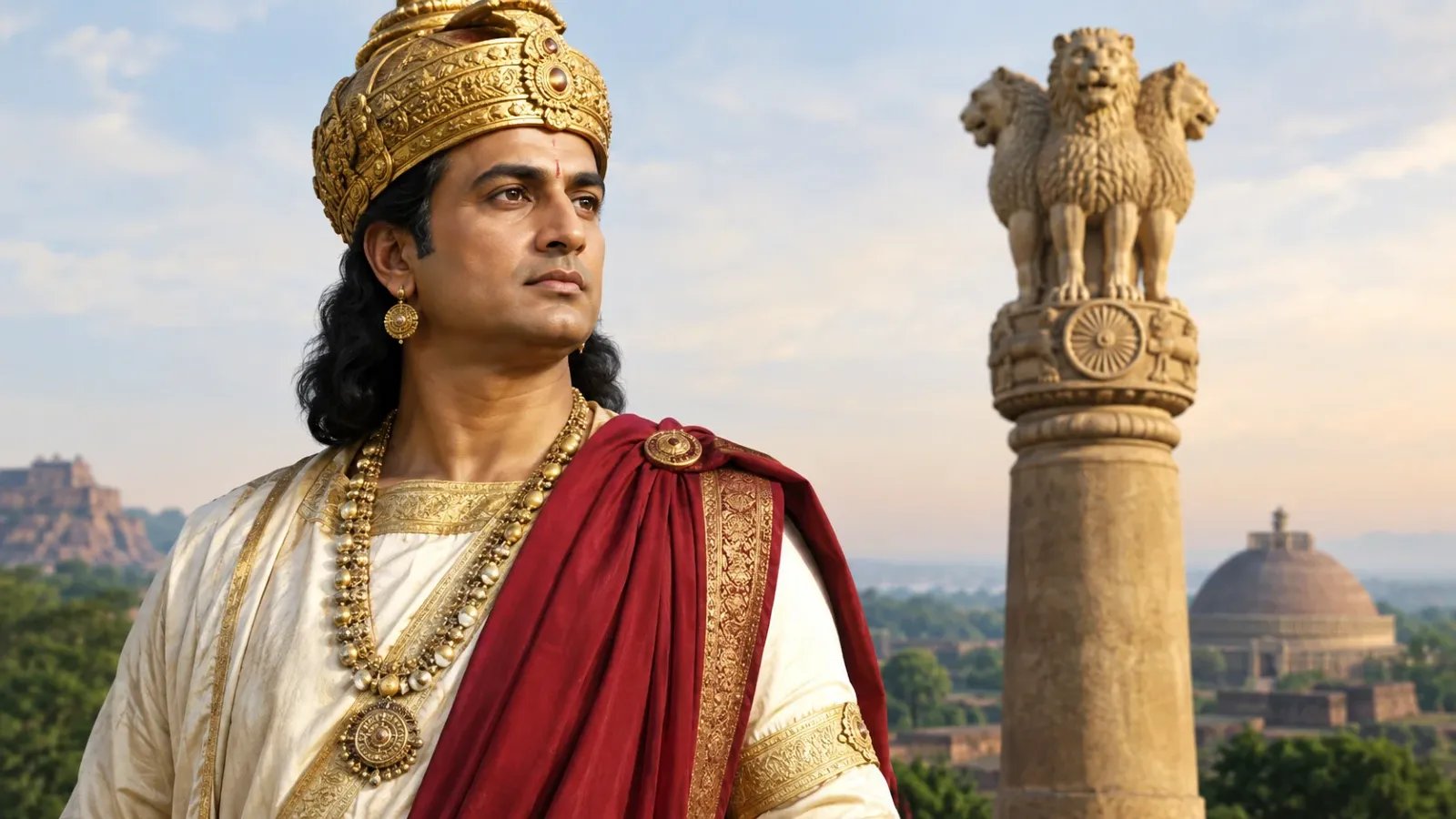
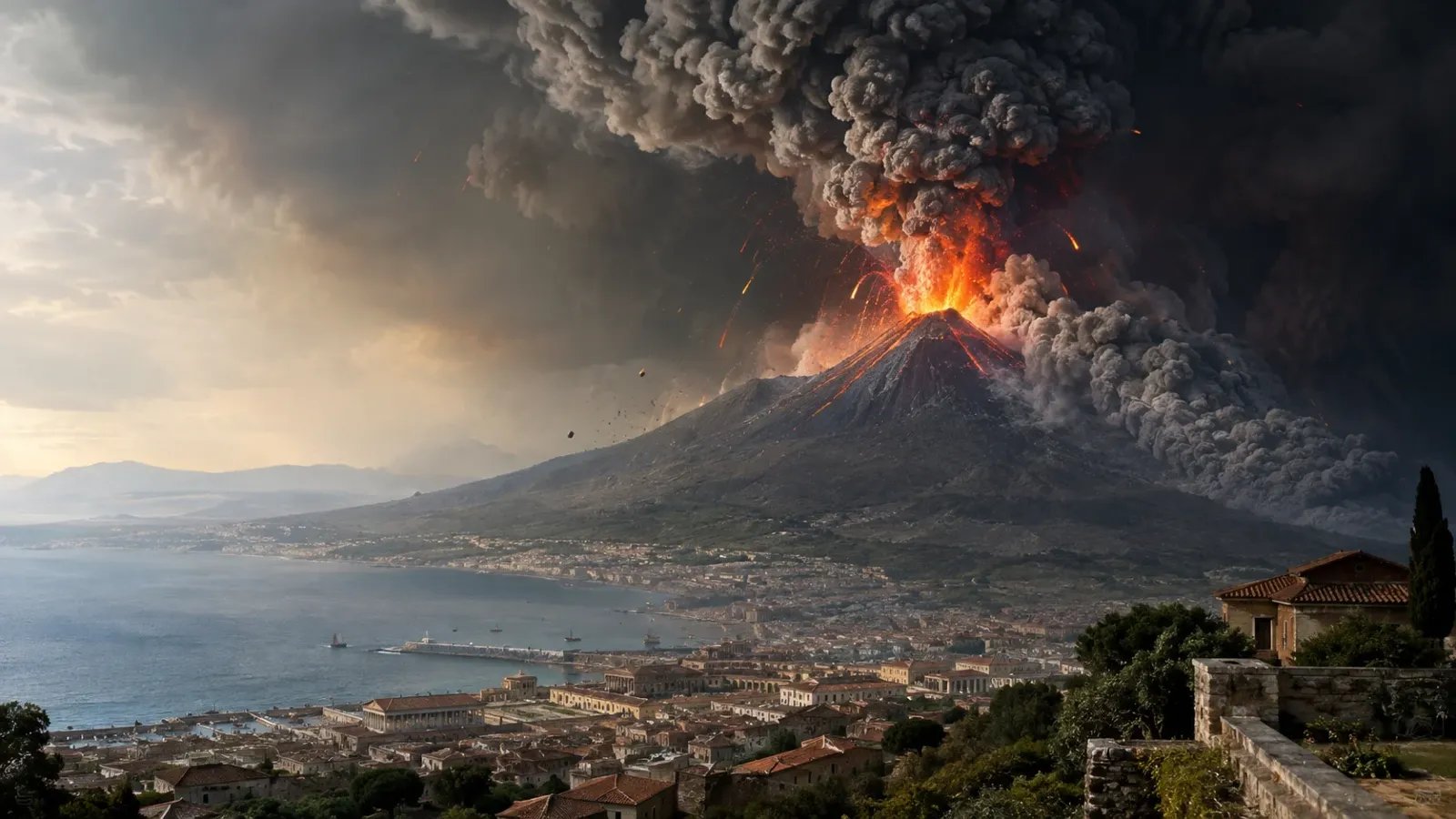
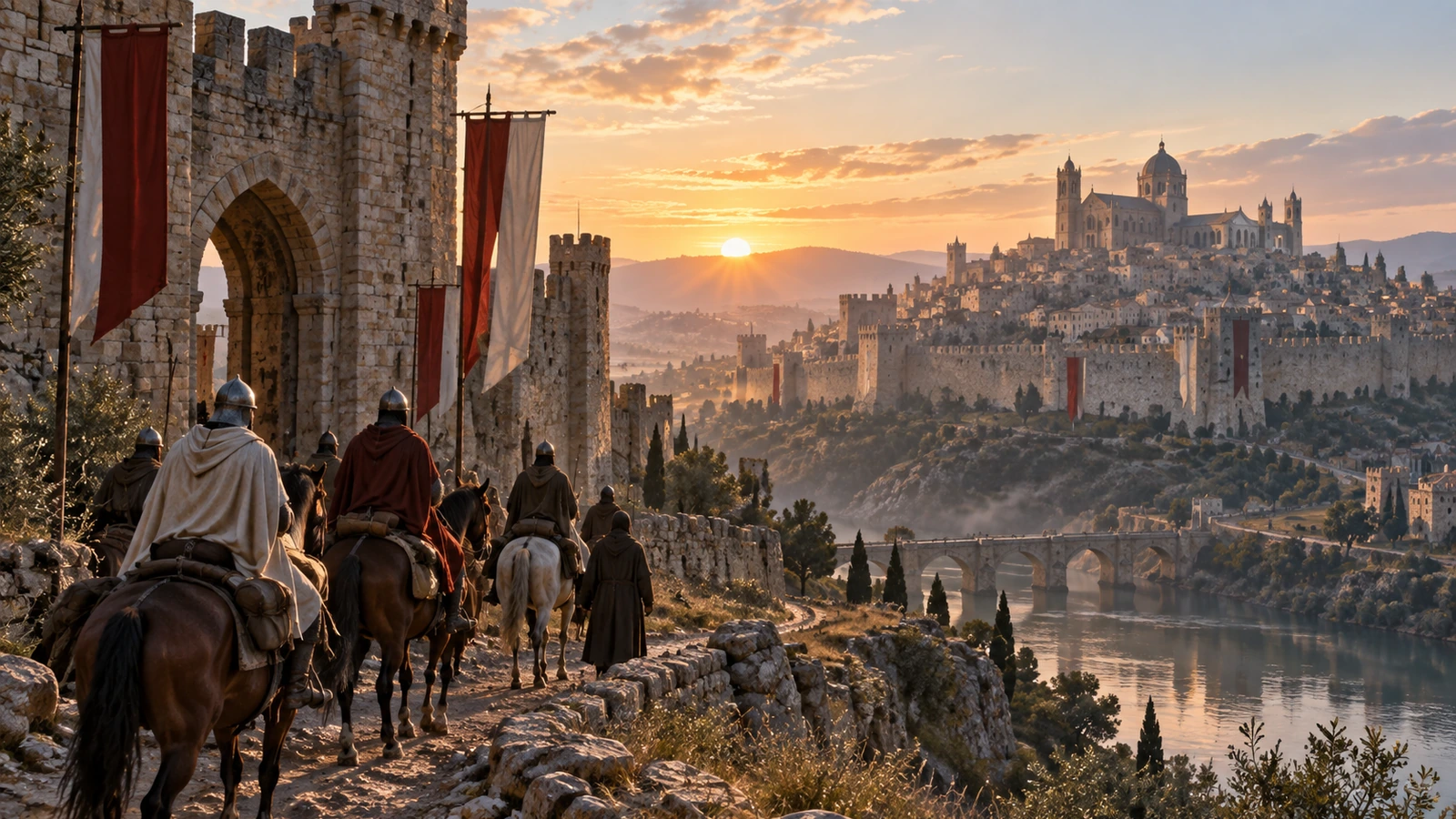
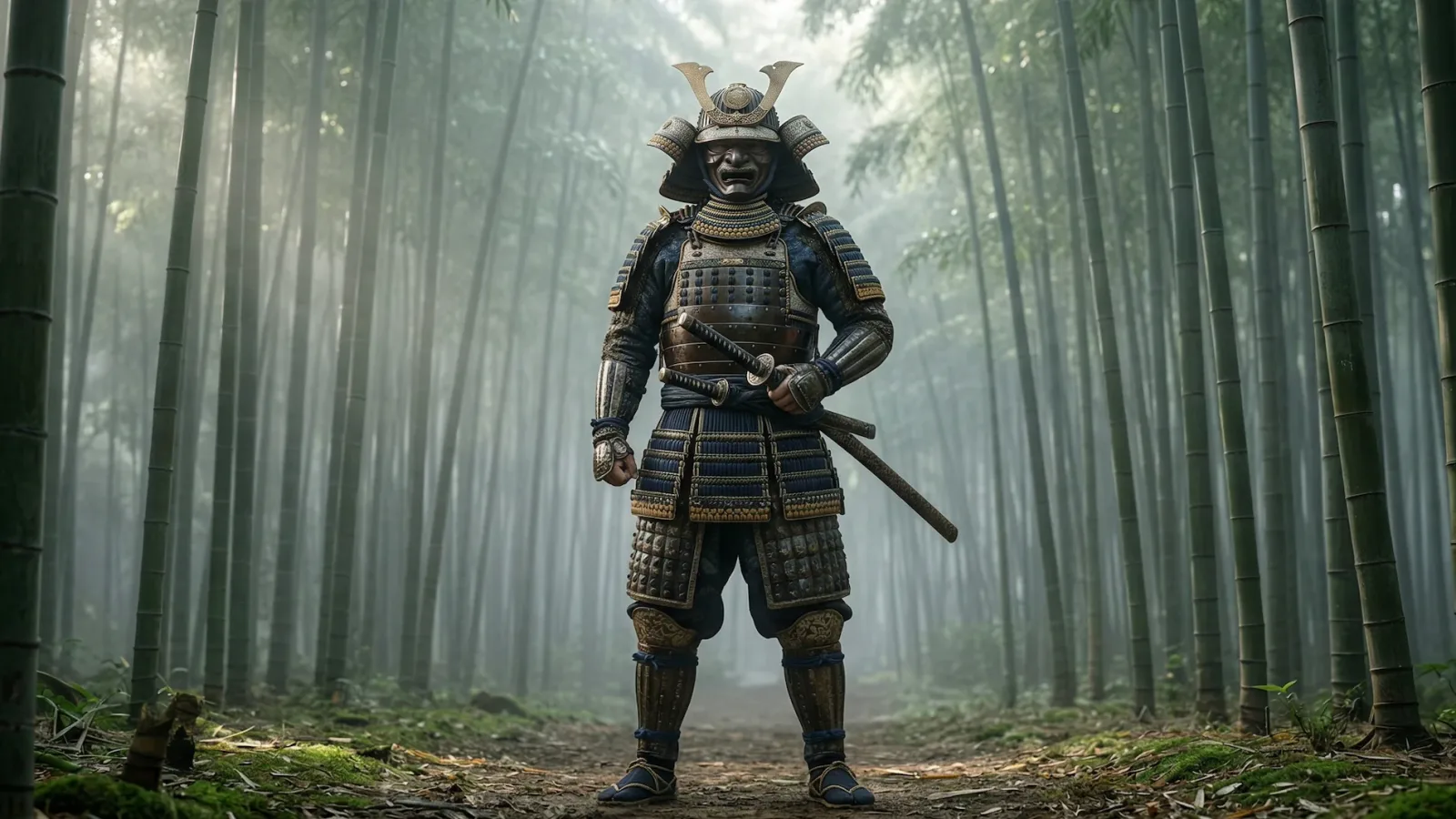
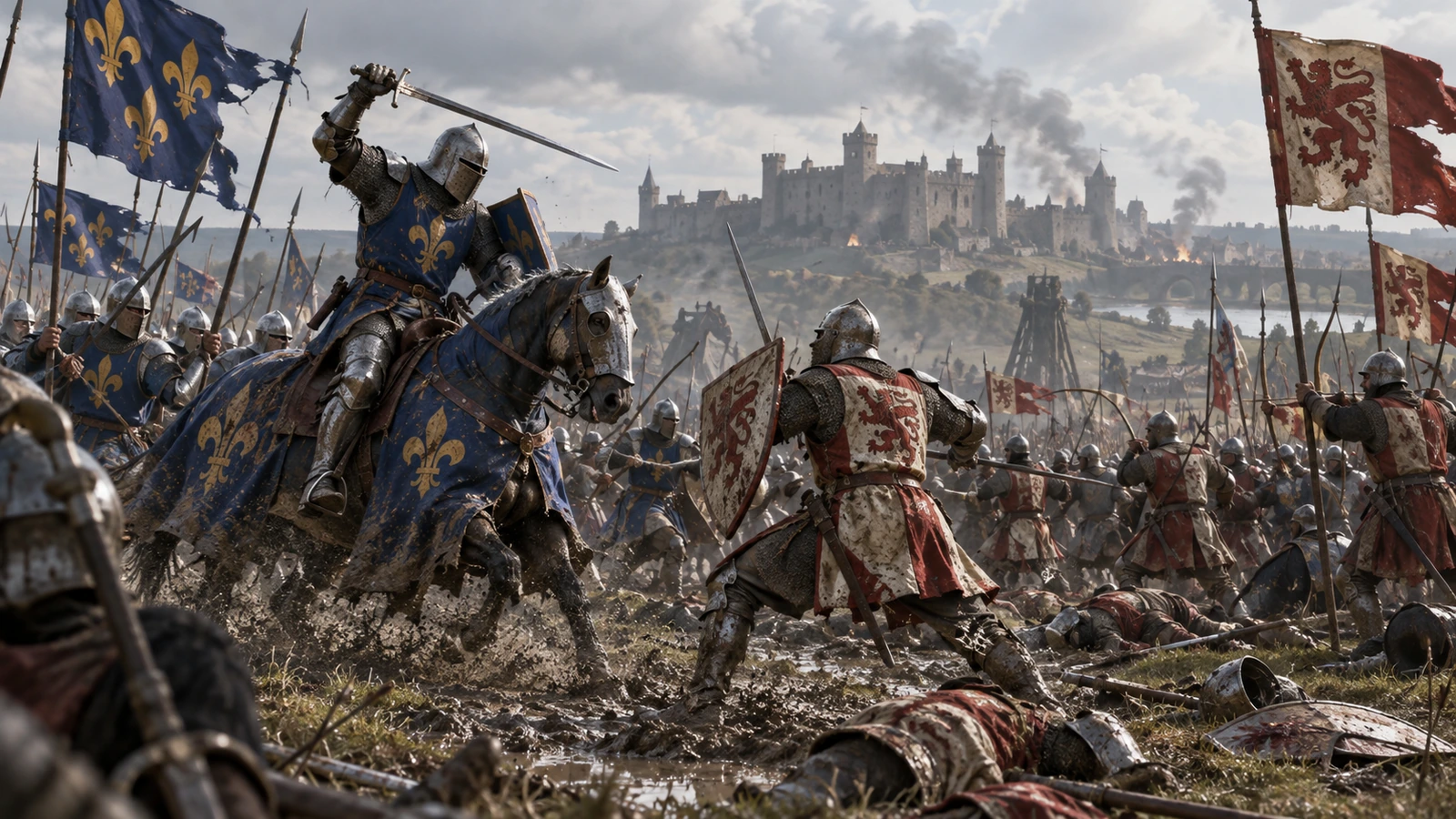
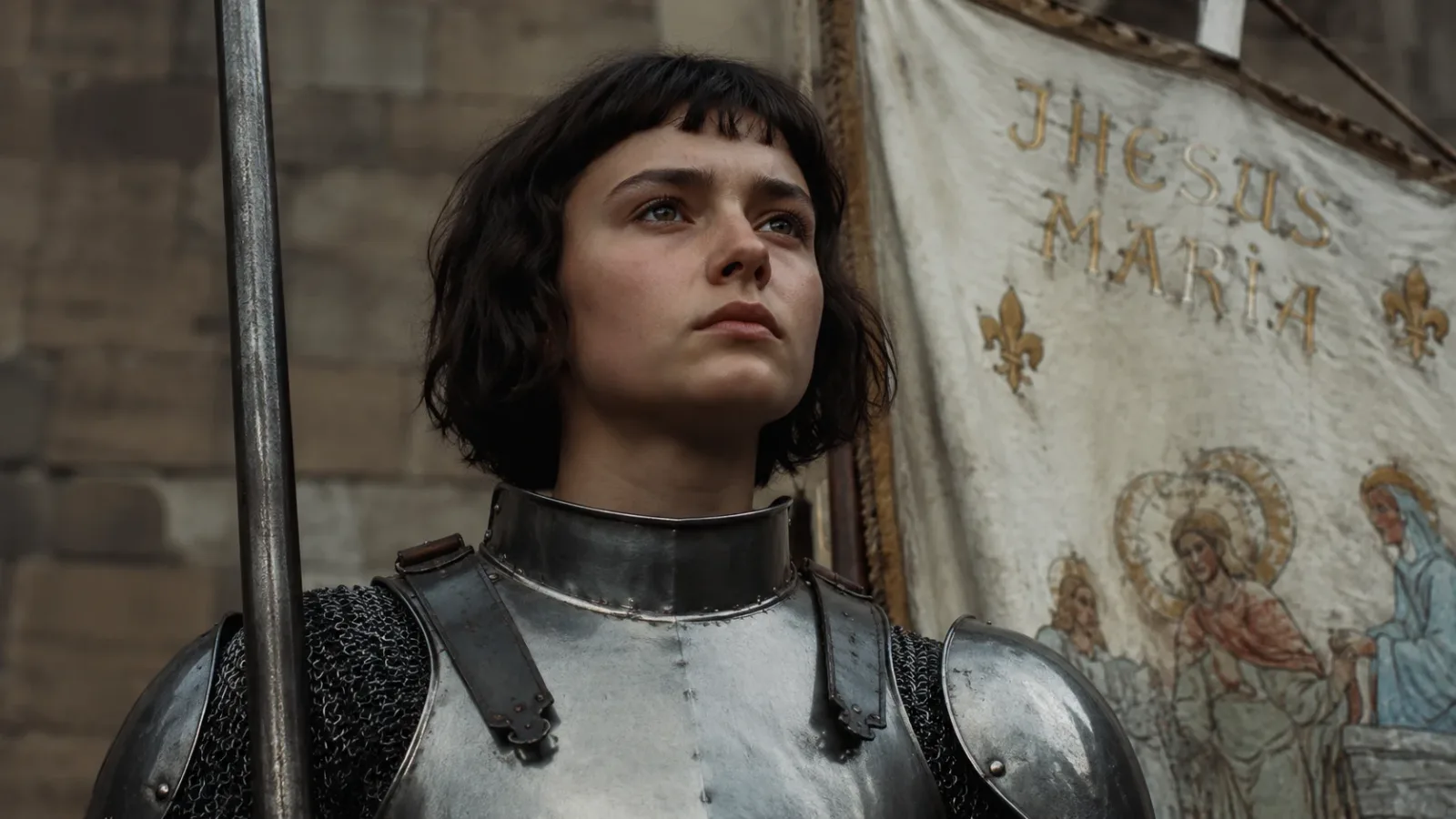
The ancient and medieval worlds were far stranger, cleaner and more connected than many history lessons suggest. This collection travels from ancient Egypt and Greece to the Buddha and the Indian emperor Ashoka, and from the eruption of Mount Vesuvius that buried Pompeii to the Vikings, the Crusades, the Mongol Empire, the samurai of Japan, the Hundred Years' War and Joan of Arc.
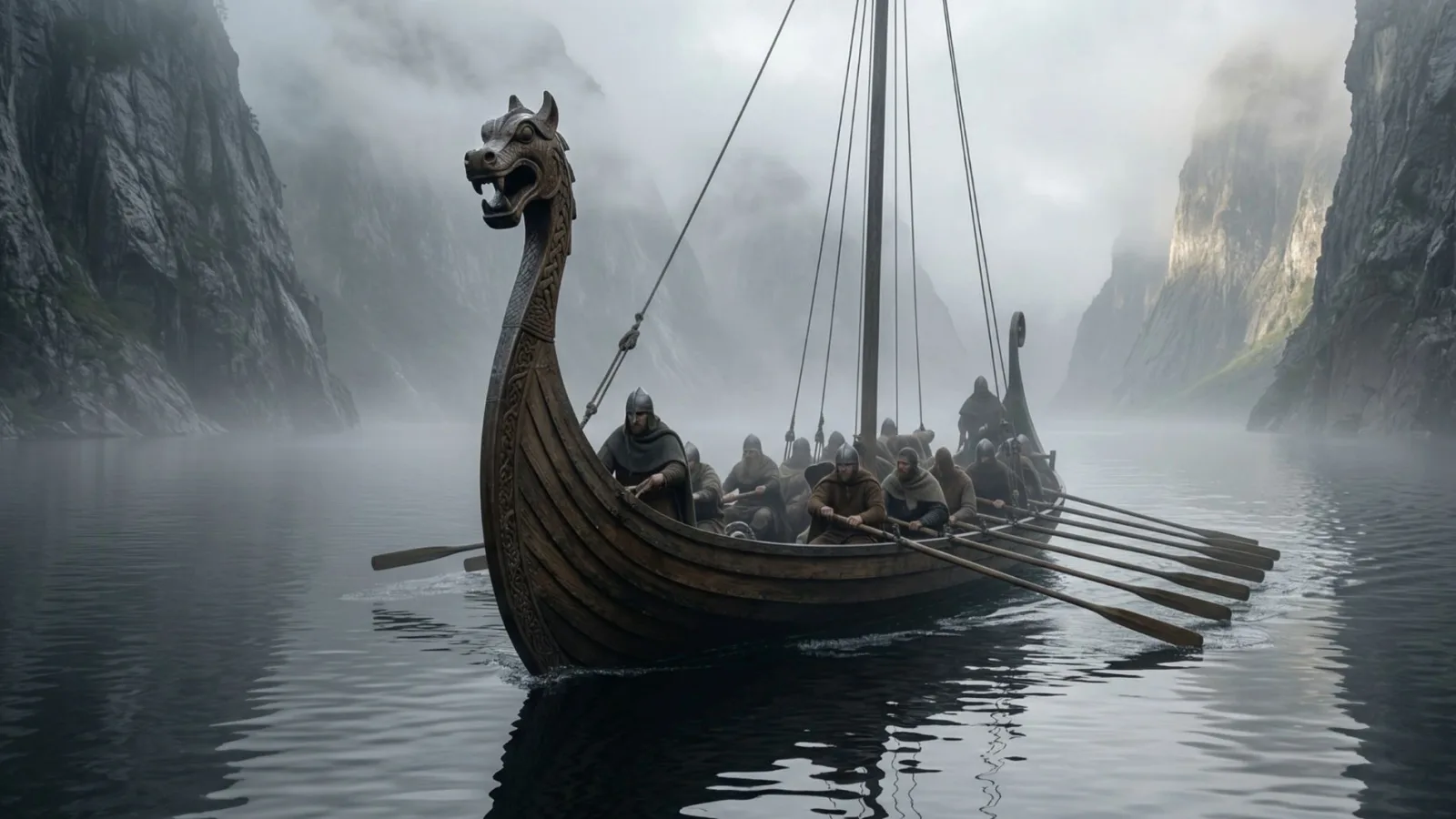
Popular myths fall one after another. The pyramids were built by paid labourers rather than slaves, Napoleon's troops did not shoot the nose off the Sphinx, Vikings never wore horned helmets, and the samurai eagerly adopted firearms. The Hundred Years' War actually lasted 116 years, Joan of Arc never killed anyone in battle, and the plump "laughing Buddha" is not the historical Buddha at all.
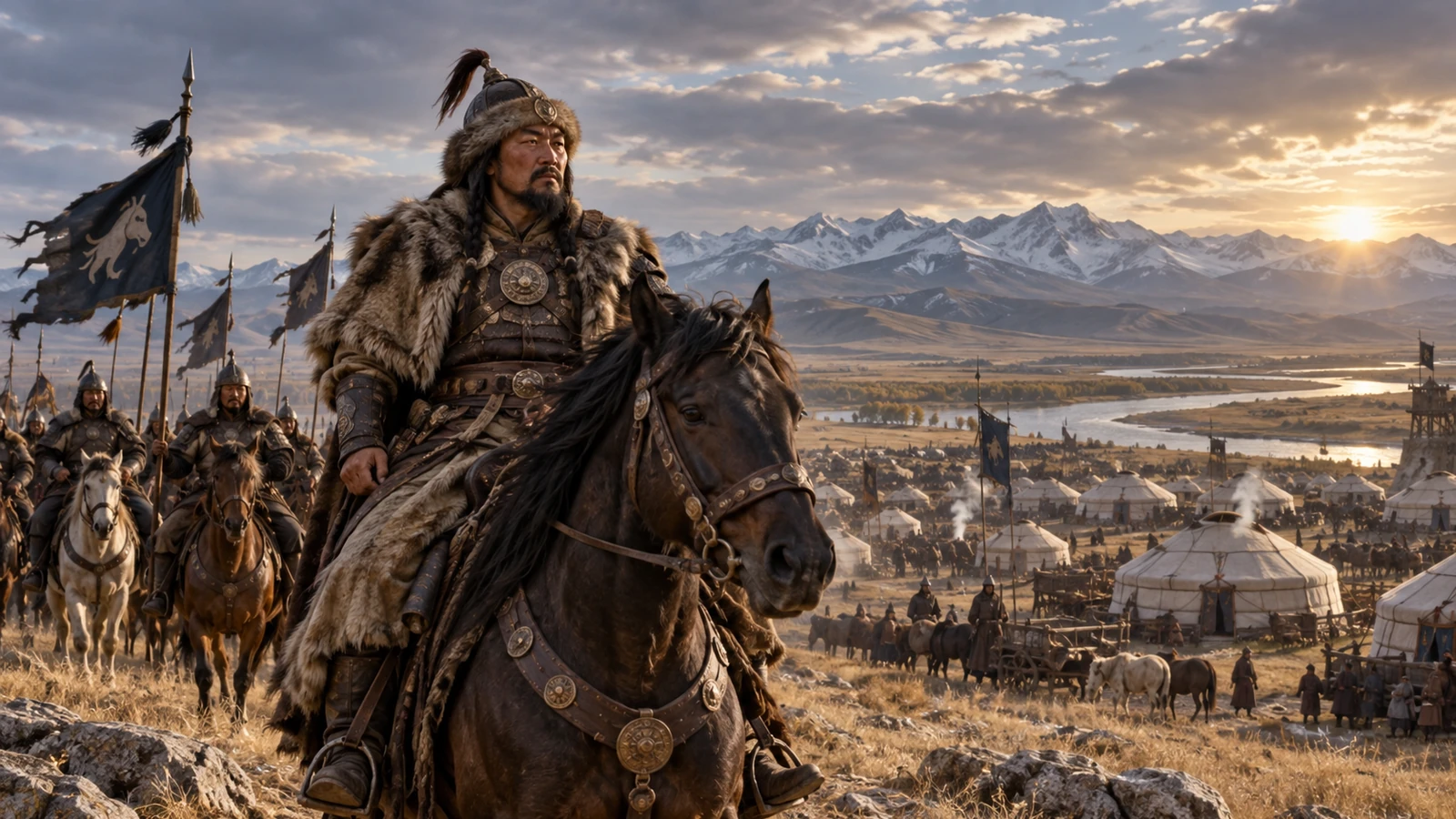
The everyday details are just as surprising. Egyptian police used trained baboons, the Greeks built an ancient "computer" at Antikythera, Vikings set aside Saturday for washing, and Mongol messengers raced across a continent-wide relay network. Ashoka built hospitals for animals, Saladin sent fruit and snow to his feverish enemy Richard the Lionheart, and Pompeii's eruption preserved a whole library of ancient scrolls.
From pharaohs and philosophers to knights and khans, each topic below has fifteen facts to discover.