15 Fun Facts
Travel

Ancient and Archaeological Sites

Humanity's impulse to build monumentally has left behind astonishing architectural legacies. From sky-high Incan citadels to sprawling Egyptian necropolises, these sites unite diverse cultures through their shared ambition to conquer geography and secure immortality. Discover the ingenious engineering and hidden histories behind the world's most incredible ancient archaeological wonders.

Updated 22 September 2026 · 10 items · 150 facts in the linked articles · Reading time 5 min

Humanity's impulse to build monumentally is one of our most defining characteristics. Across punishing deserts, high-altitude mountain ridges, and rolling plains, ancient civilizations have left behind astonishing architectural legacies that continue to captivate us. This collection brings together some of the world's most iconic archaeological sites, uniting diverse cultures across millennia through their shared ambition to conquer geography, honor their gods, and secure a place in eternity.

What makes these monuments truly remarkable is not just their staggering scale, but the ingenious engineering that brought them to life long before the advent of modern machinery. Whether it is the earthquake-resistant underground foundations of an Incan sanctuary, the advanced water management systems carved into the bone-dry Jordanian desert, or the mortar made of sticky rice that held a sprawling empire's defenses together, these sites reveal a profound mastery of the natural world. They challenge our modern assumptions about the technological limitations of the ancient past.

Furthermore, these incredible structures were never entirely static. Over the centuries, many of them have been continuously repurposed and adapted, shifting from imperial fortresses to sacred sanctuaries, and from royal tombs to bustling centers of trade. They have witnessed the rise and fall of empires, weathered catastrophic wars, and even survived accidental explosions, gathering layers of myth and structural evolution along the way.

Dive into the fascinating histories of these enduring marvels. Explore the articles below to uncover the surprising truths, hidden chambers, and secret construction methods behind humanity's greatest archaeological achievements.

The short version

Every item on this page, with the one fact most people get wrong about it.

Name Where you'll meet it The fact worth knowing
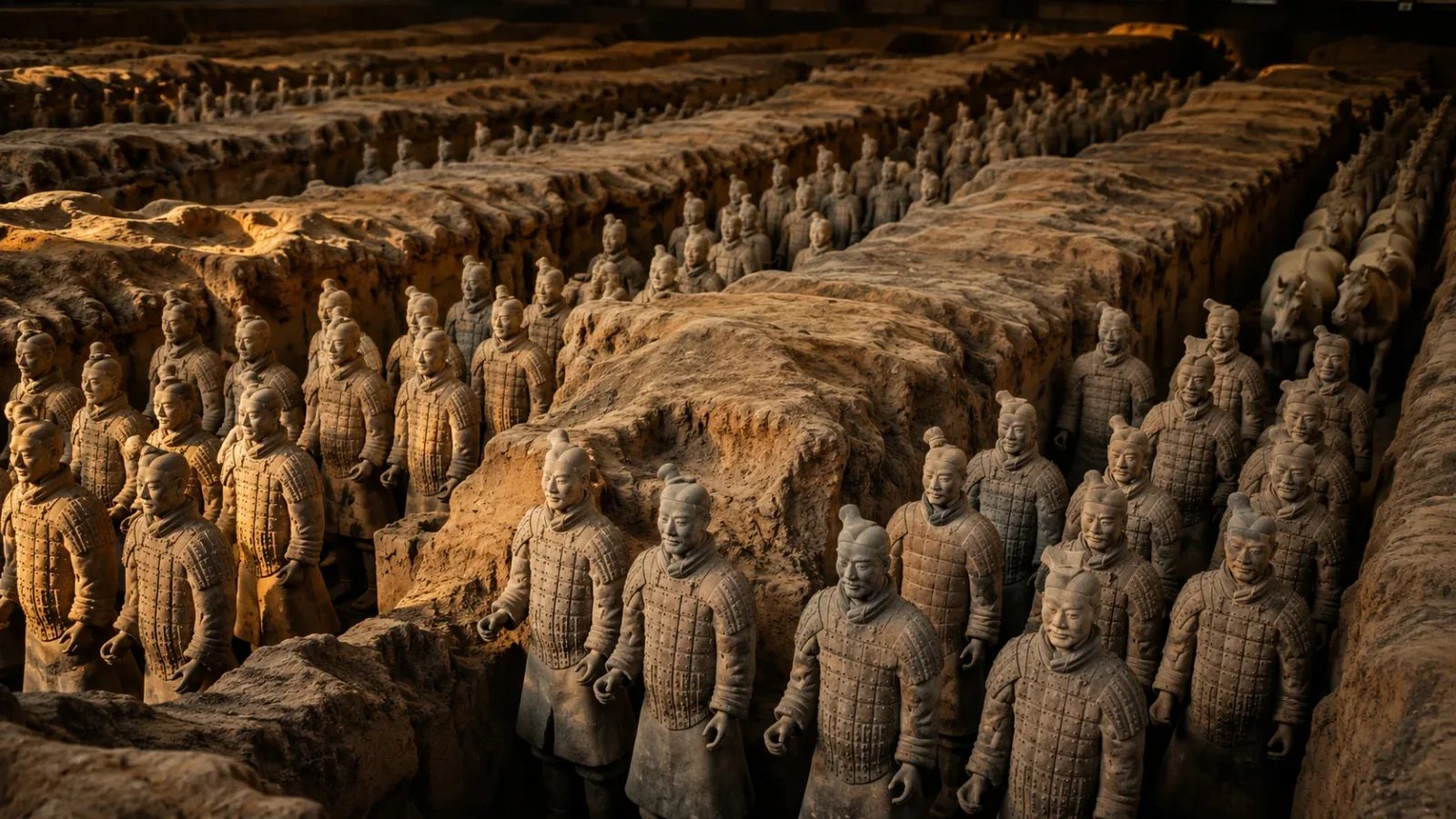
Terracotta Army Shaanxi, China Every single one of the thousands of clay soldiers possesses uniquely sculpted facial features, meaning no two faces are exactly alike.
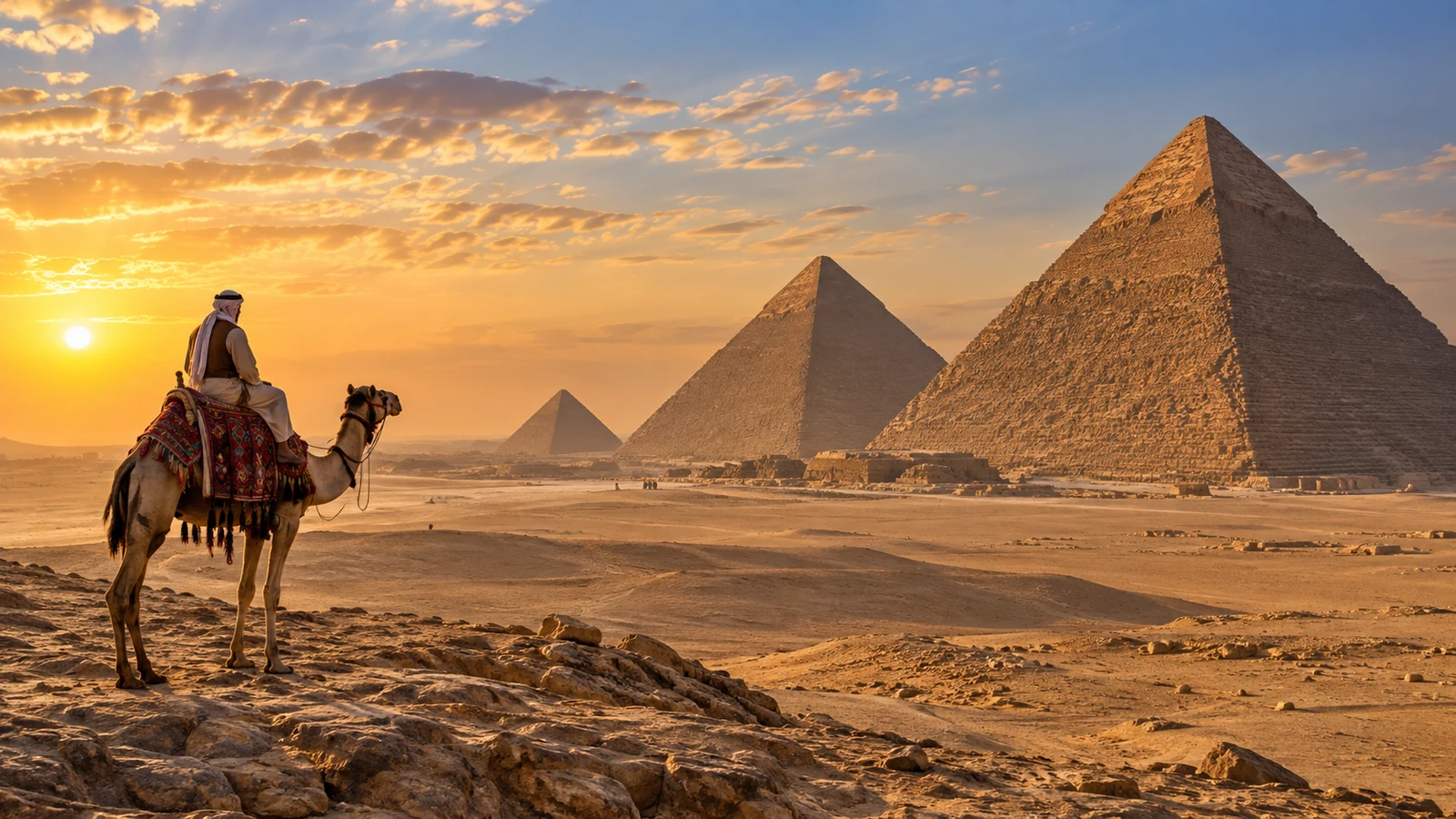
Pyramids of Giza Cairo, Egypt The Great Pyramid was once encased in highly polished white limestone, causing it to shine blindingly in the desert sun like a massive gemstone.
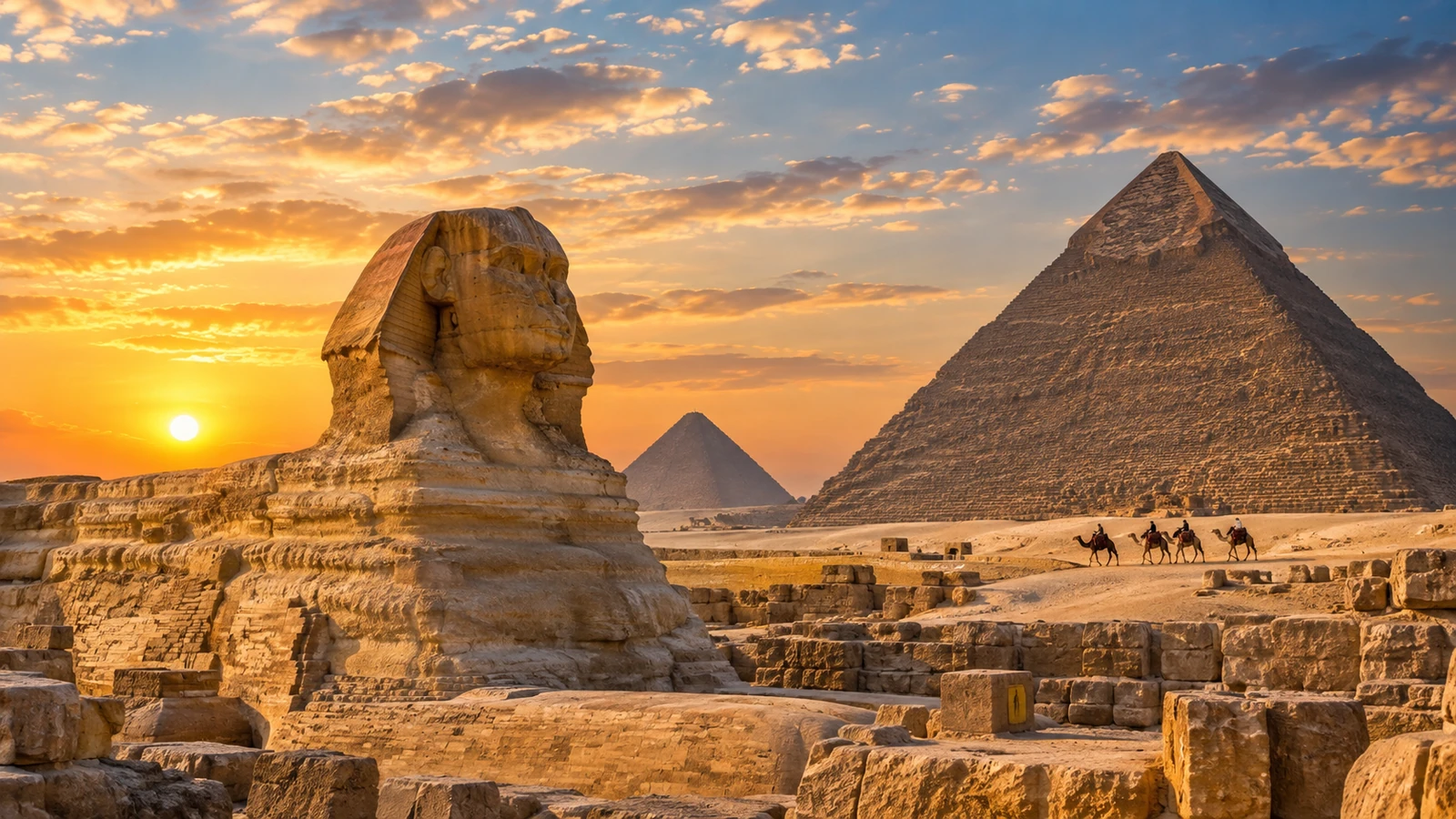
Giza Necropolis Giza Plateau, Egypt The Great Sphinx, which guards the necropolis, was famously carved directly out of a single massive piece of limestone bedrock.
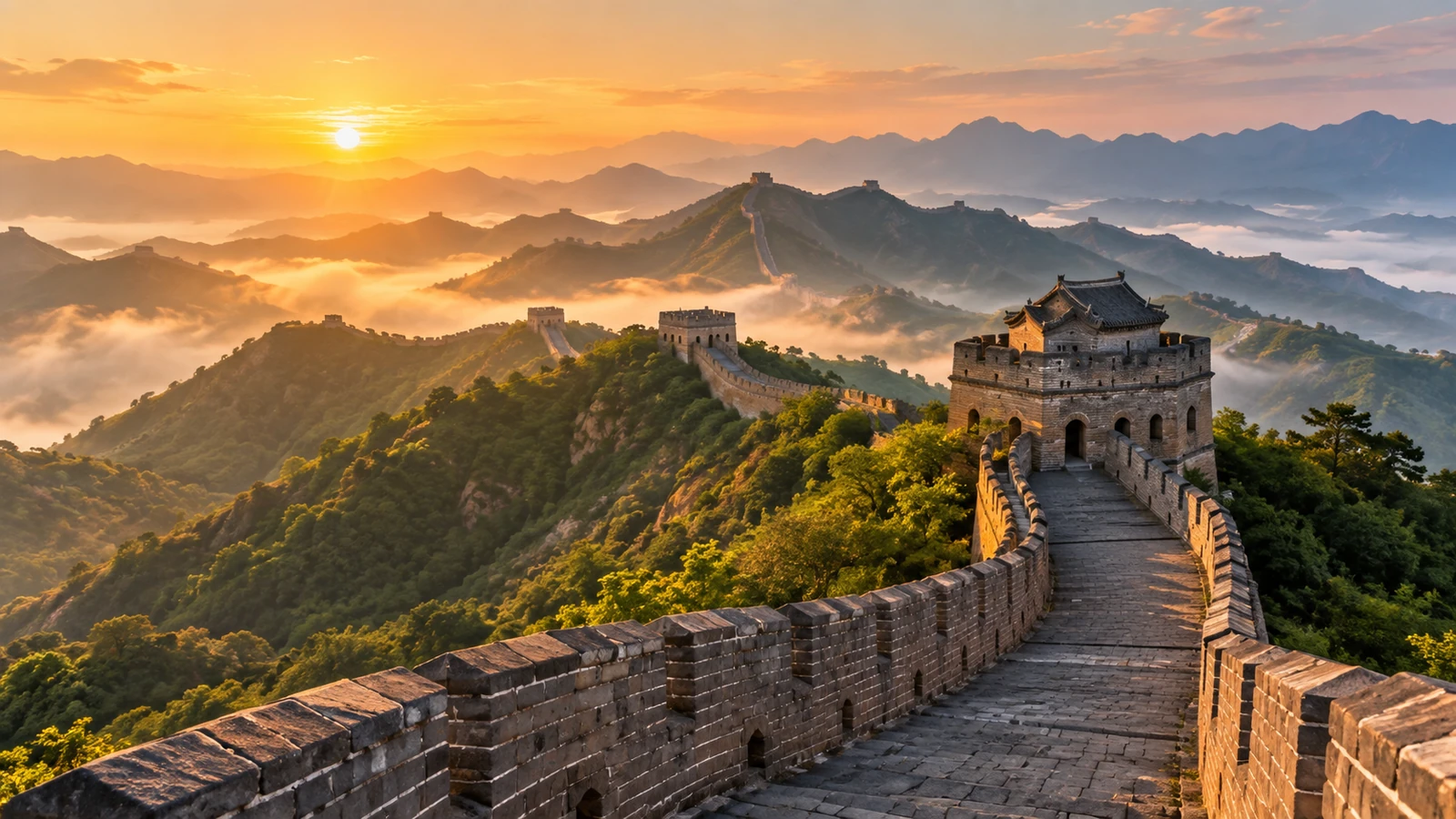
Great Wall of China Northern China Ancient Chinese builders used an innovative mortar made from sticky rice soup and slaked lime to bind the wall's massive stones together.
Acropolis Athens, Greece To create the illusion of perfect straightness, the iconic Parthenon contains almost no straight lines or right angles in its architecture.
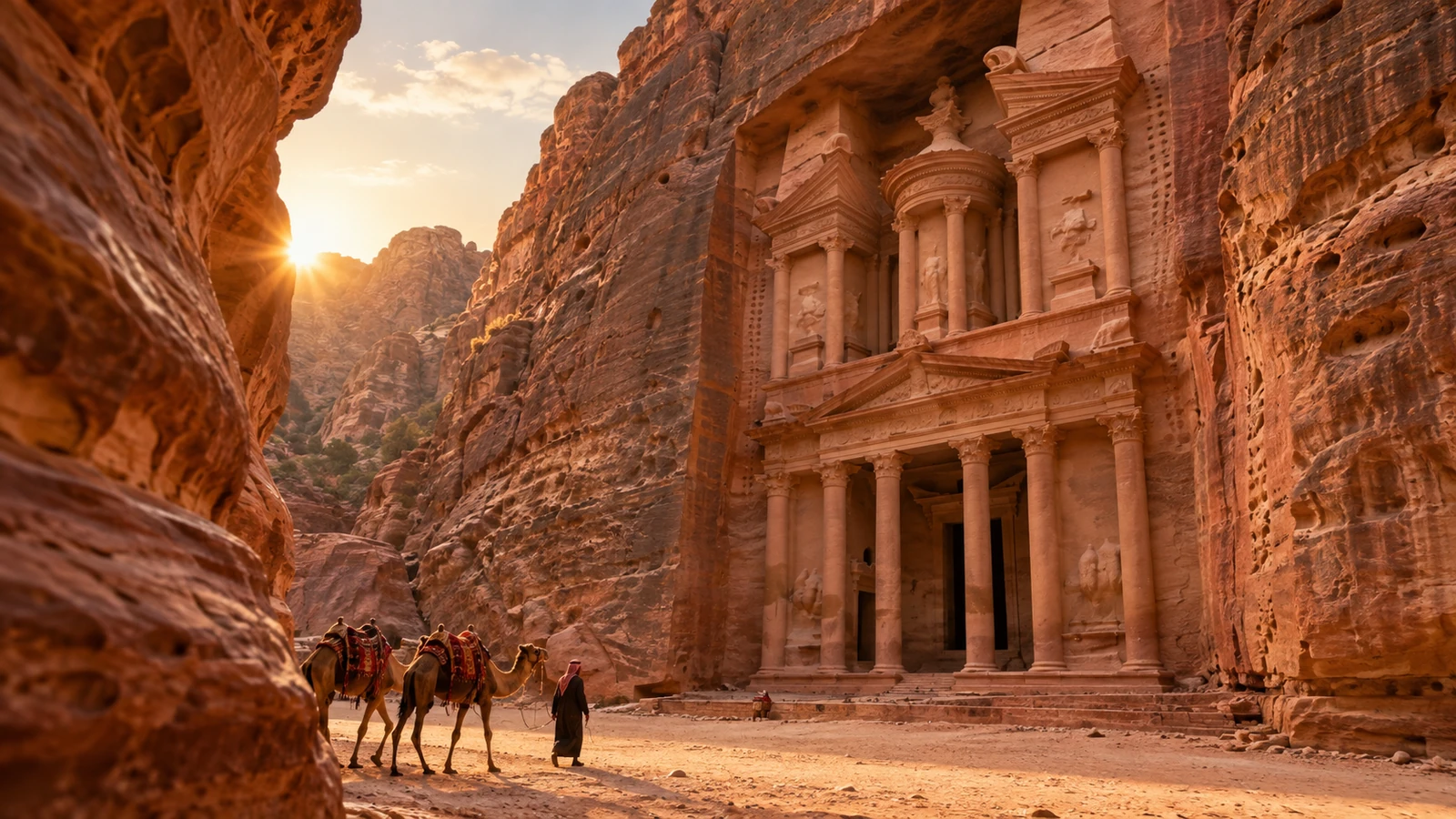
Petra Ma'an Governorate, Jordan The incredible rock-cut facades of Petra were carved from the top down, a perilous technique that required masterful planning to avoid catastrophic mistakes.
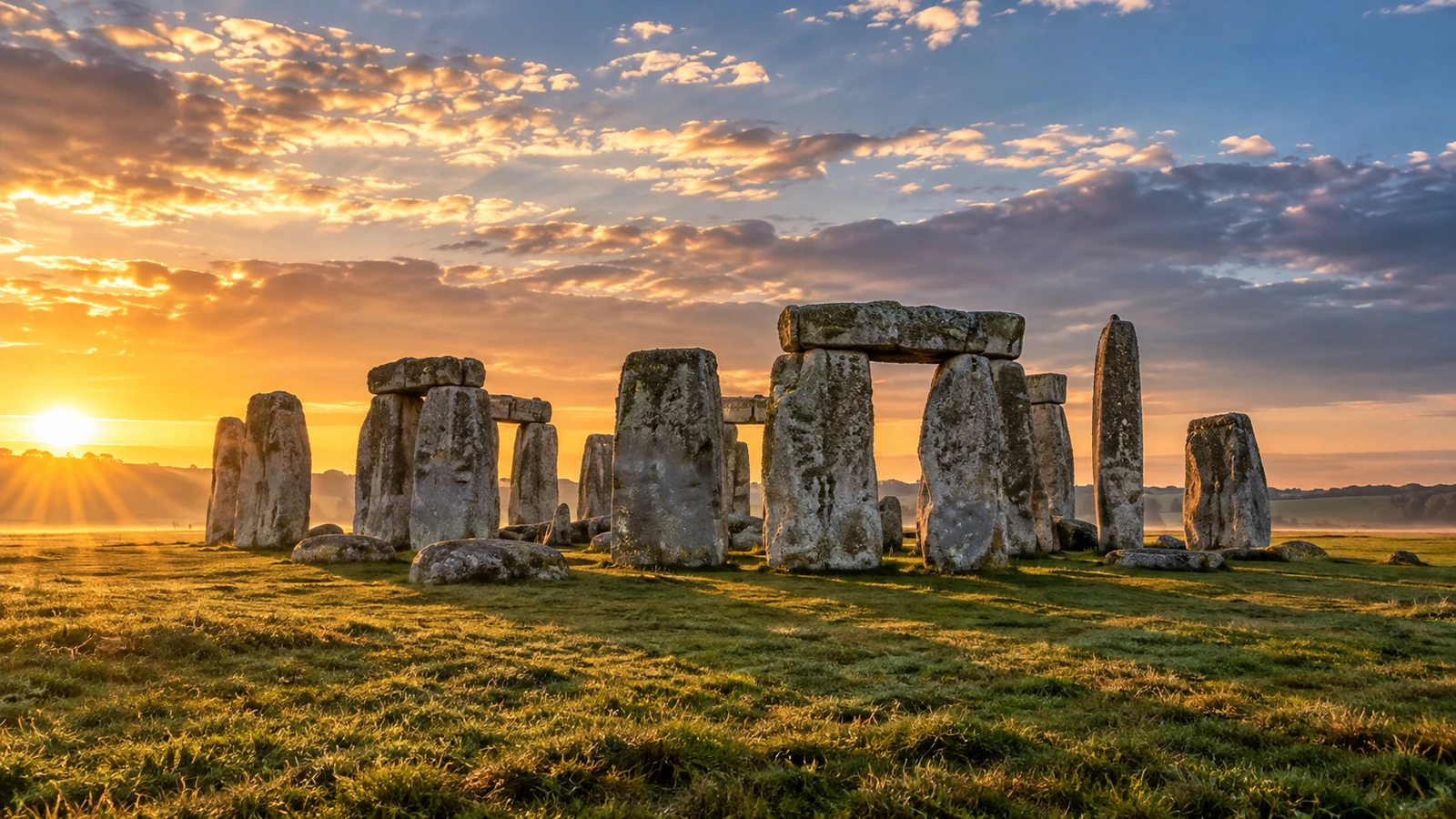
Stonehenge Wiltshire, England Some of the massive bluestones used to construct the inner ring were dragged and floated from a quarry in Wales, over 150 miles away.
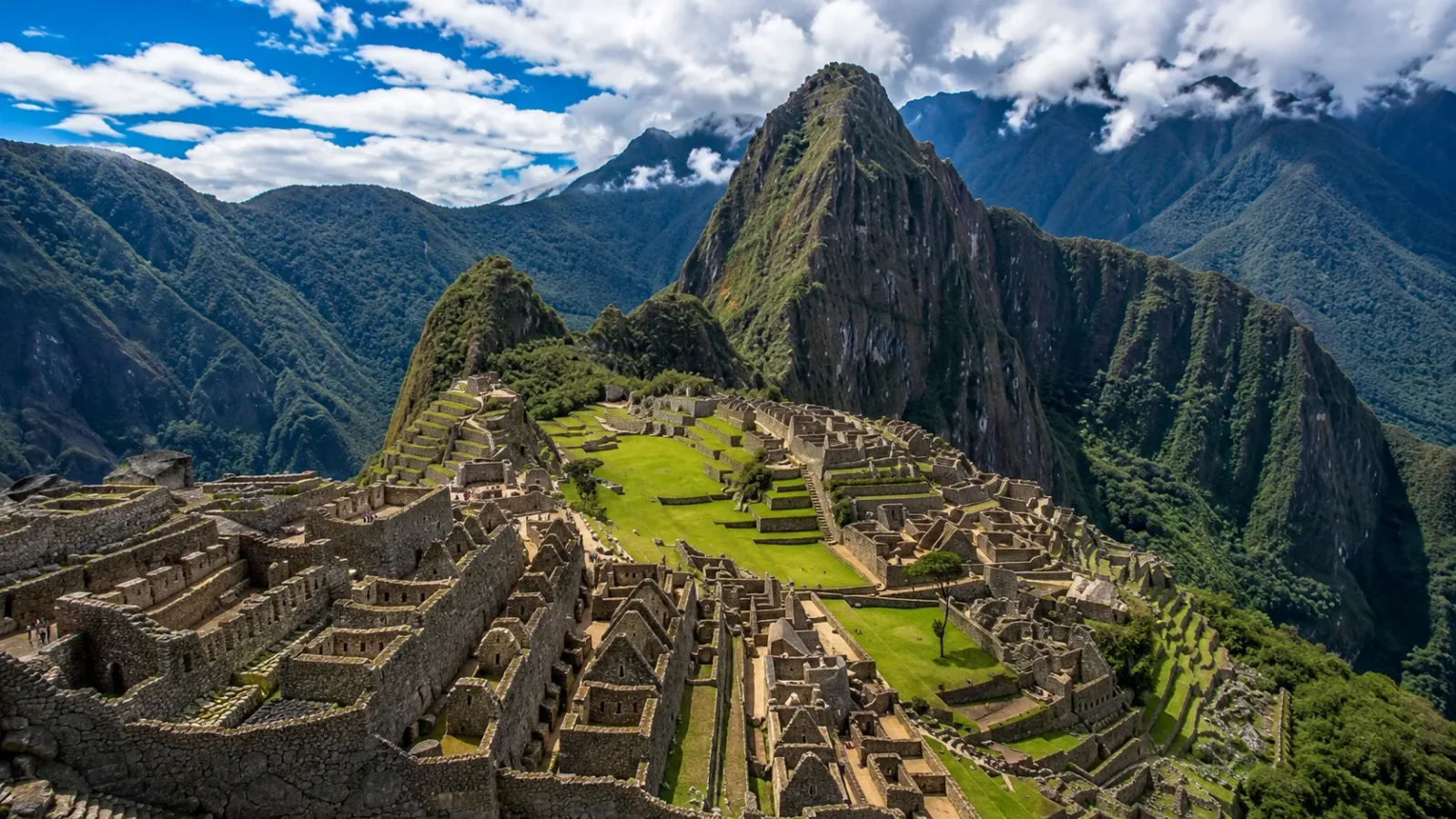
Machu Picchu Andes Mountains, Peru Over 60 percent of the construction effort for Machu Picchu lies completely hidden underground in the form of deep foundations and complex drainage systems.
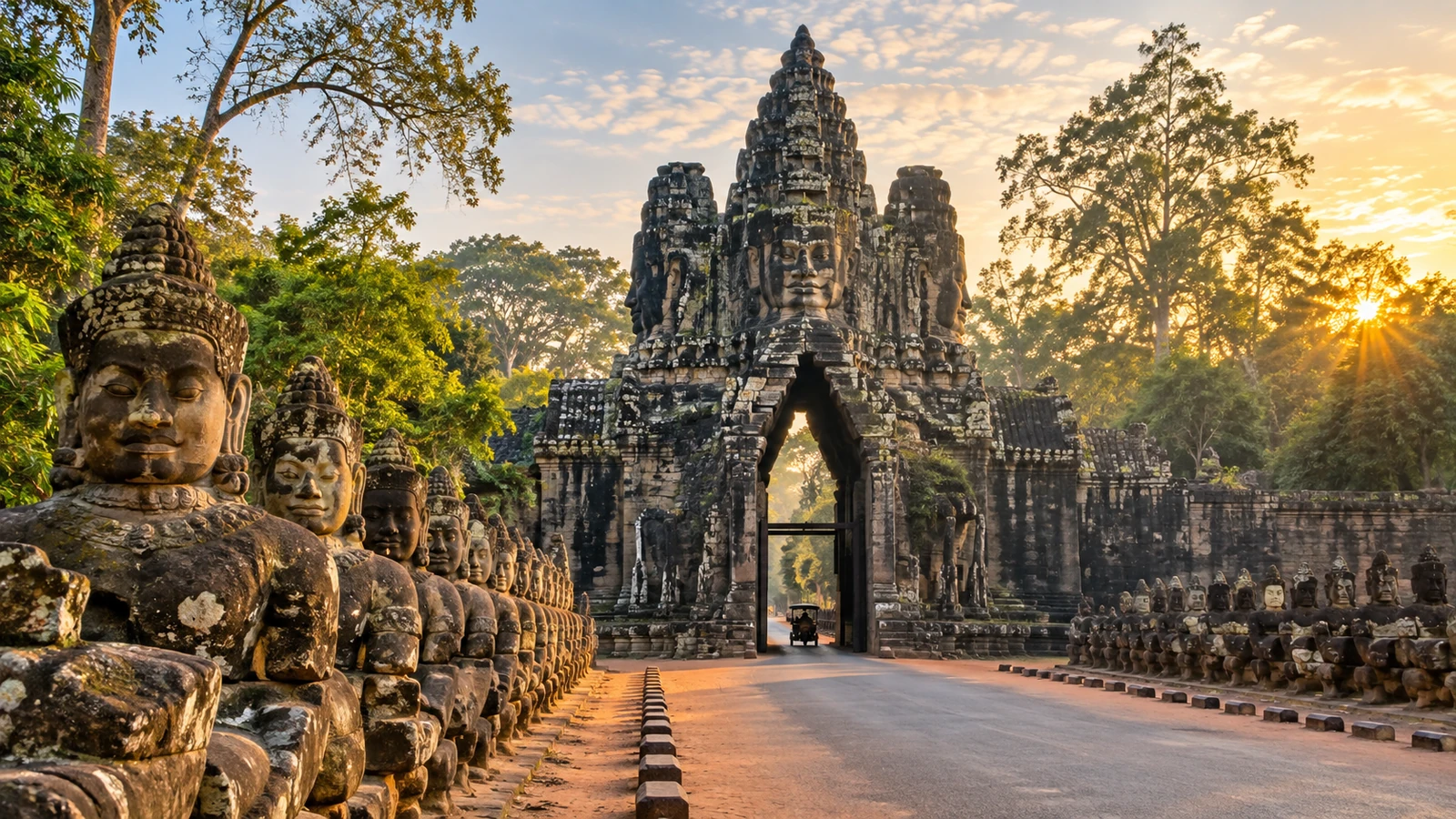
Angkor Thom Siem Reap, Cambodia The city was designed as a massive physical replica of the Hindu universe, complete with a central temple representing Mount Meru and moats acting as cosmic oceans.
Colosseum Rome, Italy

Record holders

Highest Altitude

~7,970 feet

Built atop an Andean ridge, this Incan citadel utilizes extreme mountainous terrain as natural fortification. Machu Picchu

Oldest Site

~3000 BCE

The earliest earthwork enclosures at this famous British stone circle predate the Egyptian pyramids. Stonehenge

Longest Structure

~13,170 miles

This staggering defensive network consists of numerous overlapping walls built across multiple ancient dynasties. Great Wall of China

Heaviest Stones

Up to 80 tons

The massive granite beams that form the King's Chamber in the Great Pyramid are astonishingly heavy to have been lifted by human power alone. Giza Necropolis

All 10, one fact at a time

15 Surprising Facts About the Terracotta Army

Terracotta Army

Shaanxi, China

The obsessive dedication required to craft this spectral legion is hard to fathom. Artisans employed an assembly-line production system for the bodies, but hand-finished each face to give the illusion of a diverse, breathing army. Hidden in subterranean trenches for over two millennia, this earthen guard was meant to protect China's first emperor in the afterlife. Today, ongoing excavations continue to reveal new details about ancient weaponry, lacquer paints, and the intense paranoia of a ruler facing death.

Read the full article →
The Ancient Wonders: 15 Fascinating Facts About the Pyramids of Giza

Pyramids of Giza

Cairo, Egypt

While we see them today as tiered, sandy-colored monoliths, the Pyramids originally boasted smooth, gleaming exteriors that reflected the sun's rays. These colossal structures have weathered millennia of erosion, earthquakes, and stone-looting, yet they remain mathematically astonishing. Modern scanning technologies continue to detect mysterious thermal anomalies and hidden internal voids. Their enduring presence remains a testament to the organizational brilliance of the Old Kingdom.

Read the full article →
The Eternal Wonders: 15 Fascinating Facts About the Giza Necropolis

Giza Necropolis

Giza Plateau, Egypt

Beyond just the famous pyramids, this sprawling complex is a heavily layered landscape of royal tombs, workers' villages, and ancient temples. It offers a comprehensive glimpse into the death-obsessed culture and highly organized labor force of ancient Egypt. Contrary to popular myths about slave labor, the necropolis was built by highly respected, well-fed, and skilled workers. The site continues to yield fascinating secrets about ancient surveying techniques and celestial alignments.

Read the full article →
The Ancient Defensive Titan: 15 Fascinating Facts About the Great Wall of China

Great Wall of China

Northern China

Far from being a single, unbroken structure, this colossal defense network is a complex web of trenches, natural barriers, and stone fortifications built over millennia. The secret to its remarkable durability lies in its unique, organic mortar, which was so strong it still prevents weeds from growing between the bricks in many sections. Equipped with a sophisticated smoke and fire signaling system, the wall allowed imperial guards to transmit warnings over hundreds of miles in mere hours. It is an engineering marvel born from a constant need for border security.

Read the full article →
The Ancient Citadel: 15 Fascinating Facts About the Acropolis

Acropolis

Athens, Greece

The architects of this ancient citadel employed brilliant optical refinements, such as slightly bulging columns and upwardly curving foundations, to correct the human eye's tendency to perceive large straight structures as sagging. Beneath its famous marble temples lie hidden cave shrines that once housed secret cult rituals. Over the centuries, the plateau has endured everything from devastating sieges to a catastrophic gunpowder explosion in the 17th century. Its stones tell a dramatic story of artistic triumph and violent survival.

Read the full article →
The Rose-Red City: 15 Fascinating Facts About Petra

Petra

Ma'an Governorate, Jordan

The Nabataeans transformed a harsh, arid canyon into a thriving desert metropolis through sheer engineering genius. By creating an intricate network of dams, cisterns, and terracotta pipes, they controlled flash floods and guaranteed a year-round water supply for thousands. While Hollywood made its Treasury facade world-famous, much of this ancient rose-red city remains unexcavated, hiding under layers of desert sand. It is an architectural masterpiece carved directly into the living rock.

Read the full article →
The Monumental Mystery: 15 Fascinating Facts About Stonehenge

Stonehenge

Wiltshire, England

This prehistoric stone circle was not built all at once, but rather evolved over multiple distinct phases spanning thousands of years. Recent 3D laser scans have revealed dozens of previously invisible carvings of axes and daggers etched into the pillars by ancient builders. Moreover, the site possesses bizarre acoustic properties that amplify sound internally while deadening it outside the circle, leading some experts to theorize it was designed as much for sound as for celestial alignment. It remains one of antiquity's most enduring mysteries.

Read the full article →
Beyond the Clouds: 15 Fascinating Facts About Machu Picchu

Machu Picchu

Andes Mountains, Peru

Without this invisible network of subterranean engineering, the famous sanctuary would have long ago slid down the steep mountain slopes due to Peru's heavy rainfall. Built without the use of the wheel, iron tools, or mortar, the Incan stonemasons shaped their granite blocks so perfectly that a credit card cannot fit between them today. This allows the structures to 'dance' during earthquakes and settle safely back into place. It is a stunning display of adapting architecture to an unforgiving, high-altitude environment.

Read the full article →
The Imperial Citadel: 15 Fascinating Facts About Angkor Thom

Angkor Thom

Siem Reap, Cambodia

Built by King Jayavarman VII as the new capital of the Khmer Empire, Angkor Thom dwarfs many modern cities in its sprawling ambition. Its most striking feature is the Bayon temple, famous for the hundreds of massive, serene stone faces that gaze out in all directions. Enclosed by a square wall and defended by a crocodile-filled moat, this fortified citadel was built for both spiritual dominance and absolute security. Hidden within its ruins is graffiti left by 17th-century Japanese samurai, proving its long-lasting allure.

Read the full article →
The Monumental Amphitheater: 15 Fascinating Facts About the Colosseum

Colosseum

Rome, Italy

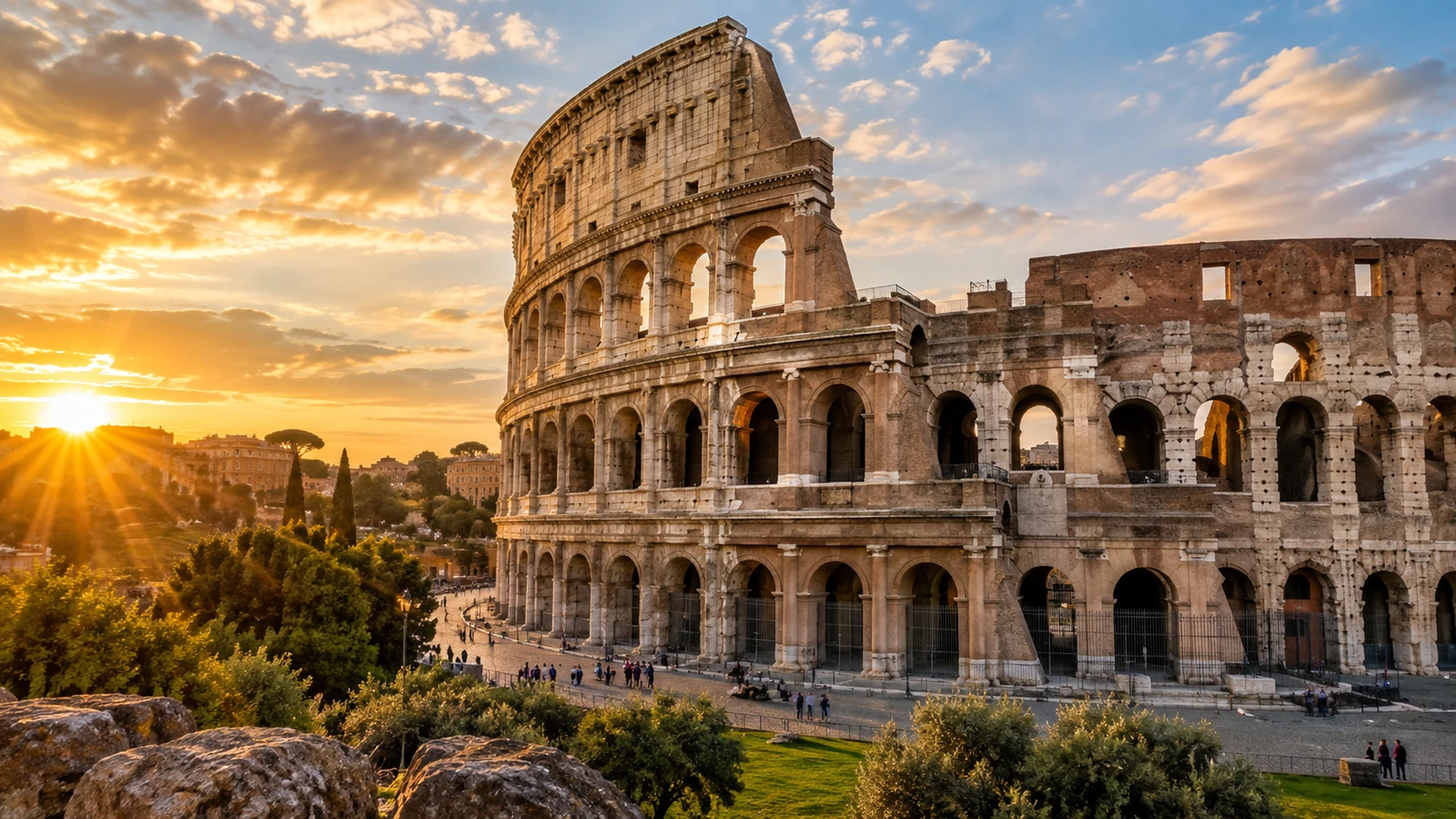
Rome's Colosseum could hold up to 80,000 spectators and featured a massive retractable awning, operated by sailors, to shield the crowd from the sun. Beneath the arena floor lay the hypogeum, a labyrinth of tunnels and lift mechanisms used to hoist gladiators, animals, and scenery through trapdoors for dramatic entrances. Early in its history the arena could even be flooded for staged naval battles, a practice abandoned once the underground hypogeum was built.

Read the full article →

Quiz: how much of that stuck?

7 questions, every answer is somewhere above.

Ancient and Archaeological Sites 0 / 7

1. Which ancient site utilized sticky rice soup in its construction?

2. What percentage of Machu Picchu's construction effort is hidden underground?

3. The inner bluestones of Stonehenge were transported from a quarry located how far away?

4. The rock-cut facades of Petra were uniquely carved in which direction?

5. To make the Parthenon appear perfectly straight, its ancient architects did what?

6. Angkor Thom was designed as a physical replica of what?

7. Why are the faces of the Terracotta Army soldiers unique?

Frequently asked

How did ancient builders cut and move such massive stones without modern machinery?

Ancient civilizations relied on a combination of massive human labor, animal power, and ingenious mechanical devices like sledges, wooden rollers, and ramps. In places like Egypt and Peru, stonecutters used friction, sand, and harder stones to pound and shape blocks, while rivers and canals were frequently utilized to float heavy materials close to building sites.

Why are so many ancient monuments aligned with the sun or stars?

Many ancient cultures viewed celestial bodies as deities or vital calendars for agriculture. Aligning structures with solstices, equinoxes, or specific star clusters allowed these societies to track seasons accurately, perform properly timed religious rituals, and symbolically connect earthly rulers with the divine heavens.

Were the Pyramids of Giza built by slaves?

Modern archaeological discoveries, such as the workers' villages and tombs near the pyramids, indicate that the laborers were not slaves. They were actually highly organized, well-fed, and respected Egyptian citizens who were either skilled craftsmen or drafted as part of a national labor tax during the agricultural off-season.

Why were ancient temples and statues painted rather than left as plain stone?

Though we associate ancient Greek, Roman, and Egyptian architecture with pristine white marble or bare stone today, originally they were brightly painted in vivid reds, blues, yellows, and greens. Paint helped statues and reliefs stand out in bright sunlight, conveyed symbolic meanings, and made the structures appear far more lifelike and imposing to ancient visitors.

Keep going

Enjoyed these facts? There's more! 💌

Fresh fun facts in your inbox. No spam, ever.