TV and Cinema
Movies That Defined Cinema
Ten films that defined modern cinema, from The Godfather and Back to the Future to Pulp Fiction, Forrest Gump, The Shawshank Redemption, The Matrix and Inception, with the production chaos and happy accidents behind them.
Updated November 3, 2026
·
10 items
·
150 facts in the linked articles
·
Reading time 3 min
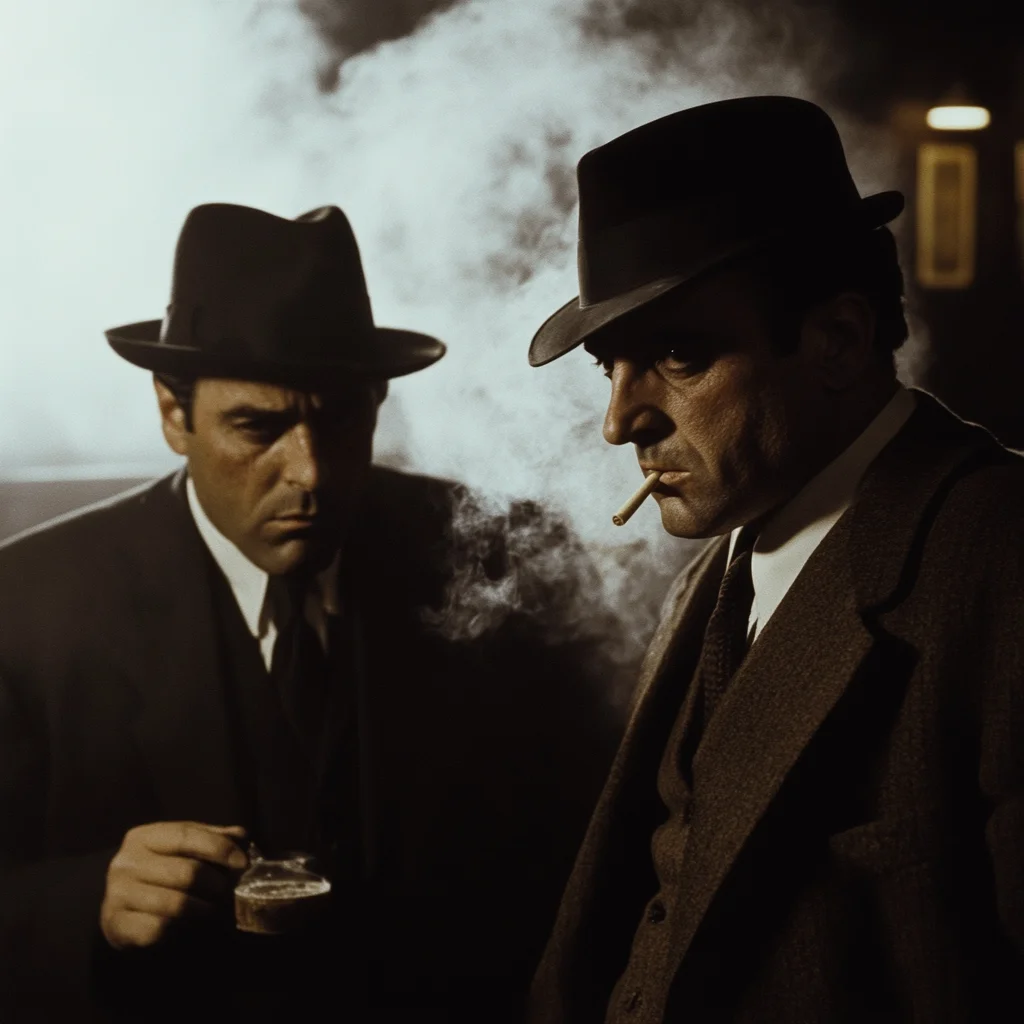
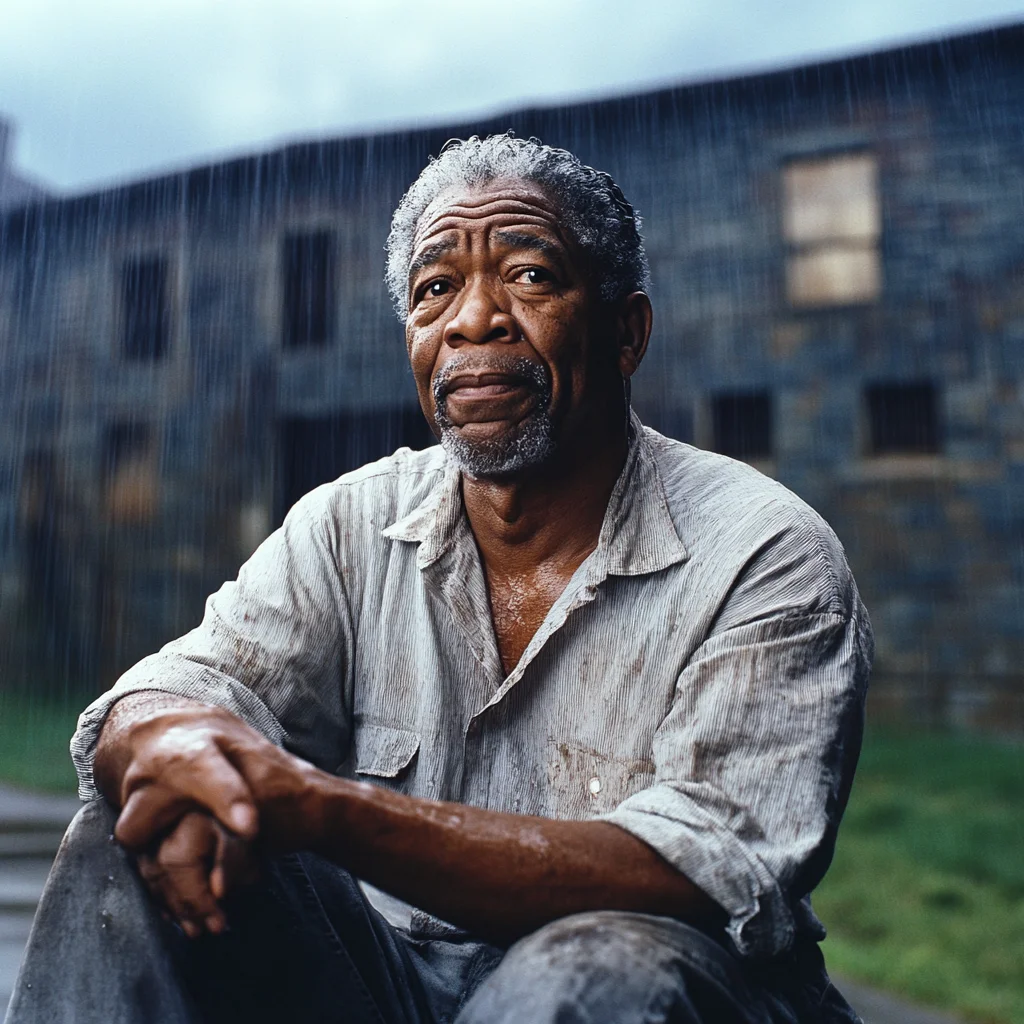
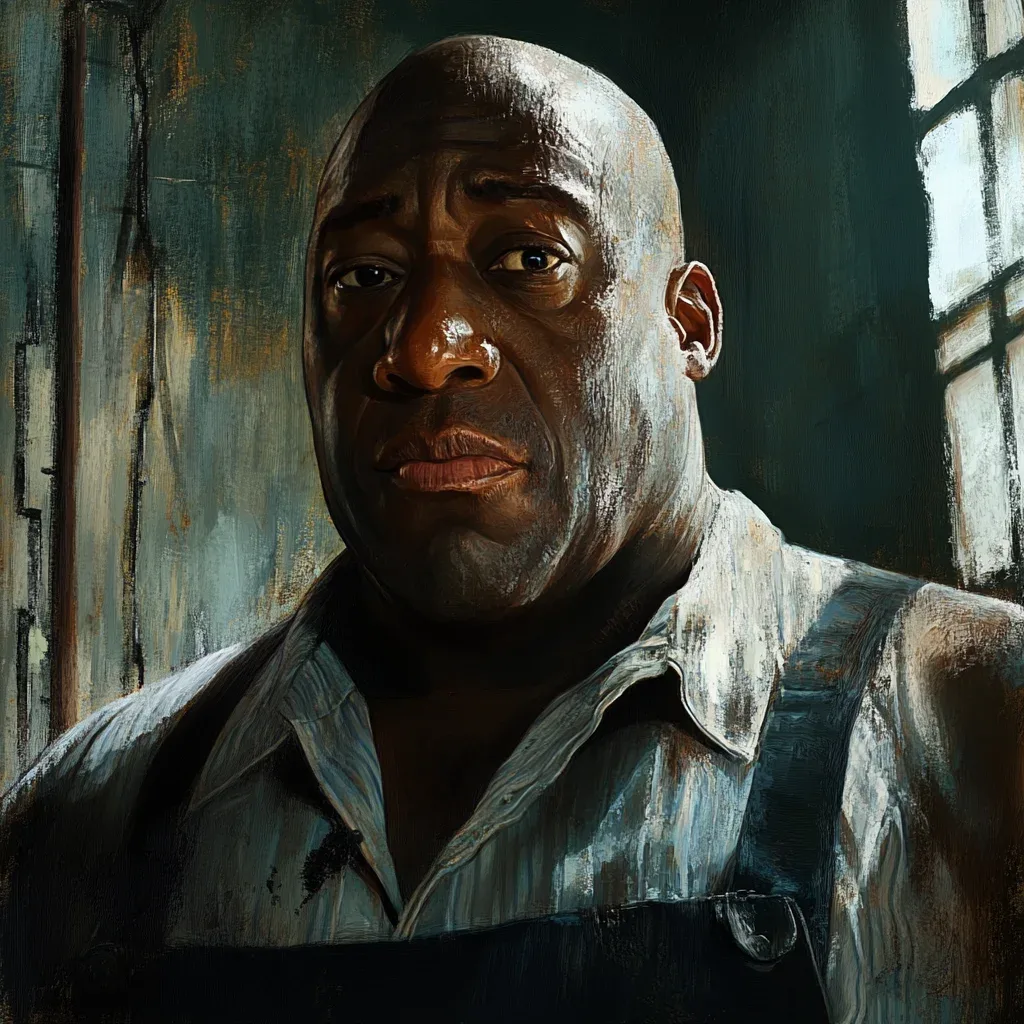
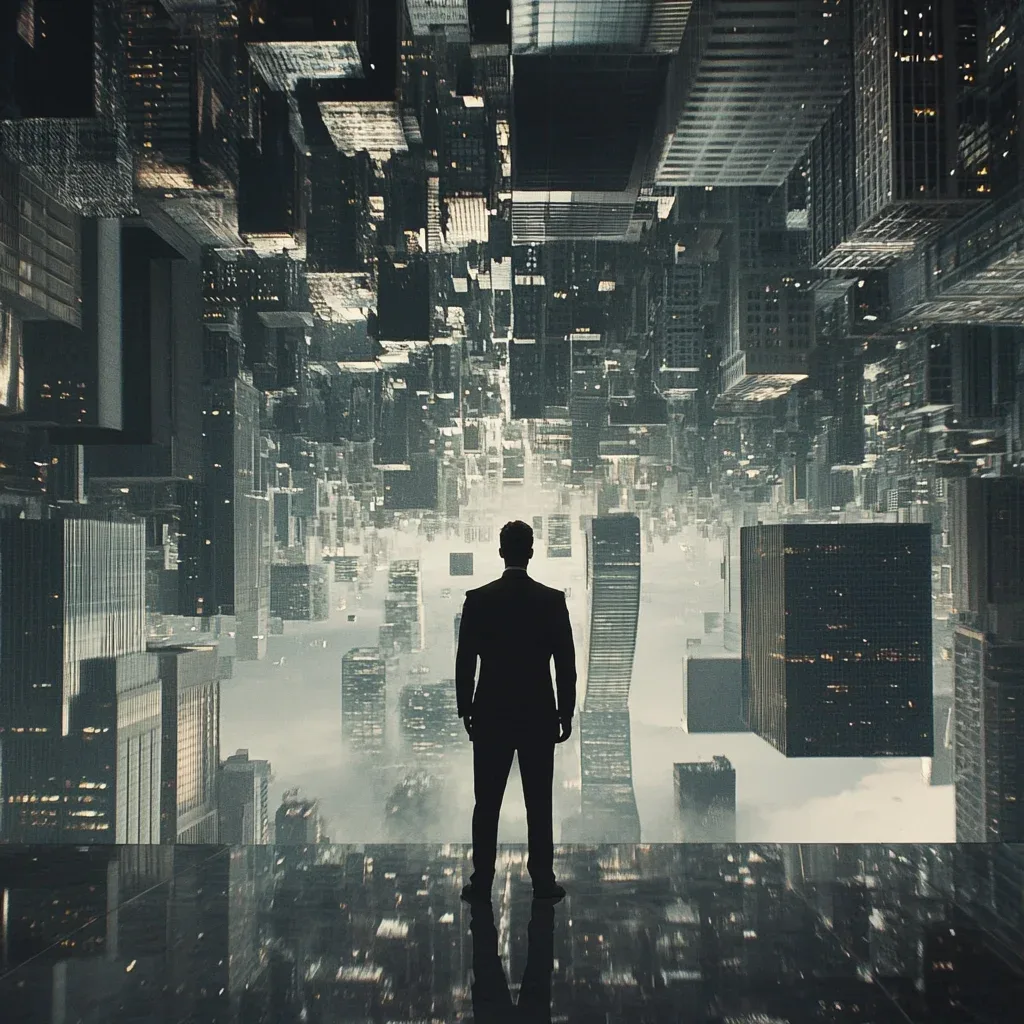
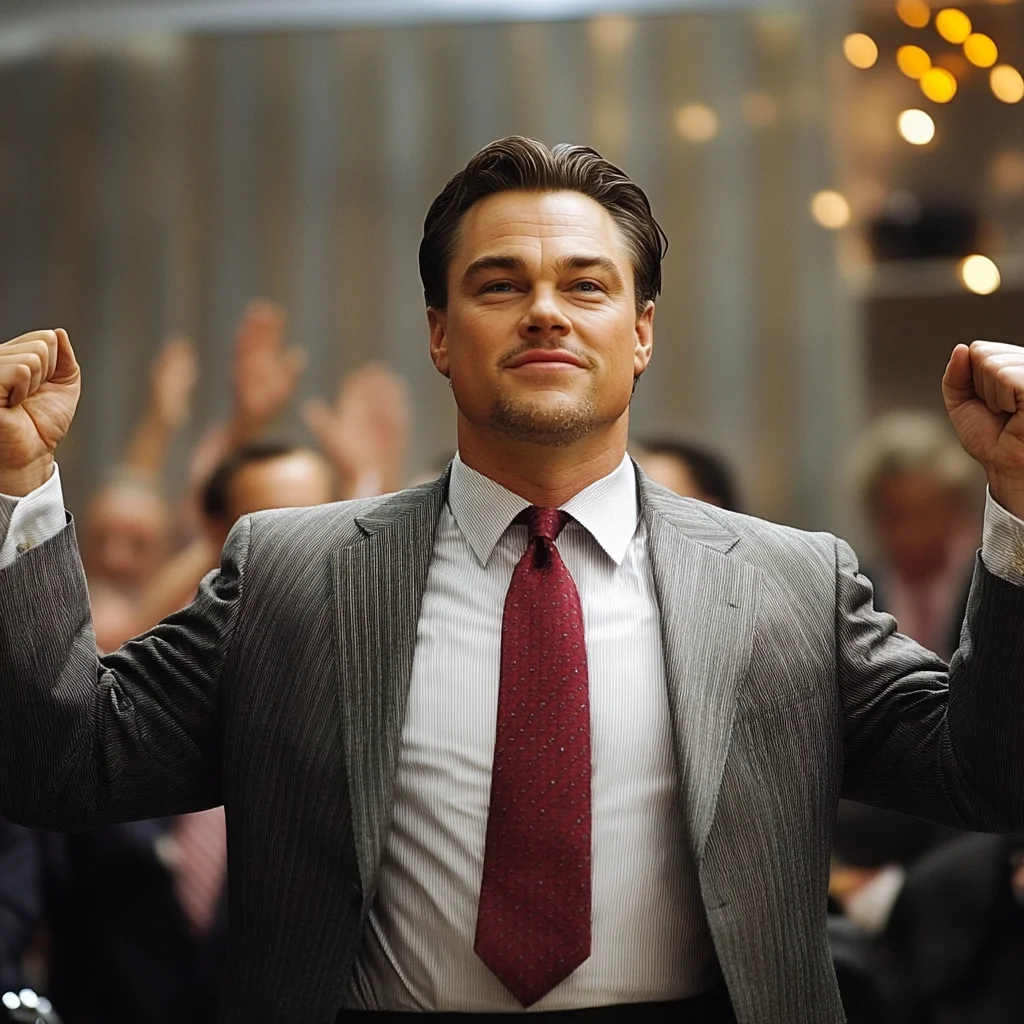
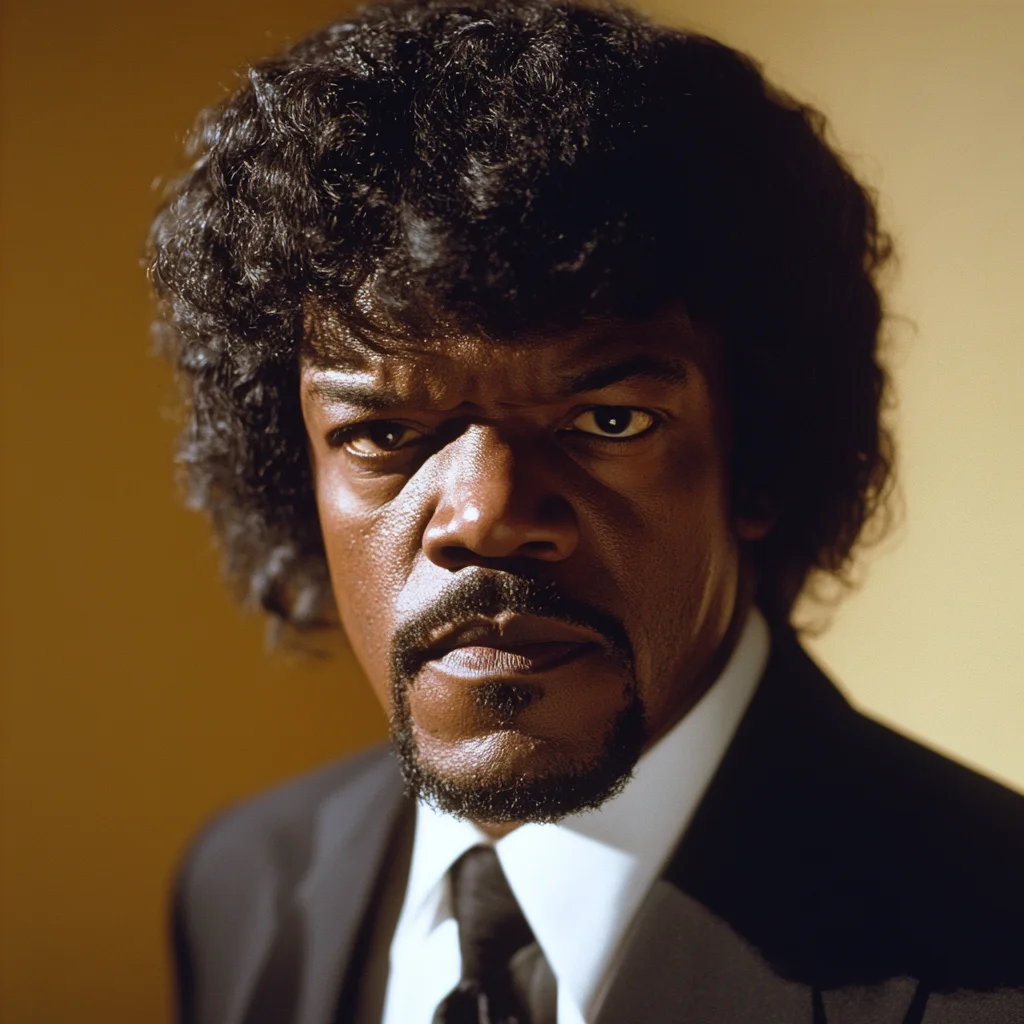
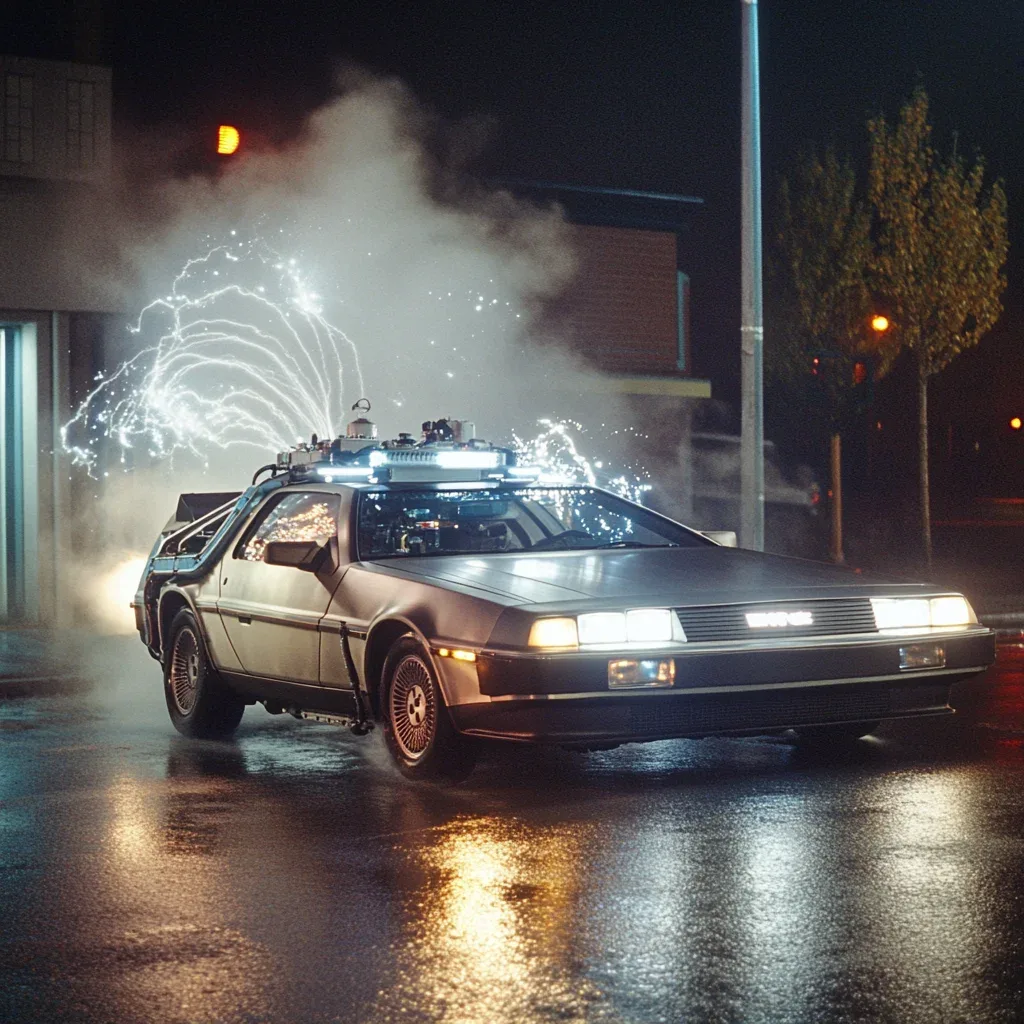
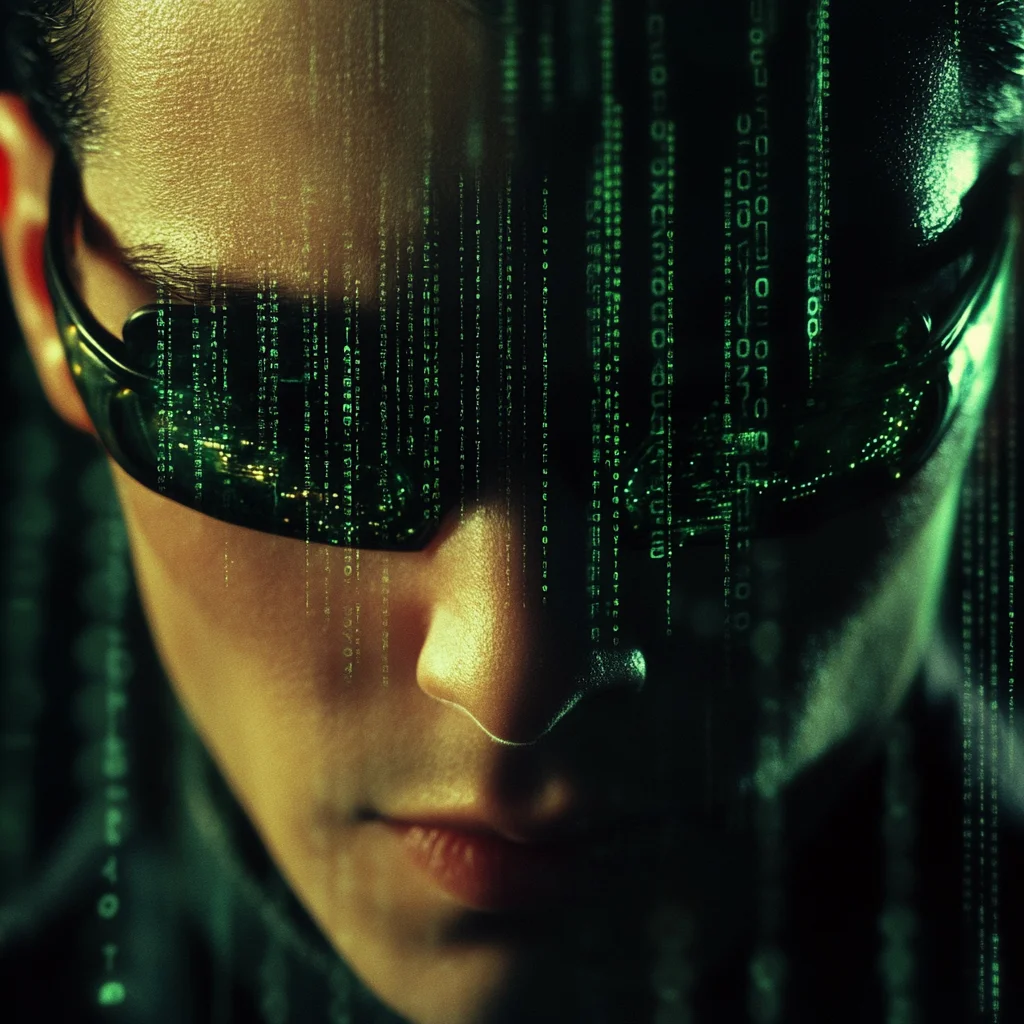
Some films do more than entertain: they change how movies are made and remembered. This collection looks behind the scenes of ten of them, from Francis Ford Coppola's The Godfather in 1972 to Martin Scorsese's The Wolf of Wall Street in 2013. Along the way come the 1980s time-travel classic Back to the Future, the extraordinary year of 1994 that produced Pulp Fiction, Forrest Gump and The Shawshank Redemption, the Stephen King drama The Green Mile, the sci-fi landmarks The Matrix and Inception, and the French hit The Intouchables.
Their production stories are often as dramatic as the films. Al Pacino was nearly fired from The Godfather, Eric Stoltz filmed Marty McFly for six weeks before being replaced by Michael J. Fox, and the Back to the Future script was rejected more than forty times. Stephen King sold the rights to his Shawshank novella for a single dollar, and the film itself flopped at the box office before becoming one of the most beloved movies ever made.
Many famous moments were improvised or achieved with simple tricks. Clemenza's cannoli line was unscripted, the glowing briefcase in Pulp Fiction was just a light bulb, the Matrix's green code was made of sushi recipes, and Inception's rotating hallway fight used no CGI at all. Matthew McConaughey invented the chest-thumping ritual in The Wolf of Wall Street on the spot.
Pick a film below and read fifteen facts about how it was made.