The Cinematic Visionary: 15 Fascinating Facts About Quentin Tarantino
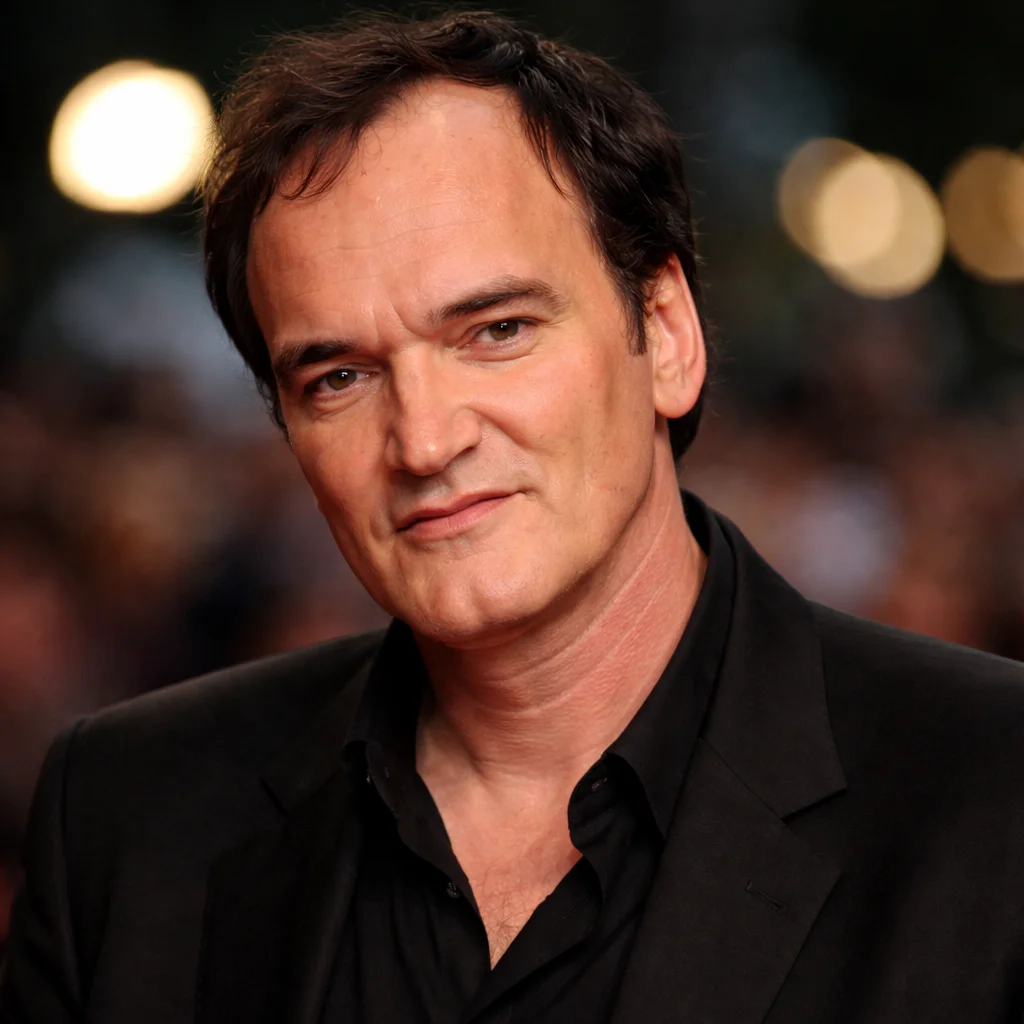
Quentin Tarantino stands as one of the most distinctive and influential filmmakers in modern cinema history, known for his non-linear storytelling, sharp dialogue, and deep love of movie lore. From his humble beginnings as an obsessive video store clerk to his reign as an Oscar-winning auteur, Tarantino has constructed a movie universe entirely on his own terms. Beyond his famous filmography lies a treasure trove of eccentric personal habits, bizarre production anecdotes, and cinematic easter eggs. Here are 15 intriguing facts about the master director behind Reservoir Dogs, Pulp Fiction, and Inglourious Basterds.
1. A Sitcom Cameo Funded His Breakout Film
Long before he became a Hollywood auteur, Quentin Tarantino landed a small acting gig on the hit sitcom The Golden Girls in 1988. He played one of several Elvis Presley impersonators attending Sophia's wedding in a memorable two-part episode. While the role was brief, the residual royalty checks he received over the following months provided a vital financial lifeline. That passive income paid his living expenses while he polished his screenplays, directly helping fund the pre-production of Reservoir Dogs. Tarantino has since credited those unexpected sitcom checks with keeping his cinematic ambitions alive at a critical turning point.
2. He Learned Cinema at a Video Rental Shop
Tarantino famously never attended traditional film school, choosing instead to gain his education on the front lines of cinema culture. During the 1980s, he worked for five years as a video store clerk at Video Archives in Manhattan Beach, California. There, he devoured thousands of titles spanning obscure foreign art-house releases, exploitation flicks, and classic Hollywood studio cinema. He spent entire shifts analyzing film mechanics with customers and co-workers like future filmmaker Roger Avary. When asked if he went to film school, Tarantino famously replies, "No, I went to films."
3. He Pledged to Retire After Ten Feature Films
Tarantino has long maintained a self-imposed boundary regarding his directing career: he plans to retire after releasing his tenth feature film. He believes that many celebrated directors experience a decline in artistic quality during their golden years and end up diluting their legacies. By capping his body of work at ten movies, he aims to maintain an uncompromising, pristine filmography. Since he counts both volumes of Kill Bill as a single entry, his ninth film was 2019's Once Upon a Time in Hollywood. This self-imposed rule means his upcoming project will mark his final bow as a feature director.
4. He Drafts His Masterpiece Scripts Entirely by Hand
While modern Hollywood relies almost exclusively on digital screenwriting software, Tarantino completely avoids computers and typewriters when writing. He begins every original script by sitting down with a notebook, using red and black felt-tip pens on yellow legal pads. He treats the tactile process as a ritual that builds an intimate emotional connection with his characters and dialogue. Once the manuscript is finished, he hires a professional typist to transcribe the handwritten pages into industry-standard screenplay format. This traditional process ensures that his initial creative impulses remain completely unedited by technology.
5. His Stolen Classic Car Reappeared 17 Years Later
During the production of Pulp Fiction in 1994, Tarantino loaned his personal cherry-red 1964 Chevrolet Chevelle Malibu to serve as John Travolta's iconic ride. Shortly after filming wrapped, the vintage convertible was stolen from outside the director's home in Los Angeles. The vehicle vanished without a trace for nearly two decades until police stumbled upon it during a routine investigation in 2013. Authorities found two men stripping a classic car in Oakland and discovered that its vehicle identification number had been cloned. Further tracing confirmed the car was Tarantino's original Malibu, which was eventually returned to the director in pristine condition.
6. He Rescued Historic Film Theaters from Extinction
Deeply committed to preserving traditional cinematic presentation, Tarantino purchased Los Angeles's iconic New Beverly Cinema in 2007 to save it from redevelopment. He took over primary programming duties, ensuring the double-feature theatre projects exclusively on 35mm and 16mm physical film prints. In 2021, he expanded his preservation efforts by purchasing the historical Vista Theatre in Los Feliz. Tarantino forbids digital projection at his venues, stocking the projection booths with rare vintage prints from his personal archive. His stewardship has turned these venues into world-renowned sanctuaries for celluloid purists.
7. Adam Sandler Was Originally Cast in Inglourious Basterds
When Tarantino wrote the script for Inglourious Basterds, he specifically envisioned comedian Adam Sandler playing Donny "The Bear Jew" Donowitz. Sandler was eager to take the dramatic role and smash Nazi soldiers with a baseball bat on screen. However, production delays on Tarantino's WWII epic caused a direct scheduling conflict with Judd Apatow's 2009 comedy-drama Funny People. Forced to drop out, Sandler was ultimately replaced by horror director Eli Roth, a close personal friend of Tarantino. Roth gained significant weight and trained extensively to capture the menacing physical presence required for the character.
8. He Invented His Own Universe of Fictional Brands
To avoid paid product placement and maintain a self-contained cinematic world, Tarantino created several fictional universe brands that appear across his films. The most famous is "Red Apple Cigarettes," featuring a distinctive yellow pack with a caricature of a green worm crawling out of a red apple. Characters smoke Red Apples in Pulp Fiction, Kill Bill, The Hateful Eight, and Once Upon a Time in Hollywood. Another staple is "Big Kahuna Burger," the Hawaiian-themed fast-food joint featured in Reservoir Dogs and Pulp Fiction. These recurring prop brands subtly link almost all of Tarantino's movies into a shared cinematic universe.
9. He Personally Strangled an Actress for Realism
During the filming of Inglourious Basterds, the character Bridget von Hammersmark, played by Diane Kruger, meets a violent end by strangulation. Tarantino was unsatisfied with stunt doubles or actor Brad Pitt attempting to fake the choking sequence safely, feeling it lacked convincing visceral intensity. Wanting full control over the shot's duration and pressure, Tarantino asked Kruger for permission to execute the strangulation himself in a tight close-up. He personally placed his hands around Kruger's neck and choked her until she briefly lost consciousness on camera. The tight shot of hands choking the actress in the finished film belongs to Tarantino himself.
10. Film Editor Sally Menke Was His Greatest Collaborator
While Tarantino receives primary acclaim for his direction, he credited film editor Sally Menke as his essential creative partner. Menke edited every single film Tarantino directed from 1992's Reservoir Dogs up until her tragic death in 2010. Tarantino frequently described Menke as his "only, truly, genuine co-writer," acknowledging her unmatched talent for pacing his dialogue and shaping raw footage into cinematic narratives. To keep her spirits high in the editing suite, actors would break character on set and say "Hi, Sally!" directly to the camera—a custom preserved throughout his productions. Her tragic passing marked a profound turning point in Tarantino's filmmaking process.
11. Jamie Foxx Rode His Personal Horse in Django Unchained
When Jamie Foxx landed the title role in 2012's Django Unchained, he brought an unusual personal asset to the western set: his own horse, Cheetah. Foxx had received the horse as a gift four years earlier and was already an accomplished equestrian rider. He convinced Tarantino that using his personal steed would create authentic chemistry on screen during complex riding maneuvers. Tarantino agreed, and Cheetah ended up starring alongside Foxx as Django's faithful horse, Tony. Having a real connection with the animal allowed Foxx to execute bareback stunts and intricate riding scenes without relying heavily on stunt doubles.
12. A Customer's Verbal Slip Named Reservoir Dogs
The iconic title of Tarantino's directorial debut, Reservoir Dogs, stemmed from a humorous mispronunciation during his video store clerk days. A customer at Video Archives was attempting to rent Louis Malle's 1987 French coming-of-age drama Au Revoir les Enfants. Struggling with the French pronunciation, the customer referred to it as "that reservoir movie." Tarantino found the butchered title charmingly memorable and combined "reservoir" with Sam Peckinpah's brutal 1971 thriller Straw Dogs. The resulting mash-up created an enigmatic title that became synonymous with indie cinema's 1990s revolution.
13. Jules' Iconic Wallet Was Tarantino's Personal Property
One of the most famous props in cinema history is the leather wallet embroidered with the words "Bad Mother Fucker," carried by Samuel L. Jackson's character Jules Winnfield in Pulp Fiction. The production design team initially presented several standard wallets, but none matched the bold attitude Tarantino envisioned for the character. The director stepped in and provided his own personal wallet, which he had bought years prior because he found the phrasing hilarious. That exact wallet was used during the tense diner climax and subsequently entered pop culture legend.
14. He Guest-Directed a Sin City Scene for Just One Dollar
Tarantino shares a close professional bond with director Robert Rodriguez, leading to a famous dollar-swap arrangement between the filmmakers. Rodriguez had composed the original score for Kill Bill: Vol. 2 for a nominal fee of just one dollar. To return the favor, Tarantino agreed to step in as a guest director on Rodriguez's 2005 film Sin City. Tarantino spent a day on set directing the tense car sequence starring Clive Owen and Benicio del Toro in front of a green screen. True to their deal, Tarantino accepted symbolic payment of exactly one dollar for his directorial services.
15. His Scripts Hold Record-Breaking Profanity Counts
Tarantino's screenplays are famous for their stylized dialogue, but they also hold notable records for extreme language and graphic dialogue. His debut feature, Reservoir Dogs, drops the "F-bomb" 269 times in just 99 minutes, establishing his trademark unfiltered speech. Pulp Fiction followed close behind with 265 uses, dominating 1990s movie profanity rankings. His historical revenge saga Django Unchained sparked intense critical debate for incorporating explicit racial slurs over 110 times to depict the brutal reality of Antebellum slavery. Tarantino defends his heavy language as an essential tool for period authenticity and character realism.
Sources & References
This AI-assisted post was rigorously curated and fact-checked for accuracy by:
 Martin Roháček
How fun was this article? 🤔
Tap a star to rate it
🧠 Quiz: How closely were you paying attention?
10 questions — all answers are in the article above!
Enjoyed these facts? There's more! 💌
Fresh fun facts in your inbox. No spam, ever.