The Subterranean Architects: 15 Fascinating Facts About Termites
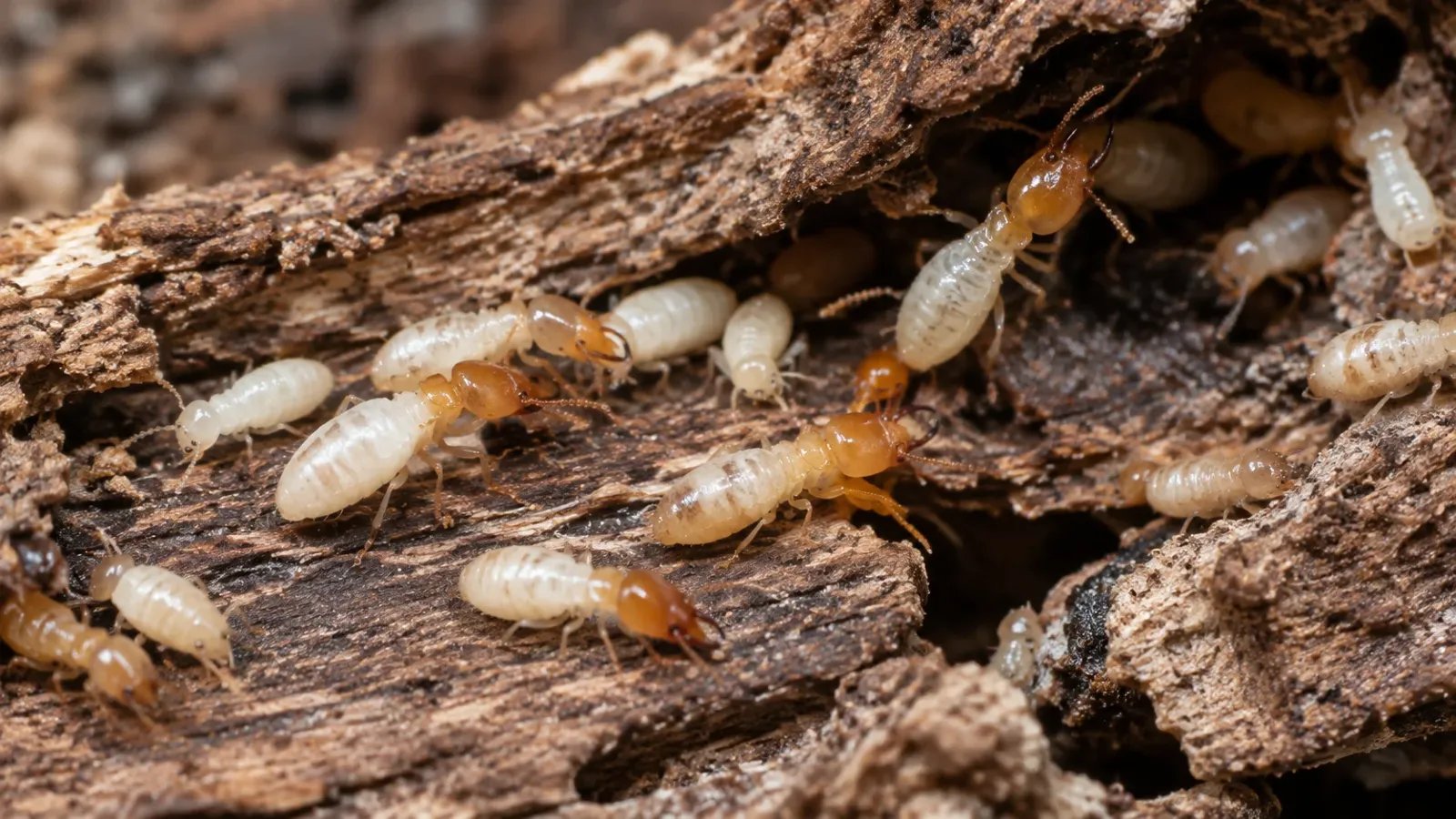
Often dismissed as mere wood-destroying pests, termites are actually sophisticated ecological engineers. They aren't even true ants, but highly evolved social cockroaches. Before they invade your nightmares as home-wreckers, discover the complex chemical communication, agricultural genius, and astonishing architectural feats of these ancient, misunderstood insects.
1. Termites are biologically classified as highly evolved, social cockroaches.
Despite commonly being referred to as white ants, termites are not closely related to ants at all. Genetic and phylogenetic studies have proven that termites diverged from wood-eating cockroaches during the Jurassic or Early Cretaceous period. They are now officially classified under the order Blattodea, the same order that includes all cockroaches. This evolutionary leap transformed solitary roaches into complex superorganisms with strict caste systems and collective intelligence.
2. Worker and soldier termites are completely blind and navigate their intricate worlds entirely through chemical signals.
Because they spend their entire lives in the dark, subterranean tunnels of their colonies, worker and soldier termites have completely lost their eyes. Instead of sight, they rely on an incredibly complex language of pheromones and vibrations. They secrete different chemical trails to lead nest-mates to food sources, sound the alarm during an invasion, and regulate the biological castes within their thriving underground cities.
3. Termite mounds feature structurally advanced passive climate control systems.
Long before human architects conceptualized green building techniques, termites were engineering mounds with sophisticated ventilation. The towering dirt structures are designed with flues and tunnels that capture passing winds, utilizing convection currents to regulate internal temperatures and oxygen levels. Even when the African savanna blazes with heat, the subterranean fungus gardens below the mound remain at a perfectly stable, cool climate.
4. Termites cannot actually digest the wood they consume on their own.
A termite chewing through your floorboards is only doing half the work, as they lack the natural enzymes required to break down cellulose. To survive, they rely on a rich microbiome of symbiotic protozoa and bacteria living within their hindguts. These microscopic organisms digest the tough plant matter and convert it into nutritious sugars that sustain both the microbe and the termite host.
5. The combined weight of all termites on Earth is estimated to outweigh the combined mass of all humans.
While a single termite weighs only a few milligrams, their sheer numbers make them an ecological heavyweight. Scientists estimate there are trillions of termites active on the planet at any given moment, heavily concentrated in tropical and subtropical regions. In some African savannas and South American rainforests, termites account for a massive percentage of the total soil biomass, driving the entire ecosystem's nutrient cycle.
6. Certain species of termites were farming fungi millions of years before humans invented agriculture.
Members of the termite subfamily Macrotermitinae are ancient agriculturalists. Rather than eating wood directly, they forage for dead plant material, chew it up, and use it to cultivate a specialized fungus called Termitomyces inside their nests. The fungus breaks down the indigestible plant matter into easily consumable compost, providing a highly nutritious food source that the entire colony harvests and feeds upon.
7. Termite queens can live for up to half a century, making them some of the longest-living insects on the planet.
While a typical worker termite might only survive for a year or two, the royal founders of the colony have astonishing longevity. Some species of termite queens have been documented living for thirty to fifty years under ideal conditions. Over this vast lifespan, a single queen can lay hundreds of millions of eggs, acting as the enduring, beating heart of a colony that spans multiple human generations.
8. Soldiers of some termite species use a highly toxic glue sprayed from a nozzle on their heads to neutralize enemies.
The Nasutitermitinae subfamily has evolved a bizarre and highly effective defense mechanism against their primary predators, the true ants. Their soldier caste features elongated, snout-like heads called nasuti. When the colony is attacked, these soldiers accurately shoot a sticky, toxic resin from their snouts that entangles, paralyzes, and ultimately kills invading ants without the termite ever needing to engage in close-quarters combat.
9. Termites are responsible for producing a significant portion of the world's global methane emissions.
Because of the intense microbial fermentation happening inside billions of tiny termite guts, they are natural factories for greenhouse gases. As their symbiotic bacteria break down cellulose, they release methane as a byproduct. Research indicates that termites produce between one and three percent of total global methane emissions, demonstrating how powerful the cumulative biological processes of insects can be on a planetary scale.
10. Older worker termites perform explosive self-sacrifice to defend their colonies from invaders.
In a remarkable display of altruism known as autothysis, older workers in species like Neocapritermes taracua act as suicide bombers. As these workers age and their foraging abilities decline, they develop specialized blue crystals in a pouch on their backs. When under attack, they intentionally rupture their own bodies, mixing a chemical secretion with the crystals to create a highly toxic, sticky liquid that neutralizes the threat and protects the colony.
11. Termite mounds act as massive water reservoirs that help ecosystems survive severe droughts.
The architectural density of a termite mound dramatically alters the hydrology of the surrounding soil. The mounds retain moisture much more effectively than flat ground, allowing water to slowly percolate into the earth rather than washing away. During prolonged droughts, the areas immediately surrounding termite mounds remain green and vegetated, providing crucial oasis environments that sustain diverse plant and animal life.
12. Queen termites experience severe physical distortion known as physogastry to accommodate massive egg production.
As a colony matures, the queen's primary role shifts exclusively to reproduction, leading to an extreme biological transformation. Her abdomen swells to thousands of times its original size, a condition called physogastry. She becomes entirely immobile, resembling a pulsating, thumb-sized sac of eggs. In this state, she is completely dependent on worker termites to feed her and carry away the incredible 30,000 eggs she can lay in a single day.
13. Termites constantly groom each other to share vital gut microbes rather than for hygiene.
While termite colonies look incredibly clean, their constant licking and grooming serve a crucial biological purpose beyond dirt removal. Because termites lose the lining of their hindgut along with their symbiotic microbes every time they molt, they must replenish these microscopic helpers to survive. They achieve this through proctodeal trophallaxis, a process where they consume fluids from a nest-mate's digestive tract to re-inoculate their own guts with wood-digesting bacteria.
14. The vibrations from rock and heavy metal music cause termites to chew through wood at a much faster rate.
Termites are highly sensitive to substrate-borne vibrations, which they use to determine the size of a piece of wood and to monitor the foraging activity of their peers. When scientists exposed termites to heavy metal music, the intense, high-frequency sound waves mimicked the vibrations of thousands of other termites feeding aggressively. Tricked by the acoustics, the termites rapidly accelerated their own chewing pace, consuming the wood significantly faster than in silence.
15. The earliest known fossil evidence of termites dates back over one hundred and thirty million years.
Termites are an incredibly ancient lineage that walked the earth long before the first humans or even the first primates. Fossilized termites trapped in amber have been traced back to the Early Cretaceous period, proving they lived alongside and outlasted the dinosaurs. Their highly successful social structure and ability to efficiently recycle dead plant matter have allowed them to survive multiple mass extinction events over the eons.
Sources & References
This AI-assisted post was rigorously curated and fact-checked for accuracy by:
 Martin Roháček
How fun was this article? 🤔
Tap a star to rate it
🧠 Quiz: How closely were you paying attention?
10 questions — all answers are in the article above!
Enjoyed these facts? There's more! 💌
Fresh fun facts in your inbox. No spam, ever.