15 Fun Facts
Animals

Insects and Invertebrates

Discover the bizarre biology and complex societies of the world's most misunderstood invertebrates. From subterranean fungus farmers to insects with microscopic solar panels, explore the hidden marvels of the creeping, crawling, and flying creatures that sustain global ecosystems.

Updated 22 September 2026 · 11 items · 165 facts in the linked articles · Reading time 6 min

Insects and invertebrates make up the vast majority of animal life on Earth, yet they are too often dismissed as simple pests, creepy crawlies, or mindless automatons. This curated collection strips away those pervasive myths to reveal a hidden world of astonishing biological complexity and ecological necessity. Far from primitive, these creatures are the microscopic titans that keep our planet functioning, wielding adaptations that frequently rival the wildest concepts of science fiction.

What truly binds these diverse species together is their sheer evolutionary ingenuity. Whether you are observing the intricate subterranean agriculture of a rainforest ant colony or the highly organized mathematical precision of a functioning hive, you are witnessing social structures and farming practices that predate human civilization by millions of years. Even the solitary hunters among them exhibit forms of precision neurosurgery, advanced tool use, and cognitive mapping that challenge our traditional understanding of animal intelligence.

Across these crawling and fluttering creatures, we see nature solving complex problems with elegant, and sometimes ruthless, efficiency. Flight isn't just about flapping delicate wings; it involves harnessing magnetic compasses, genetic memory, and electrostatic field detection. Survival isn't just about hiding; it involves liquefying bodies during metamorphosis, pumping copper-rich blue blood, and utilizing microscopic scales as solar panels. By comparing the architectural mastery of web-spinning arachnids with the chemical warfare deployed by delicate butterflies, we gain a profound appreciation for the micro-machinery driving life on Earth.

Dive into the collection of articles below to uncover the extraordinary secrets of these miniature marvels. From ancient armored survivors that glow under ultraviolet light to nimble fliers that taste the world with their feet, prepare to see your garden's most common inhabitants in a completely new light.

The short version

Every item on this page, with the one fact most people get wrong about it.

Name Where you'll meet it The fact worth knowing
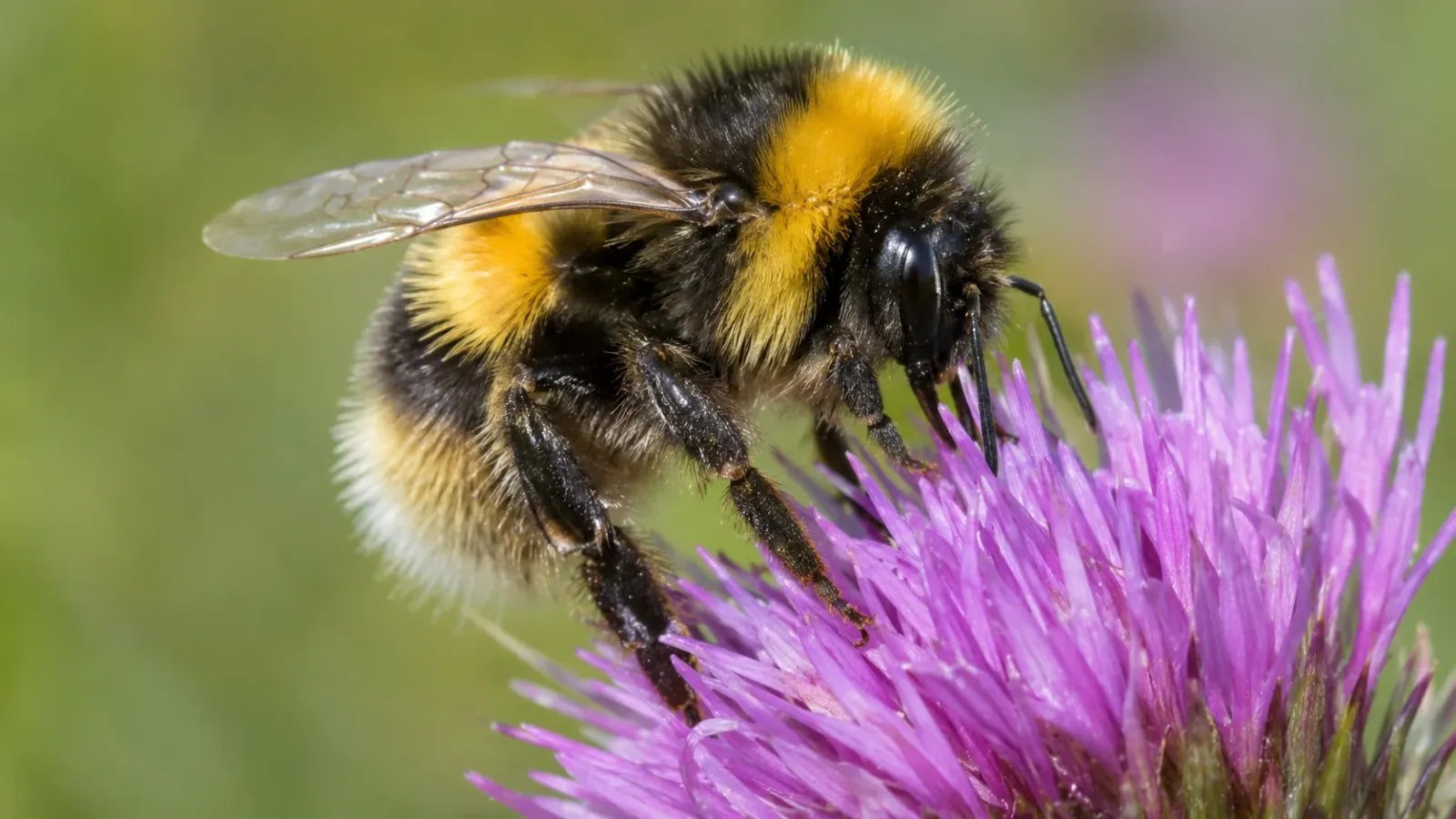
Bumblebees Fuzzy Pollinators, Worldwide Contrary to a famous myth, science completely understands how bumblebees fly—and they do not break any laws of aviation.
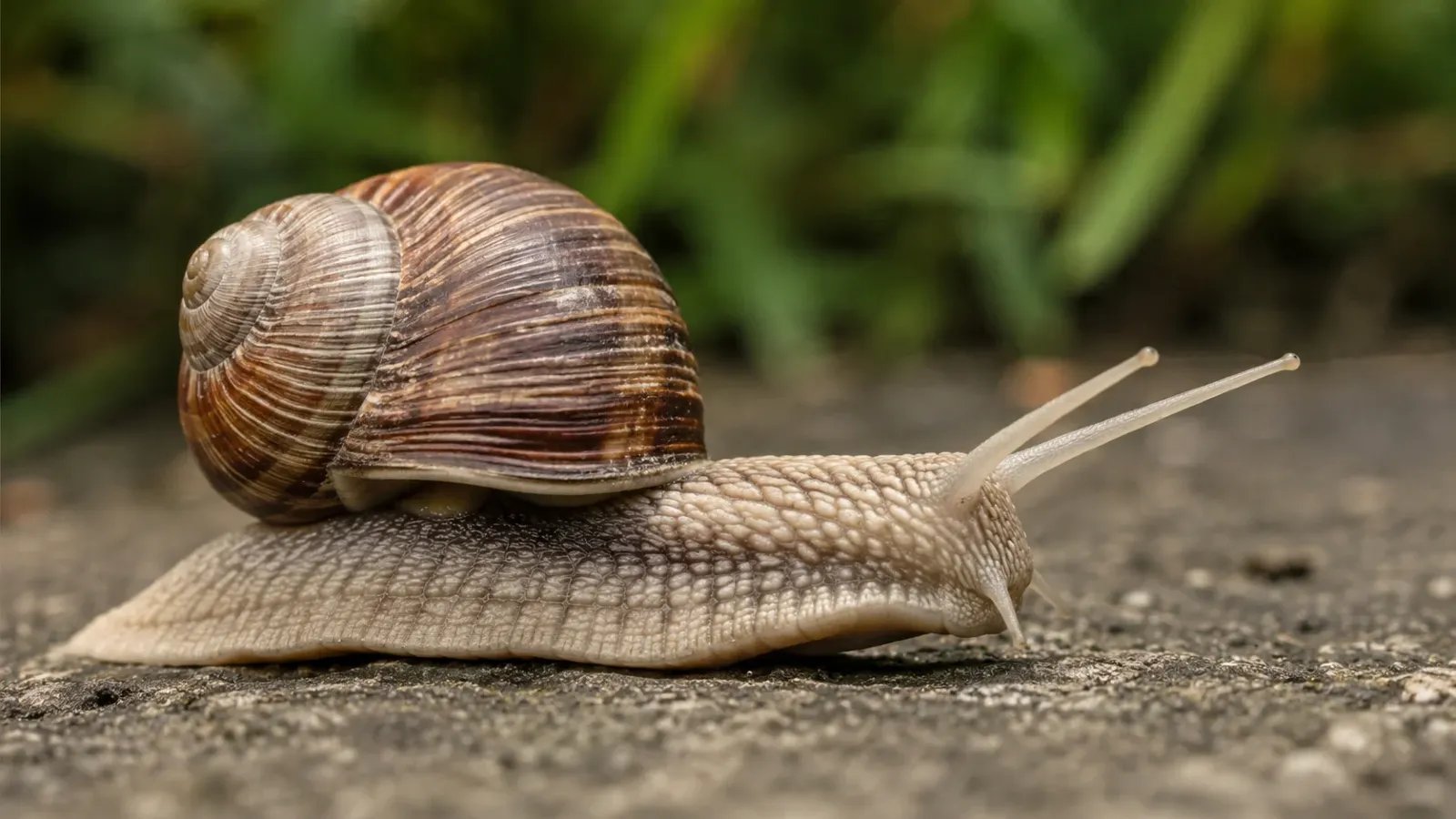
Snails Terrestrial & Aquatic Gastropods Instead of being simple, squishy blobs, snails possess thousands of microscopic teeth and shockingly complex venom systems.
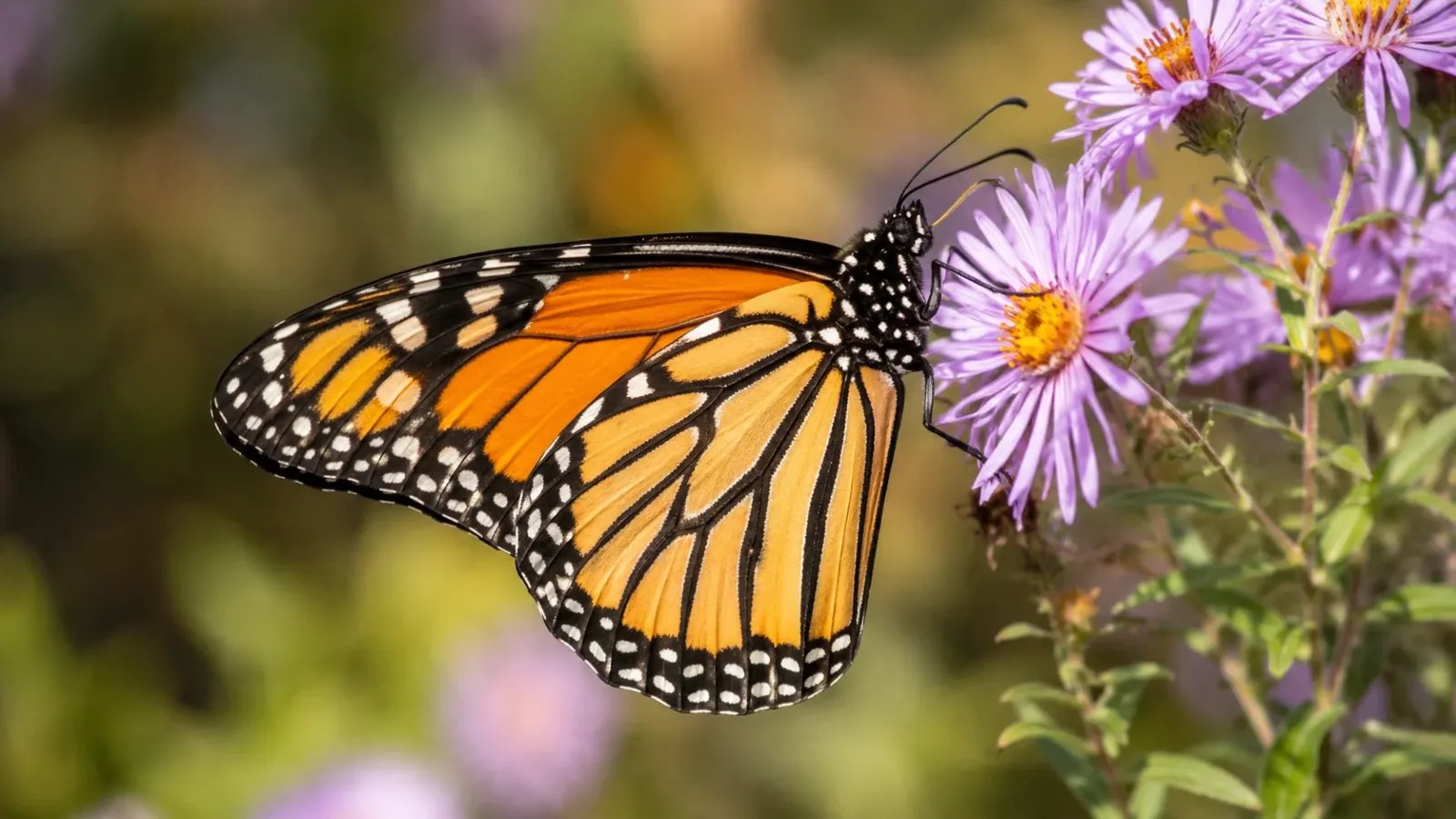
Monarch Butterflies Migratory Lepidopterans No single monarch butterfly completes the famous migration from Canada to Mexico; the journey is a multi-generational relay race.
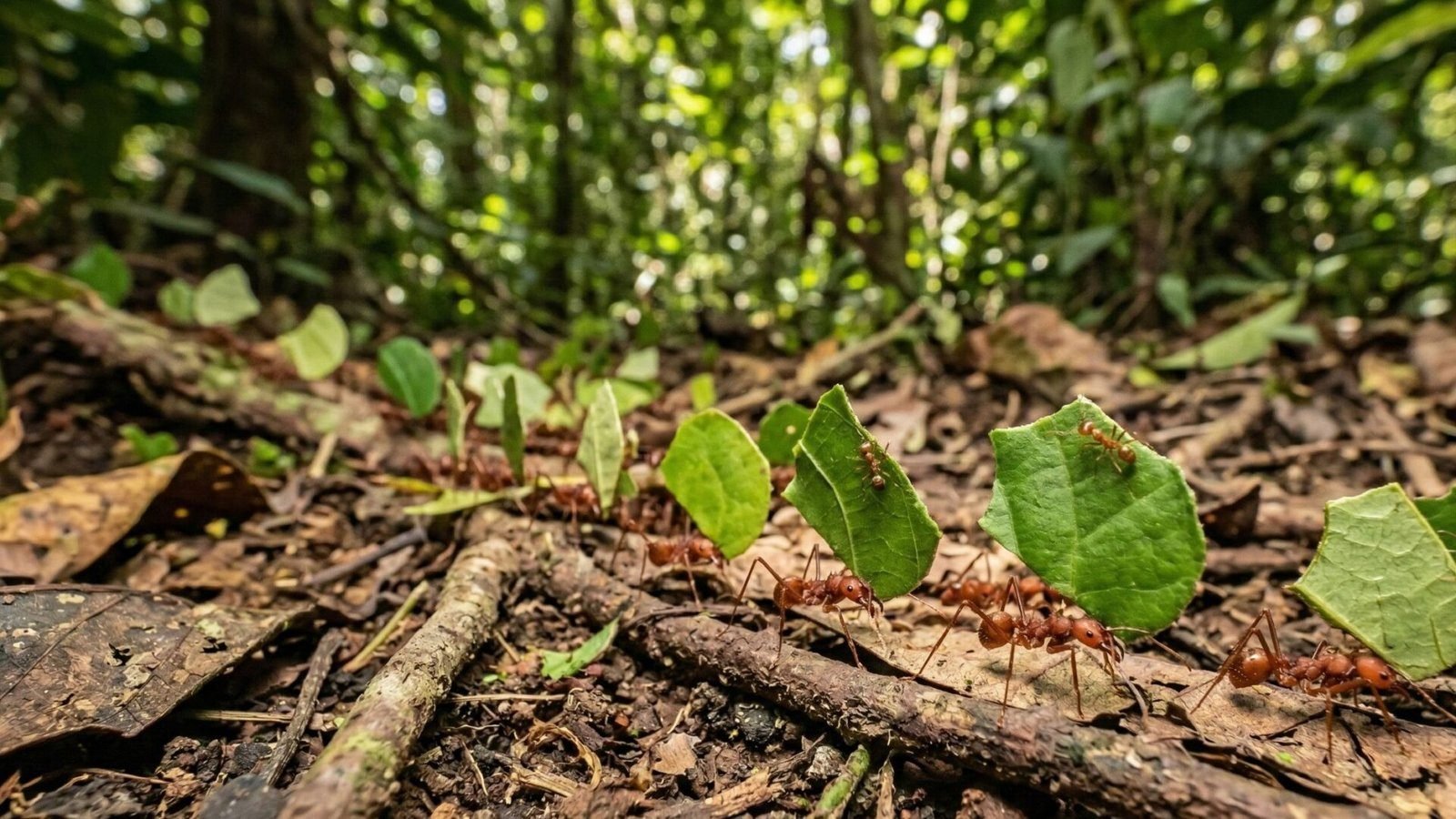
Leafcutter Ants Fungus-Farming Insects Leafcutter ants don't eat the leaves they spend their lives carrying; they use them to fertilize massive underground fungal farms.
Butterflies Flying Insects, Global To survive in the wild, some butterflies will actively seek out turtles and crocodiles to drink their salty tears.
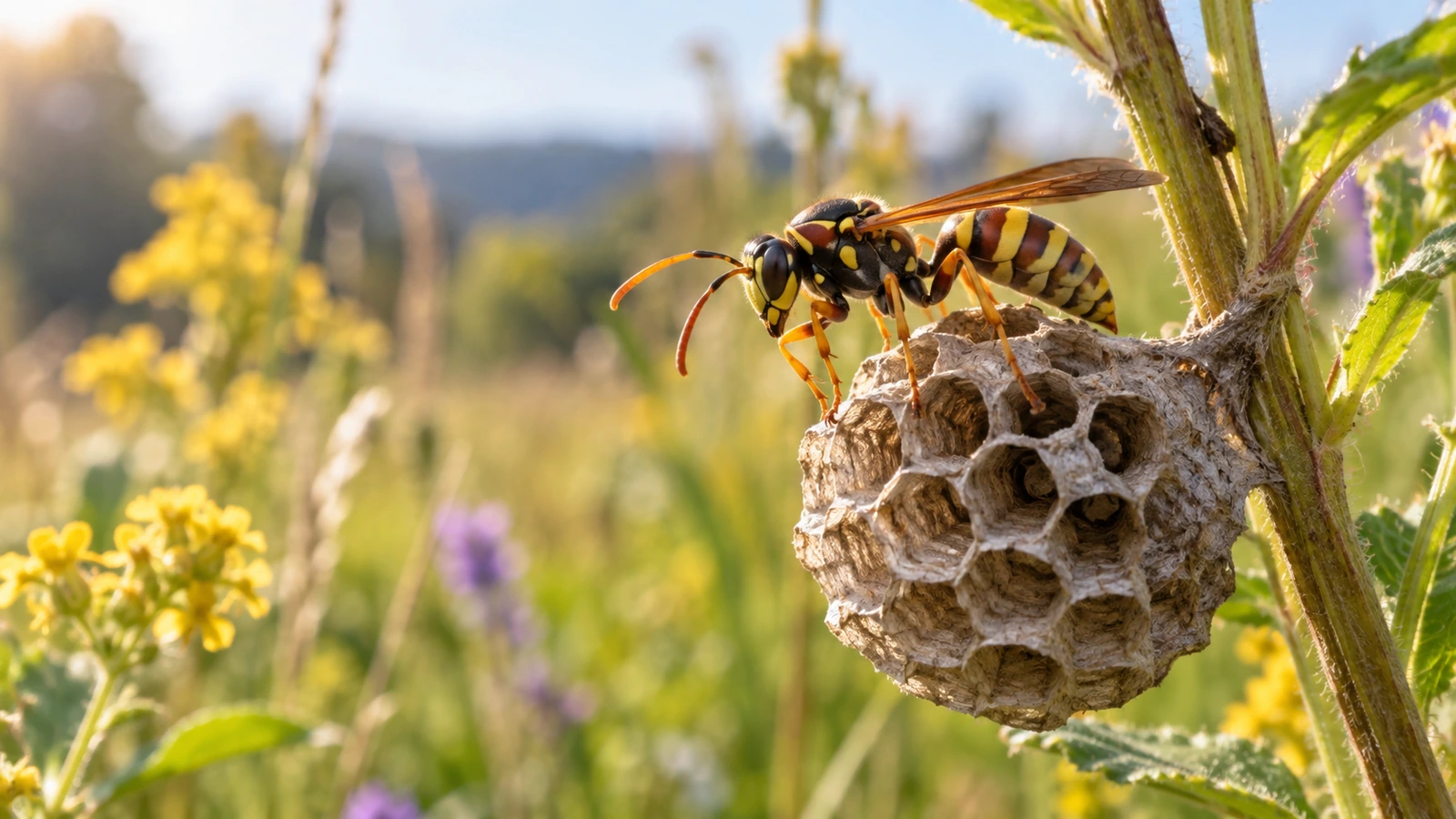
Wasps Predators & Pollinators Long before humanity existed, wasps invented the process of making true paper and kick-started the fermentation of wine.
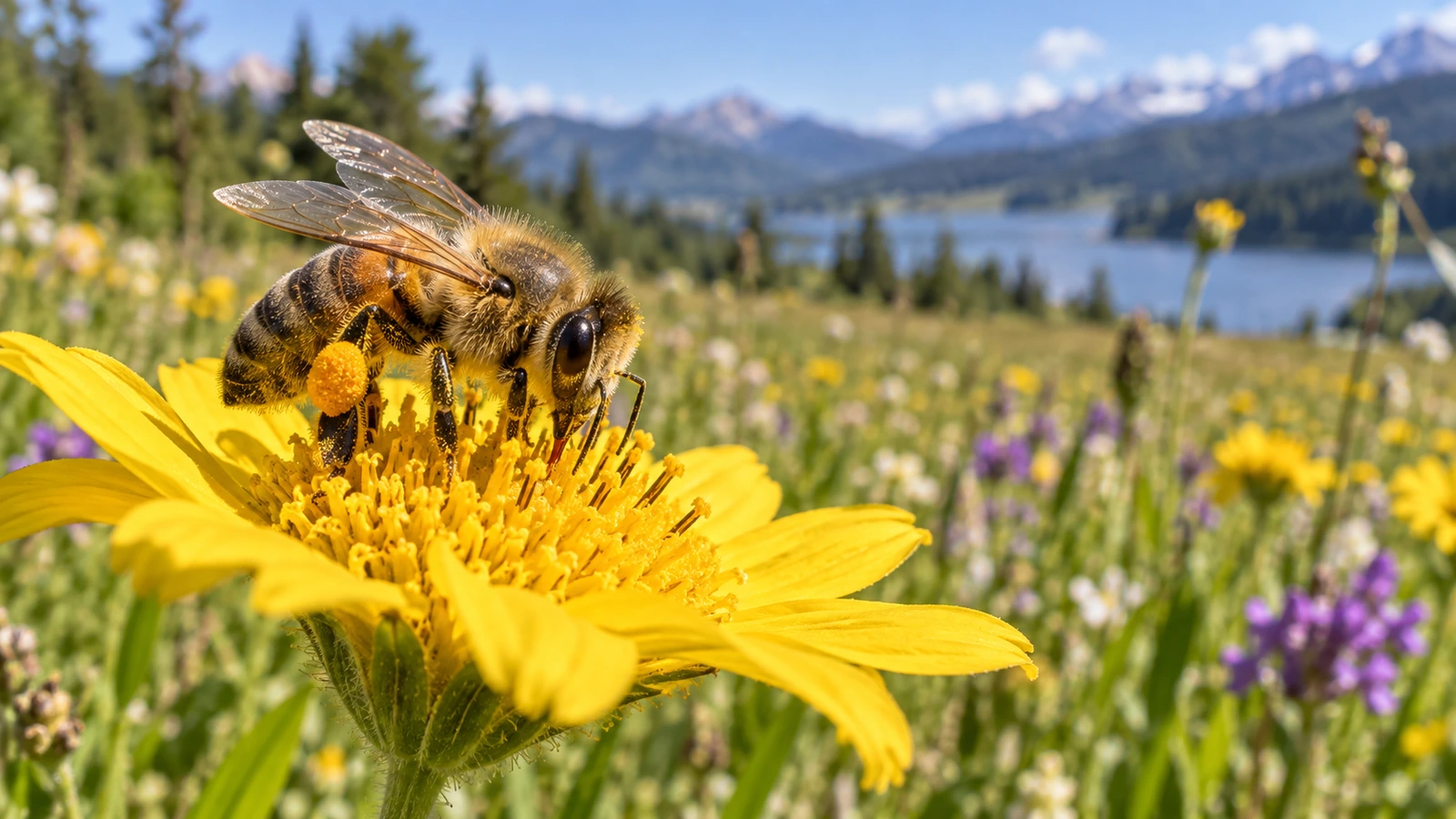
Bees Social Pollinators, Global Honey bees can detect invisible electrostatic fields around flowers to determine if another bee has recently stolen its nectar.
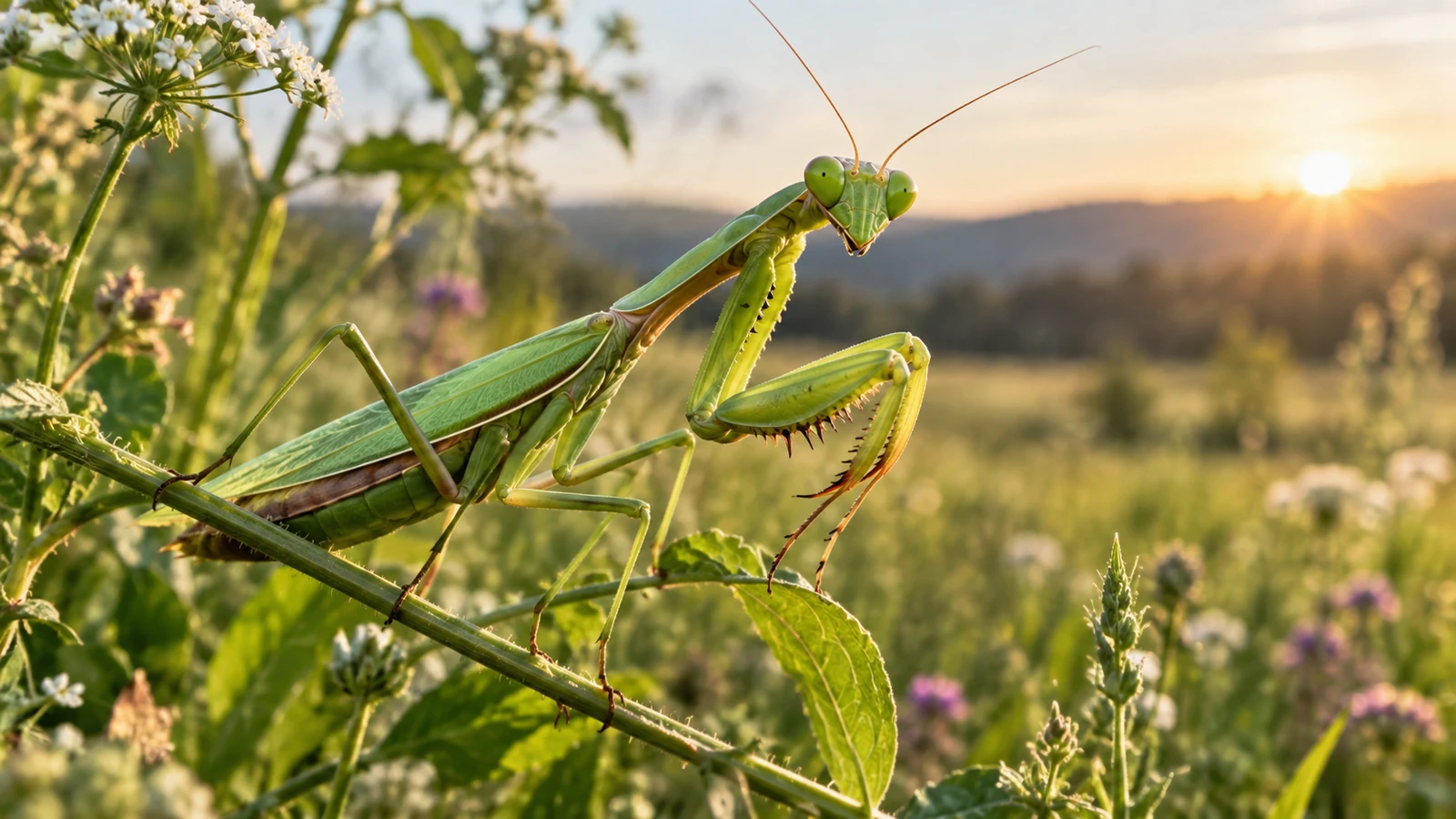
Praying Mantises Ambush Predators The praying mantis is the only insect in the world known to possess true stereoscopic 3D vision.
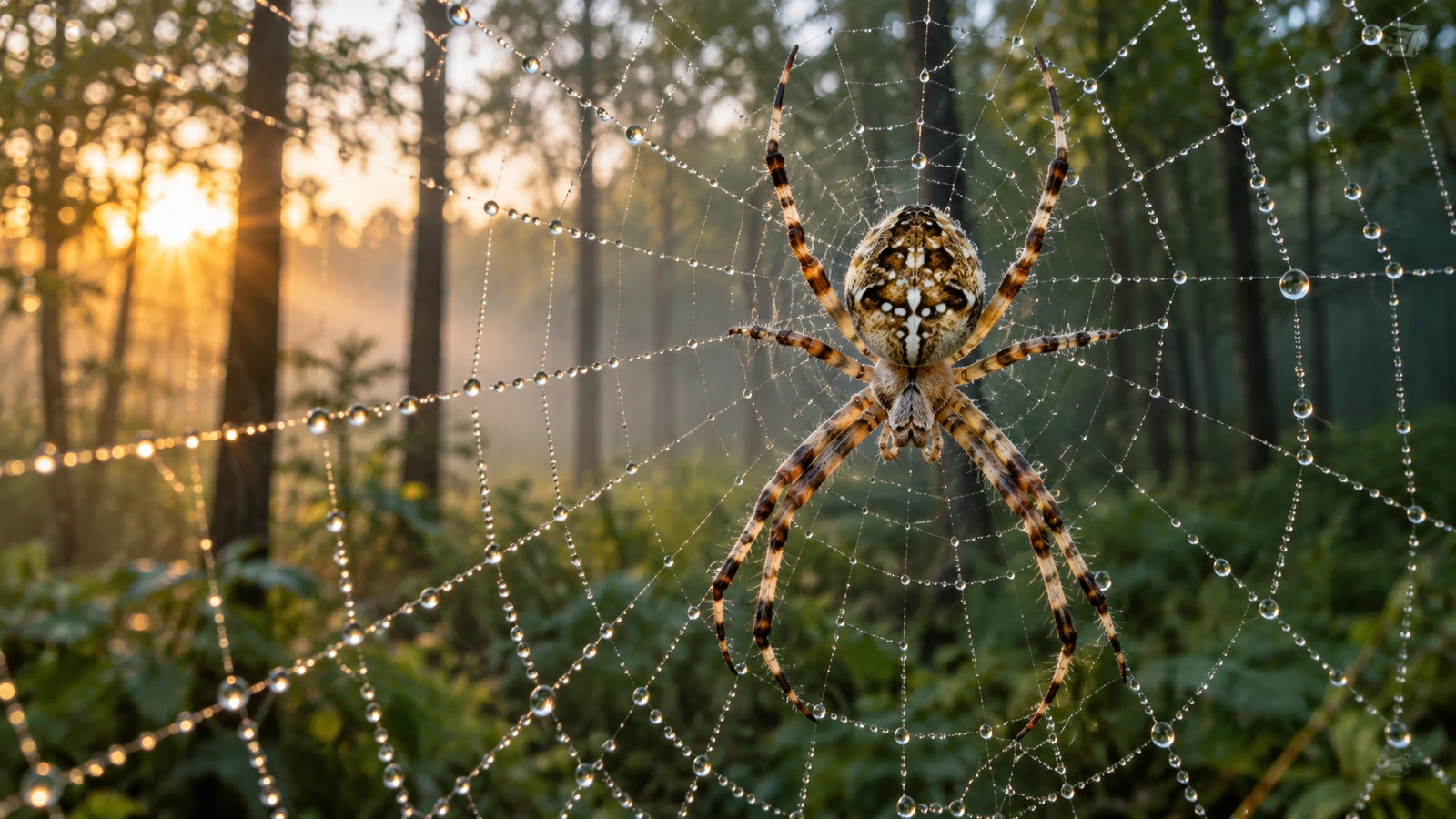
Spiders Web-Building Arachnids Spiders do not have muscles to extend their legs; they move using a hydraulic system that pumps pressurized body fluid.
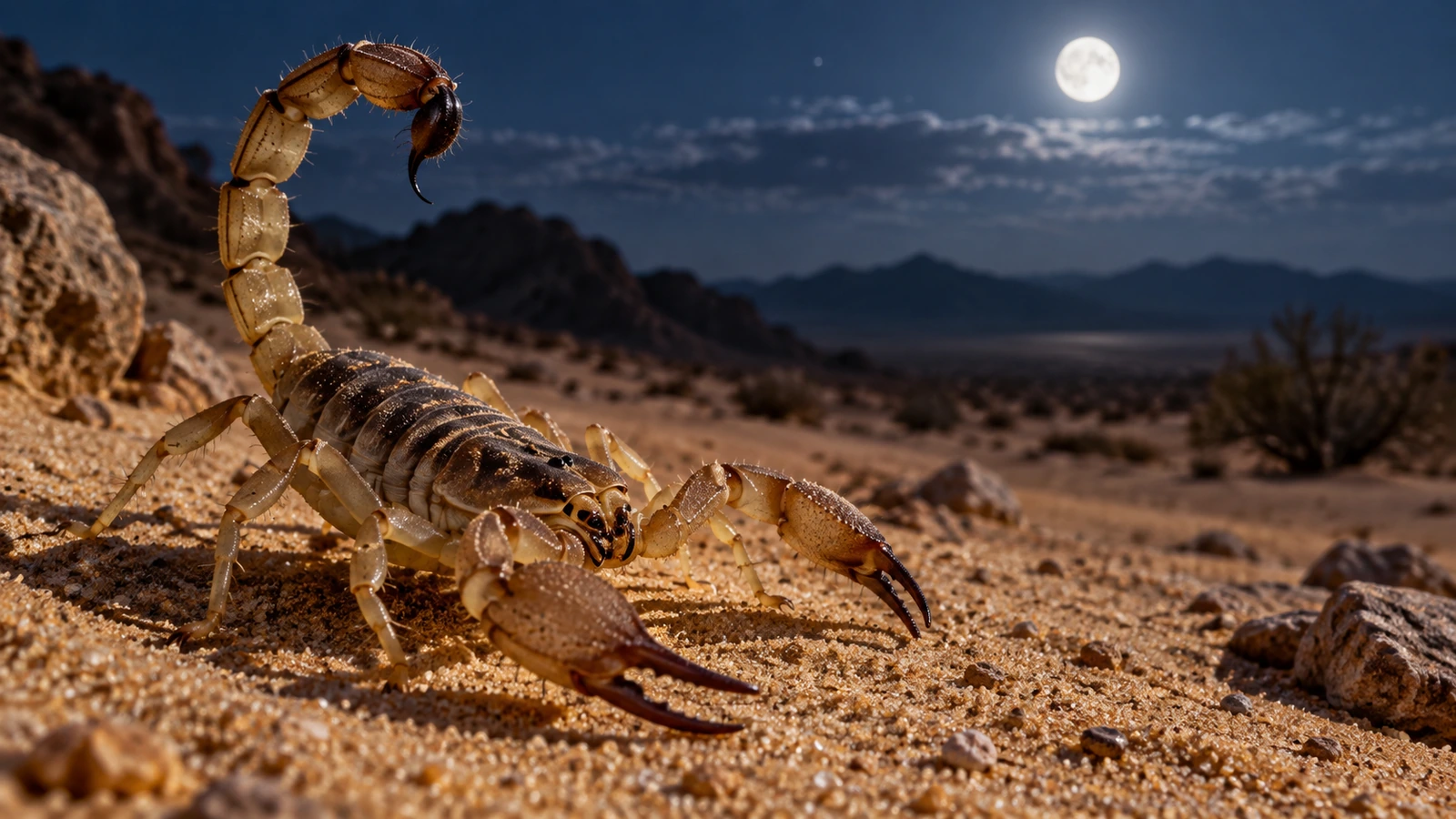
Scorpions Venomous Arachnids Scorpions are ancient survivors that predate the dinosaurs and possess an exoskeleton that glows neon blue-green under UV light.
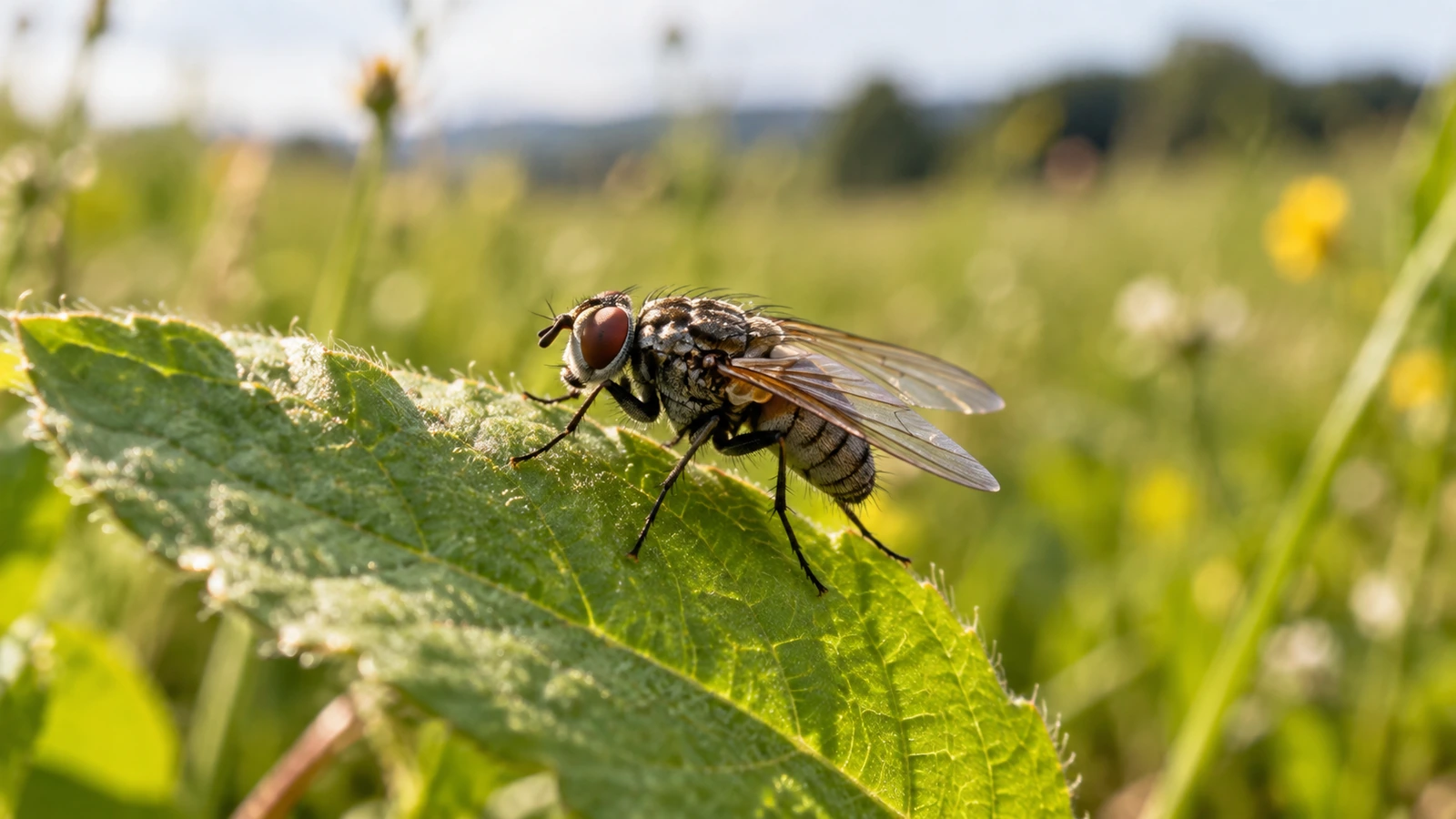
Flies Dipteran Insects Flies process visual information so quickly that they perceive human movements in extreme slow motion.

Record holders

Fastest Visual Processors

Slow-motion vision

Flies process optical information so rapidly that a human swat appears to them in slow motion. Flies

Oldest Lineage

430+ million years

Scorpions were thriving in prehistoric oceans millions of years before the first dinosaurs walked the Earth. Scorpions

Strongest Material

Tougher than steel

Many spider species produce silk threads that boast a higher tensile strength than comparable strands of steel. Spiders

Longest Relay Migration

Up to 4 generations

Monarch butterflies complete their monumental continental migration through a multi-generational relay race. Monarch Butterflies

All 11, one fact at a time

The Industrious Pollinator: 15 Fascinating Facts About Bumblebees

Bumblebees

Fuzzy Pollinators, Worldwide

The enduring legend that bumblebee flight is aerodynamically impossible is a complete misunderstanding of physics. In reality, their wings don't flap up and down like a bird's, but sweep back and forth in a partial helicopter-like motion that creates tiny, lift-generating hurricanes. Beyond their impressive flight mechanics, these fuzzy insects are highly intelligent ecosystem engineers. They use unique 'buzz pollination' vibrations to unlock pollen from stubborn flowers and can dynamically regulate their own body temperatures.

Read the full article →
The Sluggish Marvel: 15 Fascinating Facts About Snails

Snails

Terrestrial & Aquatic Gastropods

It is easy to dismiss a snail as a sluggish garden nuisance, but their unassuming coiled shells hide an anatomical wonderland. Snails scrape up their food using a radula, a ribbon-like structure packed with thousands of microscopic, incredibly hard teeth. Their evolutionary journey has yielded remarkable adaptations, ranging from bizarre reproductive darts to predatory aquatic species equipped with lethal neurotoxins. They are a testament to how complex life can become when moving at a remarkably slow pace.

Read the full article →
The Nomadic Navigator: 15 Interesting Facts About Monarch Butterflies

Monarch Butterflies

Migratory Lepidopterans

The monarch's epic continental journey is one of the greatest feats in the animal kingdom, driven by genetic memory rather than individual experience. It takes up to four successive generations of butterflies to complete one full migratory cycle, guided by internal magnetic compasses and solar navigation. Behind their stained-glass beauty lies a ruthless survival strategy, as they sequester toxic compounds from milkweed to turn themselves into poisonous, flying biological weapons against predators.

Read the full article →
The Subterranean Farmers: 15 Fascinating Facts About Leafcutter Ants

Leafcutter Ants

Fungus-Farming Insects

Millions of years before humans invented agriculture, leafcutter ants were managing subterranean crop yields with staggering efficiency. These tiny architects carve out colossal underground cities with built-in air conditioning systems, utilizing a complex caste system to manage the workload. They even deploy specialized bacteria to produce biological antibiotics, protecting their precious fungal crops from disease. Their society operates as a colossal superorganism, capable of defoliating entire trees overnight.

Read the full article →
The Metamorphic Wonders: 15 Fascinating Facts About Butterflies

Butterflies

Flying Insects, Global

The delicate, fluttering image of a butterfly hides some surprisingly strange biological imperatives. Many species engage in 'puddling,' a behavior where they swarm to mud, carrion, or the tears of reptiles to extract vital sodium and amino acids missing from nectar. Furthermore, their metamorphosis involves completely liquefying their internal organs into a nutrient soup before reforming into an adult. Their stunning wings are equally complex, utilizing microscopic scales to create optical illusions and act as miniature solar panels.

Read the full article →
The Formidable Architects: 15 Fascinating Facts About Wasps

Wasps

Predators & Pollinators

Wasps are unfairly maligned as angry summer pests, but they are actually sophisticated architects and crucial ecological guardians. They construct their intricate nests by chewing wood fibers into a durable, water-resistant paper pulp. Ecologically, they are indispensable; some species carry the wild yeast necessary for fermenting grapes into wine, while others perform incredibly precise neurosurgery to paralyze prey without killing it. Most wasp species are solitary, non-aggressive, and vital to keeping global agricultural pests in check.

Read the full article →
The Industrious Hive: 15 Fascinating Facts About Bees

Bees

Social Pollinators, Global

The hive of a honey bee is a marvel of mathematical precision and biological wonder. Beyond their famous waggle dance—a complex geometric language used to broadcast celestial flight coordinates—bees possess a sensory arsenal that borders on the supernatural. They sense the electrical charge of flowers, adjust the hive's temperature through collective thermal warfare against invaders, and coordinate massive foraging operations. Their intricate societies are one of nature's most perfect examples of collective intelligence and engineering.

Read the full article →
The Lethal Prophet: 15 Fascinating Facts About Praying Mantises

Praying Mantises

Ambush Predators

With their alien-like triangular heads and raptorial forelegs, mantises are evolutionary killing machines. They track prey using a sophisticated form of 3D vision that computes depth with lightning speed, allowing them to snatch insects, hummingbirds, and frogs out of mid-air. Even stranger, they possess a single ultrasonic 'ear' hidden deep within their chests, specifically evolved to detect and evade the echolocation of hunting bats. Their deceptive posture of prayer masks an incredibly efficient and brutal predatory biology.

Read the full article →
The Architectural Arachnid: 15 Fascinating Facts About Spiders

Spiders

Web-Building Arachnids

Arachnid biology is entirely distinct from insect anatomy, utilizing mechanisms that seem closer to robotics. Spiders extend their limbs by pumping copper-rich blue blood into them, which is why a spider's legs curl up instantly when it dies and loses hydraulic pressure. From orb-weavers spinning silk that rivals the tensile strength of steel to diving bell spiders living permanently underwater in oxygen bubbles, their evolutionary success is built on bizarre and brilliant biological engineering.

Read the full article →
The Resilient Arachnids: 15 Fascinating Facts About Scorpions

Scorpions

Venomous Arachnids

Having originated in prehistoric oceans over 430 million years ago, scorpions are among the most resilient creatures to ever crawl onto land. They can survive being frozen solid, endure a full year without a single meal, and withstand extreme desert heat. Though their venomous stingers inspire terror, less than one percent of scorpion species are actually dangerous to humans. Today, scientists are even isolating specific compounds within scorpion venom to develop groundbreaking treatments for brain cancer.

Read the full article →
The Astonishing Dipterans: 15 Fascinating Facts About Flies

Flies

Dipteran Insects

If you've ever wondered why it's so hard to swat a fly, it's because their optical processing speeds are among the fastest in the animal kingdom. These ubiquitous dipterans navigate the world in what feels like fast-forward, allowing them to dodge threats with incredible agility. They are also bizarrely adapted to their environment, tasting food by walking on it with specialized sensory receptors on their feet. Far from mere household pests, flies serve as vital forensic detectives for investigators and crucial recyclers of organic matter.

Read the full article →

Quiz: how much of that stuck?

6 questions, every answer is somewhere above.

Insects and Invertebrates 0 / 6

1. Why do bumblebees not break the laws of aviation as a popular myth suggests?

2. What is the primary purpose of the leaves collected by leafcutter ants?

3. How do spiders extend their legs?

4. Which of these invertebrates is the only insect in the world known to possess true stereoscopic 3D vision?

5. How do honey bees determine if a flower has been recently visited by another bee?

6. What strange liquid do some butterflies drink to obtain essential sodium and amino acids?

Frequently asked

Are spiders considered insects?

No, spiders are arachnids. While both are arthropods, insects have six legs, three main body segments, and antennae. Spiders possess eight legs, two main body segments, and lack antennae.

What is the difference between a bee and a wasp?

While both are closely related pollinators, bees are generally vegetarian, collecting pollen and nectar to feed their young. Wasps, on the other hand, are mostly carnivorous hunters that prey on other insects to feed their larvae. Wasps also tend to have smoother bodies compared to fuzzy, pollen-collecting bees.

Why are monarch butterflies toxic to predators?

Monarch caterpillars feed almost exclusively on milkweed plants, which contain toxic compounds called cardenolides. The butterflies store these toxins in their bodies through metamorphosis and into adulthood, making them poisonous and foul-tasting to birds and other predators.

Do all scorpions possess deadly venom?

No. Out of over 2,000 known scorpion species worldwide, fewer than 30 (less than 1%) have venom potent enough to be lethal to humans. For most species, a sting is comparable in severity to that of a bee or wasp.

How do insects survive the freezing temperatures of winter?

Different species use different overwintering strategies. Some, like the monarch butterfly, migrate thousands of miles to warmer climates. Others burrow deep underground, while many enter a state of suspended animation called diapause, producing natural antifreeze chemicals in their bodies to prevent their cells from freezing and bursting.

Keep going

Enjoyed these facts? There's more! 💌

Fresh fun facts in your inbox. No spam, ever.