The Aristocratic Siblings: 15 Fascinating Facts About Axel and Sophie von Fersen

When history remembers the French Revolution and the twilight of the Gustavian era in Sweden, the names Axel and Sophie von Fersen are often relegated to the footnotes of royal romance and tragedy. Popular culture frequently reduces Axel to the dashing, tragic lover of Marie Antoinette, while completely ignoring his formidable sister Sophie, yet these Swedish siblings were far more than mere aristocratic ornaments. Prepare to uncover the intricate espionage, political machinations, and devastating downfalls that defined the lives of this extraordinarily powerful brother-sister duo.
1. Axel fought in the American Revolution
While often pictured exclusively in the opulent halls of Versailles, Axel von Fersen actually cut his teeth as a military commander in the American Revolutionary War. Serving as an aide-de-camp to the French General Rochambeau, Axel played a crucial role in the Siege of Yorktown in 1781. His fluency in English and French made him an indispensable liaison between George Washington and the French forces, directly contributing to the strategic defeat of the British. This grueling military experience hardened him, proving he was far more than a frivolous courtier and giving him the logistical expertise he would later use in his covert operations.
2. Sophie was a master of Swedish court politics
Sophie Piper, born Eva Sophie von Fersen, was one of the most politically influential women in Swedish history, operating largely behind the scenes. As the closest friend and confidante of Queen Hedvig Elisabeth Charlotte, Sophie had unparalleled access to the inner workings of the Swedish monarchy and state affairs. She acted as a gatekeeper and advisor, often swaying the Queen's opinions on crucial political appointments and diplomatic alignments. Far from being a mere lady-in-waiting, Sophie maintained her own extensive network of informants, making her an indispensable political force in Stockholm.
3. The secret ink letters to Marie Antoinette
The enduring legend of Axel's romance with Marie Antoinette is grounded in an extraordinary archive of heavily redacted, secret correspondence. To communicate safely during the intensifying French Revolution, Axel and the Queen employed complex ciphers and invisible ink, sending letters smuggled in the linings of hats or boxes of biscuits. Modern forensic science, including X-ray fluorescence spectroscopy, has recently uncovered the censored words in these letters, revealing deeply intimate declarations of love. However, the letters also prove that their relationship was deeply political, with Axel acting as the Queen's primary strategist in her attempts to secure foreign intervention.
4. Axel bankrolled the Flight to Varennes
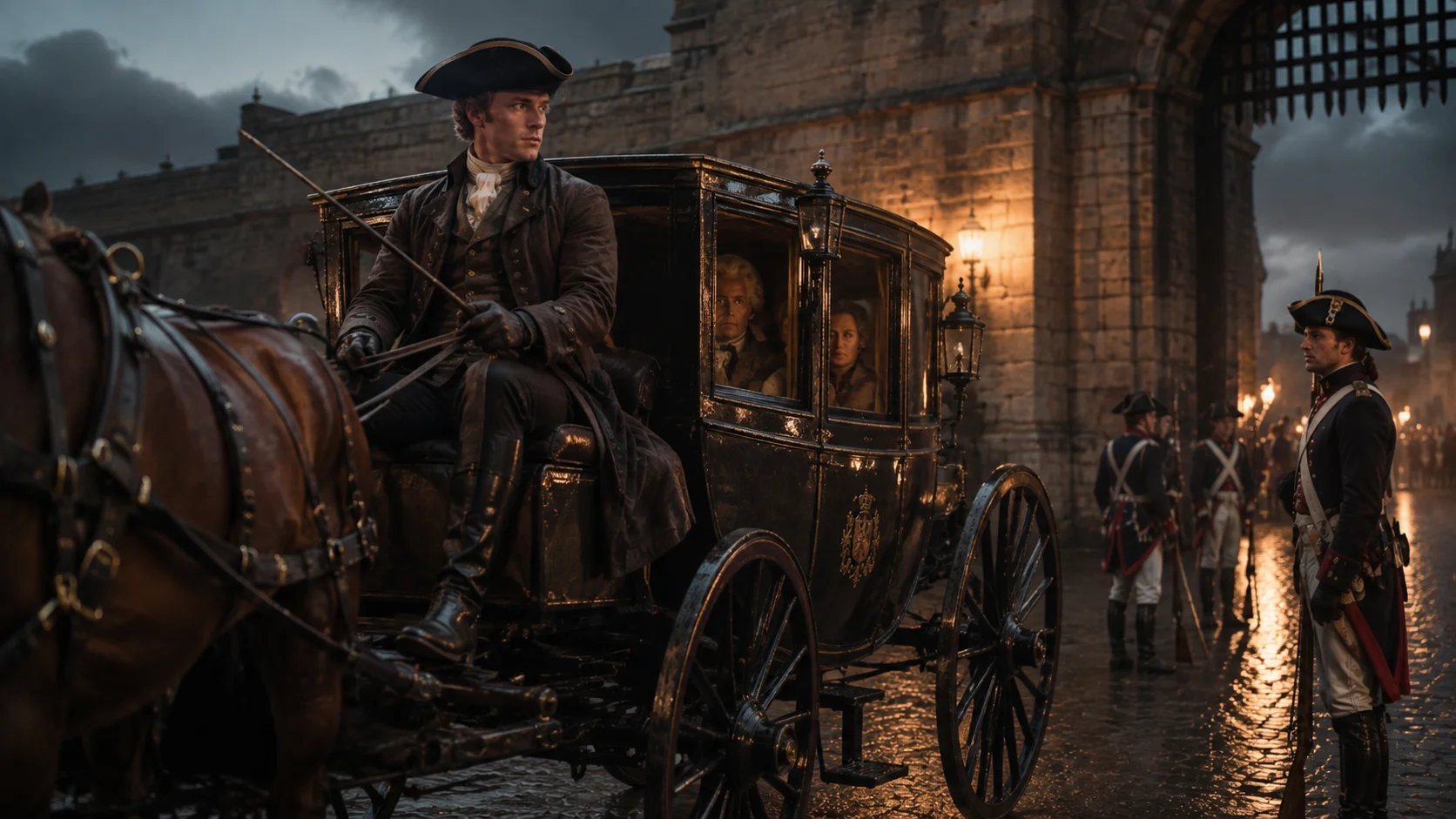
The disastrous Flight to Varennes in 1791, an attempt by the French royal family to escape Paris, was almost entirely orchestrated and financed by Axel von Fersen. He did not merely suggest the plan; he took out massive personal loans to buy the custom-built carriage, forged passports, and bribed officials to facilitate the escape. Axel personally drove the carriage out of Paris disguised as a coachman, risking his own life to ensure the royals slipped past the heavily guarded city gates. The failure of the escape devastated him, and he spent the rest of his life harboring immense guilt over parting ways with the King and Queen before they were captured.
5. Sophie survived a terrifying mob attack
The horrific lynching of Axel von Fersen by a Stockholm mob in 1810 is well documented, but it is rarely mentioned that his sister Sophie was also targeted for assassination that same day. Accused by furious commoners of poisoning the beloved Crown Prince Charles August, Sophie was forced to flee for her life disguised as a maid. She managed to escape the capital via a small boat, evading the bloodthirsty rioters who were actively hunting her through the streets of Stockholm. Her survival required immense courage and quick thinking, eventually allowing her to clear her name in a formal court of law, though she was forever changed by the trauma of her brother's brutal murder.
6. The siblings shared an unusually intense bond
Axel and Sophie maintained a remarkably close and emotionally intense relationship throughout their entire lives, often prioritizing each other over their respective spouses. Their surviving correspondence reveals that they confided everything to one another, from state secrets to their deepest romantic entanglements. Axel frequently referred to Sophie as the only woman he truly loved and trusted besides Marie Antoinette, heavily relying on her political insights back in Sweden while he traveled Europe. This fiercely loyal dynamic created a formidable political alliance, but it also alienated them from other members of the Swedish nobility who viewed their insular bond with suspicion.
7. Axel disguised himself to sneak into revolutionary Paris
Even after the French royal family was placed under strict house arrest at the Tuileries Palace, Axel von Fersen managed to infiltrate Paris to see Marie Antoinette one last time. In February 1792, he donned a disguise and utilized forged diplomatic credentials to slip past the highly paranoid revolutionary guards. This incredibly reckless mission was not merely a romantic tryst, as Axel was attempting to finalize a plan for a second escape and gauge the political climate for a potential allied invasion. He spent a little over twenty-four hours hidden in the palace before fleeing the city, marking the final tragic meeting between him and the doomed Queen.
8. Sophie orchestrated a strategic marriage of convenience
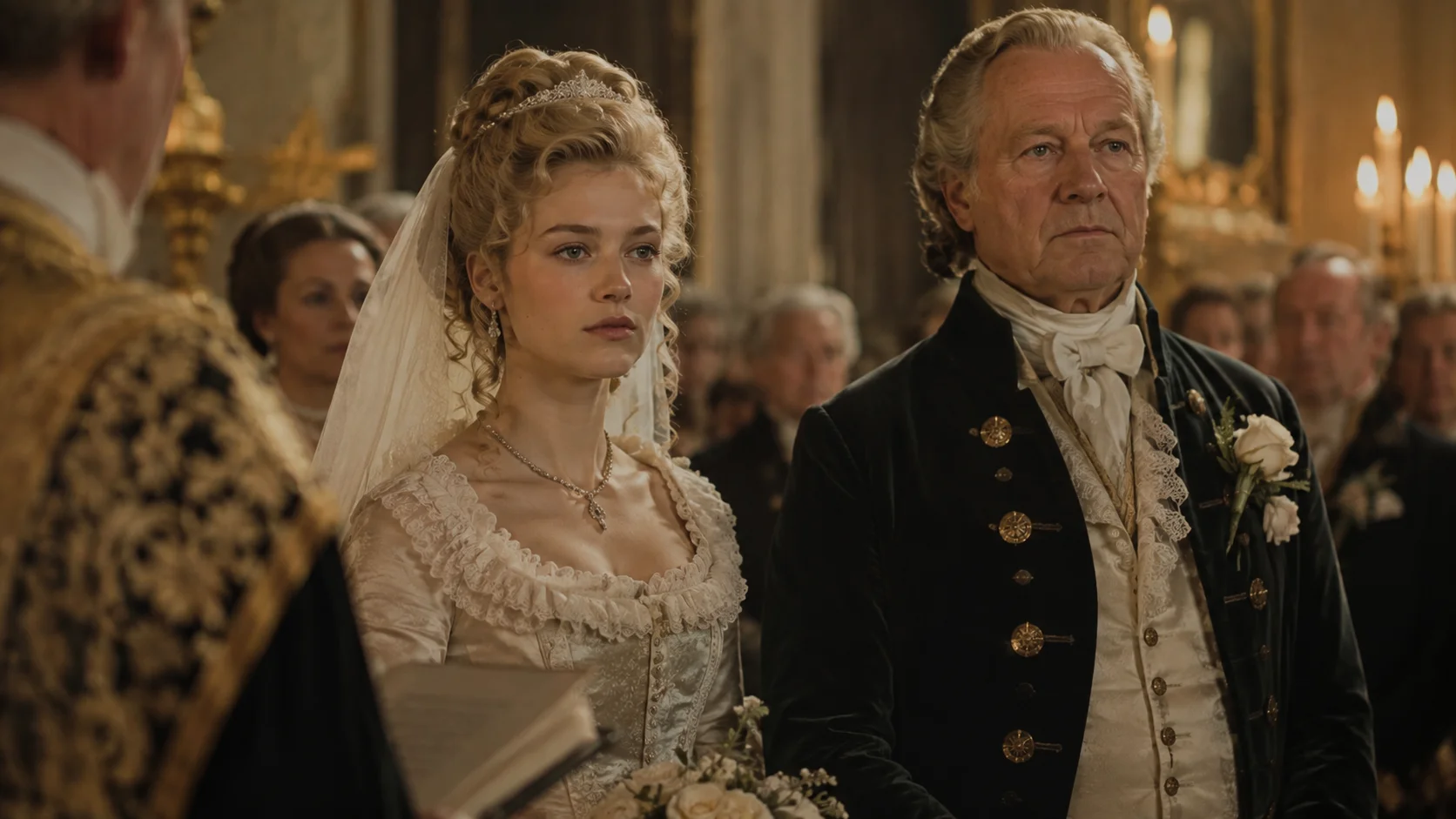
Like many aristocratic women of her era, Sophie was pushed into a marriage designed to consolidate wealth and political power, wedding the much older Count Adolf Ludvig Piper. However, she brilliantly flipped this traditional patriarchal arrangement to her advantage, using her husband's immense wealth to fund her own political maneuvers. Count Piper was largely disinterested in court intrigue, which granted Sophie extraordinary independence to operate in Stockholm without interference. Through this union, she secured the financial autonomy necessary to become a major patron of the arts and a central figure in Swedish high society.
9. Axel’s hatred of the French Revolution became fanatical
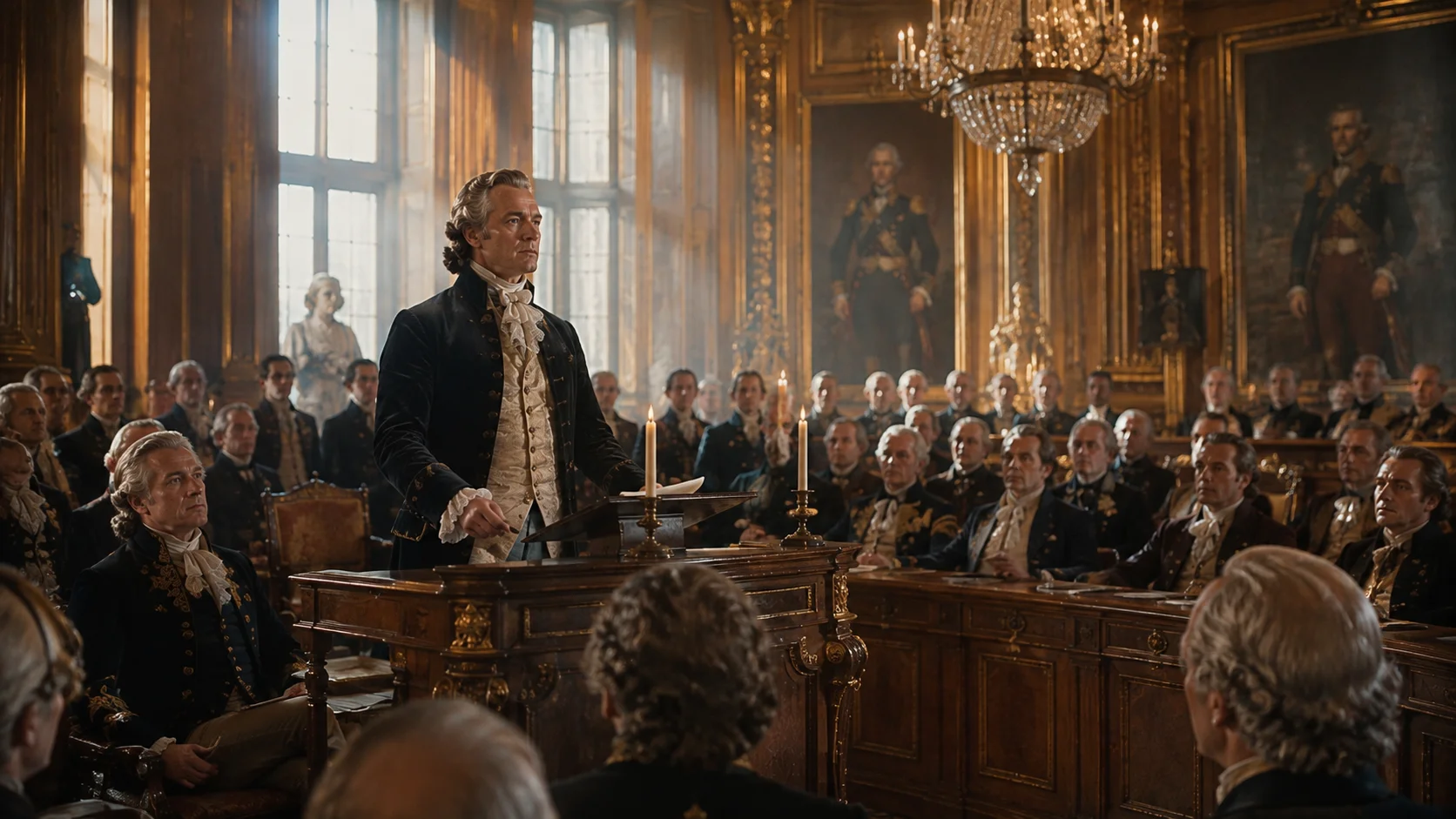
Following the execution of Marie Antoinette, Axel von Fersen underwent a profound psychological transformation, shifting from a calculated diplomat to a bitter reactionary. He developed a fanatical hatred for anything associated with the French Revolution, viewing the entire movement as a monstrous aberration that had destroyed his world. This radical shift blinded his political judgment, leading him to advocate for wildly unrealistic and draconian military campaigns against France long after the rest of Europe had accepted the changing tides. His uncompromising and haughty demeanor alienated his former allies and ultimately sowed the seeds of his own unpopularity back in Sweden.
10. Sophie was a suspected political poisoner
In the tumultuous political climate of 1810 Sweden, paranoia ran high, and Sophie's reputation as a mastermind of court intrigue made her an easy scapegoat. When Crown Prince Charles August suddenly died after falling off his horse during a military review, rumors immediately spread that the von Fersens had poisoned him to put a member of the old Gustavian regime on the throne. Despite modern medical consensus confirming the Prince died of a natural stroke, the rumor was weaponized by political enemies to destroy the von Fersen family's influence. Sophie was legally exonerated of all charges after a rigorous investigation, but the baseless conspiracy theory permanently stained her public reputation.
11. Axel was a prominent freemason
Beneath his polished diplomatic exterior, Axel was deeply involved in European freemasonry, a highly controversial affiliation during the late eighteenth century. He was a member of the elite Swedish Rite, which afforded him access to an international network of powerful aristocrats, military leaders, and politicians. This secretive brotherhood provided him with back-channel communications and safe houses across Europe, resources he heavily utilized while orchestrating the Flight to Varennes. His masonic ties were viewed with intense suspicion by both French revolutionaries and Swedish populists, who believed he was part of a sinister shadow government.
12. The siblings inherited a staggering fortune
Axel and Sophie were born into one of the wealthiest and most influential families in Sweden, inheriting a fortune built on ironworks, vast agricultural estates, and political maneuvering. Their father, Fredrik Axel von Fersen, was a dominant force in the Swedish parliament, meaning the siblings were practically raised as political royalty. This immense wealth allowed Axel to self-fund his diplomatic missions and the French royal family's escape attempts without relying on state treasuries. Meanwhile, Sophie utilized her portion of the family wealth to maintain a magnificent estate at Lofstad Castle, which she transformed into a hub for political dissidents and intellectuals.
13. Axel’s murder was likely a state-sanctioned assassination
The mob violence that claimed Axel von Fersen's life during the funeral procession of Crown Prince Charles August was almost certainly permitted, if not actively orchestrated, by the Swedish government. Eyewitness accounts note that heavily armed soldiers stood by and watched for hours as the crowd savagely beat the Marshal of the Realm to death, refusing to intervene despite direct orders being available. King Charles XIII and his advisors were terrified of a general uprising and essentially offered Axel as a sacrificial lamb to appease the bloodthirsty crowd. The total lack of legal consequences for the ringleaders of the mob further supports the theory that his murder was a convenient political purge.
14. Sophie preserved her brother's controversial legacy
Following Axel's horrific death, Sophie took it upon herself to salvage his reputation and curate his historical legacy. She meticulously collected, organized, and hid his vast archive of diaries, letters, and diplomatic dispatches, knowing they contained explosive secrets about European royalty. By safeguarding these documents at her estate, she prevented them from being destroyed by political enemies or the state. It is entirely thanks to Sophie's quiet determination that modern historians possess such a detailed, intimate understanding of Axel's covert activities and his true relationship with the French royal court.
15. The von Fersen curse at Lofstad Castle
Sophie spent her final years in quiet exile at Lofstad Castle, deeply mourning the tragic trajectory of her once-mighty family. Following her death, the estate was passed down, but the von Fersen name ultimately died out, leading to local legends of a lingering curse born from the bloodshed of the French and Swedish revolutions. Today, Lofstad Castle remains perfectly preserved exactly as it was when the family lived there, serving as a museum that honors Sophie's resilience. Walking through the halls, visitors can still see the secret compartments and hidden archives where Sophie once protected the dangerous secrets of her beloved brother and the doomed Queen of France.
Sources & References
This AI-assisted post was rigorously curated and fact-checked for accuracy by:
 Martin Roháček
How fun was this article? 🤔
Tap a star to rate it
Enjoyed these facts? There's more! 💌
Fresh fun facts in your inbox. No spam, ever.