The Misunderstood River-Monster: 15 Fascinating Facts About Hellbenders
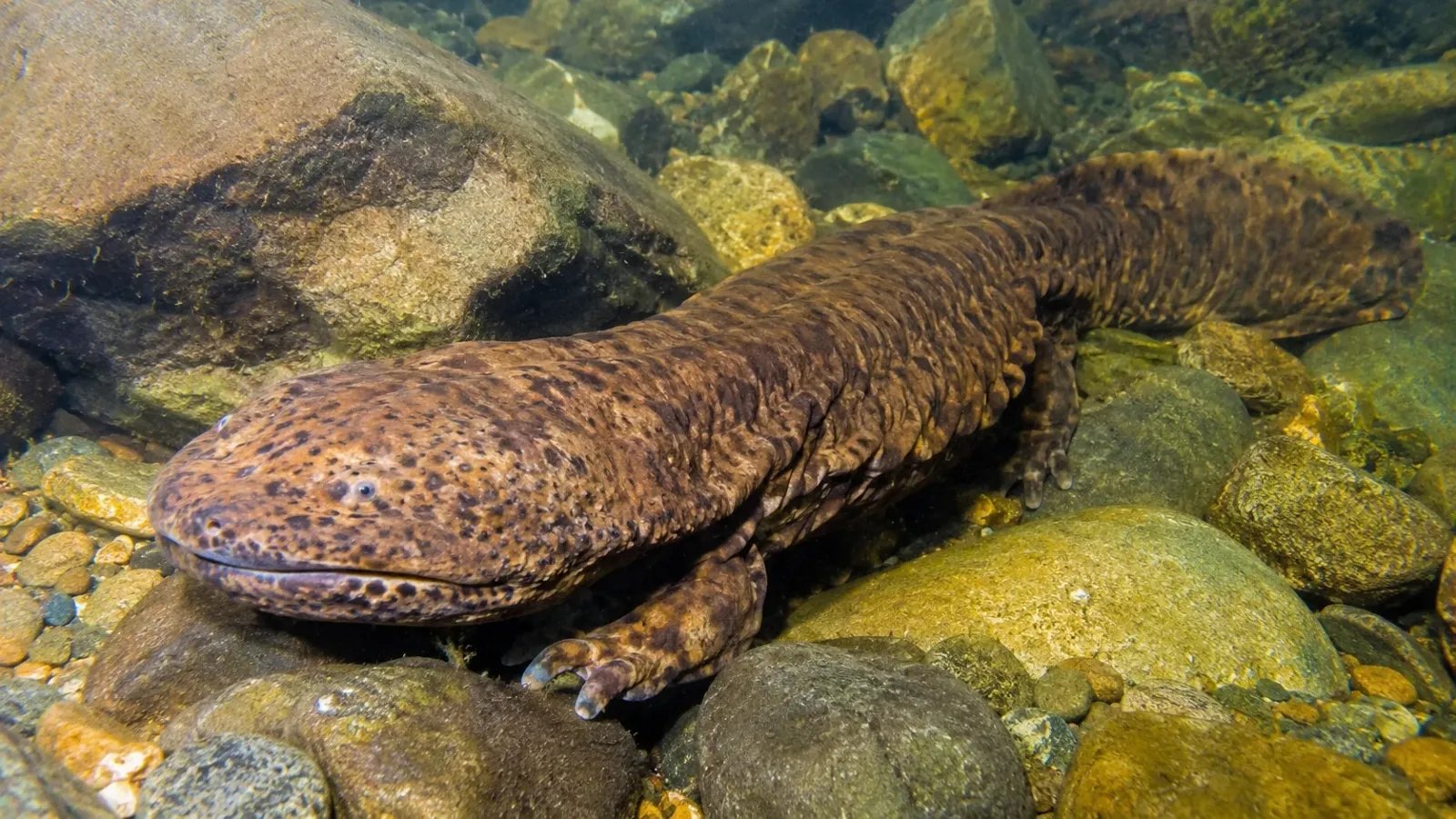
Despite its demonic moniker and a widespread reputation among anglers as a venomous, game-fish-devouring river monster, the hellbender is actually a harmless, wholly aquatic salamander whose presence signals a thriving, pristine ecosystem. Often dismissed as an ugly, slimy nuisance—or mistakenly feared as an aggressive predator capable of delivering a toxic bite—this ancient amphibian is, in reality, a gentle giant that has remained virtually unchanged for 65 million years. As North America's largest salamander, the hellbender possesses a bizarre array of biological adaptations, from breathing almost entirely through its wrinkled skin to a patriarchal reproductive strategy where males fiercely guard the nests. Far from being a demonic menace of the waterways, this elusive creature is a fascinating, critically endangered marvel of evolution, and exploring its hidden world reveals just how complex and fragile our freshwater ecosystems truly are.
1. The Origin of a Demonic Name
Early settlers and fishermen took one look at this giant, wrinkled, mud-colored amphibian and decided it looked like a creature that had crawled straight out of the underworld, earning it the name hellbender. However, the exact origin of the moniker remains heavily debated among historians and biologists. Some believe the name stems from the creature's strange, undulating movements in the water, which made it look like it was "hell-bent" on returning to the fiery depths. Despite this frightening mythology, the animal is entirely harmless to humans, possessing no venom and only a row of tiny, raspy teeth meant for gripping slippery crayfish rather than attacking wayward swimmers.
2. A Multitude of Hilarious Nicknames
If "hellbender" feels too menacing, local folklore across the Appalachian Mountains has provided a colorful array of alternative names for this unique amphibian. It is affectionately—or sometimes derisively—known as the snot otter, devil dog, Allegheny alligator, mud-devil, and grampus. The title "snot otter" is particularly biologically accurate, as the hellbender secretes a thick, slippery mucus from its skin when threatened, making it incredibly difficult for predators to grab. This slime layer acts as both a physical defense mechanism and an antibiotic shield, protecting the amphibian from harmful aquatic pathogens while cementing its status as a legend of Appalachian folklore.
3. North America's Largest Amphibian
While it is dwarfed by its massive relatives in Japan and China, the hellbender easily claims the title of the largest aquatic salamander in North America. An adult can grow to be more than two feet in length and weigh up to five pounds, a shocking size for anyone accustomed to the tiny, brightly colored salamanders found under garden logs. Unlike typical terrestrial amphibians, the hellbender spends its entire life cycle underwater, never transitioning to a land-dwelling stage. Its large, flat body and broad head are perfectly streamlined to help it navigate the fast-flowing, rocky streams of the eastern United States without being swept away by the current.
4. Masters of Cutaneous Respiration
One of the most profound misconceptions about hellbenders is that they use their lungs to breathe underwater like a diving mammal. In reality, while they do possess lungs, they are largely vestigial and primarily used for buoyancy control rather than respiration. Instead, the hellbender relies on cutaneous respiration, meaning it absorbs oxygen directly from the water through the highly vascularized, deeply wrinkled folds of skin that run along its sides. Because it essentially breathes through its skin, the amphibian requires cold, fast-moving, highly oxygenated water to survive, making it incredibly vulnerable to dam construction and water stagnation.
5. The Ultimate Bioindicator Species
Because their porous skin absorbs everything in their environment, hellbenders act as a crucial biological barometer for the health of freshwater ecosystems. They cannot tolerate pollution, agricultural runoff, heavy sedimentation, or chemical contaminants, meaning their presence in a stream is a guarantee of pristine, high-quality water. Conversely, their sudden disappearance from historical habitats serves as an early warning system for environmental degradation that might otherwise go unnoticed by human monitoring. Protecting the hellbender inherently involves protecting the entire watershed, ensuring clean drinking water and healthy environments for countless other species.
6. A Diet Dominated by Crayfish
A persistent myth among frustrated fishermen is that hellbenders are gluttonous predators that decimate local trout and bass populations. In truth, scientific stomach-content analyses have repeatedly proven that game fish make up an astonishingly insignificant portion of a hellbender's diet. Over ninety percent of their diet consists of crayfish, which they hunt at night using a combination of scent and specialized sensory organs along their bodies. By keeping crayfish populations in check, hellbenders actually support healthy fish populations, as an overabundance of crayfish can lead to the destruction of fish eggs and vital aquatic vegetation.
7. The Suction-Feeding Assassins
When a hellbender does locate a tasty crayfish in the dark, it does not slowly chew its prey like a terrestrial animal. Instead, it utilizes a highly evolved technique known as asymmetrical suction feeding, dropping its lower jaw on only one side to create a localized vacuum in a fraction of a second. This rapid expansion of the mouth cavity causes water—and the unsuspecting prey—to rush violently into the hellbender's mouth before the crustacean can react. This method is incredibly efficient in fast-moving currents where traditional snapping or biting would push the prey further away through water displacement.
8. Dedicated Single Fathers
In a surprising reversal of many vertebrate reproductive roles, male hellbenders are the sole caretakers of their offspring. During the breeding season in late summer and early fall, the male excavates a secure nesting chamber under a large, submerged boulder, aggressively defending it from rival males. After coaxing a female into the den to lay her strings of yellow eggs, he fertilizes them externally and forcefully ejects her from the nest, knowing females will readily cannibalize their own eggs. The male then spends the next several months fiercely guarding the clutch, gently swaying his body to fan fresh, oxygenated water over the developing embryos until they hatch.
9. Unchanged Since the Age of Dinosaurs
The hellbender is a living fossil, belonging to the ancient amphibian family Cryptobranchidae, which first appeared in the fossil record roughly 65 million years ago. Their physical morphology has remained practically identical to their prehistoric ancestors, suggesting their evolutionary design was perfectly suited to their environment from the very beginning. While dinosaurs went extinct and mammals rapidly evolved, these giant salamanders quietly thrived in the mountain streams of North America, surviving ice ages and dramatic climatic shifts. This deep evolutionary history makes their current, rapid decline due to human interference all the more tragic for biologists studying ancient biological lineages.
10. A Built-in Lateral Line System
Because they are nocturnal and inhabit murky or highly turbulent waters, hellbenders cannot rely on their tiny, beady eyes to hunt or navigate. To compensate, they possess a sophisticated network of sensory organs known as a lateral line system, similar to the anatomy found in sharks and many fish. These specialized neuromast cells are embedded in the skin along the sides of their bodies and are highly sensitive to changes in water pressure and low-frequency vibrations. This allows a hellbender to detect the faint, rhythmic scuttling of a crayfish or the approach of a predatory snapping turtle in total darkness.
11. An Astonishingly Long Lifespan
Unlike most small amphibians that live only a few years, hellbenders boast an incredibly long lifespan that rivals many large mammals. In the wild, they are known to live for 30 to 50 years, and captive specimens have occasionally surpassed the half-century mark. This longevity is heavily tied to their slow metabolism and cold-water habitat, which naturally decelerates cellular aging and energy expenditure. However, this long lifespan also means they reach sexual maturity very slowly, typically taking five to eight years before they can reproduce, making it exceptionally difficult for decimated populations to rebound.
12. Two Distinct Subspecies
Scientists generally recognize two distinct subspecies of this giant salamander: the Eastern hellbender and the Ozark hellbender. The Eastern hellbender has a larger geographic range, found throughout the Appalachian Mountains from New York down to Georgia. The Ozark hellbender, by contrast, is highly restricted, isolated entirely to a few river systems in southern Missouri and northern Arkansas. The Ozark subspecies is notably smaller, features heavy dorsal blotching, and is currently facing a much higher risk of total extinction due to severe habitat fragmentation and a mysterious fungal disease.
13. The Threat of the Chytrid Fungus
One of the most insidious threats to hellbender populations worldwide is Batrachochytrium dendrobatidis, commonly known as chytrid fungus. This deadly pathogen infects the keratin layer of an amphibian's skin, severely disrupting its ability to absorb oxygen and vital electrolytes, which is essentially a death sentence for a creature that breathes cutaneously. While some hellbender populations seem to carry the fungus without immediately succumbing to it, environmental stressors like warming water temperatures and pollution weaken their immune systems, triggering lethal outbreaks. Researchers are currently racing to develop probiotic treatments and captive breeding programs to inoculate wild hellbenders against this devastating microscopic killer.
14. The Missing Youth Mystery
For decades, field biologists have encountered a deeply troubling phenomenon in wild hellbender populations: an almost complete absence of juveniles. Researchers easily find massive, decades-old adults hiding under rocks, but locating young larvae or juvenile hellbenders has proven nearly impossible in many historic watersheds. This demographic skew suggests that while adults are surviving, they are either failing to reproduce successfully, or their young are being entirely wiped out by predators, siltation, or disease before reaching maturity. Conservationists fear that these aging populations are essentially "ghost populations," bound to collapse entirely once the current generation of long-lived adults naturally dies off.
15. Revolutionary Conservation Efforts
To combat the impending extinction of these unique creatures, zoos and conservation groups have launched innovative captive-rearing initiatives. Biologists carefully extract wild egg clutches from vulnerable streams, hatch them in highly controlled, bio-secure laboratory environments, and raise the juveniles until they are large enough to evade most natural predators like trout and turtles. Before being released back into their native streams, these "head-started" hellbenders are fitted with tiny radio transmitters, allowing scientists to track their movements, survival rates, and habitat preferences. These intensive, hands-on conservation strategies offer the best hope for ensuring the legendary snot otter continues to haunt the rivers of North America for another 65 million years.
Sources & References
This AI-assisted post was rigorously curated and fact-checked for accuracy by:
 Martin Roháček
How fun was this article? 🤔
Tap a star to rate it
🧠 Quiz: How closely were you paying attention?
10 questions — all answers are in the article above!
Enjoyed these facts? There's more! 💌
Fresh fun facts in your inbox. No spam, ever.