15 Fun Facts
Animals

North American Animals

Discover the bizarre adaptations and hidden complexities of North America's most iconic wildlife, from ecosystem-engineering predators to multi-generational migrants.

Updated 22 September 2026 · 12 items · 180 facts in the linked articles · Reading time 5 min

The continent of North America is a sprawling tapestry of extremes, hosting everything from sun-baked deserts and impenetrable swamps to endless prairies and frozen Arctic coasts. Navigating this vast geographical diversity requires an equally astonishing array of biological ingenuity. The animals that call this landmass home aren't just passively surviving; they are highly specialized evolutionary marvels that actively shape the landscapes around them.

What binds these diverse creatures together is their shared mastery of environmental adaptation, often defying our most common assumptions. We tend to view apex predators as mindless killers and delicate insects as fragile wanderers, yet the reality is strikingly opposite. Look closely, and you will find fierce coastal carnivores executing multi-day oceanic swims, giant inland reptiles engineering vital wetlands during droughts, and seemingly delicate butterflies utilizing toxic warfare and magnetic navigation on multi-generational relay races.

Even the continent's most familiar faces hide bizarre secrets beneath the surface. From mammals that give birth to perfect genetic clones to rodents capable of thriving in completely arid wastelands without ever drinking a drop of water, North American wildlife constantly rewrites the rules of mammalian biology. These creatures remind us that true resilience often comes in the most unexpected forms.

Dive into the curated collection below to uncover the meticulously verified facts and hidden complexities of North America's greatest survivors.

The short version

Every item on this page, with the one fact most people get wrong about it.

Name Where you'll meet it The fact worth knowing
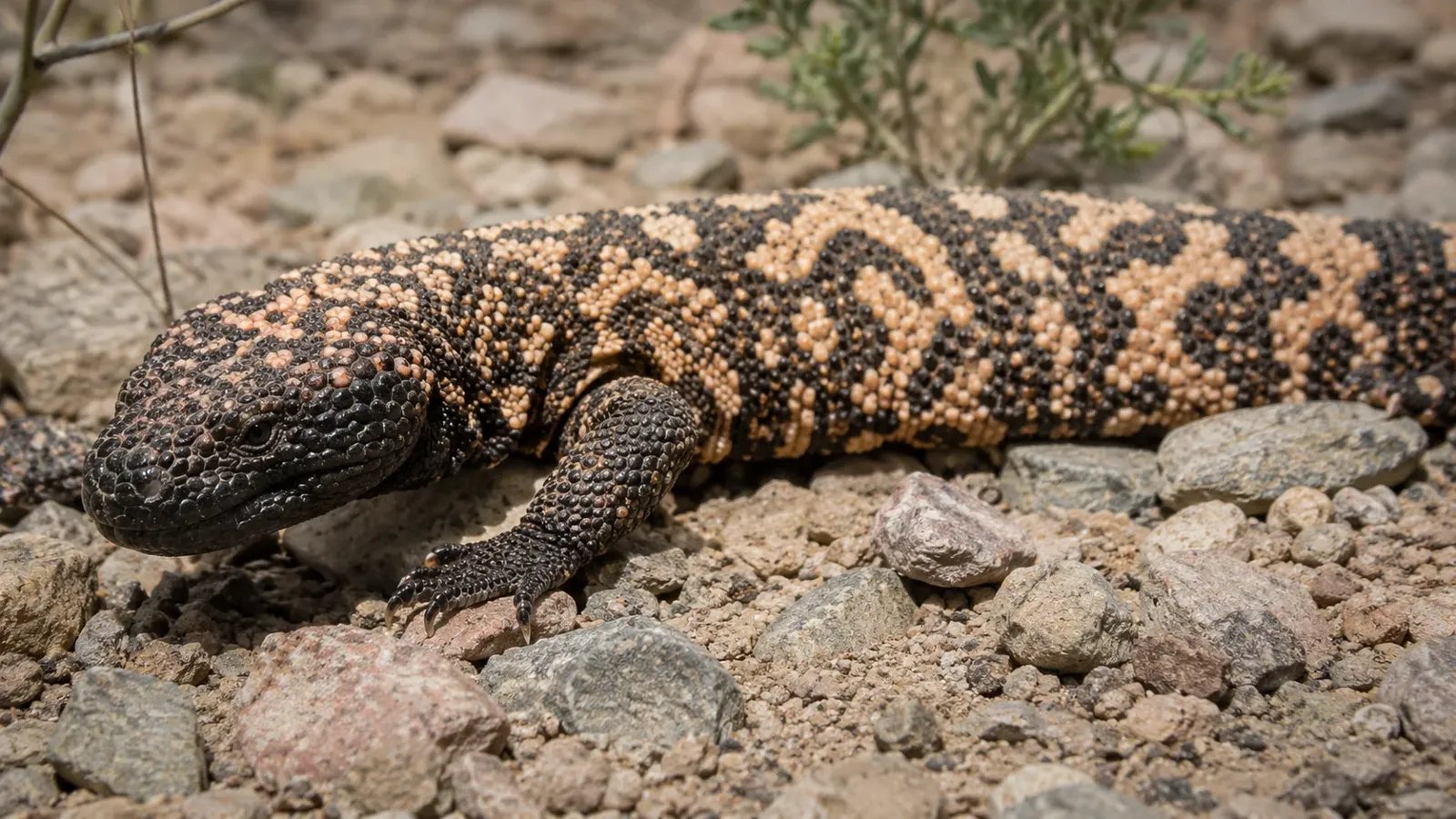
Gila Monsters Southwestern Deserts, Reptiles Their venom isn't injected through hollow fangs like a snake, but instead flows up through grooves in their teeth as they chew.
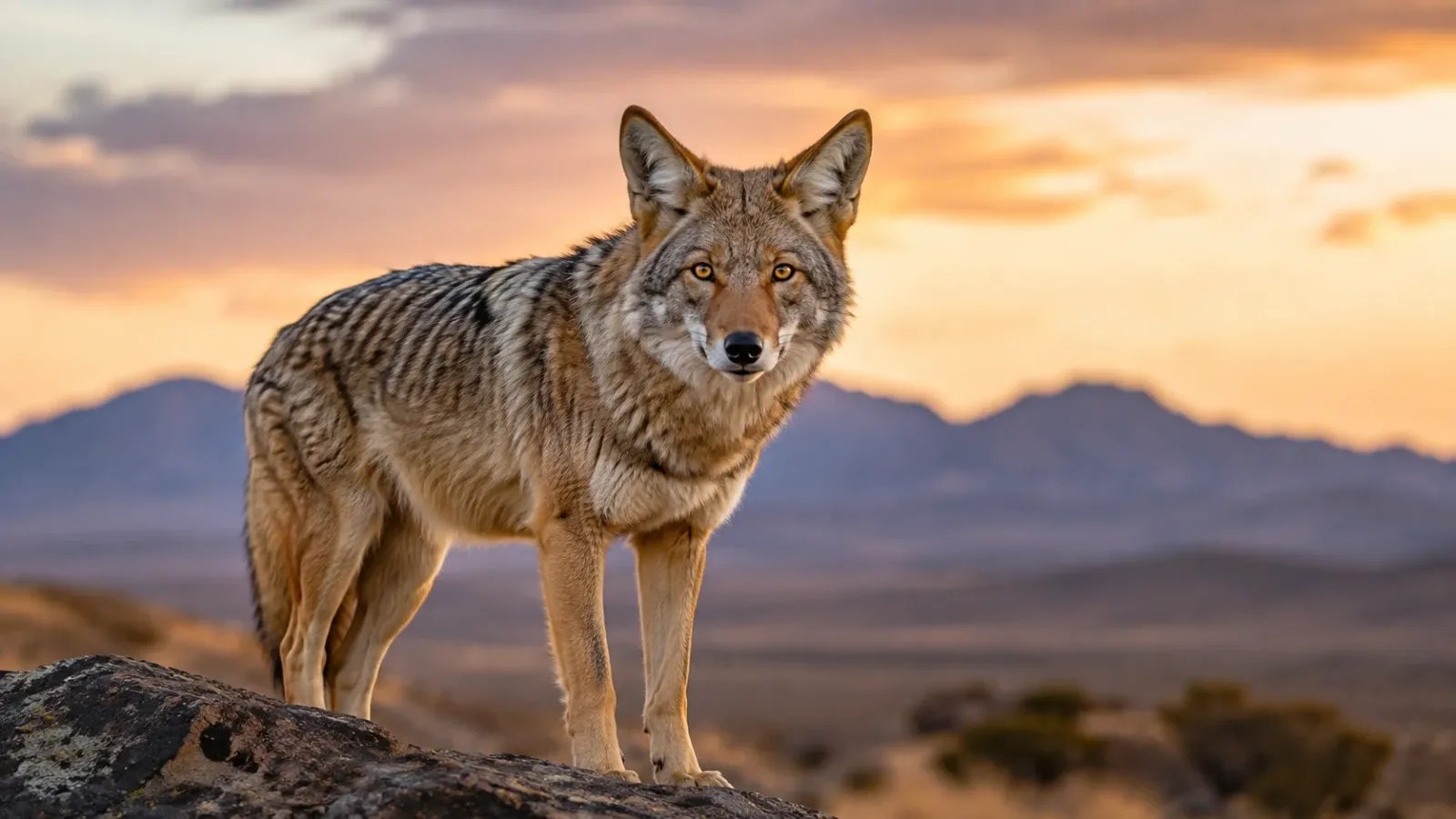
Coyotes Continent-wide, Canines Fierce eradication efforts have actually caused this resilient canine's population to explode and expand geographically.
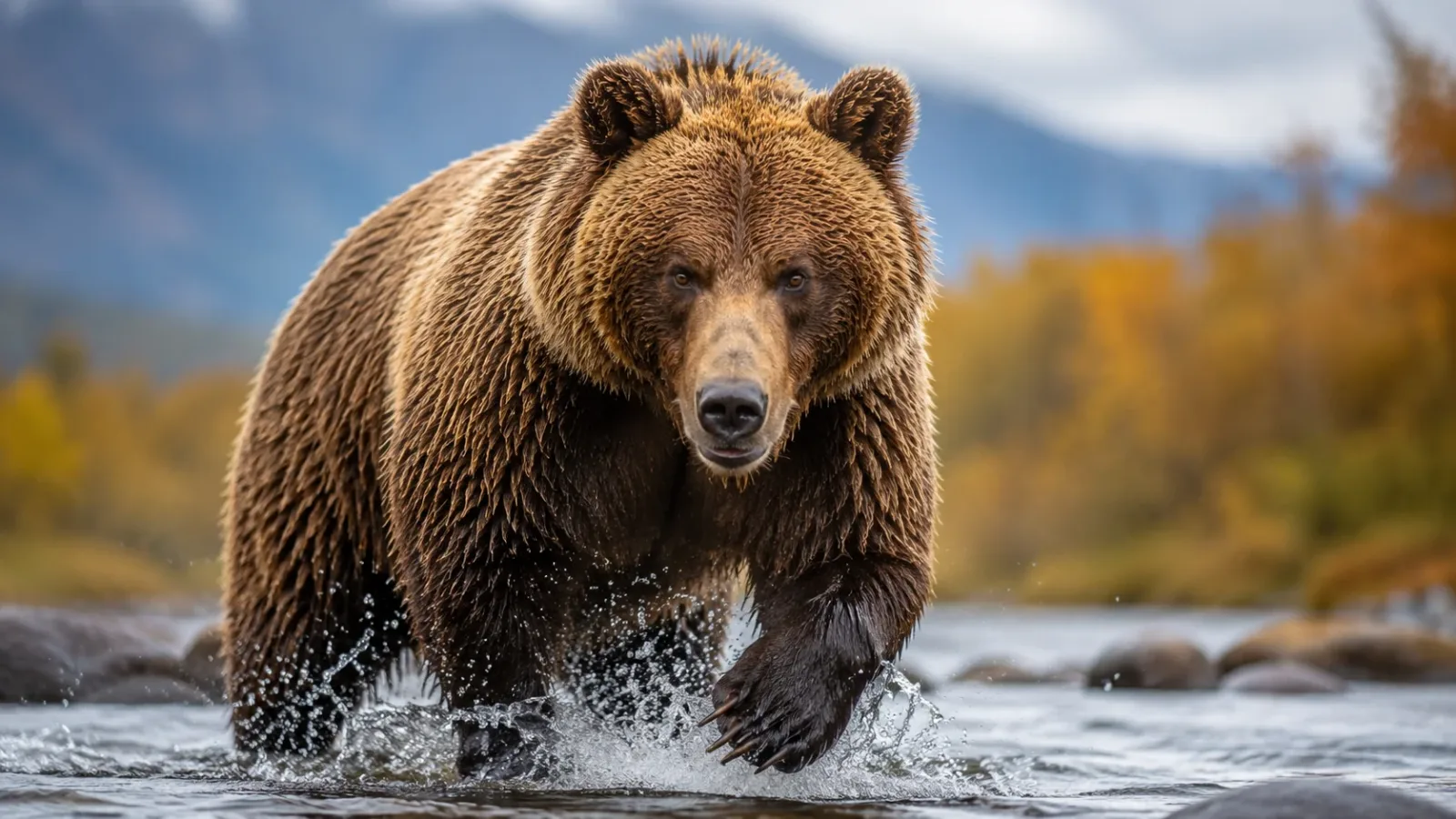
Brown Bears Northern Hemisphere, Apex Predators Despite their terrifying cinematic reputation as apex carnivores, these massive titans are actually largely vegetarian.
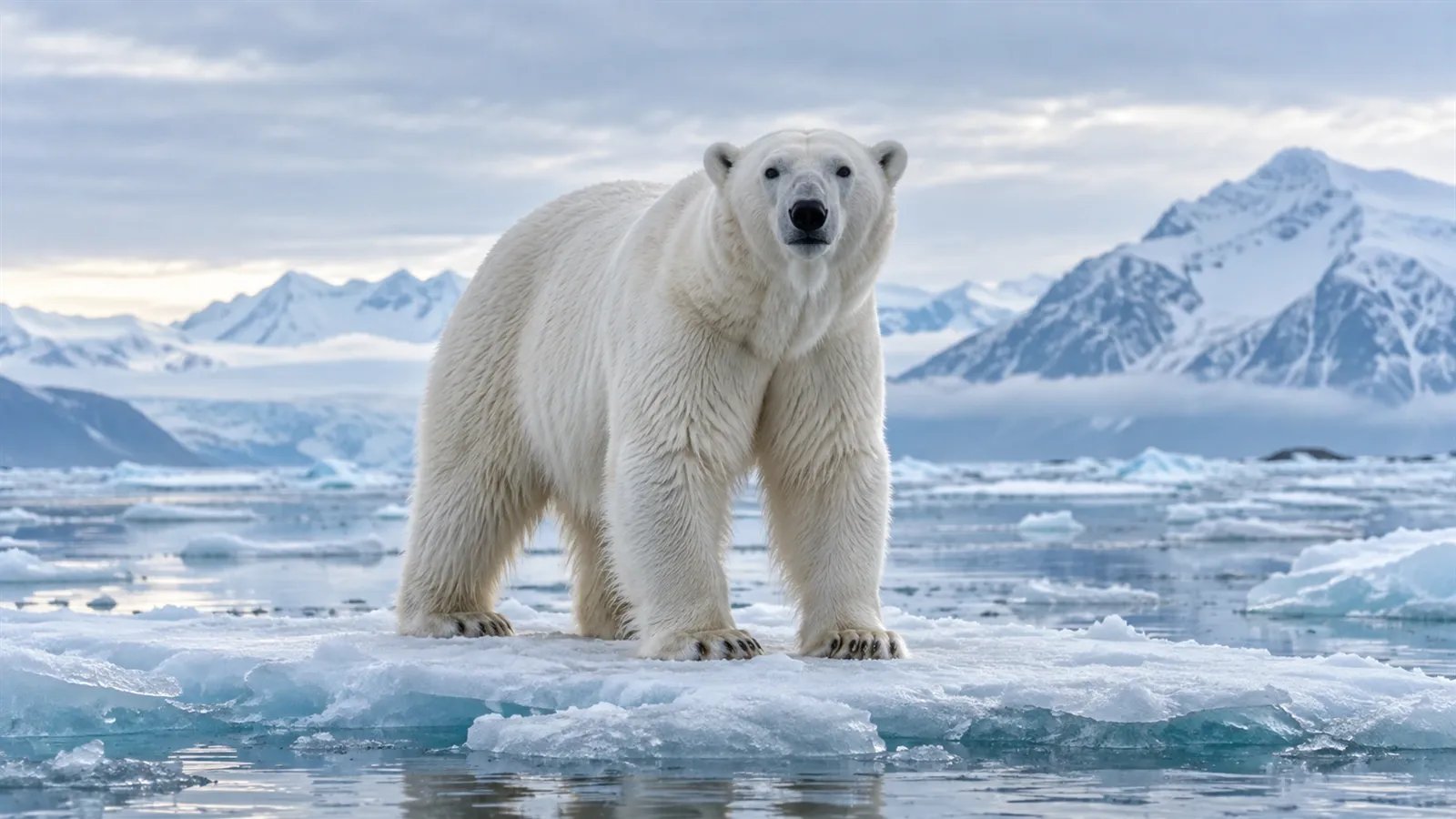
Polar Bears Arctic Coasts, Marine Mammals Beneath their iconic fluffy white coats, these maritime predators actually have jet-black skin to absorb every ounce of solar heat.
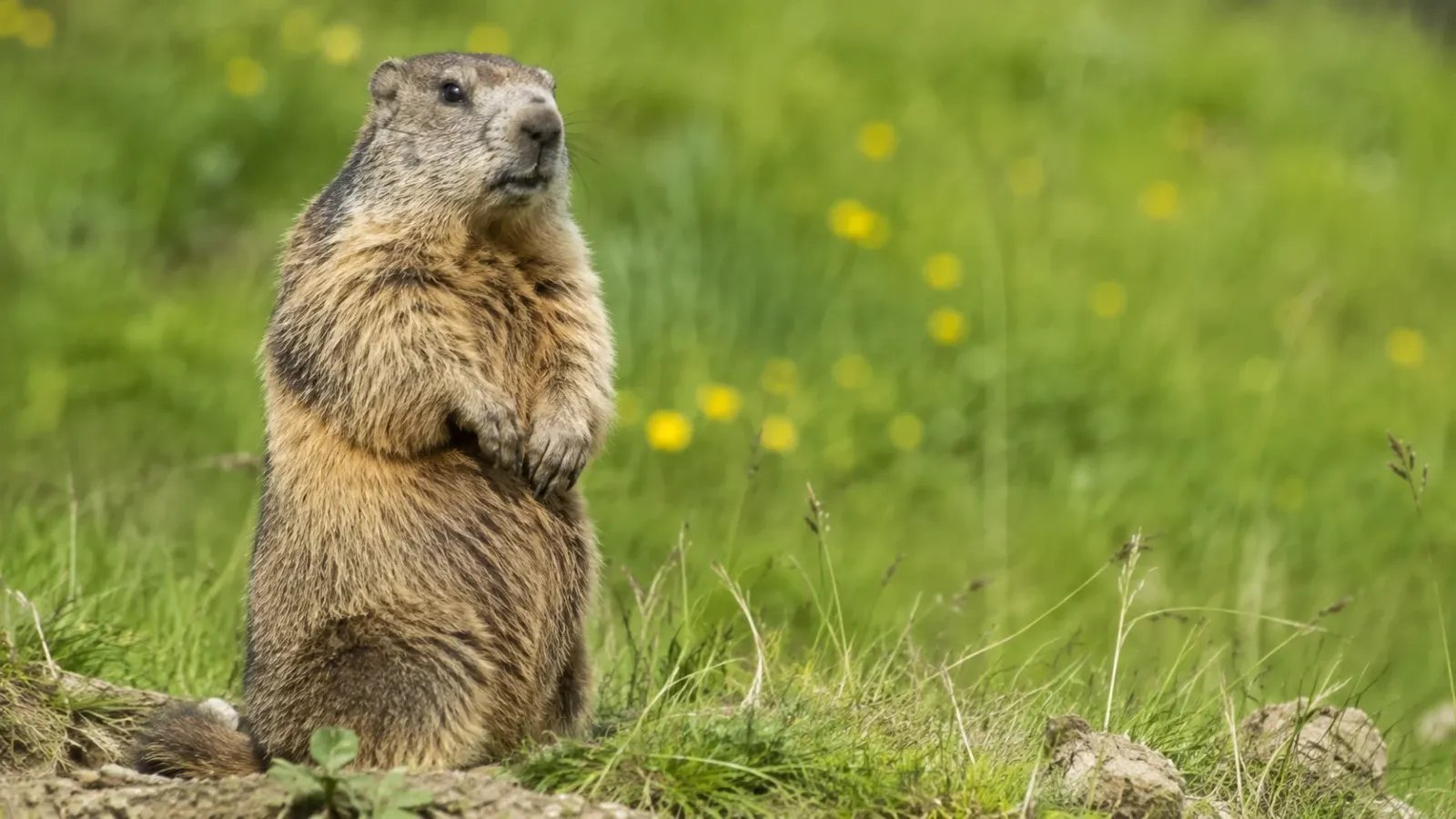
Groundhogs Eastern & Central Woodlands, Rodents Far beyond their fame as winter weather forecasters, they are prodigious subterranean architects capable of moving thousands of pounds of dirt.
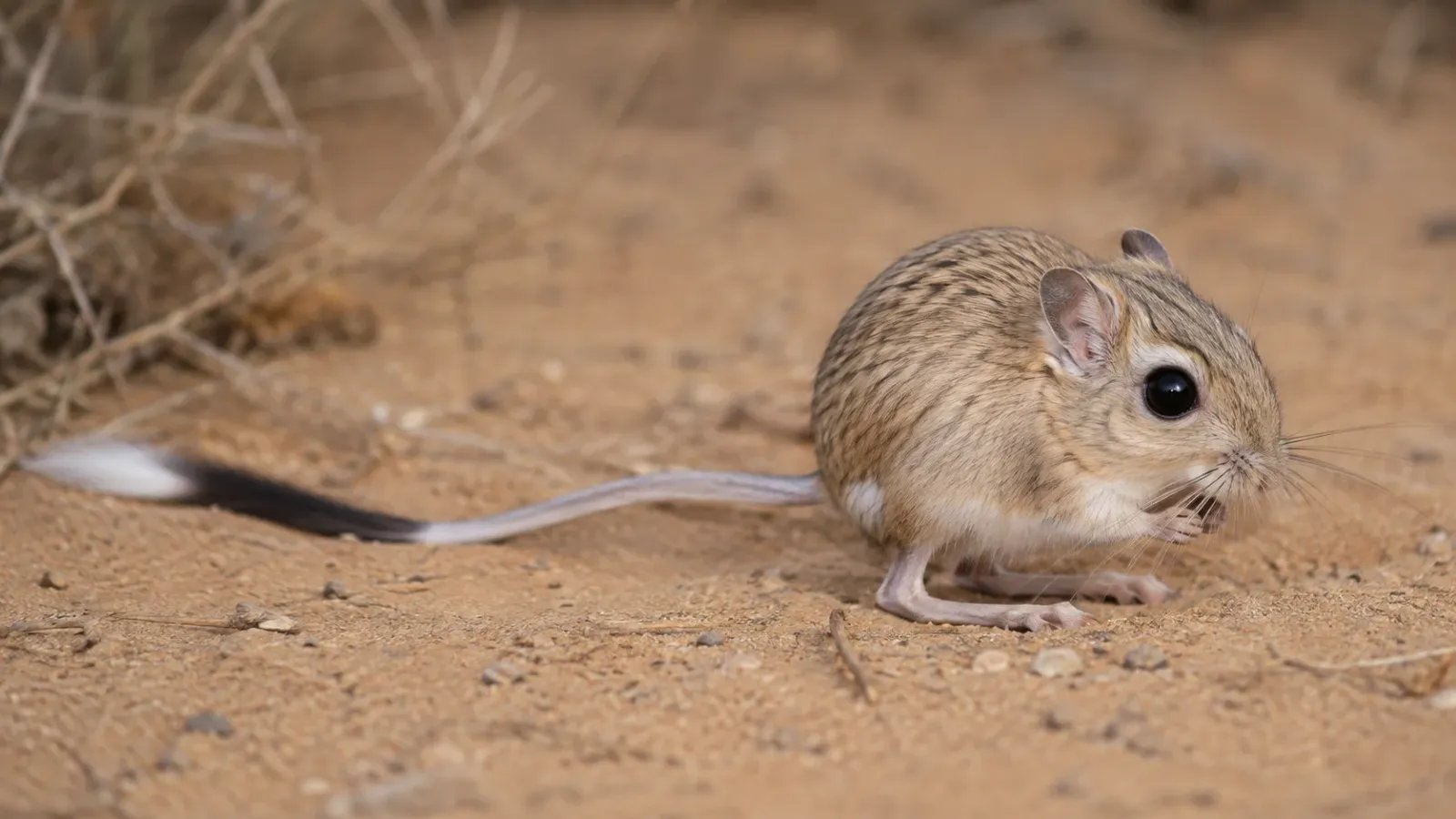
Kangaroo Rats Western Deserts, Rodents These highly specialized jumpers can survive their entire lives without ever drinking a single drop of liquid water.
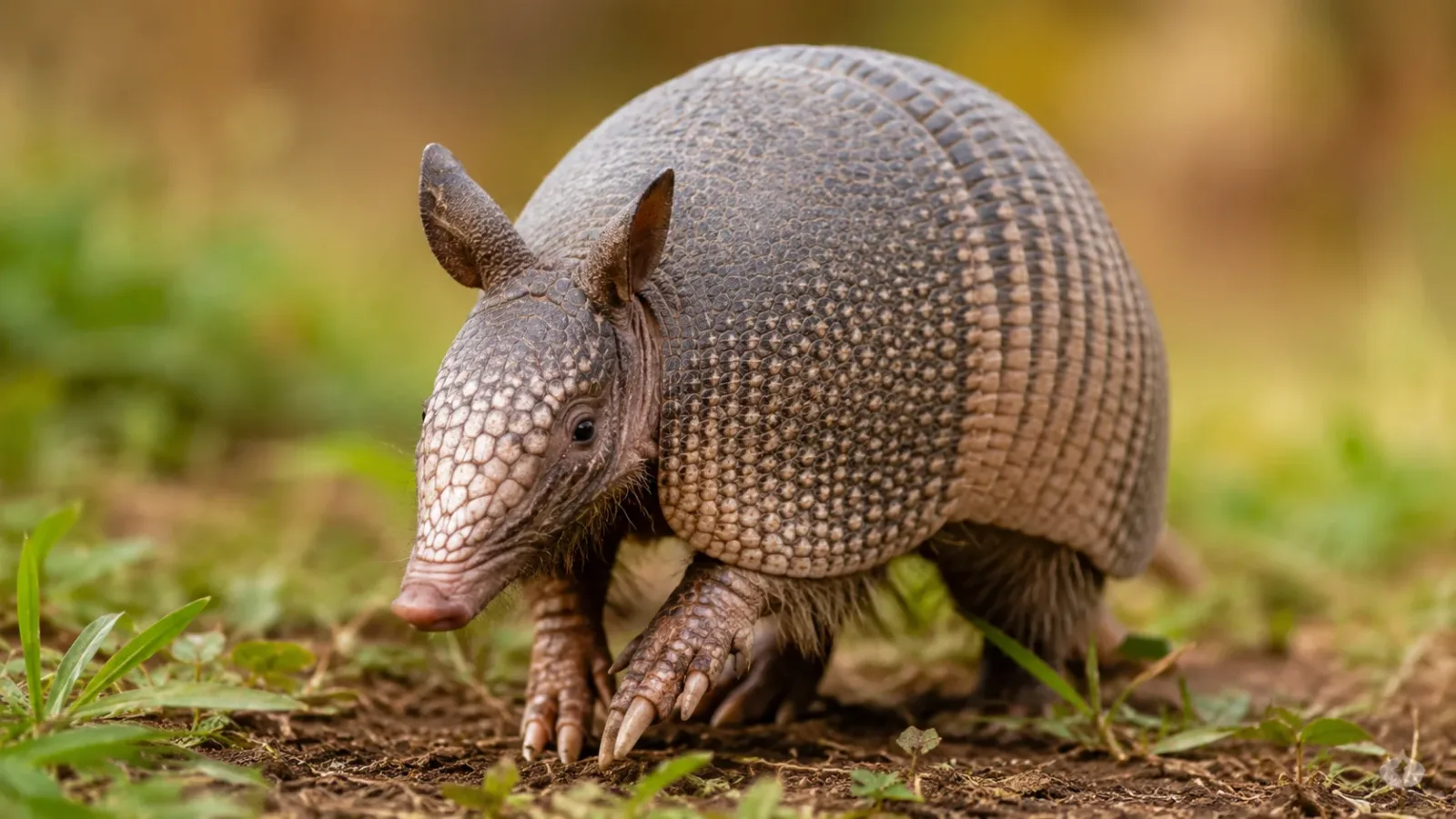
Armadillos Southern US & Americas, Mammals The nine-banded armadillo routinely gives birth to exactly four genetically identical offspring every single time.
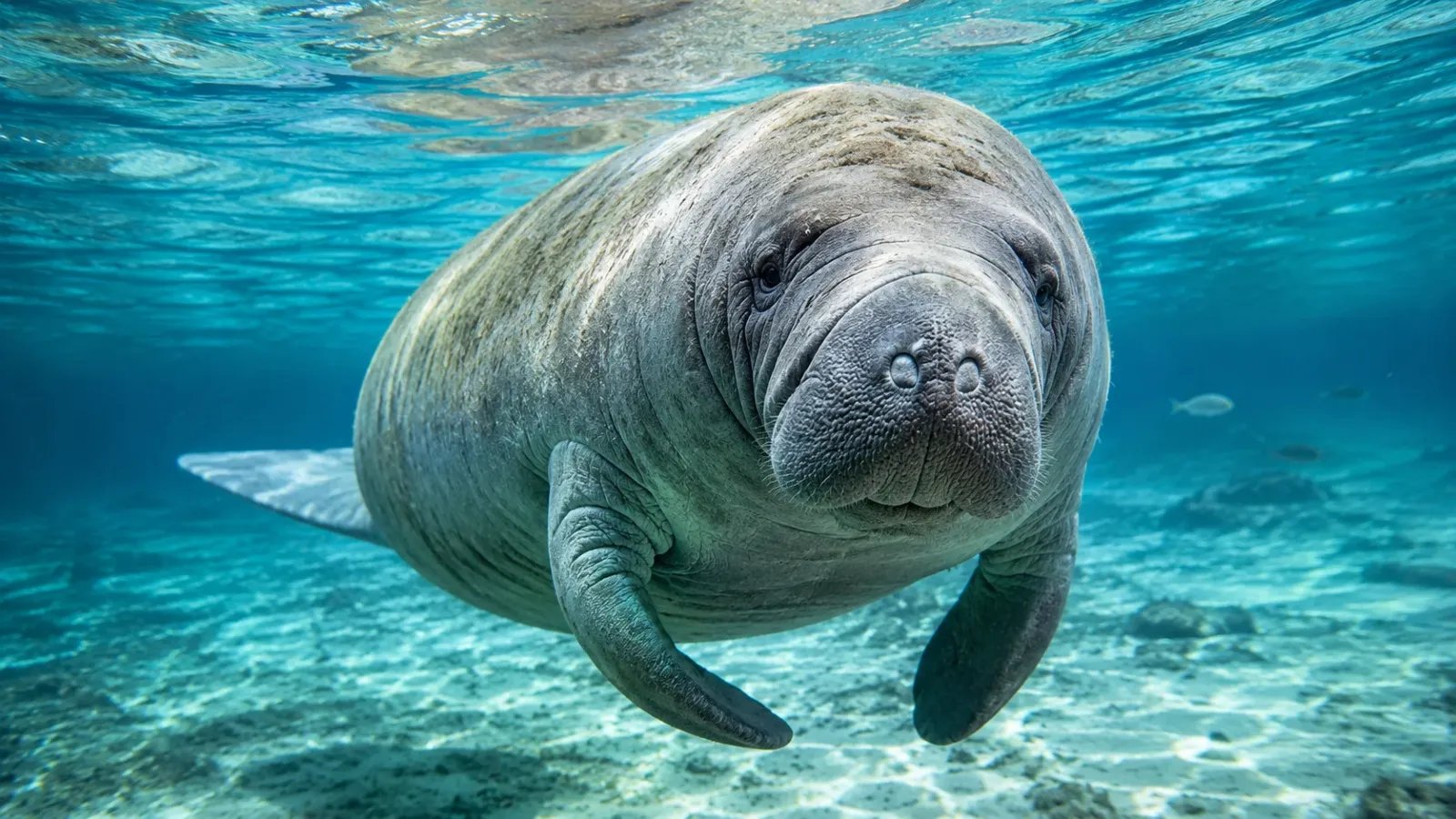
Manatees Florida & Gulf Coast, Marine Mammals These slow-moving, aquatic 'sea cows' are actually the closest living evolutionary relatives of the elephant.
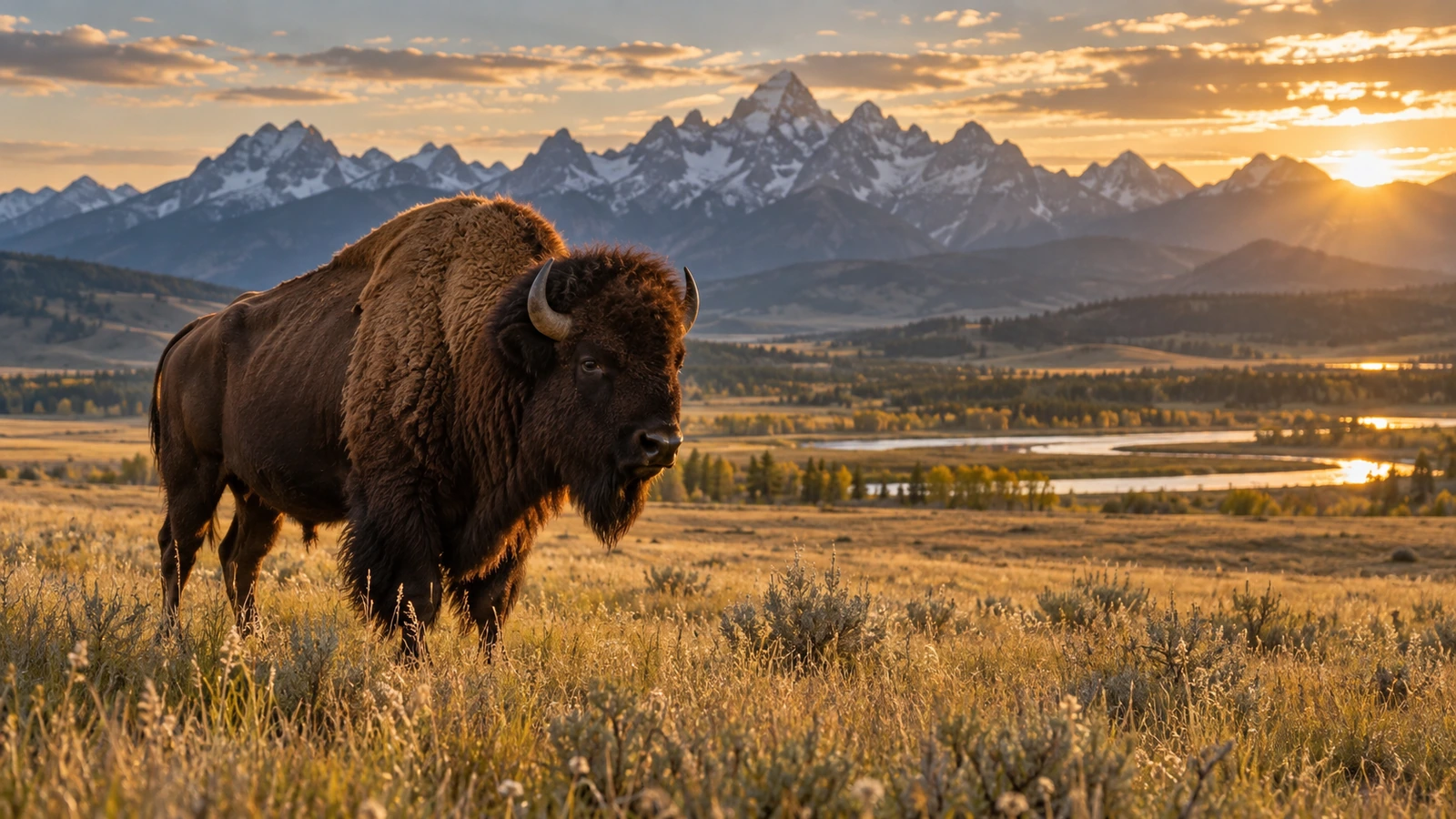
American Bison Great Plains, Hoofed Mammals Despite weighing up to 2,000 pounds, these massive herbivores are surprisingly agile and can run at speeds up to 35 miles per hour.
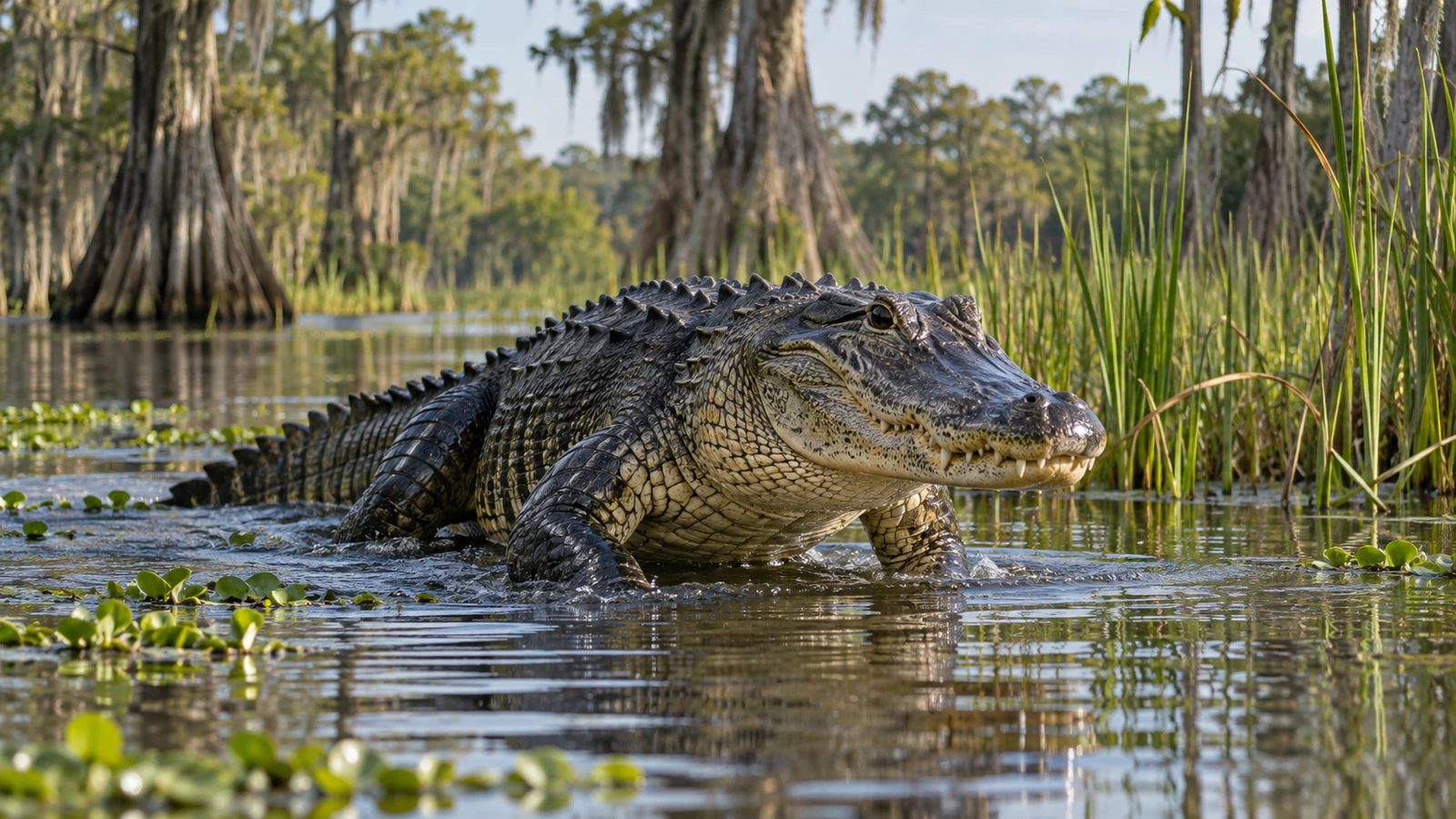
Alligators Southeastern Wetlands, Reptiles During freezing winter snaps, they survive by letting themselves freeze into the ice with just their snouts poking out to breathe.
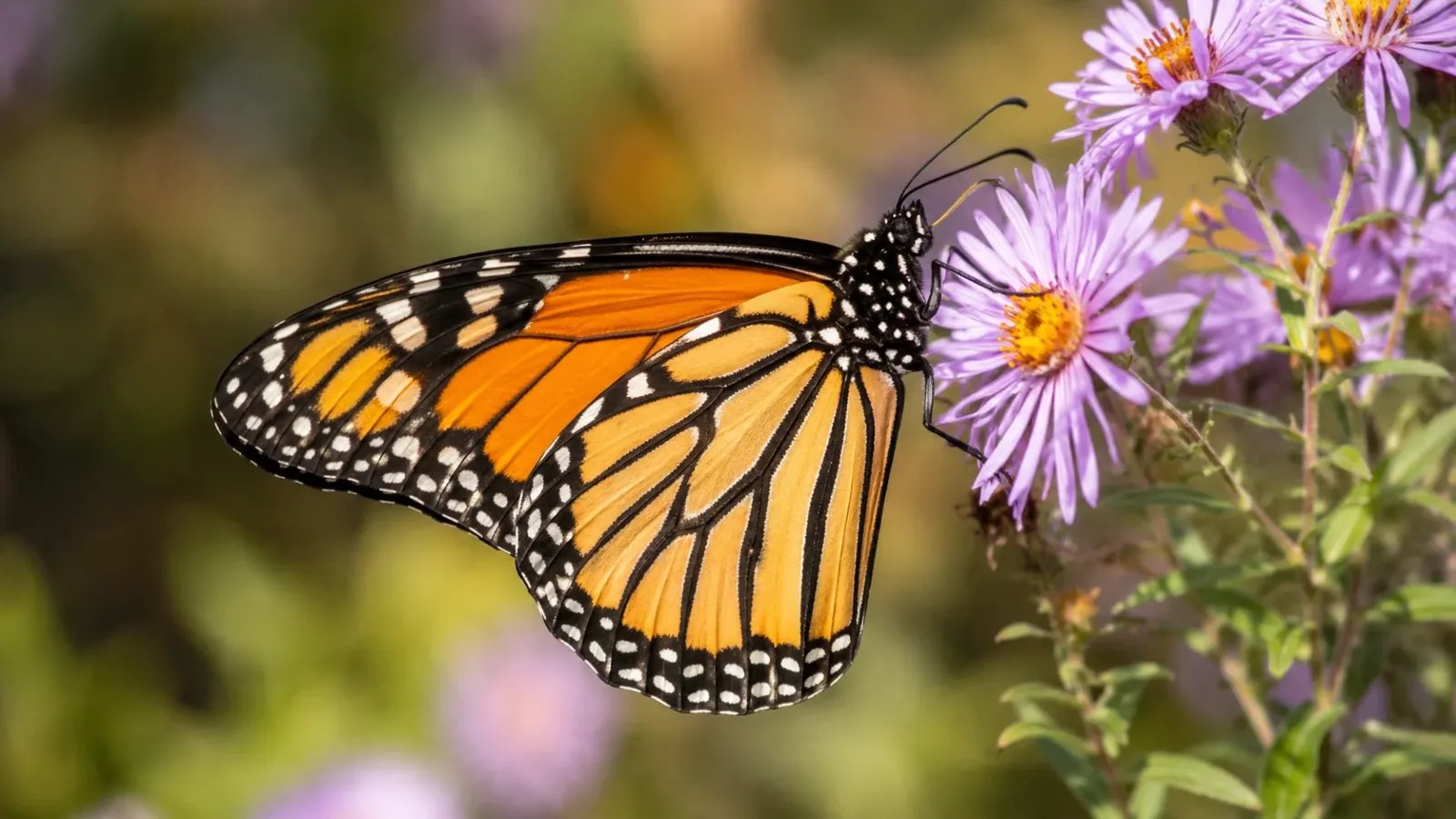
Monarch Butterflies Continental Flight Paths, Insects Their famous migration from Canada to Mexico is a multi-generational relay race where no single butterfly makes the complete round trip.
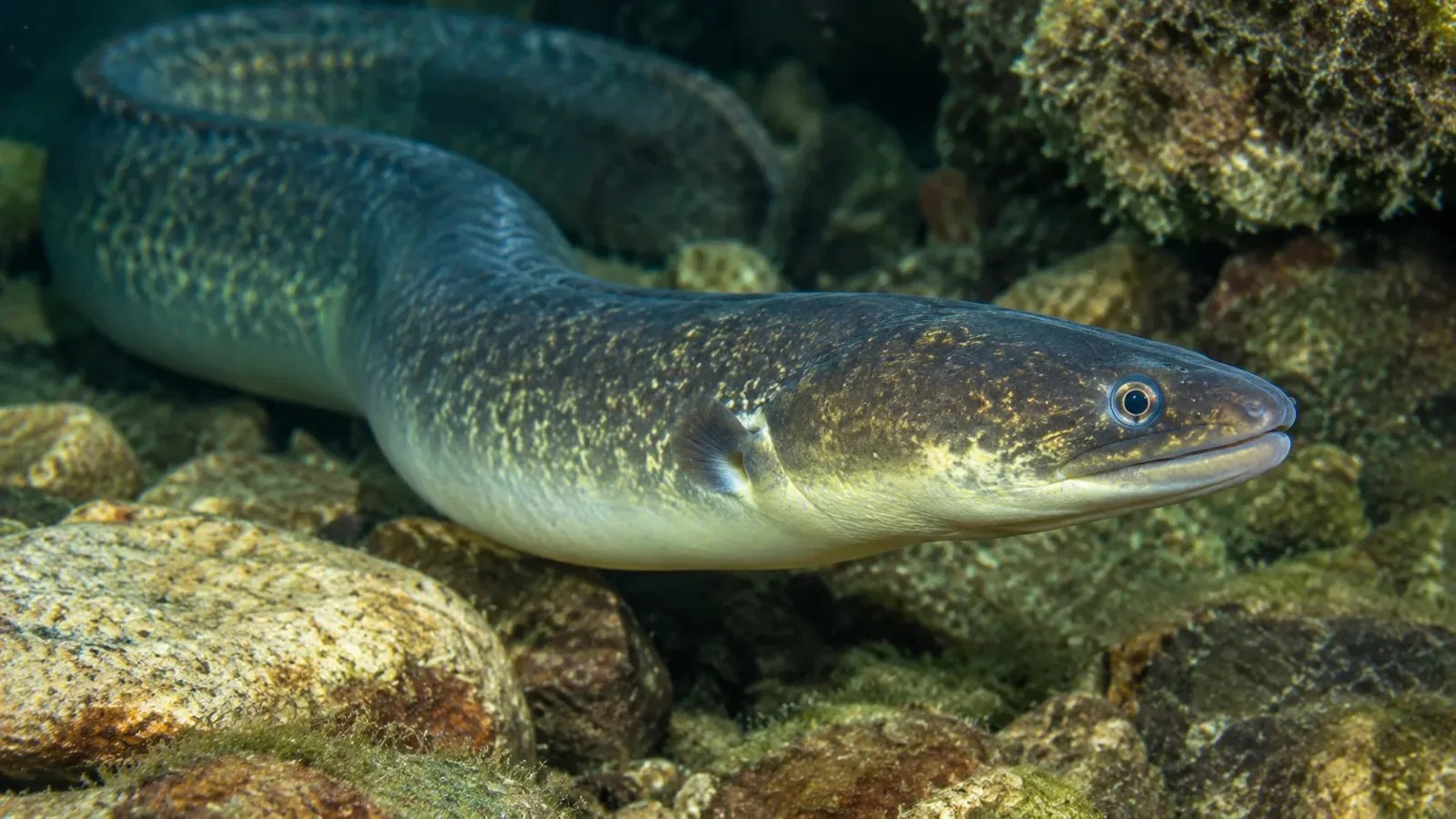
Eels Atlantic Rivers & Coasts, Fish

Record holders

Largest Carnivore

~1,500 lbs

Adult male polar bears can reach staggering weights, making them the largest terrestrial carnivores on Earth. Polar Bears

Fastest Heavyweight

~35 mph

Despite their massive bulk, bison can easily outrun a human over the open prairie. American Bison

Longest Migration

~3,000 miles

This epic, multi-generational relay spans from the forests of Canada down to central Mexico. Monarch Butterflies

Most Drought Tolerant

0 drops

Kangaroo rats can extract absolutely all the hydration they require from dry seeds, never needing to drink liquid water. Kangaroo Rats

All 12, one fact at a time

The Venomous Wanderer: 15 Cool Facts About Gila Monsters

Gila Monsters

Southwestern Deserts, Reptiles

This heavy-bodied lizard is one of the few venomous reptiles on the continent, spending the vast majority of its life hidden underground. When it does emerge, it relies on a remarkably slow but highly effective defense mechanism. Rather than a swift strike, it clamps down tenaciously, relying on capillary action to deliver its potent neurotoxin. Studying this unique venom has even led to breakthroughs in modern human medicine, including treatments for type 2 diabetes.

Read the full article →
The Adaptable Trickster: 15 Fascinating Facts About Coyotes

Coyotes

Continent-wide, Canines

Often dismissed as solitary pests or mere scavengers, coyotes possess a fascinating biological failsafe. When their pack structures are disrupted by human hunting, they respond by breeding earlier and producing significantly larger litters. This incredible evolutionary trick has allowed them to colonize nearly every environment in North America, from remote wilderness to the hearts of major metropolitan cities. They are the ultimate ecological adapters.

Read the full article →
15 Fascinating Facts About Brown Bears

Brown Bears

Northern Hemisphere, Apex Predators

A staggering portion of a brown bear's diet consists of roots, berries, nuts, and grasses, rather than the flesh of large prey. Their formidable claws are primarily used as highly efficient excavation tools for digging up roots and unearthing small burrowing mammals. Beyond their sheer physical dominance, these highly intelligent creatures boast remarkable maternal instincts and complex physiological adaptations that allow them to endure months of fasting during winter dormancy.

Read the full article →
The Apex Voyagers: 15 Fascinating Facts About Polar Bears

Polar Bears

Arctic Coasts, Marine Mammals

Polar bears are masterpieces of Arctic engineering, uniquely classified as marine mammals due to their absolute dependence on the ocean. Their hair isn't truly white; it is composed of clear, hollow tubes that scatter light while trapping insulating air. Combined with their ability to execute multi-day, open-ocean swims to navigate retreating sea ice, they are perfectly built to rule one of the most unforgiving environments on the planet.

Read the full article →
The Subterranean Architect: 15 Fascinating Facts About Groundhogs

Groundhogs

Eastern & Central Woodlands, Rodents

These robust marmots construct incredibly elaborate, multi-level burrow systems complete with specific chambers for sleeping, rearing young, and even a dedicated bathroom. By continuously turning over the soil, they play a massive, unseen role in aerating the earth and providing abandoned shelters for a host of other wildlife. They are true ecosystem engineers working quietly beneath our backyards and fields.

Read the full article →
The Tenacious Survivor: 15 Fascinating Facts About Kangaroo Rats

Kangaroo Rats

Western Deserts, Rodents

Thriving in some of North America's most punishing arid landscapes, kangaroo rats are neither kangaroos nor true rats. Instead, they are extreme desert survivalists that extract all the moisture they need from the dry seeds they consume. Paired with kidneys engineered to produce incredibly concentrated urine and powerful hind legs built to launch them away from striking rattlesnakes, they are perfectly adapted to outlast the desert heat.

Read the full article →
15 Fascinating Facts About Armadillos

Armadillos

Southern US & Americas, Mammals

Looking like heavy-armored relics from the Pleistocene, these unique mammals constantly defy traditional biology. Not only do they produce perfect genetic clones, but they also possess the shocking ability to hold their breath for up to six minutes, allowing them to literally walk across the bottom of rivers and streams. Their leathery, bony carapace provides exceptional defense against predators, making them veritable walking tanks of the underbrush.

Read the full article →
The Gentle Giant: 15 Fascinating Facts About Manatees

Manatees

Florida & Gulf Coast, Marine Mammals

Despite their completely aquatic lifestyle and blubbery appearance, manatees share a common terrestrial ancestor with modern pachyderms, a fact betrayed by their prehensile lips and unique toenails. They boast surprisingly high intelligence and specialized biology that allows them to seamlessly navigate both freshwater rivers and saltwater coasts. As gentle herbivores, their complex social behaviors and peaceful nature make them uniquely captivating giants of the waterways.

Read the full article →
The Resilient Giant: 15 Fascinating Facts About the American Bison

American Bison

Great Plains, Hoofed Mammals

The American bison is a towering symbol of resilience that once shaped the ecology of the entire Great Plains. Their herds operate under a complex matriarchal leadership system, guiding the collective through brutal winters and devastating droughts. Surviving one of the most dramatic near-extinction events in history, their continued presence is a testament to incredible physiological adaptations and monumental modern conservation efforts.

Read the full article →
The Apex Predator: 15 Fascinating Facts About Alligators

Alligators

Southeastern Wetlands, Reptiles

These prehistoric apex predators are much more than lethal jaws; they are critical ecosystem engineers. By digging deep holes in the wetlands, they create vital aquatic refuges that sustain countless other fish, amphibians, and birds during severe droughts. Their immense bite force and armored scales mask a surprisingly resilient, cold-tolerant biology that allows them to thrive far north of their tropical crocodilian cousins.

Read the full article →
The Nomadic Navigator: 15 Interesting Facts About Monarch Butterflies

Monarch Butterflies

Continental Flight Paths, Insects

Behind their fragile, stained-glass wings lies a hidden world of astonishing biological warfare and navigation. Monarch caterpillars gorge on toxic milkweed, making the adult butterflies intensely poisonous to predators. They navigate across thousands of miles using a complex combination of magnetic compasses and an internal sun clock. It is one of the most ruthlessly efficient, genetically programmed survival journeys in the natural world.

Read the full article →
The Enigmatic Shapeshifter: 15 Fascinating Facts About Eels

Eels

Atlantic Rivers & Coasts, Fish

Despite their snake-like appearance, American eels are true fish that live an almost impossibly backward life. They hatch far out in the Sargasso Sea, then drift and swim for months to reach North American rivers, where they spend years maturing in freshwater. When the time comes to breed, they reverse the entire journey, swimming thousands of miles back to the ocean depths to spawn once and die, a migration so mysterious it puzzled naturalists for centuries.

Read the full article →

Quiz: how much of that stuck?

7 questions, every answer is somewhere above.

North American Animals 0 / 7

1. Which North American mammal regularly gives birth to identical quadruplets?

2. What gives a polar bear's fur its white appearance?

3. How do alligators typically survive when surface waters freeze over in winter?

4. What paradoxical effect happens when coyote pack structures are broken up by eradication efforts?

5. Which of the following is the closest living evolutionary relative to the manatee?

6. The venom of a Gila monster has been synthesized to help develop treatments for which human condition?

7. Monarch butterflies protect themselves from predators using which biological method?

Frequently asked

What is the largest land animal in North America?

The American bison is the heaviest land mammal in North America, with males capable of weighing up to 2,000 pounds. However, the polar bear ranks as the continent's largest terrestrial apex predator.

Are there any venomous lizards in North America?

Yes, the Gila monster is one of the very few venomous lizards native to the continent, primarily found hiding out in the arid desert environments of the Southwestern United States and northwestern Mexico.

Why do some animals, like the monarch butterfly, migrate such vast distances?

Migration allows species to exploit seasonal resources, escape harsh freezing climates, and reach specific breeding grounds necessary for their survival. Monarchs, for instance, travel to specific mountain forests in Mexico where the winter microclimate is perfectly suited to keep them alive.

How do small desert animals survive without water?

Many desert-dwelling species, such as the kangaroo rat, have evolved extraordinary biological adaptations. They can extract metabolic water entirely from the dry seeds they eat and possess highly efficient kidneys that drastically minimize moisture loss, allowing them to survive without ever drinking a puddle or stream.

Do brown bears strictly eat meat?

Not at all. Despite their fearsome reputation as apex predators, brown bears are highly adaptable omnivores. They rely on a largely vegetarian diet consisting of roots, berries, nuts, and grasses to sustain themselves, especially when foraging to build fat reserves for winter dormancy.

Keep going

Enjoyed these facts? There's more! 💌

Fresh fun facts in your inbox. No spam, ever.