15 Fun Facts
Travel

Asian Cities

From hyper-futuristic megacities boasting heated subway seats to ancient imperial capitals hiding subterranean water palaces, Asia's greatest metropolises are defined by astonishing contrasts. Discover the hidden quirks and rich histories of these hubs.

Updated 22 September 2026 · 10 items · 150 facts in the linked articles · Reading time 4 min

Asia's cities are the crucibles of modern human civilization, representing a staggeringly diverse stretch of geography from the shores of the Bosphorus to the Pacific Rim. This collection explores metropolises that defy simple categorization, where hyper-futuristic infrastructure is frequently built quite literally on top of ancient empires.

What unites these urban centers is their astonishing capacity for reinvention. You will find former tin-mining camps that have sprouted the world's tallest twin towers, and modest pearl-diving villages that transformed into global hubs of finance and extravagant engineering. Yet, amidst the automated subway seats and towering skyscrapers, deep-rooted traditions survive—whether that means preserving ancient burial mounds larger than the pyramids or navigating rivers much as merchants did centuries ago.

Geography plays an outsized role in these urban narratives. From transcontinental giants bridging Europe and Asia to sovereign city-states composed of dozens of islands, the physical constraints of these environments have forced brilliant, sometimes eccentric, architectural and legal solutions.

Discover the unexpected quirks, record-breaking engineering marvels, and hidden historical layers of the world's most dynamic continent. Dive into the articles below to explore the fascinating secrets of Asia's great cities.

The short version

Every item on this page, with the one fact most people get wrong about it.

Name Where you'll meet it The fact worth knowing
Tokyo Japan's hyper-modern capital Local crows have adapted to the urban sprawl by building industrial nests out of stolen wire coat hangers.
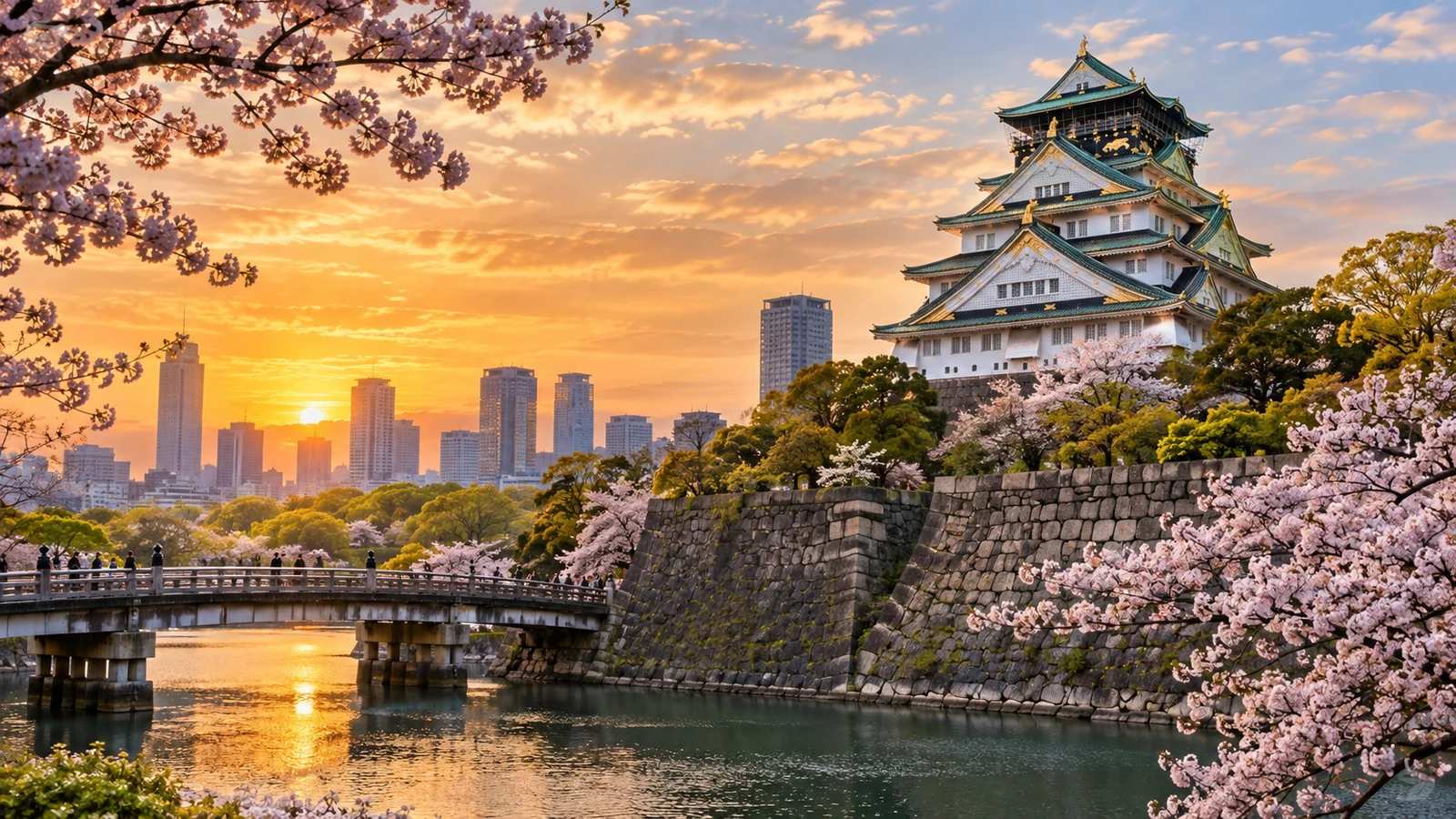
Osaka Japan's street food hub The city is home to ancient, keyhole-shaped burial mounds that are actually larger than the Great Pyramids of Egypt.
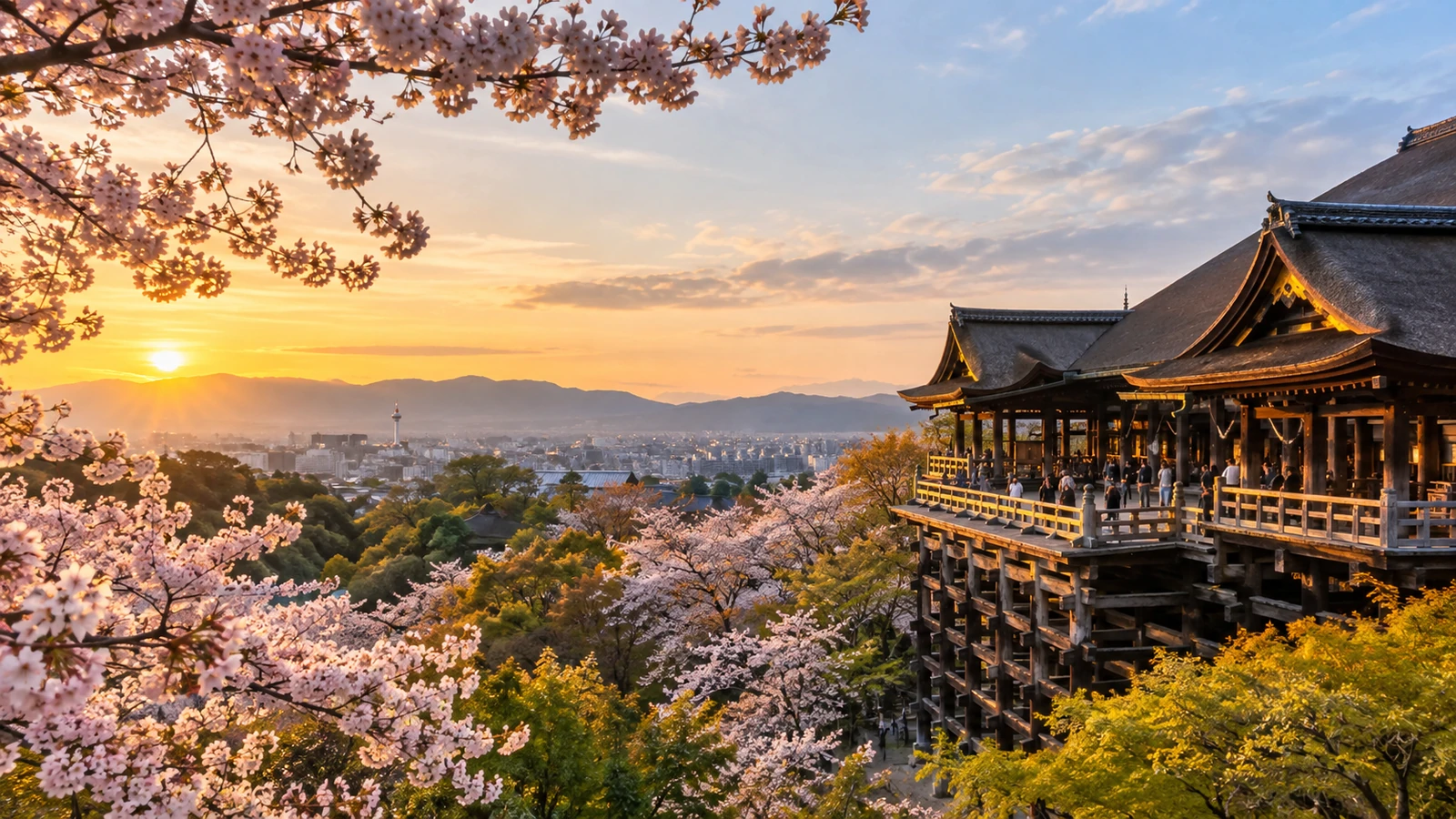
Kyoto Japan's imperial sanctuary The city's rich history and serene aesthetics served as a major inspiration for some of the world's biggest video game giants.
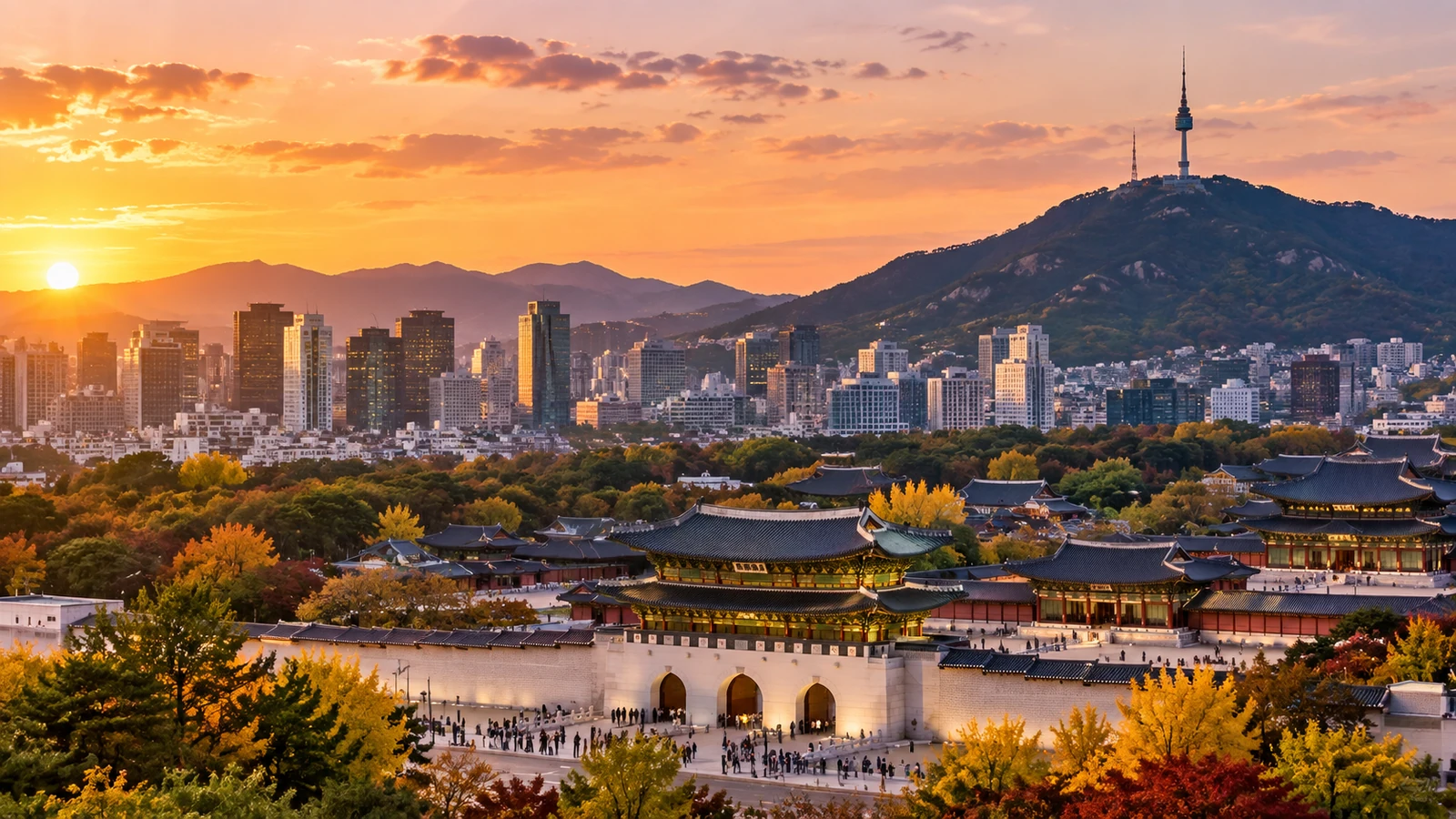
Seoul South Korea's high-tech epicenter Urban planners successfully resurrected an ancient stream, peeling back miles of concrete highway to restore a natural waterway through the city center.
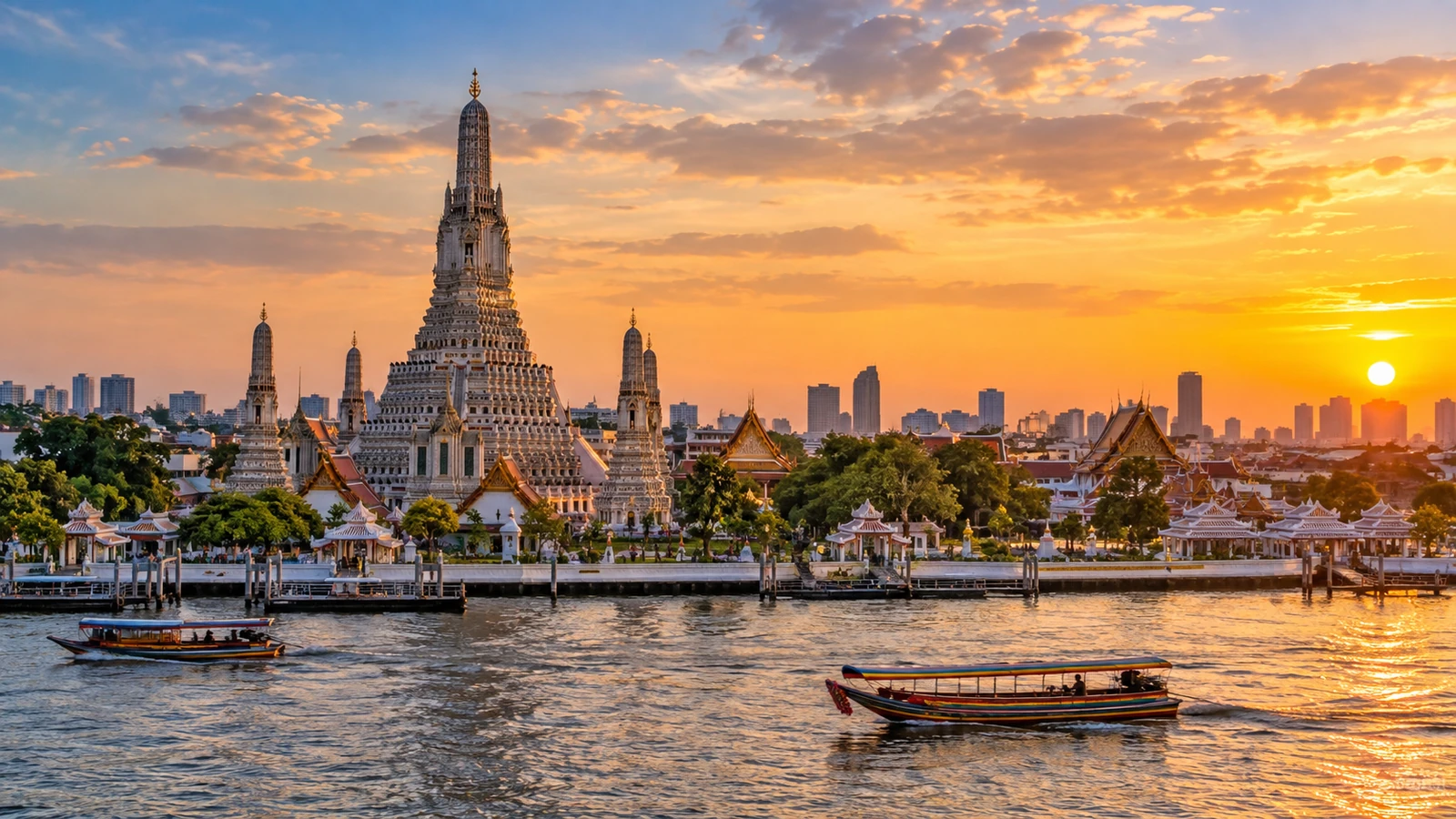
Bangkok Thailand's vibrant capital The city's true ceremonial name is a record-breaking tongue-twister that translates to a multi-line poem about angels and immortal jewels.
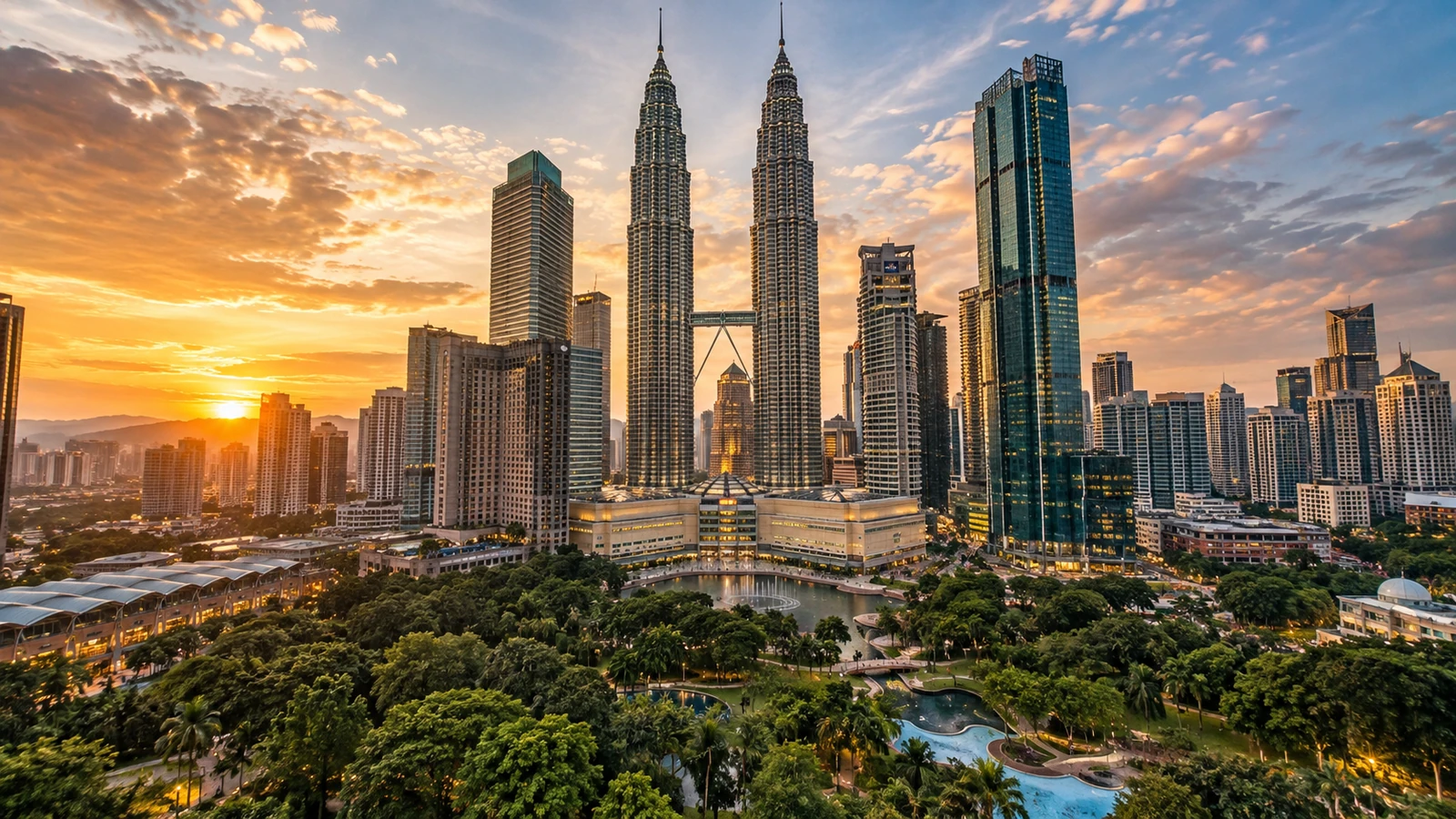
Kuala Lumpur Malaysia's diverse metropolis This towering modern global hub originated simply as a muddy tin mining camp in the 19th century.
Singapore Sovereign island city-state Singapore's pedestrians walk faster than anywhere else on Earth, navigating an urban jungle spread across 64 distinct islands.
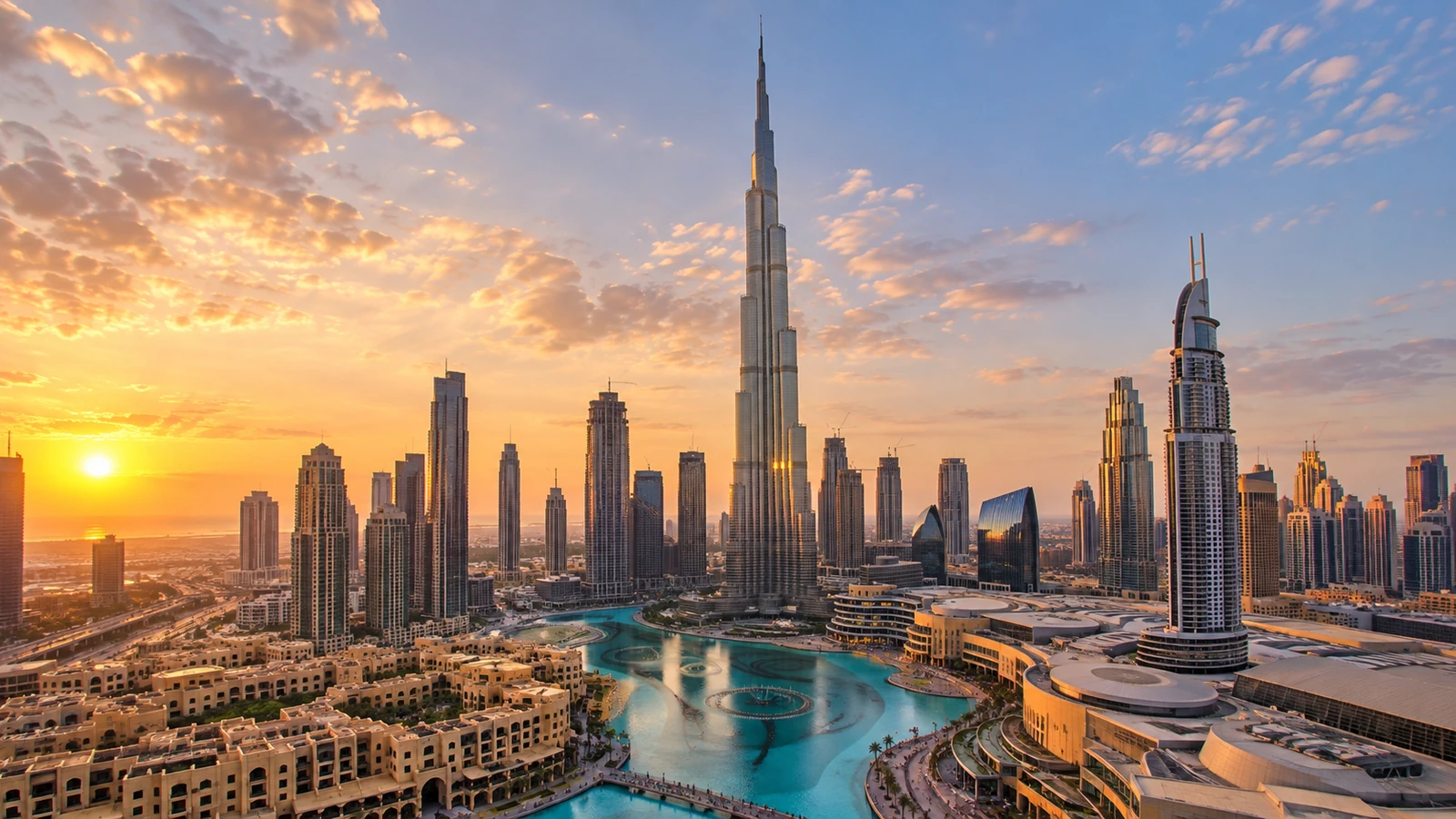
Dubai UAE's desert megacity You can find an entire ski slope, complete with snow and chairlifts, engineered entirely inside a desert megamall.
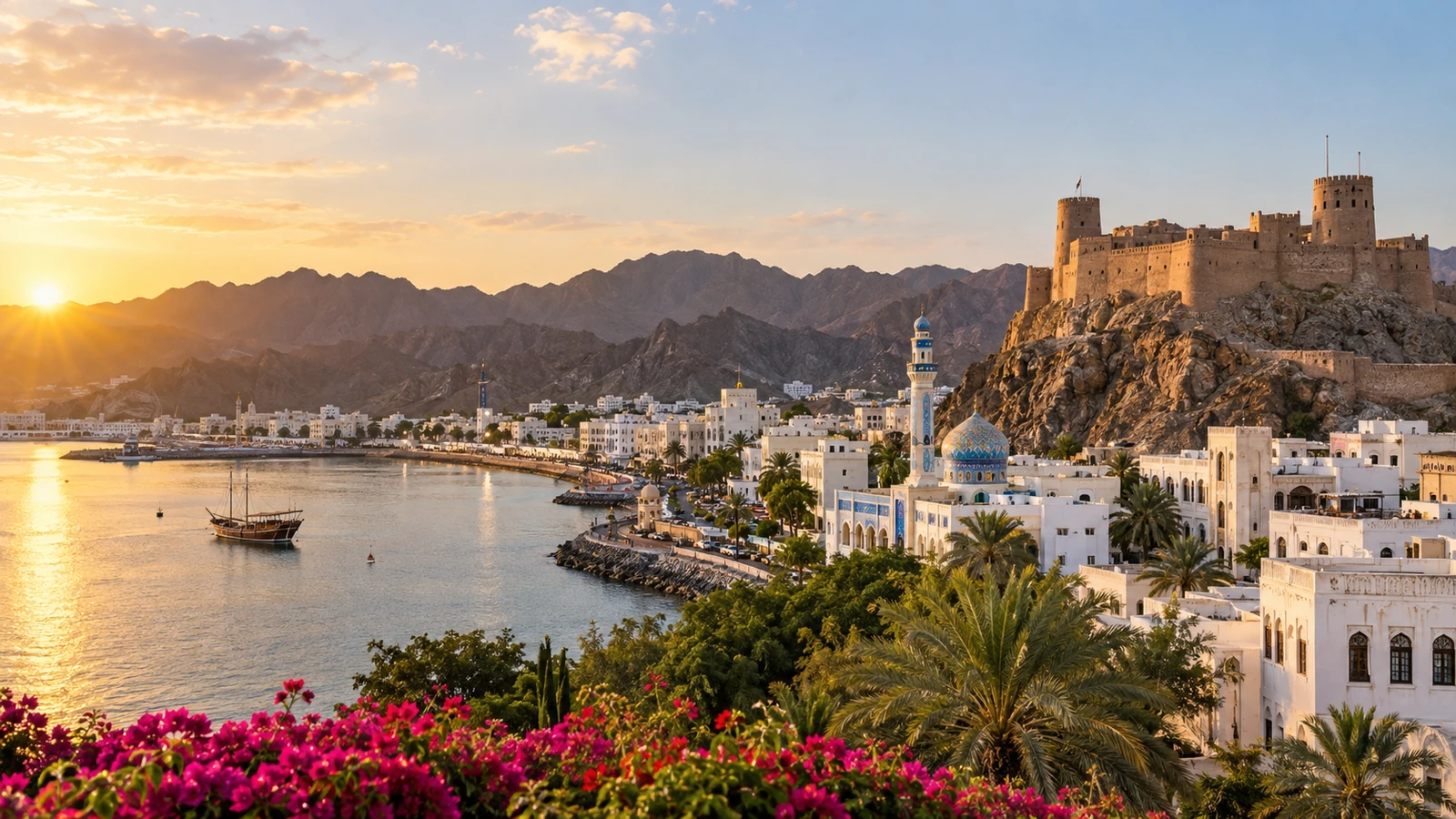
Muscat Oman's coastal capital The city bucks the Gulf trend of towering skyscrapers in favor of pristine, low-rise white architecture nestled against dark volcanic mountains.
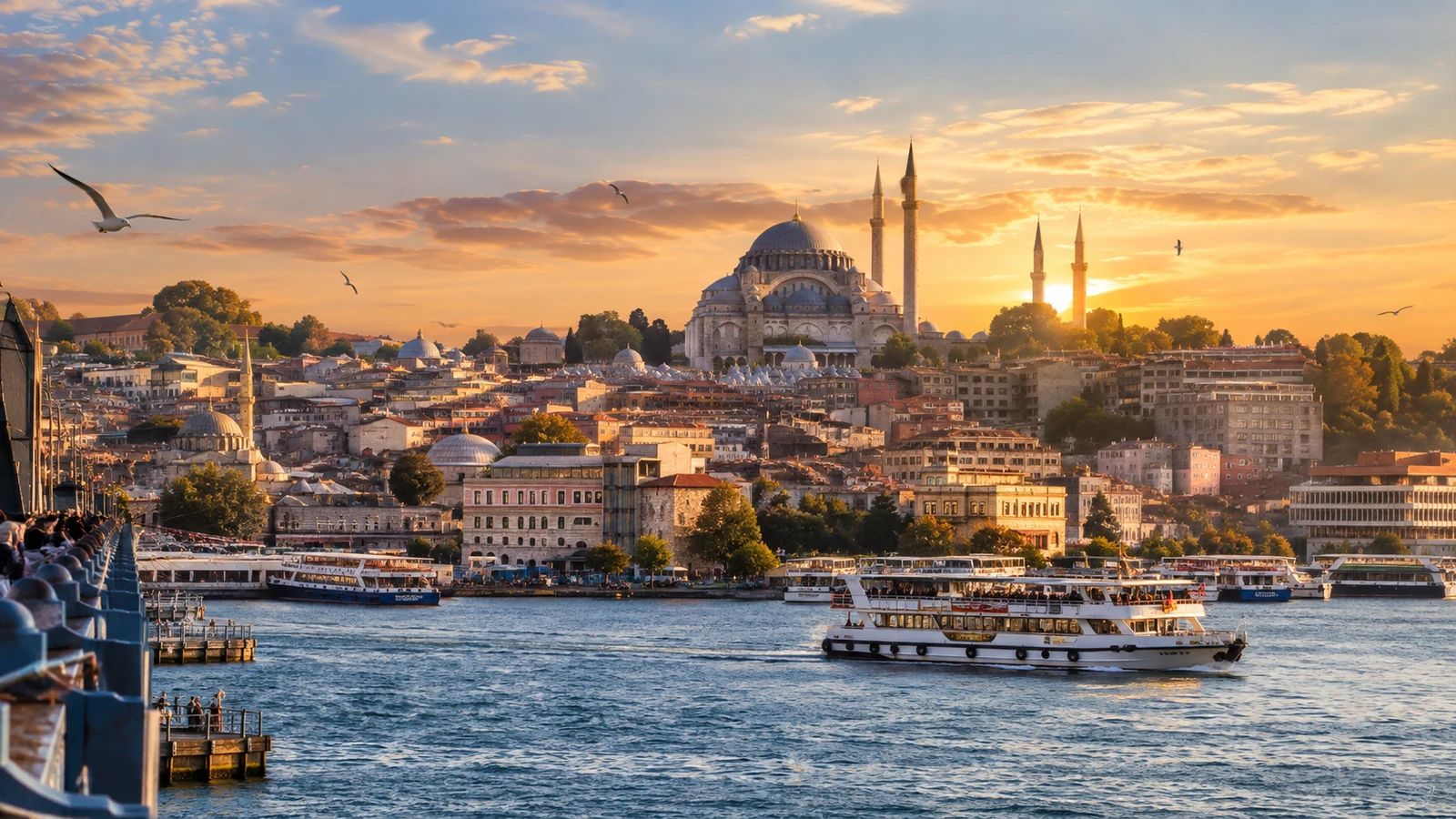
Istanbul Turkey's transcontinental hub Beneath its bustling streets lies a vast network of ancient subterranean water palaces that once supplied the city's royalty.

Record holders

Longest Ceremonial Name

168 letters

Bangkok holds the record for the world's longest city name, translating to a multi-line poem about angels. Bangkok

Tallest Twin Buildings

1,483 feet

Kuala Lumpur's Petronas Twin Towers remain the tallest twin skyscrapers in the world. Kuala Lumpur

Fastest Walkers

Top Speed

Studies have repeatedly shown that pedestrians in Singapore walk faster than anywhere else on Earth. Singapore

Only Transcontinental City

2 continents

Istanbul is the only major metropolis in the world physically located in both Europe and Asia. Istanbul

All 10, one fact at a time

The Neon Metropolis: 15 Fascinating Facts About Tokyo

Tokyo

Japan's hyper-modern capital

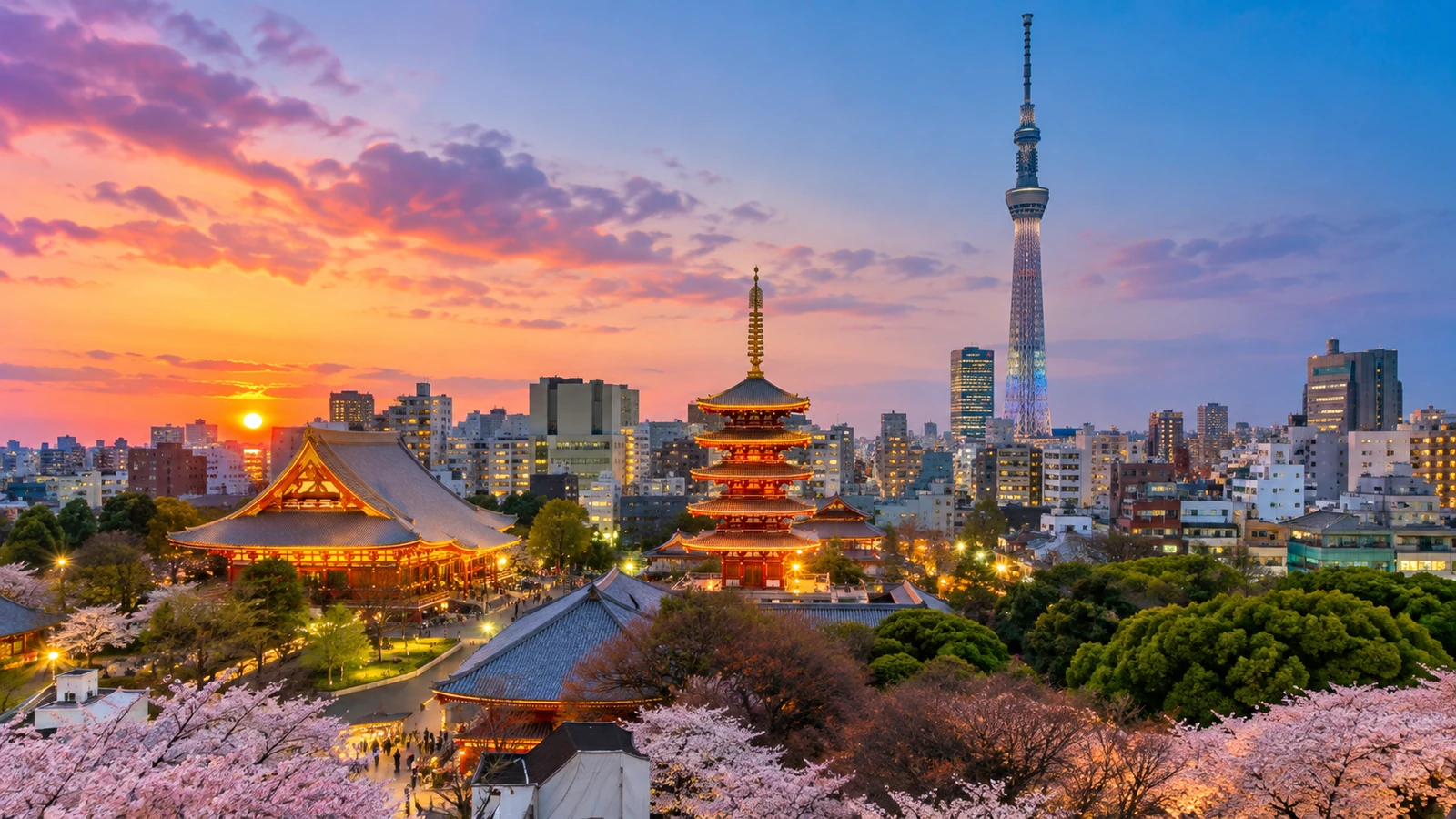
Tokyo is a masterclass in organized chaos, where ancient traditions blend effortlessly with cutting-edge technology. Despite being the world's most populous metropolitan area, it maintains astonishing civic order, exemplified by citizens returning millions in lost cash every year. Its ultra-efficient transit systems and unique legal quirks, like blue traffic lights, make it endlessly fascinating.

Read the full article →
The Vibrant Merchant Capital: 15 Fascinating Facts About Osaka

Osaka

Japan's street food hub

Often celebrated as the kitchen of Japan, Osaka pulses with a distinct, food-loving energy that contrasts with Tokyo's buttoned-up vibe. It is a metropolis of startling architectural collisions, where modern elevated expressways literally pass through the middle of high-rise office buildings. Beneath its quirky, neon-drenched exterior lies a deep heritage tied to its history as a vital merchant capital.

Read the full article →
The Imperial Sanctuary: 15 Fascinating Facts About Kyoto

Kyoto

Japan's imperial sanctuary

Spared from the devastating bombing raids of World War II, Kyoto remains a pristine window into Japan's imperial past. Thousands of classical Buddhist temples, Shinto shrines, and traditional wooden houses line its tranquil streets and bamboo groves. Today, it stands as a testament to cultural preservation, quietly influencing modern art and global entertainment from behind its ancient walls.

Read the full article →
The Hypertech Metropolis: 15 Fascinating Facts About Seoul

Seoul

South Korea's high-tech epicenter

Seoul is a 24-hour powerhouse of pop culture and culinary innovation, thriving just 30 miles from one of the most heavily fortified borders on Earth. It is a city that anticipates the future, offering residents citywide free high-speed Wi-Fi and automated, heated subway seats. Yet it reveres its past, with grand royal palaces standing shoulder-to-shoulder with hyper-futuristic glass skyscrapers.

Read the full article →
The Vibrant Capital: 15 Fascinating Facts About Bangkok

Bangkok

Thailand's vibrant capital

Bangkok is an intoxicating blend of sensory overload and spiritual devotion. Golden temple spires rise above chaotic streets packed with legendary food stalls, while traditional floating markets navigate the city's network of canals. First-time visitors are often baffled by its eccentric local laws and deeply ingrained customs, making it one of Southeast Asia's most brilliantly unpredictable destinations.

Read the full article →
The Muddy Metropolis: 15 Fascinating Facts About Kuala Lumpur

Kuala Lumpur

Malaysia's diverse metropolis

Kuala Lumpur is a dramatic study in rapid evolution, rocketing from its humble colonial-era origins to a skyline dominated by the gleaming Petronas Twin Towers. The city weaves a rich tapestry of multi-ethnic traditions alongside ancient rainforests that sit right on the urban fringe. From driverless metro systems to record-breaking flagpoles, Malaysia's capital is a showcase of ambitious engineering.

Read the full article →
💡

Singapore

Sovereign island city-state

Widely celebrated for its impeccable cleanliness and gleaming financial districts, Singapore's pristine image hides a wonderfully complex ecological and cultural history. It is a sovereign city-state that fiercely protects its environment, transforming itself into a veritable 'City in a Garden.' From highly specific legal quirks to unparalleled urban planning, it continues to defy the typical constraints of a densely packed island.

Read the full article →
The Futuristic Oasis: 15 Fascinating Facts About Dubai

Dubai

UAE's desert megacity

Dubai's transformation from a modest fishing and pearl-diving community into a futuristic metropolis is one of the modern world's most staggering economic shifts. It is a playground of superlatives, where local police patrol palm-lined boulevards in hypercars and architecture pushes the limits of physics. This desert enclave proves that with enough capital and vision, seemingly impossible engineering feats can become reality.

Read the full article →
The Fortified Haven: 15 Fascinating Facts About Muscat

Muscat

Oman's coastal capital

Muscat offers a beautifully grounded alternative to the hyper-modern skylines of its neighboring Gulf states. It embraces a deep maritime history, characterized by ancient harbors and historic souks fragrant with frankincense. The city's grand mosques house astonishing, record-breaking artistic treasures, perfectly bridging the gap between modern Arabian culture and ancient trading routes.

Read the full article →
The Transcontinental Metropolis: 15 Fascinating Facts About Istanbul

Istanbul

Turkey's transcontinental hub

Straddling the Bosphorus Strait, Istanbul is geographically split between Europe and Asia, resulting in a culture unlike anywhere else on Earth. As the former grand capital of both the Byzantine and Ottoman Empires, its layers of architectural heritage are staggering. From the labyrinthine corridors of world-famous covered bazaars to secret royal harems, the city is a living museum of human civilization.

Read the full article →

Quiz: how much of that stuck?

7 questions, every answer is somewhere above.

Asian Cities 0 / 7

1. Which Asian city's pedestrians are known for walking faster than anywhere else on Earth?

2. In which city do urban crows build nests out of stolen wire coat hangers?

3. Which city originated as a muddy 19th-century tin mining camp before becoming a global metropolis?

4. Which city features ancient, keyhole-shaped burial mounds that are larger than the Great Pyramids?

5. Which coastal capital is known for its low-rise white architecture nestled against volcanic mountains?

6. In which hyper-tech city did urban planners resurrect an ancient stream from beneath miles of concrete highway?

7. Which city is geographically split across two continents by the Bosphorus Strait?

Frequently asked

What makes Istanbul geographically unique?

Istanbul is famously a transcontinental city, physically straddling both Europe and Asia. The Bosphorus Strait runs through the middle of the city, serving as the geographic dividing line between the two continents.

Why does Singapore have so many strict local laws?

As a densely populated island city-state, Singapore enforces strict laws—such as its famous bans on chewing gum and littering—to maintain high standards of public cleanliness, order, and efficient urban living for its millions of residents.

What is the difference between Tokyo and Kyoto?

While Tokyo is Japan's hyper-modern, bustling administrative and financial capital, Kyoto served as the former imperial capital for over a thousand years. Today, Kyoto is renowned for preserving Japan's traditional arts, classical wooden architecture, and thousands of historic shrines.

How did Dubai grow so fast?

Originally fueled by the discovery of oil in the mid-20th century, Dubai's leadership strategically diversified its economy by investing heavily in real estate, tourism, aviation, and free-trade zones, quickly transforming a modest desert town into a premier global business hub.

What are the Petronas Towers famous for?

Located in Kuala Lumpur, Malaysia, the Petronas Twin Towers were the tallest buildings in the world from 1998 to 2004. They remain the tallest twin skyscrapers on Earth and are renowned for their distinctive skybridge and striking Islamic-inspired geometric design.

Keep going

Enjoyed these facts? There's more! 💌

Fresh fun facts in your inbox. No spam, ever.