The Complicated Feast: 15 Fascinating Facts About Thanksgiving
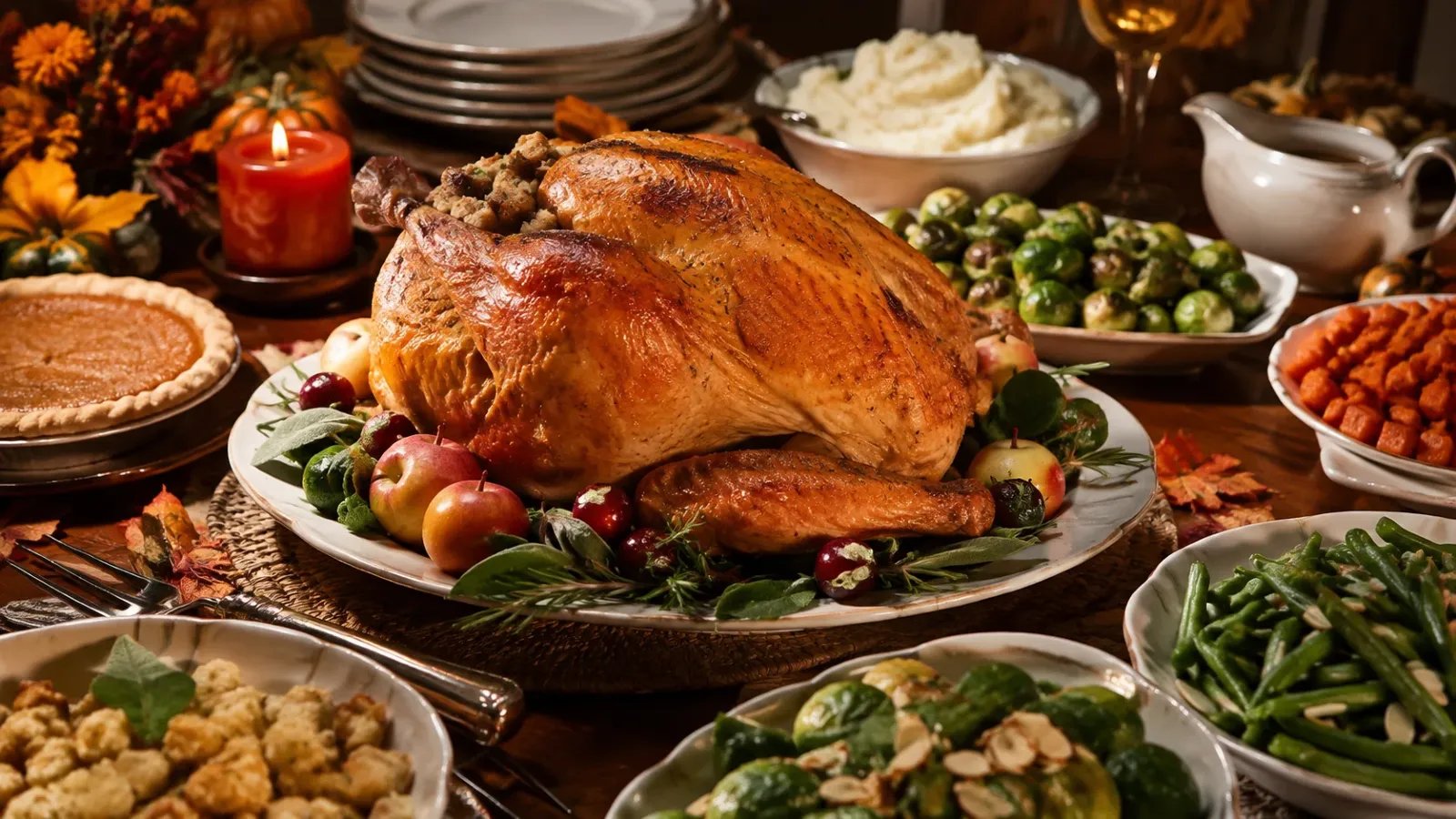
When most of us picture Thanksgiving, we envision a harmonious 1621 gathering where Pilgrims in buckled hats and Wampanoag Native Americans peacefully shared turkey and cranberry sauce, but the true history of this autumn harvest festival is far more nuanced, politically charged, and scientifically fascinating than elementary school pageants suggest. The iconic Plymouth meal was actually a spontaneous diplomatic treaty celebration resulting from the firing of celebratory muskets, rather than a formalized religious holiday of gratitude, and those famous buckles did not even exist in 1620s Puritan fashion. Furthermore, the holiday we recognize today was manufactured centuries later as a strategic tool to unify a fractured nation during the American Civil War. From the surprising biological quirks of the modern domestic turkey to the geopolitical maneuverings and aggressive marketing campaigns that codified our modern traditions, prepare to carve into the real story of the holiday as we explore fifteen obscure truths that will completely change how you view your annual November feast.
1. The 1621 Gathering Was Not the First Thanksgiving
While Plymouth holds the cultural monopoly on the Thanksgiving origin story, historical records indicate that earlier European settlers held organized thanksgiving services long before the Pilgrims dropped anchor. Spanish explorer Pedro Menendez de Aviles hosted a massive feast of thanksgiving with the Timucua people in St. Augustine, Florida, in 1565, predating the Plymouth event by over half a century. Similarly, English settlers in Berkeley Hundred, Virginia, were mandated by their charter to observe a day of thanksgiving upon their arrival in 1619. The Plymouth narrative only gained national supremacy in the nineteenth century when New England historians and authors successfully centered their regional ancestors in the founding mythology of the United States.
2. Turkey Was Likely Not on the Original Menu
Despite its status as the quintessential centerpiece of the modern holiday, there is no historical evidence that wild turkey was served at the 1621 harvest feast. The only surviving primary sources from the event, written by colonists Edward Winslow and William Bradford, specifically mention that Governor Bradford sent four men on a fowling mission, which likely resulted in a harvest of seasonal waterfowl like ducks, geese, and swans. The Wampanoag guests also famously contributed five deer to the feast, making venison the true primary protein of the celebration. The association with turkey developed much later, largely because the birds were abundant, uniquely North American, and large enough to feed an entire family without sacrificing egg-laying chickens or milk-producing cows.
3. Sarah Josepha Hale Engineered the National Holiday
The establishment of Thanksgiving as an annual national holiday was not an organic cultural evolution, but rather the result of a relentless thirty-six-year lobbying campaign by a single woman. Sarah Josepha Hale, the influential editor of Godey's Lady's Book and author of "Mary Had a Little Lamb," wrote countless editorials and sent letters to five different United States presidents begging them to federalize the holiday. She envisioned a unified national day of gratitude that would help heal the growing regional divides that were threatening to tear the country apart. Her crusade finally succeeded in 1863 when President Abraham Lincoln, desperate for a unifying cultural event during the height of the Civil War, issued a proclamation setting the holiday for the final Thursday in November.
4. The Tryptophan Coma is a Biological Myth
The famous post-Thanksgiving lethargy is universally blamed on tryptophan, an essential amino acid found in turkey that serves as a biochemical precursor to serotonin and melatonin. However, nutritional science has completely debunked the idea that turkey alone is responsible for your sudden need to nap on the couch, as chicken, beef, and even cheddar cheese contain comparable or higher levels of tryptophan. The true culprit behind your holiday fatigue is the massive influx of carbohydrates from stuffing, potatoes, and pies, which triggers a spike in insulin that clears competing amino acids from your bloodstream and allows tryptophan a free path to the brain. Furthermore, the sheer caloric overload and the consumption of alcohol direct blood away from the nervous system and toward the digestive tract, resulting in inevitable physical exhaustion.
5. Cranberries Were Originally Used for Medicine and Dye
Long before they were boiled into a gelatinous, sugary side dish, cranberries were a highly versatile and crucial staple for Indigenous peoples across North America. The Wampanoag and other Algonquian-speaking tribes called the bitter red fruit "sassamanesh," utilizing its natural acidity and high vitamin C content to treat arrow wounds, draw out poison, and prevent scurvy. Because of their vibrant, enduring pigmentation, the berries were also extensively crushed and boiled to create powerful dyes for clothing, blankets, and decorative rugs. The modern tradition of sweetened cranberry sauce did not emerge until the colonial sugar trade made the sweetener affordable, masking the natural astringency of the bog-grown fruit and transforming it into a popular colonial condiment.
6. TV Dinners Were Invented Because of a Thanksgiving Miscalculation
One of the most revolutionary developments in modern food packaging and convenience dining can be traced directly back to a colossal Thanksgiving supply chain error in 1953. An executive at Swanson drastically overestimated the American demand for holiday poultry, leaving the company with two hundred and sixty tons of frozen turkey sitting in refrigerated train cars. A resourceful salesman named Gerry Thomas recalled seeing partitioned aluminum trays used for airline food and suggested they package the surplus turkey with cornbread dressing, gravy, and peas into individual, heat-and-serve meals. This ingenious pivot to offload excess holiday inventory birthed the first commercial TV dinner, which sold ten million units in its first year and fundamentally altered American domestic life.
 Holidays and Traditions
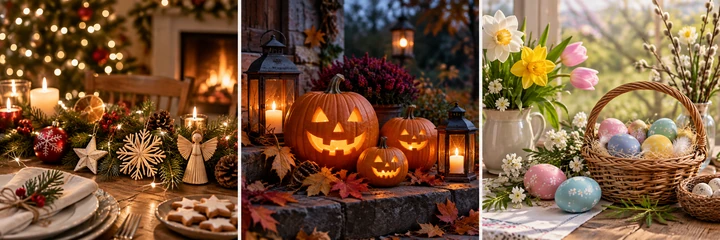
Explore the surprising, dark, and deeply fascinating origins of the world's most beloved holidays. From ancient pagan rituals to modern marketing triumphs, discover the true stories behind our annual traditions.
See All Facts
Holidays and Traditions
Explore the surprising, dark, and deeply fascinating origins of the world's most beloved holidays. From ancient pagan rituals to modern marketing triumphs, discover the true stories behind our annual traditions.
See All Facts
7. The Presidential Turkey Pardon is a Surprisingly Recent Tradition
While the White House frequently claims that Abraham Lincoln informally pardoned a turkey that his son had adopted as a pet, the formalized, highly publicized presidential turkey pardon is a much more recent political invention. Presidents throughout the twentieth century actually made a point of eating the turkeys gifted to them by agricultural federations, with Harry Truman famously posing with birds he explicitly planned to carve. The modern tradition of granting official clemency to a bird actually began with George H.W. Bush in 1989, who noticed the ceremonial turkey looked particularly distressed and jokingly declared it officially pardoned. Since then, the absurd but beloved public relations stunt has become a mandatory annual ritual, complete with White House press briefings and luxury hotel stays for the chosen fowl.
8. The Macy's Parade Originally Featured Live Zoo Animals
The Macy's Thanksgiving Day Parade is globally recognized for its massive helium balloons, but the inaugural event in 1924 relied on a much wilder, and ultimately more dangerous, form of entertainment. Organized largely by immigrant employees who wanted to celebrate their new American heritage with a European-style festival, the original procession featured live bears, elephants, camels, and monkeys borrowed from the Central Park Zoo. However, the roar of the massive crowds and the chaos of the New York City streets terrified the animals, creating a hazardous environment for both the performers and the spectators. To safely maintain the spectacle, the live animals were replaced three years later by giant inflatable characters, beginning with a massive Felix the Cat designed by a theatrical puppeteer.
9. Jingle Bells Was Written for Thanksgiving
It is almost impossible to imagine the Christmas season without the omnipresent tune of "Jingle Bells," but the iconic song was actually composed to celebrate the November harvest holiday. Written by James Lord Pierpont in 1857 in Medford, Massachusetts, the song was originally titled "One Horse Open Sleigh" and was intended to be performed at a Thanksgiving Sunday school program. The lyrics contain absolutely no mention of Christmas, Santa Claus, or religious themes, focusing instead on the thrilling, slightly rebellious winter tradition of drag-racing sleighs through the snow. The incredibly catchy melody proved so popular with audiences that choirs began reprising it in December, permanently cementing its legacy as a Christmas anthem and erasing its true Thanksgiving origins.
10. Franklin Roosevelt Tried to Change the Date to Boost Capitalism
In a controversial move that enraged the American public and sparked a brief cultural civil war, President Franklin D. Roosevelt attempted to permanently alter the date of Thanksgiving in 1939. Because November had five Thursdays that year, the traditional holiday fell on the last day of the month, which retailers complained would result in an agonizingly short holiday shopping season during the lingering economic desperation of the Great Depression. Bowing to pressure from the Retail Dry Goods Association, Roosevelt unilaterally moved the holiday up by one week to extend the Christmas purchasing window. This decree split the country, with sixteen states refusing to honor the new date, prompting critics to derisively dub the president's holiday "Franksgiving" until Congress finally passed a resolution in 1941 officially fixing the date as the fourth Thursday of November.
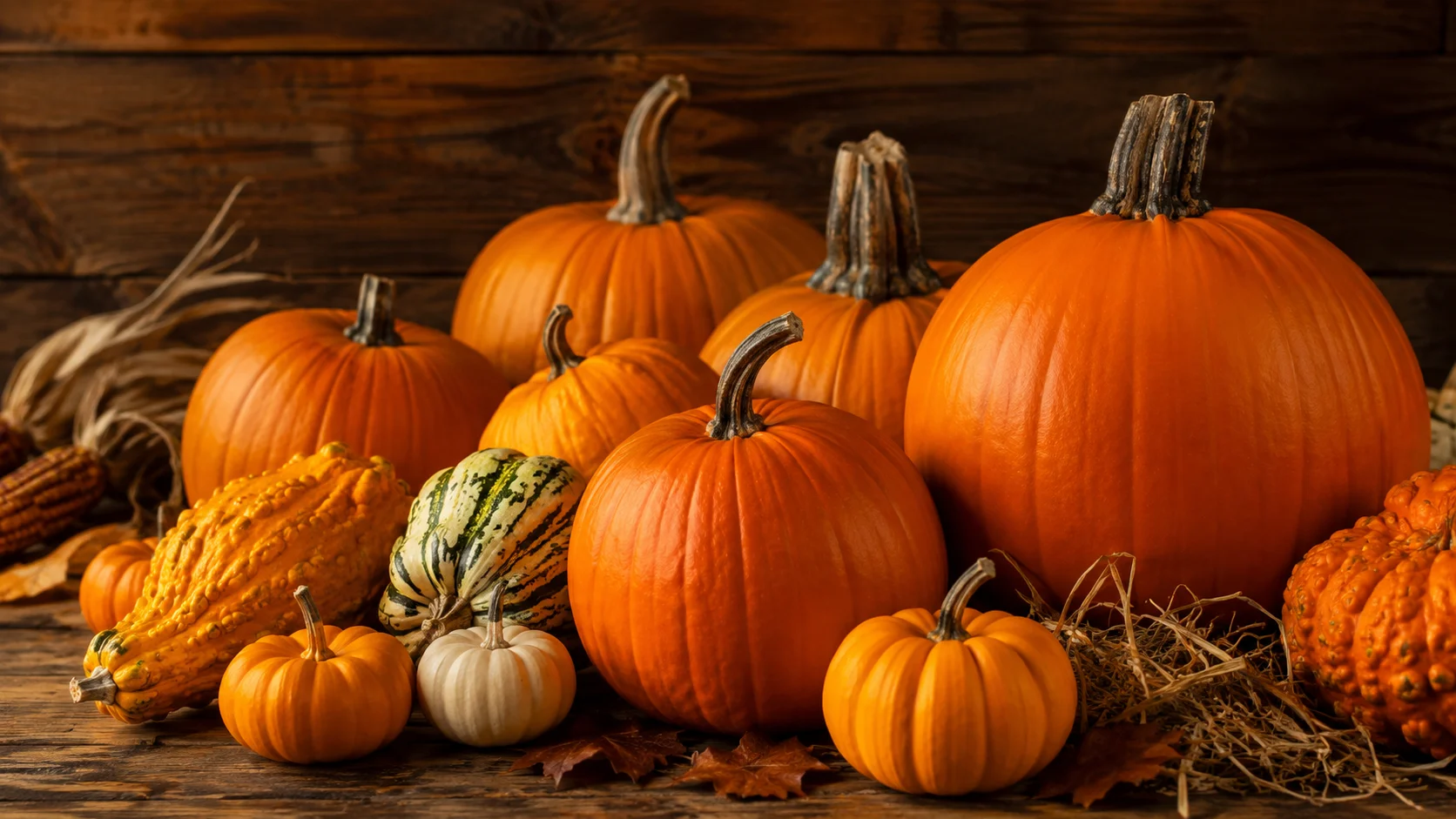
11. Pumpkins Are Botanically Berries and Native to North America
The pumpkin pie rounding out your feast represents one of the most successful agricultural exports in human history, originating from seeds first cultivated in Central America over seven thousand years ago. Botanically speaking, pumpkins are not vegetables at all, but rather a type of massive berry known as a "pepo," characterized by a fleshy interior, a tough outer rind, and seeds housed within a single ovary. Early European colonists were completely unfamiliar with these colossal gourds but quickly learned from Indigenous tribes how to roast them, dry their seeds, and brew them into early variations of beer. The modern dessert we consume today evolved from early colonial recipes where settlers would hollow out a pumpkin, fill the shell with milk, honey, and spices, and bake it whole in the hot ashes of a fire.
12. Black Friday Plumbers Are Busier Than Retailers
While economists and journalists spend the day after Thanksgiving analyzing retail sales and consumer behavior, the plumbing industry quietly prepares for its most lucrative and chaotic day of the calendar year. Dubbed "Brown Friday" by sanitation professionals, the day following the feast yields a fifty percent surge in emergency calls regarding backed-up kitchen sinks, ruptured garbage disposals, and overwhelmed sewer lines. The root cause is a widespread misunderstanding of residential plumbing capabilities, as home cooks recklessly pour congealing turkey grease down the drain and force fibrous waste like potato peels and celery stalks into their disposals. This toxic combination creates hardened, impenetrable blockages deep within municipal pipelines, requiring highly specialized equipment and expensive emergency dispatches to resolve.
13. The Pilgrims Did Not Wear Black Clothing and Buckles
The standard elementary school depiction of Pilgrims adorned in stark black clothing, tall hats, and brass buckles is a complete historical fabrication invented by nineteenth-century artists. In the 1620s, buckles were an extremely expensive luxury item associated with high-class British fashion, not the impoverished separatists struggling to survive in a remote wilderness. Furthermore, while the Puritans did reserve dark clothing for Sunday church services, their everyday working wardrobes were incredibly colorful, heavily utilizing inexpensive vegetable dyes to create garments in vibrant shades of red, green, yellow, and blue. The dreary, buckled aesthetic we associate with Plymouth was actually projected backward through time by Victorian painters who wanted the founding settlers to look appropriately solemn and pious to a modern audience.
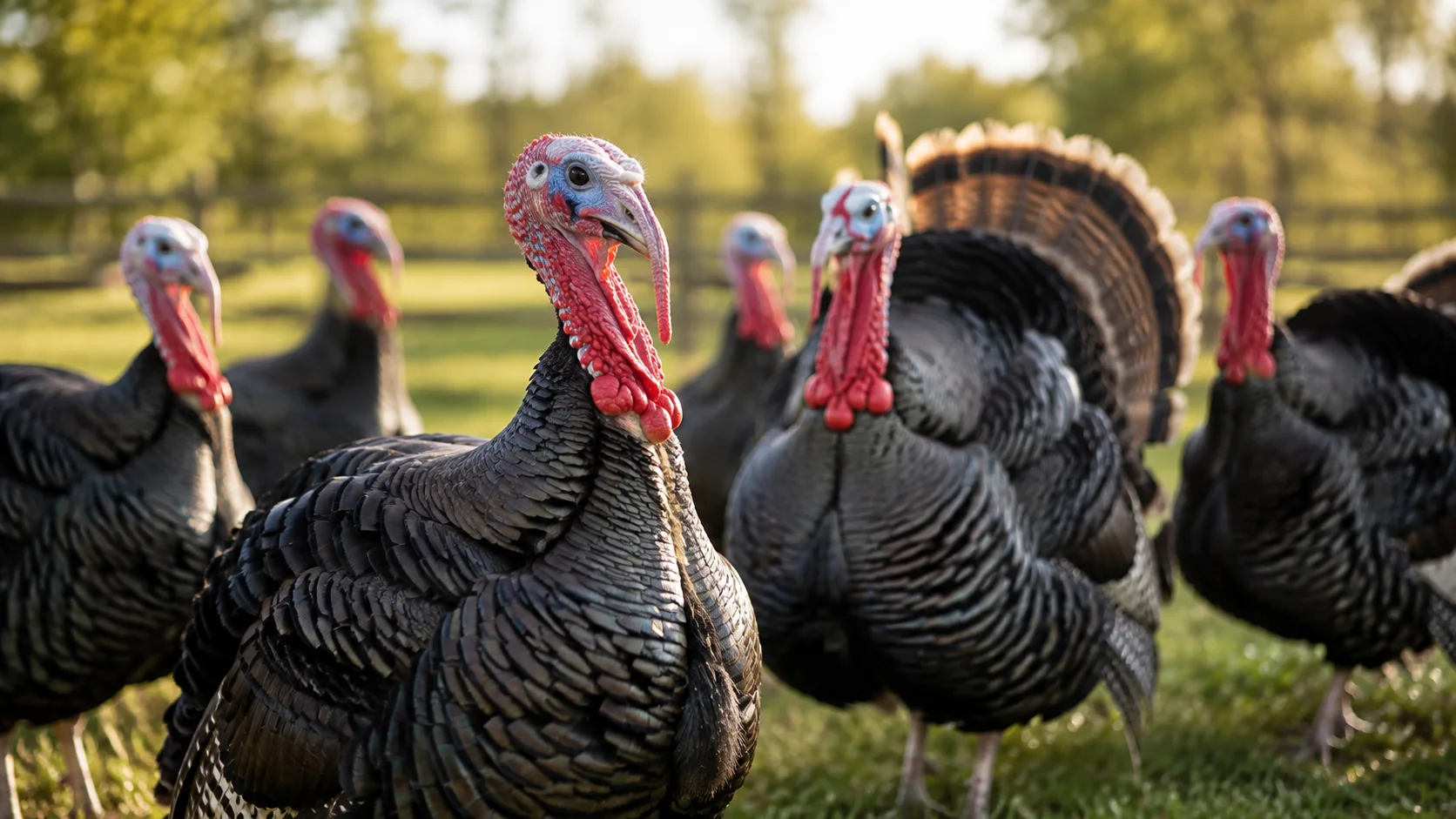
14. Modern Domestic Turkeys Are Genetically Engineered to Be Flightless
The enormous, perfectly round turkey sitting on a modern platter is a triumph of selective breeding, possessing genetic traits that make it fundamentally different from its wild, forest-dwelling cousins. In the mid-twentieth century, agricultural scientists bred the Broad Breasted White turkey specifically for maximum breast meat yield and rapid growth to satisfy the demands of the emerging supermarket industry. This aggressive selective breeding resulted in birds with such disproportionately massive chests that their center of gravity shifted entirely, rendering them physically incapable of natural flight or even independent mating. While wild turkeys can run at twenty miles per hour and fly into the forest canopy to roost, the modern commercial bird is a biological prisoner to its own artificially inflated proportions.
15. The NFL Capitalized on Thanksgiving Long Before TV Existed
Professional football has become inextricably linked to the post-meal food coma, but the tradition of playing gridiron matches on Thanksgiving day predates the existence of the National Football League itself. Regional rugby and early football clubs began playing on the holiday in the late nineteenth century because it was one of the few guaranteed days off for the working-class men who comprised the teams and the audience. The Detroit Lions famously institutionalized the modern tradition in 1934 when their owner, George A. Richards, used his connections as a radio executive to broadcast his team's Thanksgiving game nationally across the NBC radio network. This brilliant marketing maneuver instantly transformed a local Michigan sporting event into a nationwide holiday staple, forever marrying the consumption of roasted poultry with the spectacle of American football.
Sources & References
This AI-assisted post was rigorously curated and fact-checked for accuracy by:
 Martin Roháček
How fun was this article? 🤔
Tap a star to rate it
Enjoyed these facts? There's more! 💌
Fresh fun facts in your inbox. No spam, ever.