15 Fun Facts
History

Holidays and Traditions

Explore the surprising, dark, and deeply fascinating origins of the world's most beloved holidays. From ancient pagan rituals to modern marketing triumphs, discover the true stories behind our annual traditions.

Updated 22 September 2026 · 11 items · 165 facts in the linked articles · Reading time 5 min

Holidays provide a comforting rhythm to our year, filled with familiar foods, family gatherings, and timeless rituals. Yet behind the festive cheer and bright decorations lies a surprisingly turbulent history. The days we mark on our calendars are actually constantly evolving tapestries of ancient folklore, religious syncretism, and occasionally outright political rebellion.

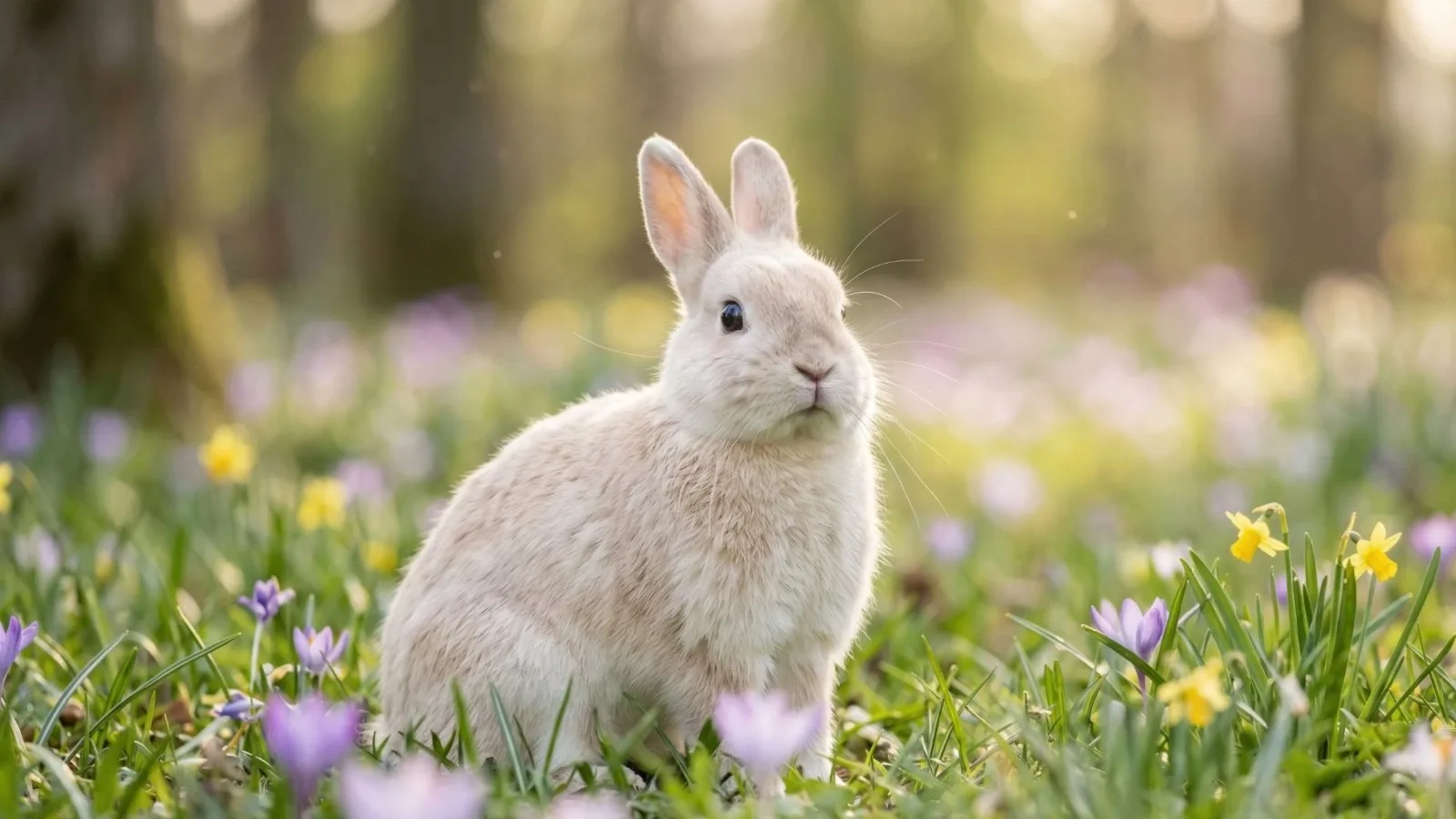
Look closely at the origins of these global celebrations, and you will find that many customs we consider sacred or deeply traditional were forged by historical accidents, brilliant marketing campaigns, or sheer desperation. A patron saint's day from Ireland is now celebrated by astronauts in orbit; a solemn tribute to motherhood morphed into a commercial juggernaut so massive that its founder spent her life savings trying to destroy it. Even the innocent springtime bunny started out as a strict moral judge of children's behavior.

By examining these celebrations side-by-side, we can see exactly how humanity repurposes the past. Ancient pagan rites to ward off ghosts became billion-dollar candy festivals, while bloody labor strikes were transformed into peaceful end-of-summer barbecues. These historical shifts reveal our profound human need to continually reinvent our traditions to suit the modern world.

Dive into the hand-picked articles below to discover the complex legacies, fascinating facts, and hidden stories behind your favorite days of the year.

The short version

Every item on this page, with the one fact most people get wrong about it.

Name Where you'll meet it The fact worth knowing
Christmas Global Winter Holiday It was actually outlawed in colonial New England for being too chaotic and rowdy.
Halloween Autumn Festival of the Dead Its origins lie in an ancient Celtic festival where people wore animal heads and skins to ward off roaming ghosts.
Easter Spring Religious Feast In parts of Italy, the solemn resurrection is celebrated by blowing up a highly decorated cart packed with fireworks.
Thanksgiving North American Harvest Feast The modern American menu of turkey and cranberry sauce was largely shaped by a relentless 19th-century magazine editor.
St. Patrick's Day Irish Cultural Celebration The patron saint of Ireland wasn't actually Irish, but rather a Roman-British citizen who was brought to the island as a captive.
April Fools' Day Springtime Day of Pranks The tradition likely originated from stubborn peasants who refused to adopt the Gregorian calendar in 16th-century France.
Labor Day End-of-Summer American Holiday It was forged not in political generosity, but in the fiery aftermath of violent riots and extreme political desperation.
Cinco de Mayo Historic Military Anniversary It is not Mexican Independence Day, but rather the anniversary of an unlikely military defense that impacted the American Civil War.
Mother's Day Global Day of Gratitude The holiday's fierce founder spent her entire life savings fighting in court to destroy her own invention after it became commercialized.
Santa Claus Iconic Winter Figure The jolly red suit we know today was heavily popularized by viral promotional campaigns for early department stores and soda companies.
Easter Bunny Springtime Mascot In Australia, the rabbit's reputation as an invasive pest led to its replacement by the bilby, a native marsupial.

Record holders

Most Misunderstood

Cinco de Mayo

Widely celebrated in North America, it is often falsely believed to be Mexican Independence Day. Cinco de Mayo

Most Rebellious Founder

Anna Jarvis

She spent her entire life savings in a bitter legal battle trying to destroy the commercialized version of Mother's Day she created. Mother's Day

Oldest Inspiration

4th Century

The legend of Santa Claus dates back to a generous, real-life bishop in ancient Asia Minor. Santa Claus

Most Banned

Christmas

The holiday was outright outlawed by 17th-century New England Puritans who found its celebrations too rowdy. Christmas

All 11, one fact at a time

The Festive Unwrapped: 15 Fascinating Facts About Christmas

Christmas

Global Winter Holiday

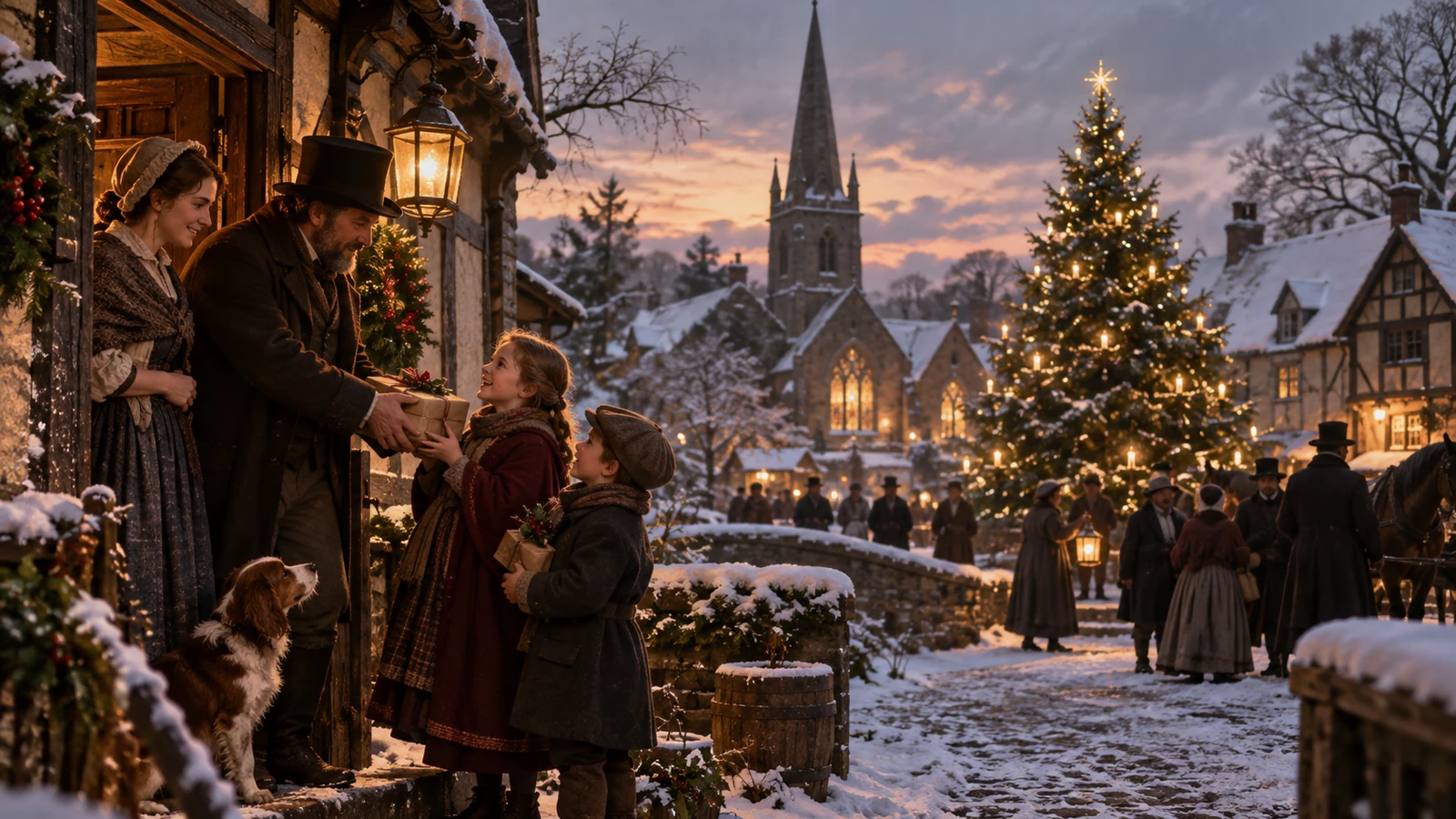
While today it is seen as the ultimate traditional family holiday, early American Puritans viewed Christmas as a sinful excuse for drinking and rioting. Banned in Boston in the 17th century, the holiday took centuries to morph into the cozy, commercially driven powerhouse we recognize today. From medieval charitable customs to millions of people eating fast-food fried chicken in modern Japan, the evolution of December 25th is a wildly complex tale of constant reinvention.

Read the full article →
The Macabre Masterpiece: 15 Fascinating Facts About Halloween

Halloween

Autumn Festival of the Dead

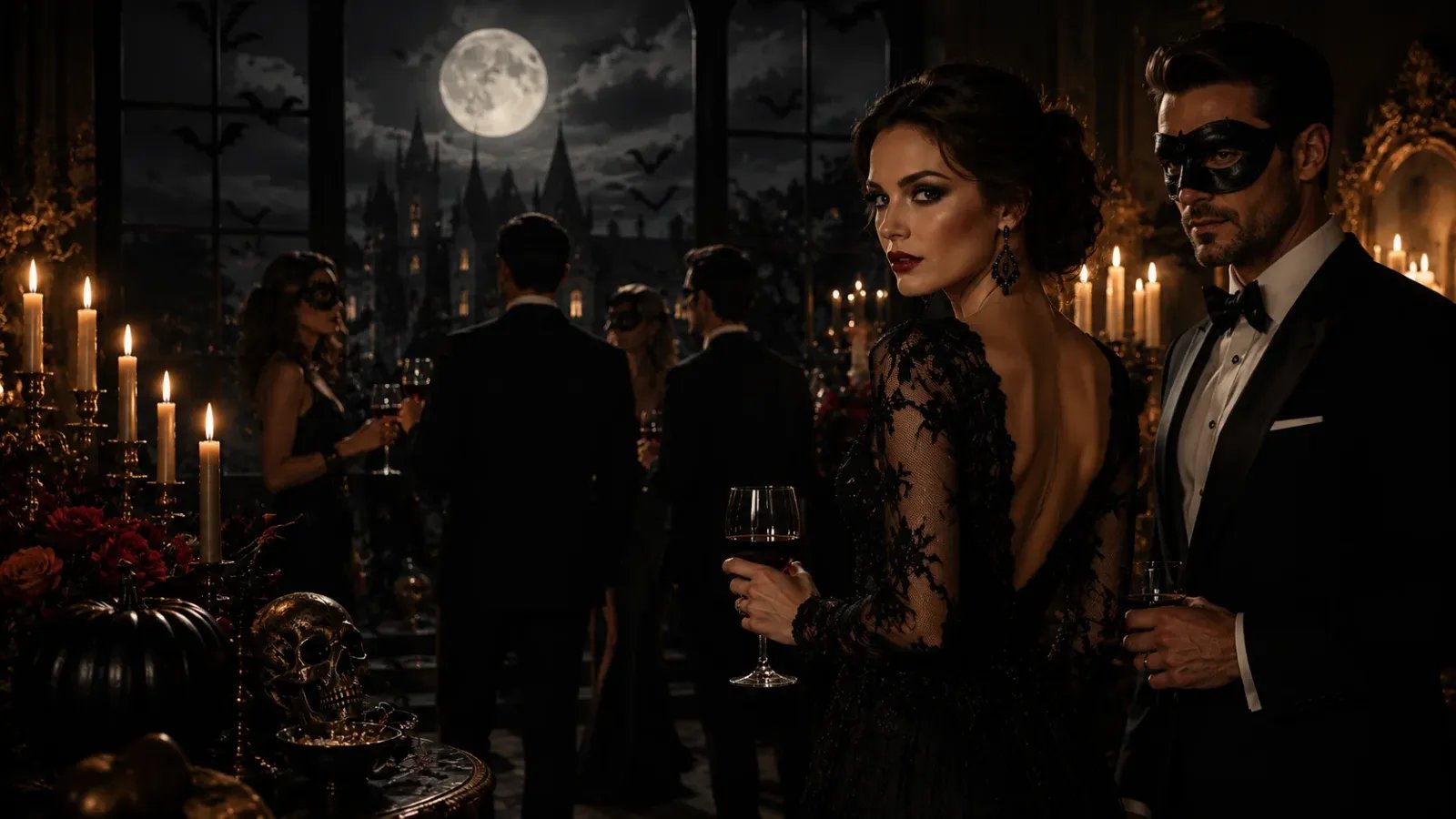
Long before plastic masks and neighborhood trick-or-treating became the norm, October 31st was heavily steeped in the macabre. Tracing its roots back to the ancient festival of Samhain, Halloween was originally a time when the boundary between the living and the dead blurred. Over the centuries, Christian influences, medieval superstition, and 20th-century candy cartels transformed this spooky agricultural marker into a multibillion-dollar night of revelry.

Read the full article →
The Sacred Spring: 15 Fascinating Facts About Easter

Easter

Spring Religious Feast

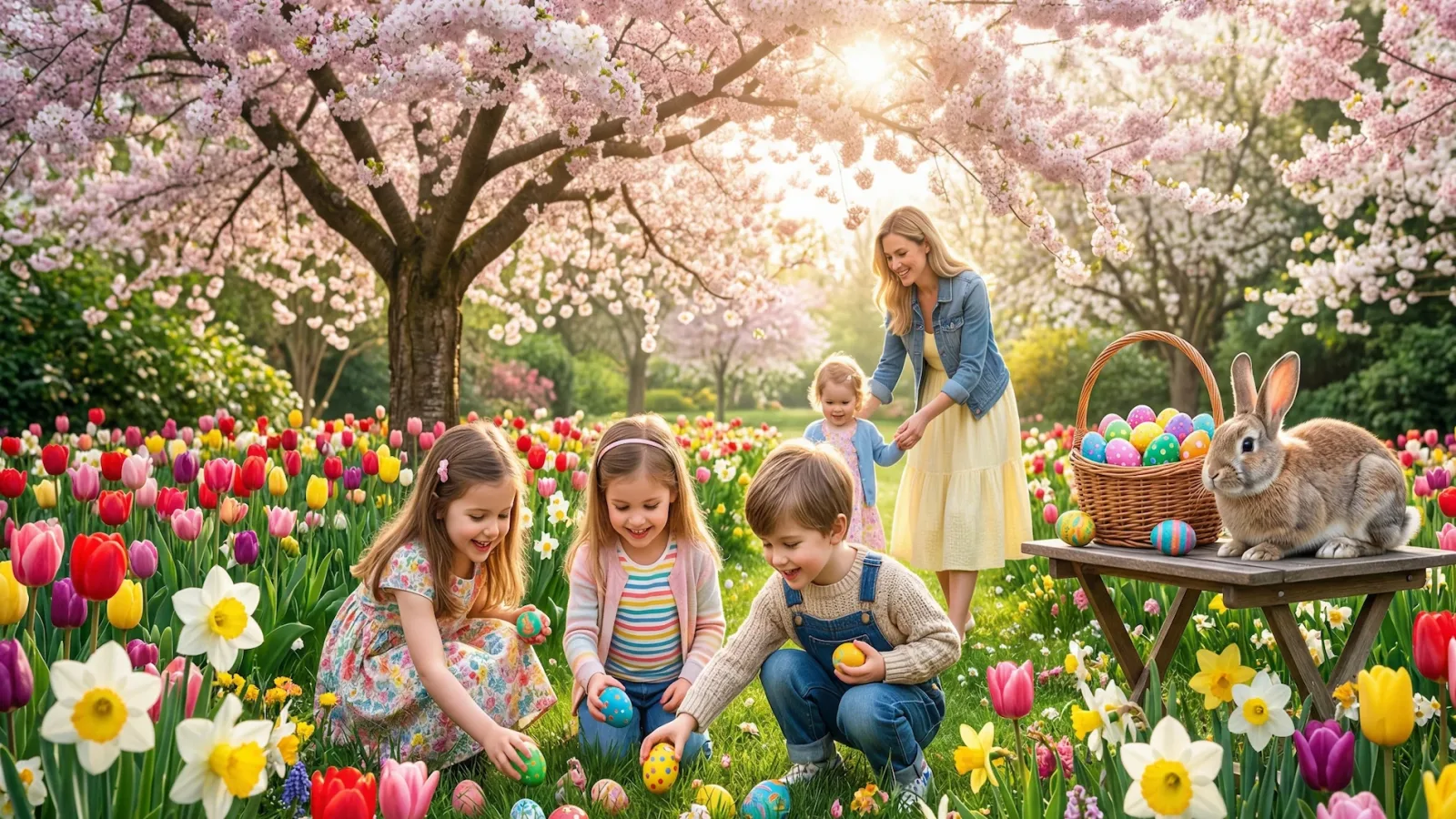
As one of the world's most widely observed spring festivals, Easter is a fascinating blend of sacred religious rites and surprisingly explosive cultural customs. Beyond the familiar chocolate eggs and family feasts, the holiday's roots entangle with ancient spring deities and strict moral folklore. Whether it involves countrywide water fights in Eastern Europe or fiery historical pageants in Florence, the seasonal rituals surrounding this holiday are as vibrant as they are ancient.

Read the full article →
The Complicated Feast: 15 Fascinating Facts About Thanksgiving

Thanksgiving

North American Harvest Feast

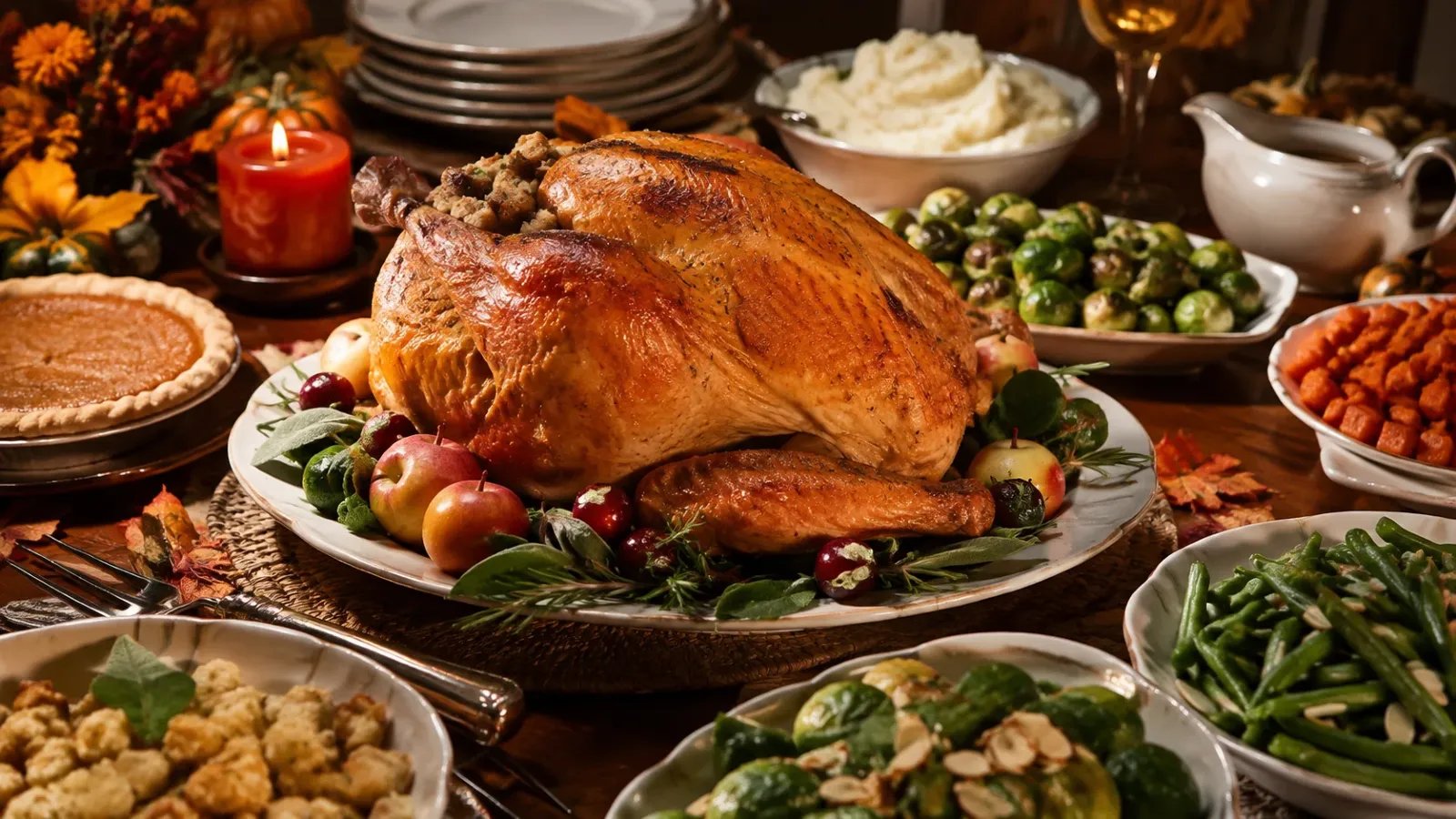
Thanksgiving is often framed as a peaceful 17th-century harvest feast, but its path to becoming a national holiday was incredibly complicated. It wasn't until the middle of the Civil War that it was officially designated as a unifying national day of thanks, heavily lobbied for by writer Sarah Josepha Hale. Today, the day remains a complex feast, balancing deep historical controversies with modern traditions of massive parades, football, and culinary marathons.

Read the full article →
The Green Legend: 15 Fascinating Facts About St. Patrick’s Day

St. Patrick's Day

Irish Cultural Celebration

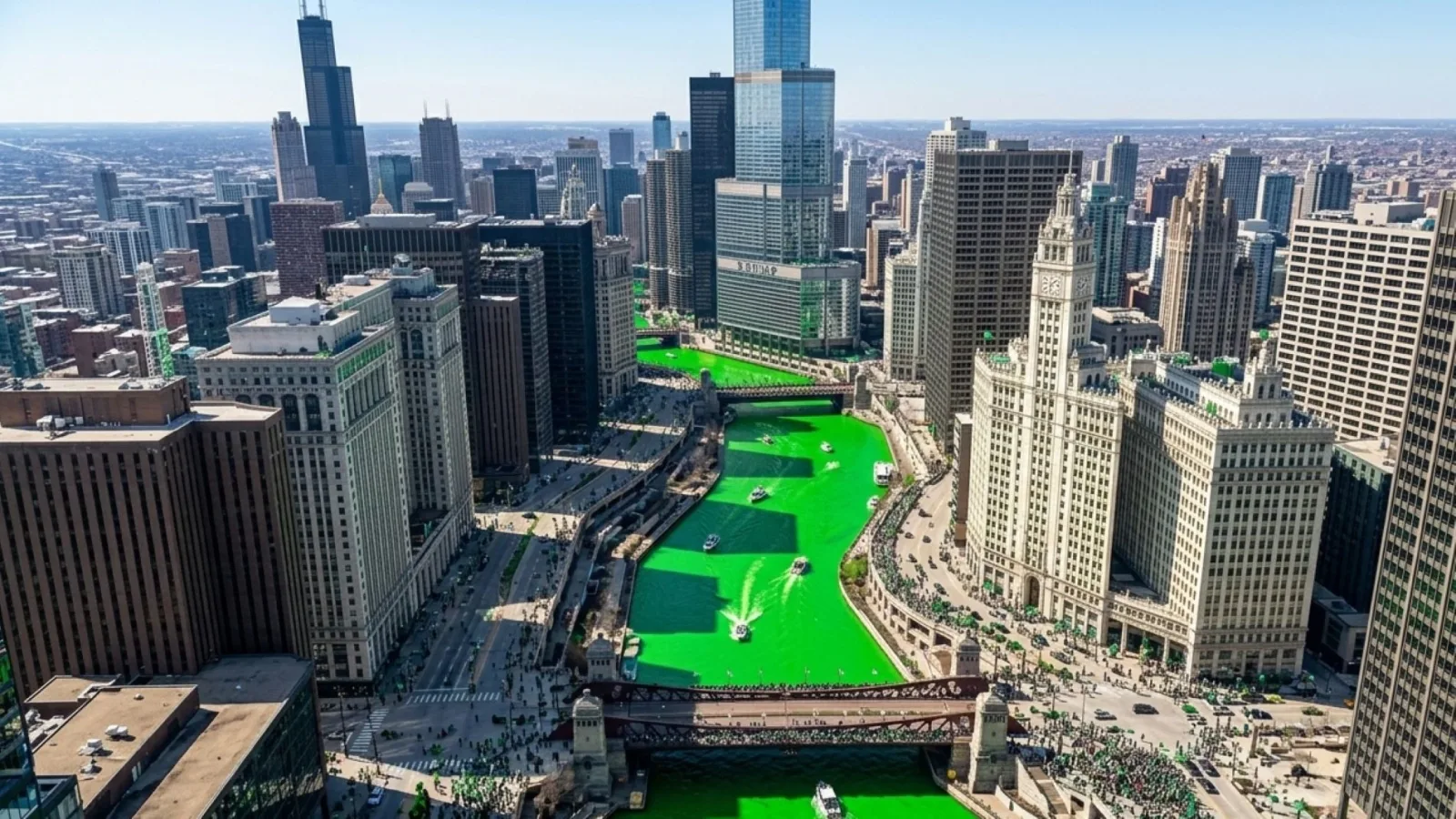
March 17th has transformed from a quiet, solemn religious feast day into a massive global celebration of Irish culture and heritage. The holiday's modern incarnation—featuring heavily dyed green rivers, raucous parades, and even celebrations in orbit aboard the International Space Station—would likely shock its namesake. From the evolution of leprechaun folklore to the invention of green beer, the holiday's worldwide conquest is full of unexpected historical twists.

Read the full article →
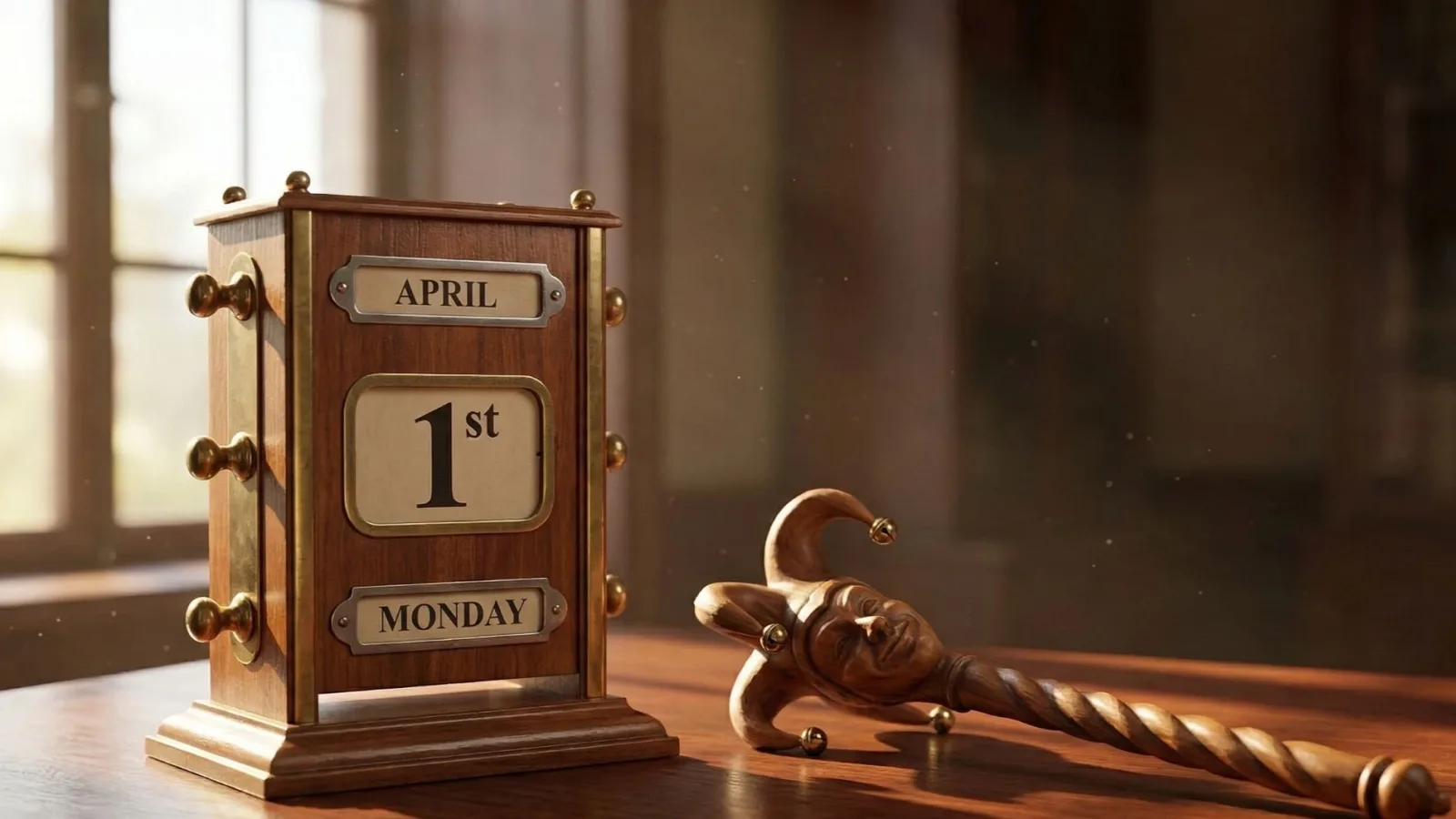
The Prankster's Almanac: 15 Fascinating Facts About April Fools' Day

April Fools' Day

Springtime Day of Pranks

For centuries, the first of April has been dedicated to playful deception, elaborate media hoaxes, and cultural trickery. Those who continued to celebrate the new year in spring rather than January 1st were mockingly labeled "April fools" and had paper fish stuck to their backs. Since then, the holiday has evolved to feature everything from fake spaghetti harvests broadcast on national television to highly orchestrated, multi-million-dollar corporate tech pranks.

Read the full article →
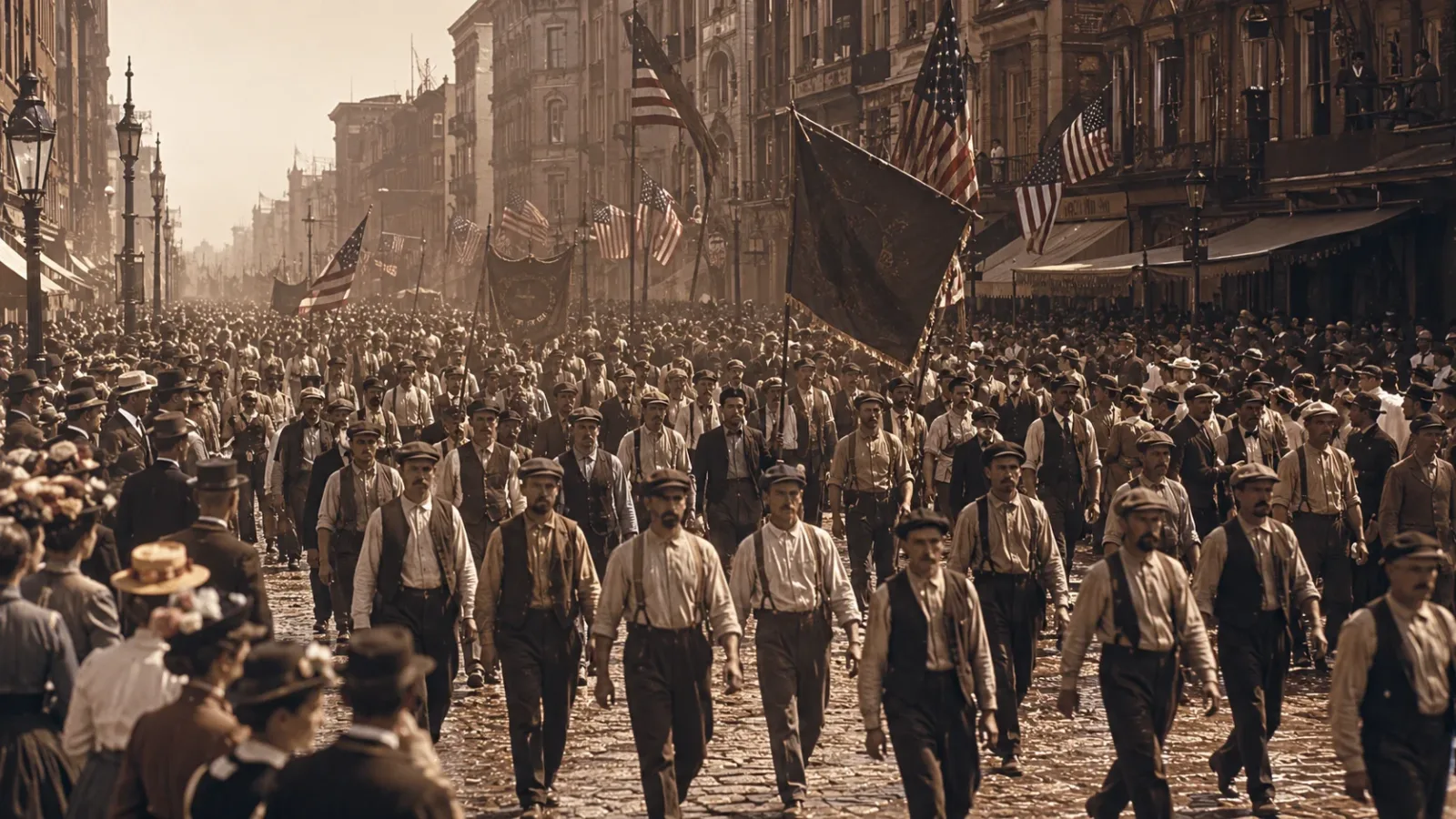
15 Fun & Surprising Facts About Labor Day History

Labor Day

End-of-Summer American Holiday

Today, the first Monday in September is known mostly for blowout sales, backyard barbecues, and the bittersweet end of summer vacation. However, the true history of the holiday is steeped in the blood, sweat, and illegal strikes of exhausted 19th-century industrial workers. It was created as a major concession to the working class fighting for basic human dignity, making it perhaps America's most misunderstood long weekend.

Read the full article →
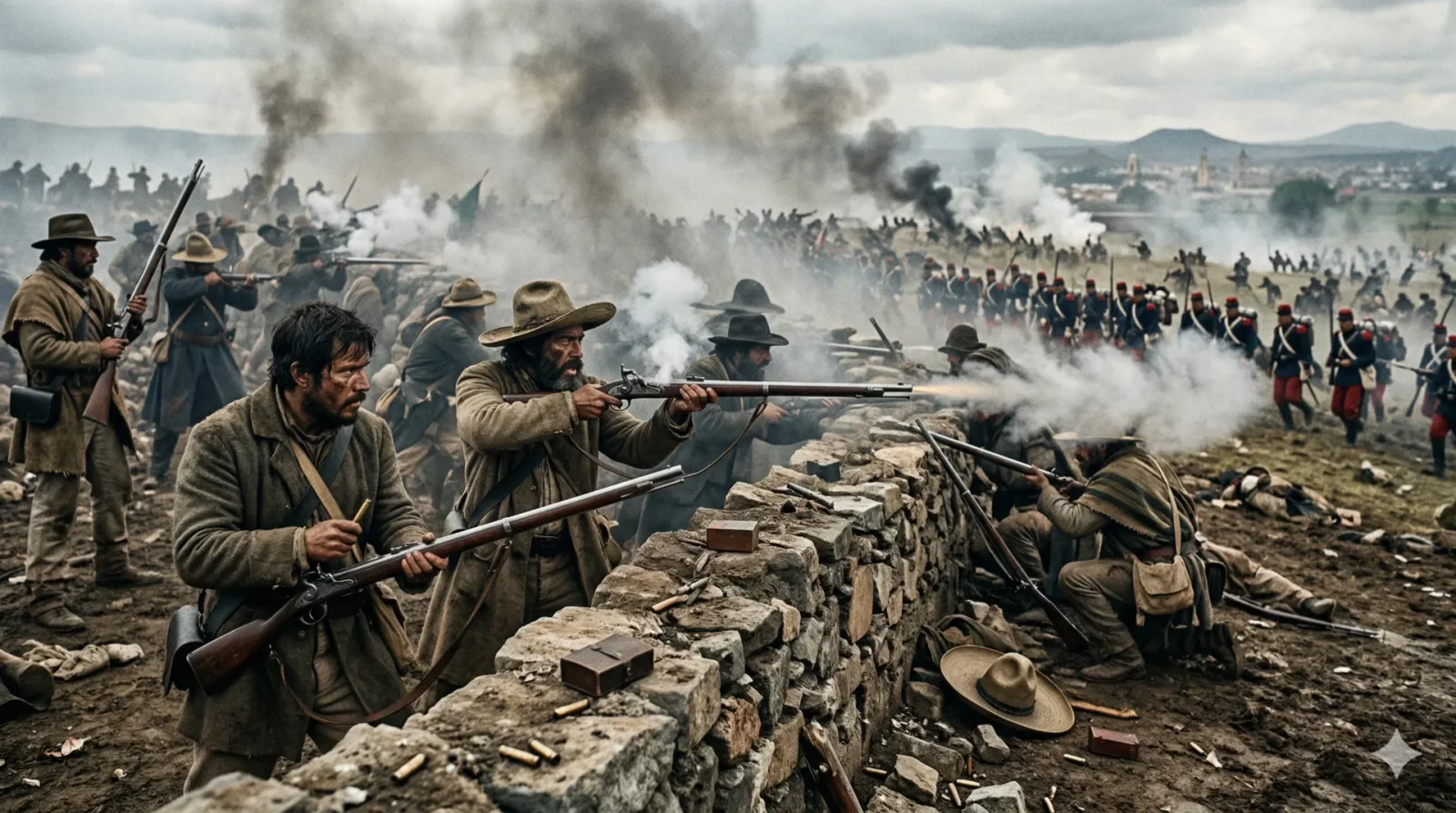
The Unlikely Triumph: 15 Fascinating Facts About Cinco de Mayo

Cinco de Mayo

Historic Military Anniversary

Widely celebrated across North America with margaritas and parties, Cinco de Mayo remains one of the most historically misunderstood dates on the calendar. The day actually honors the Battle of Puebla, where outgunned Mexican forces famously defeated a massive European invasion. This unlikely triumph sent shockwaves north of the border, influencing both the outcome of the American Civil War and modern civil rights movements, even though it isn't a major national holiday in Mexico itself.

Read the full article →
The Complex Legacy: 15 Fascinating Facts About Mother's Day

Mother's Day

Global Day of Gratitude

While it feels like a timeless tradition of heartfelt gratitude, pastel cards, and flower bouquets, the origin of Mother's Day is remarkably turbulent. Tracing its roots back through Civil War sanitation leagues and ancient pagan rituals, the modern holiday was officially established in the early 20th century. However, as florists and greeting card companies capitalized on the sentiment, founder Anna Jarvis launched a vicious, lifelong legal crusade to have the holiday entirely abolished.

Read the full article →
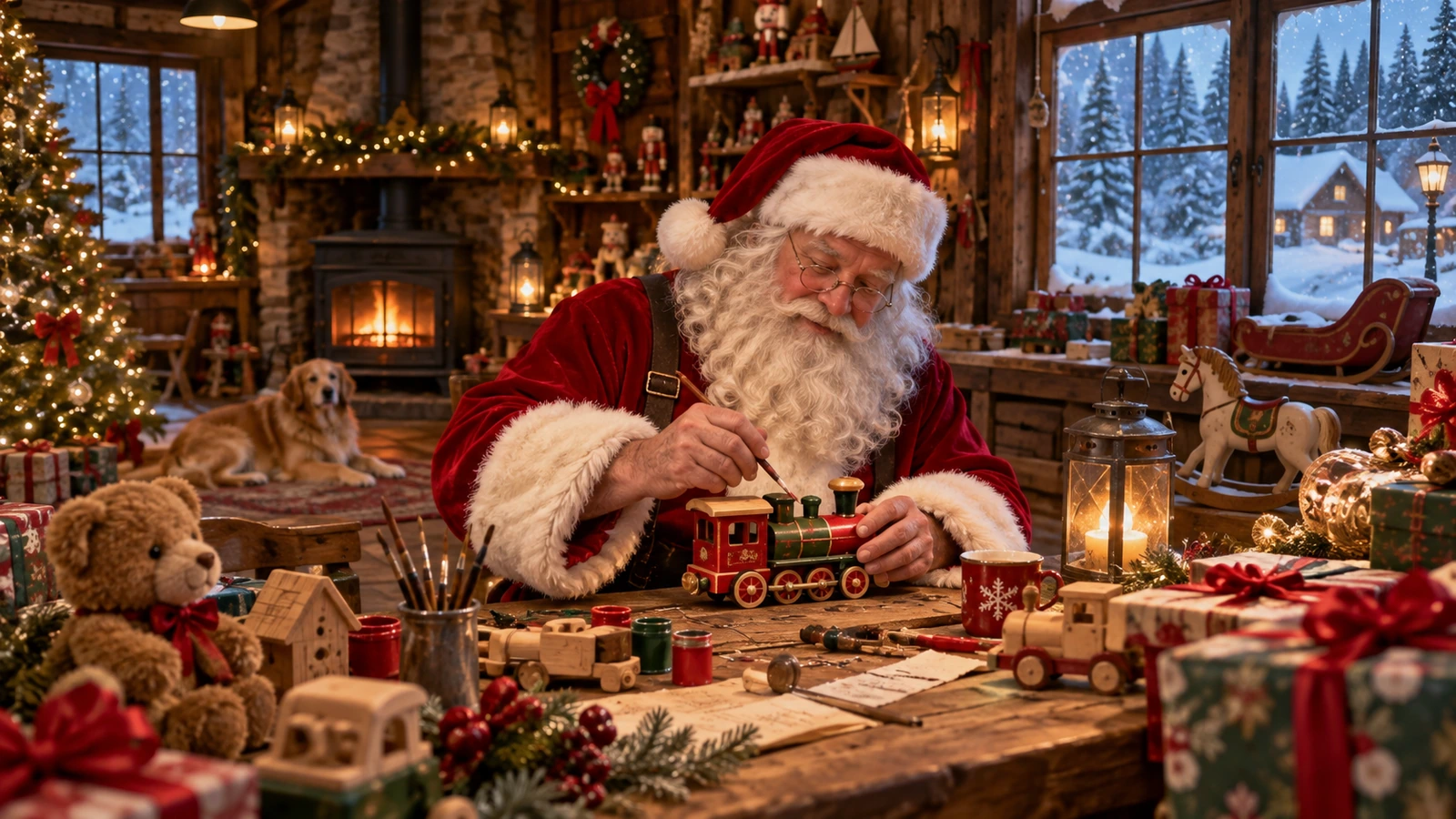
The Global Legend: 15 Fascinating Facts About Santa Claus

Santa Claus

Iconic Winter Figure

Santa Claus is far more than a magical gift-bringer; he is a complex cultural icon whose legend spans centuries, continents, and varying mythologies. His origin story merges a generous 4th-century bishop from ancient Asia Minor with elements of Norse mythology and British folklore. Today, his legacy includes cold war defense tracking operations by NORAD and officially issued government passports, proving the world's favorite holiday figure has a surprisingly real-world footprint.

Read the full article →
The Whimsical Hare: 15 Fascinating Facts About the Easter Bunny

Easter Bunny

Springtime Mascot

As everyone's favorite springtime mascot, the Easter Bunny's journey from 18th-century German folklore to a commercial juggernaut is full of quirky milestones. Initially conceived as a strict, moralistic hare who judged children's behavior, the character eventually softened into a purveyor of hidden baskets and colorful eggs. From hollow chocolate figures born out of wartime cocoa shortages to high-stakes presidential lawn games, the history behind the bunny is deeply fascinating.

Read the full article →

Quiz: how much of that stuck?

8 questions, every answer is somewhere above.

Holidays and Traditions 0 / 8

1. Why was Christmas historically outlawed in colonial New England?

2. What was Saint Patrick's actual nationality before he became the patron saint of Ireland?

3. How did the American Labor Day actually originate?

4. What historic event does Cinco de Mayo actually commemorate?

5. How did the founder of Mother's Day react to the holiday's massive commercial success?

6. Which animal often replaces the Easter Bunny in Australia due to the rabbit's status as a pest?

7. April Fools' Day may have originated from people mocking those who refused to adopt what?

8. Where was the historical 4th-century figure who originally inspired Santa Claus from?

Frequently asked

Why do human cultures celebrate holidays?

Holidays serve as vital cultural and social markers. They help communities bond over shared history, honor religious beliefs, and mark seasonal changes in agriculture. They provide a predictable rhythm to the year and offer societies a scheduled chance to reflect on shared cultural values.

Are all global holidays based on religion?

No. While many popular holidays, like Christmas and Easter, have deep religious roots, others are completely secular. Holidays like Labor Day, Earth Day, and Cinco de Mayo are based on historical events, political movements, or national cultural pride.

How does commercialization affect traditional holidays?

Commercialization tends to soften the stricter, original meanings of holidays. It often replaces solemn religious observances or harsh political statements with accessible elements like gift-giving, specific foods, and festive decorations, which ultimately makes the holiday appealing to a broader global audience.

Have any historic holidays been completely forgotten?

Yes, many ancient Roman, Celtic, and medieval feast days are no longer celebrated in their original forms. However, elements of these forgotten festivals often survive by being absorbed into modern holidays, such as the Celtic festival of Samhain evolving into modern Halloween.

Why do some holiday dates change every year?

Many ancient and religious holidays, such as Easter, Ramadan, or the Lunar New Year, are calculated based on lunar cycles rather than the fixed solar Gregorian calendar. Because the lunar year is shorter, the exact dates of these holidays shift annually on standard calendars.

Keep going

Enjoyed these facts? There's more! 💌

Fresh fun facts in your inbox. No spam, ever.