A Champagne Bet and a Defiant Diplomat: 15 Facts About James K. Polk
James K. Polk's presidency joined enormous territorial ambitions to an almost obsessive attention to detail. A cabinet argument prompted a vast diary, a dispute with his secretary of state produced a champagne wager, and the diplomat he recalled from Mexico negotiated a treaty anyway. Away from politics, even the retirement home he meticulously planned suffered a spectacular setback.
1. An early medical account says he took his bladder stone home
Polk underwent surgery by Ephraim McDowell in Kentucky in 1812, years before modern surgical anesthesia. An account published in 1860 describes the removed bladder stone as small, hard and heavy—and says Polk carried it home in his pocket to show friends and neighbors. It also records a grateful letter he sent his surgeon that December.
2. Two election defeats came just before his presidential breakthrough
Polk lost the Tennessee governorship in 1841 and failed to regain it in 1843. A year later, deadlocked Democrats turned to him on their national convention's ninth ballot. His name had only entered the voting on the eighth. The supposed political outsider had actually been governor and Speaker of the House; the surprise was his emergence as the compromise presidential choice.
3. His nomination became an extraordinary test of the telegraph
Samuel Morse used news of Polk's 1844 nomination to demonstrate his new Washington–Baltimore telegraph. His report says the result went to Washington, reached Congress and spectators, and an acknowledgment returned to the Baltimore convention before its presiding officer officially announced the nomination. Political news was beginning to travel faster than the ceremony that produced it.
4. A cabinet conversation started a diary that filled twenty-five volumes
A consequential discussion with Secretary of State James Buchanan over Oregon persuaded Polk to begin recording presidential business in August 1845. The resulting diary filled twenty-five volumes and nearly 4,000 pages. It preserved private judgments alongside public decisions, including his irritation when a White House juggling performance interrupted work: he considered the entertainment time poorly spent.
5. He won a champagne bet against his secretary of state
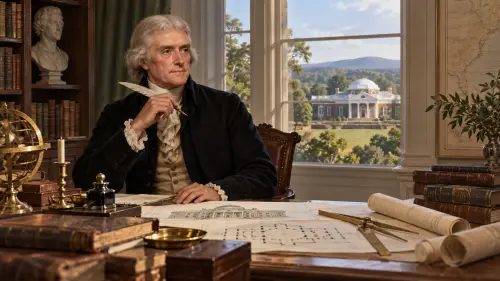
Polk and Buchanan once disputed the proper wording of a diplomatic letter. The president wagered a basket of champagne that Buchanan could find no precedent for the proposed form in State Department files. After searching, Buchanan conceded and offered the champagne. Polk declined the prize, apparently satisfied to have demonstrated that he knew the secretary's business better.
6. Candles rescued the debut of his new gas lighting
Gas lines reached the White House's State Floor chandeliers in 1848. Sarah Polk preferred candlelight and insisted that the Blue Room chandelier keep its candles. On the evening the new gaslights debuted, the gas supply failed and the rooms went dark. Her retained candles provided a practical backup to the fashionable technology.
 You might also like
The Campaign That Helped Make OK Famous: 15 Facts About Martin Van Buren
7. His dining room became a pioneering photographic studio
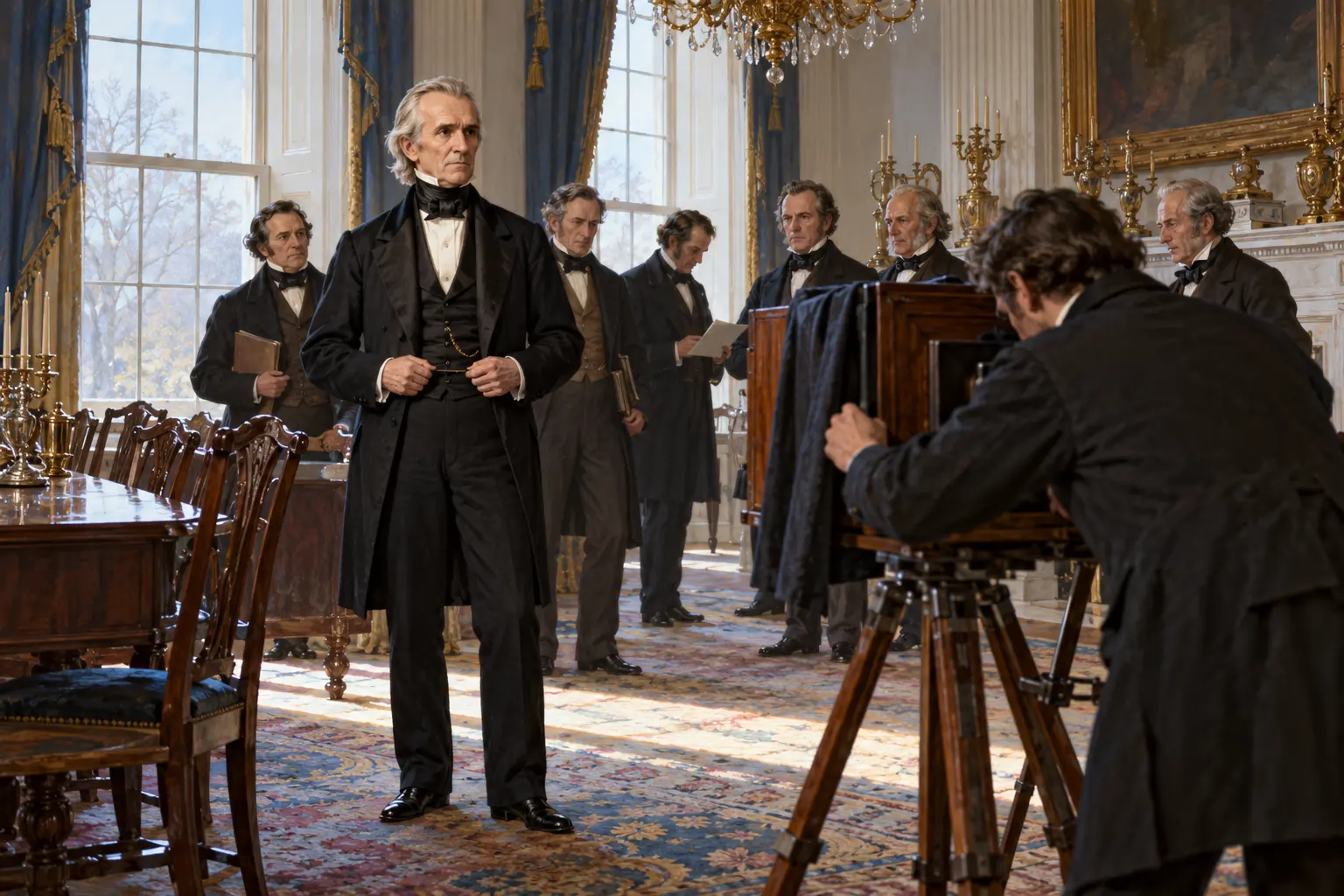
Photographer John Plumbe assembled Polk and most of his cabinet in the State Dining Room in 1846. The White House Historical Association identifies the surviving daguerreotype as both the earliest known photograph of a U.S. president with his advisers and the first photographic record of a White House interior. Early presidential photography depended on moving people and equipment into suitable light.
8. He compromised over Oregon while fighting Mexico
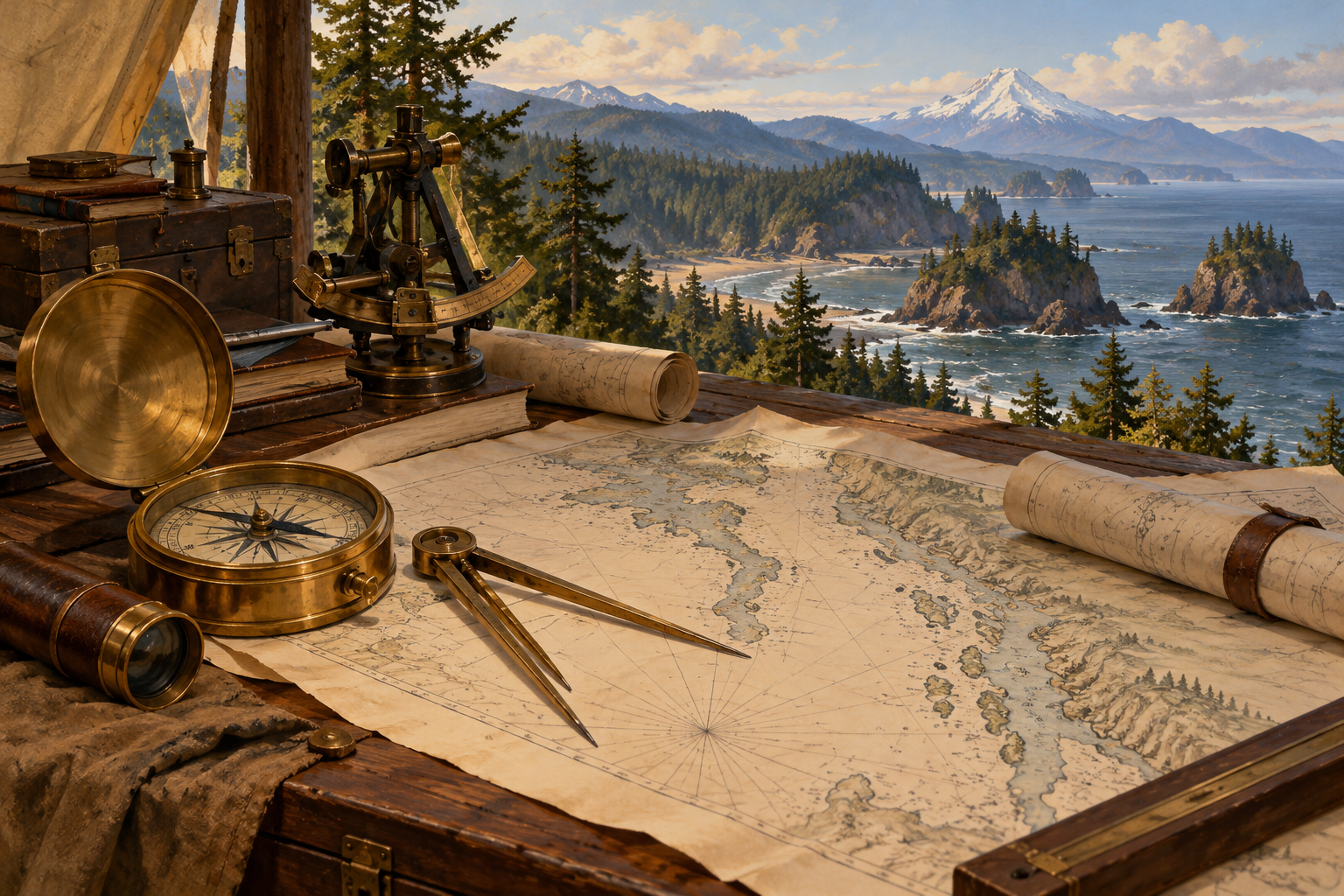
Expansionists demanded the Oregon country as far north as 54°40′, but Polk accepted a settlement with Britain largely along the 49th parallel in 1846. Britain kept all of Vancouver Island. The agreement secured a Pacific boundary without another war while the United States was already fighting Mexico. The final map was a negotiated compromise rather than the maximal claim.
9. A diplomat he recalled negotiated the peace treaty anyway
Polk ordered Nicholas Trist home from Mexico in October 1847 after losing confidence in him. Trist ignored the recall and continued negotiating. He signed the Treaty of Guadalupe Hidalgo in February 1848, securing the agreement that ended the war and transferred vast territory to the United States. Polk accepted the result and submitted the disobedient diplomat's treaty to the Senate.
 US Presidents
Discover the eccentricities, secret talents, and surprising hidden lives of America's most influential presidents, from frontier wrestlers to covert strategists.
See All Facts
10. Abraham Lincoln demanded that he identify the exact spot where war began
Polk justified war by asserting that Mexico had shed American blood on American soil, although the clash occurred in disputed border territory. In December 1847, freshman congressman Abraham Lincoln introduced resolutions asking where, precisely, that blood had been shed. Congress never acted on the resolutions, and critics mocked him as Spotty Lincoln. The challenge exposed the disputed geography behind Polk's justification.
11. He concealed purchases of enslaved children while in office
Polk publicly presented himself as a slaveholder who kept inherited workers and protected families. His private correspondence shows agents purchasing more enslaved people while he was president, with instructions to keep his involvement quiet. White House historians identify at least thirteen children among nineteen people acquired through these transactions. Family separation and financial gain lay behind the reassuring public image.
12. He signed the Smithsonian into existence after a decade of argument
An English scientist's bequest left the United States money to create an institution for spreading knowledge. Congress spent years debating what that should mean. Polk signed the Smithsonian's founding law on August 10, 1846. It provided for collections, a library, an art gallery and scientific facilities, while preserving the principal of the donated fund and using its interest.
13. His message to Congress helped turn California gold into national news
Gold was discovered at Sutter's sawmill in January 1848, but reliable news spread unevenly. That December, Polk confirmed the reports to Congress. His official endorsement helped convince people far from California that the discoveries were real. By the following spring, thousands were setting out west, intensifying a migration with devastating consequences for Native communities and resources along the routes.
14. An explosion wrecked the retirement house he was redesigning
While still president, Polk bought his former law teacher Felix Grundy's Nashville house and planned extensive alterations. Lightning struck a nearby gunpowder magazine; the explosion knocked down two walls and shattered window frames. He redesigned the damaged house again. After all that planning, he occupied Polk Place for only fifty-three days before dying in June 1849, scarcely three months after leaving office.
15. He waited until his deathbed to be baptized
Polk regularly accompanied his Presbyterian wife to church, but privately identified with Methodism after an earlier religious conversion. When she was absent, he sometimes attended Methodist services instead. He had never been baptized. As he lay dying in 1849, he summoned Methodist minister John B. McFerrin, who finally performed the rite.
How did these facts land?
Know someone who'd love these facts? Share them 👇