Army Camels and Hawthorne's Friendship: 15 Facts About Franklin Pierce
Franklin Pierce's life connected presidential politics with Nathaniel Hawthorne, an army experiment involving imported camels and a scramble for islands rich in bird droppings. His papers also preserve personal grief and an unexpected gesture toward Abraham Lincoln. These stories sit beside consequential choices that deepened the national struggle over slavery.
1. Nathaniel Hawthorne wrote his campaign biography
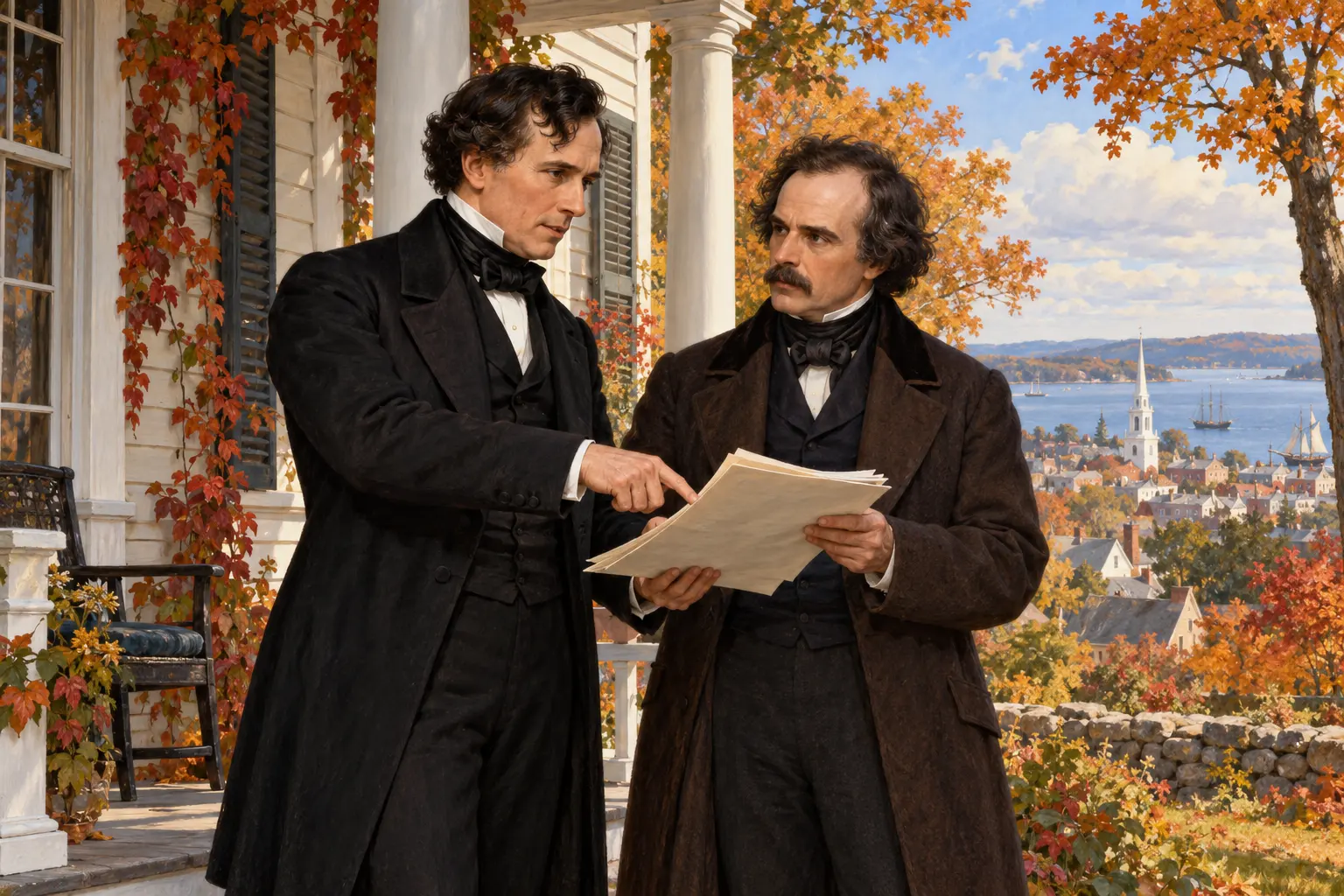
The author of The Scarlet Letter helped sell Pierce to voters in 1852. The two had known each other at Bowdoin College, and Hawthorne wrote the flattering biography expected of a presidential candidate. His treatment of slavery cost him northern friends, he complained in a letter. After winning, Pierce appointed him consul in Liverpool, a financially valuable diplomatic post.
2. Democrats needed forty-nine ballots to nominate him
At the 1852 Democratic convention, better-known contenders could not secure the required support. Pierce emerged as a compromise candidate and won on the forty-ninth ballot. He then faced his former Mexican War commander, Winfield Scott, in the general election. The Electoral College result was overwhelming: 254 votes for Pierce and just 42 for Scott.
3. His surviving son had hoped he would lose the election
Before the election, Benjamin Pierce wrote to his mother that he hoped his father would not win because neither of them wanted to live in Washington. On January 6, 1853, the eleven-year-old died when the family's railway carriage derailed. He was the couple's last surviving child. His parents entered the presidency carrying an immediate and devastating bereavement.
4. He affirmed the oath and delivered his inaugural address from memory
Pierce chose to affirm rather than swear the presidential oath in March 1853, using an alternative expressly allowed by the Constitution. The congressional inaugural committee also identifies him as the first president to deliver his entire inaugural address from memory. Snow fell during the speech. There was no inaugural ball, and Jane Pierce did not attend the ceremony.
5. His vice president took the oath in Cuba
William Rufus King was too ill to attend Pierce's inauguration and traveled to Cuba in search of a healthier climate. A special act of Congress allowed him to take the vice-presidential oath there on March 24, 1853. He died in Alabama the following month without taking up his duties in Washington. Pierce served the remainder of his term without a vice president.
6. His administration funded an experiment with army camels
Secretary of War Jefferson Davis thought camels could solve transport problems in the dry Southwest. Congress authorized the experiment in 1855, and the army imported animals for trials in Texas and beyond. They could carry heavy loads through country difficult for wagons, but frightened horses and mules. The experiment's best-known road surveys continued under Pierce's successor, James Buchanan.
 You might also like
The Paradoxical President: 15 Fascinating Facts About Andrew Jackson
7. Bird droppings became a basis for overseas American claims
The 1856 Guano Islands Act created a process for Americans to claim qualifying islands containing seabird guano, a prized fertilizer. It covered places outside another government's jurisdiction that were not already occupied by its citizens, subject to presidential discretion. The law also allowed military protection of the discoverers' rights. Agricultural demand for manure thus acquired a remarkable international dimension.
8. His Mexican land purchase shrank before it became final
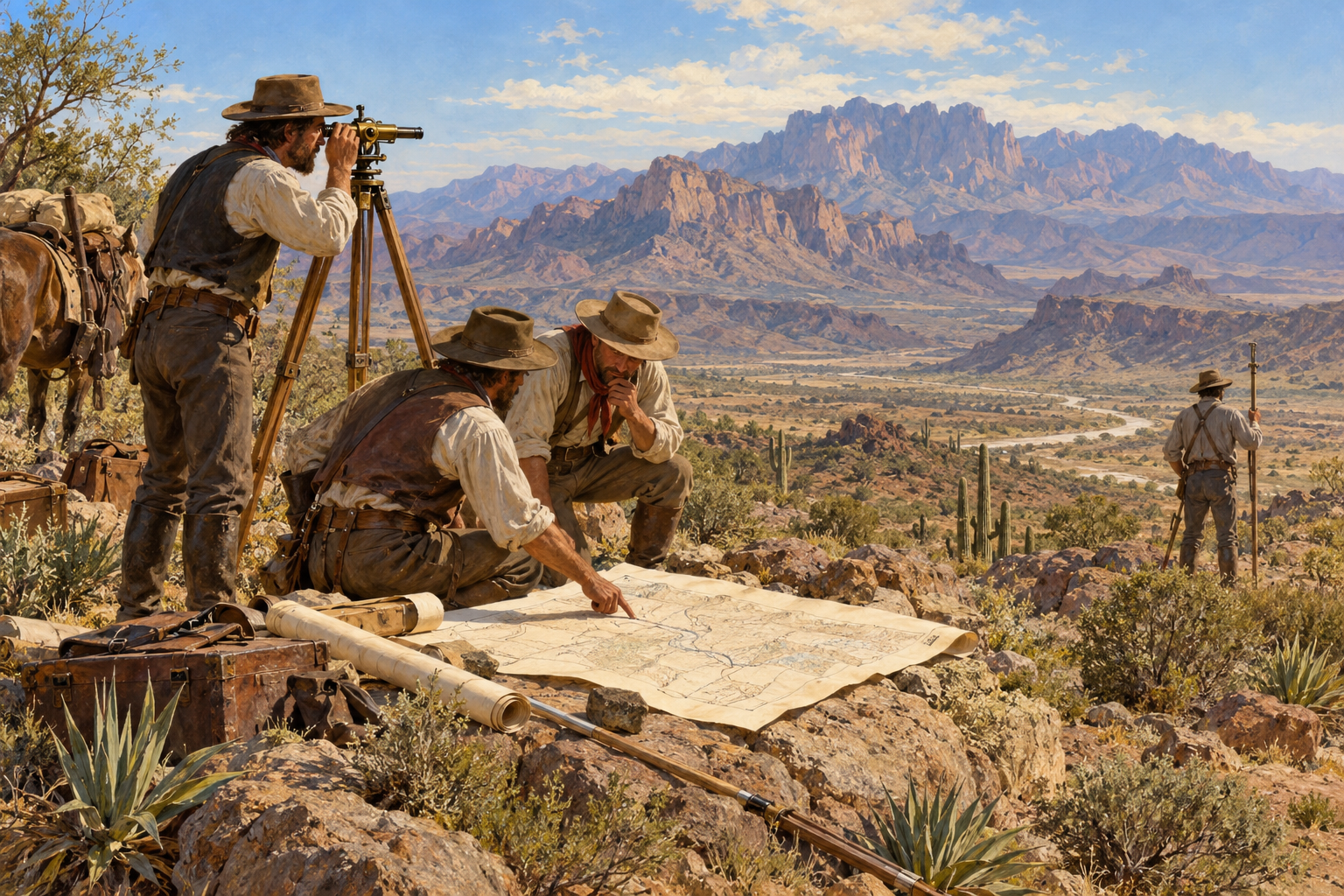
The original Gadsden treaty proposed $15 million for about 45,000 square miles. The Senate revised it to $10 million for 29,670 square miles, mostly to secure a southern railroad route and address lingering border disputes. The 1854 purchase supplied parts of today's Arizona and New Mexico. Confusing the original proposal with the final agreement produces a surprisingly common price error.
9. His diplomats suggested taking Cuba if Spain would not sell
In 1854, U.S. ministers James Buchanan, John Mason and Pierre Soulé produced the Ostend Manifesto, arguing for acquiring Cuba from Spain. The document went beyond a purchase proposal to contemplate taking the island under certain circumstances. Its publication embarrassed Pierce's administration and alarmed critics of slavery's expansion. An intended diplomatic initiative became a damaging public controversy.
 US Presidents
Discover the eccentricities, secret talents, and surprising hidden lives of America's most influential presidents, from frontier wrestlers to covert strategists.
See All Facts
10. Marines helped return one captured man to slavery
When authorities arrested Anthony Burns in Boston in 1854, abolitionists attempted to rescue him. Pierce authorized federal resources to enforce his return to slavery. Marines from the Charlestown Navy Yard joined an armed escort of about 1,500 men, while thousands watched in protest. The confrontation made federal protection of slavery visible on the streets of a city famous for liberty.
11. A railroad bill helped reopen the nation's slavery crisis
Stephen Douglas wanted a northern transcontinental railroad route through newly organized western territory. To win southern support, he accepted explicit repeal of the Missouri Compromise's restriction on slavery. Pierce signed the resulting Kansas–Nebraska Act in May 1854. Rival settlers and activists then fought to control Kansas, turning a proposed settlement of the issue into violence and political realignment.
12. He vetoed a major mental-health reform despite praising its purpose
Reformer Dorothea Dix championed a plan using public lands to help states support impoverished people with mental illness. In May 1854, Pierce vetoed it. His message acknowledged the humane objective but argued that the federal government lacked constitutional authority to assume such responsibilities within the states. Sympathy for the proposal's beneficiaries did not overcome his restrictive view of federal power.
13. He defended the destruction of a Nicaraguan port
In July 1854, USS Cyane bombarded Greytown after local authorities failed to meet American demands for compensation and an apology over a confrontation involving a U.S. diplomat. The attack devastated the town. Pierce defended the action in his annual message, depicting Greytown as an unlawful and dangerous community. His own account shows how commercial disputes and insults could escalate into gunboat violence.
14. He wrote Lincoln a deeply personal condolence letter
Pierce bitterly opposed Lincoln's politics, but after Willie Lincoln died in 1862, he wrote with sympathy. His March 4 letter recalled the crushing loss of his own son just before taking office. He explained that grief had initially made him hesitate to intrude. The surviving letter offers a moment of shared parental sorrow across the Civil War's political divide.
15. Hawthorne's final journey was with Pierce
The friendship that produced the campaign biography lasted beyond the presidency. In May 1864, the ailing Hawthorne traveled with Pierce through New Hampshire, hoping the journey would improve his health. He died during the trip on May 19. Pierce had already lost his wife the previous December; within months, he also lost one of his oldest and most loyal friends.
How did these facts land?
Know someone who'd love these facts? Share them 👇