Travel
Countries of Europe
Thirteen European countries, from France, Germany, Spain and Italy's neighbours to Norway, the Netherlands, Czechia, Croatia and the Caucasus nations of Georgia and Armenia, with the inventions, traditions and records that make each unique.
Updated November 3, 2026
·
13 items
·
195 facts in the linked articles
·
Reading time 4 min
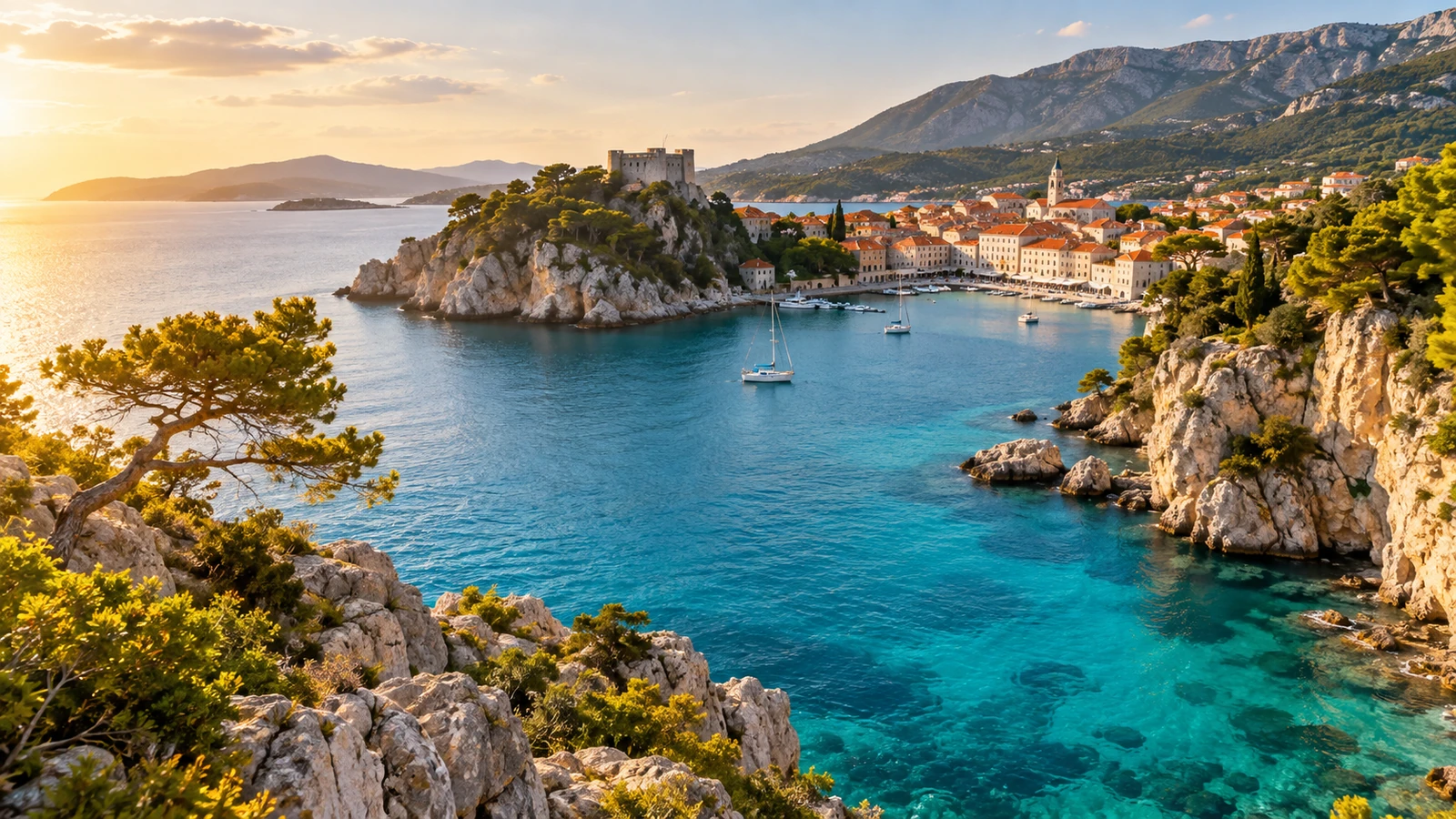
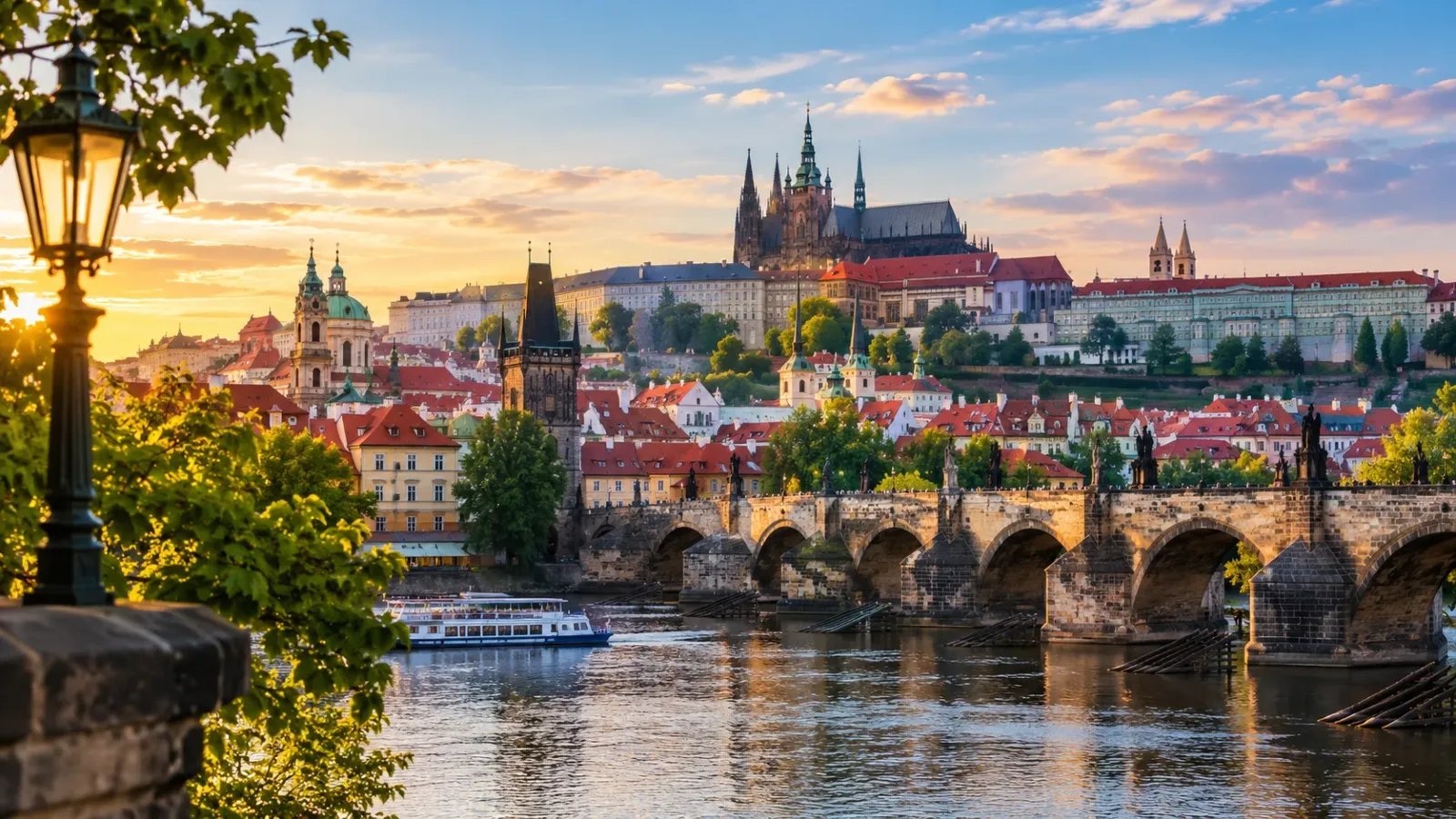
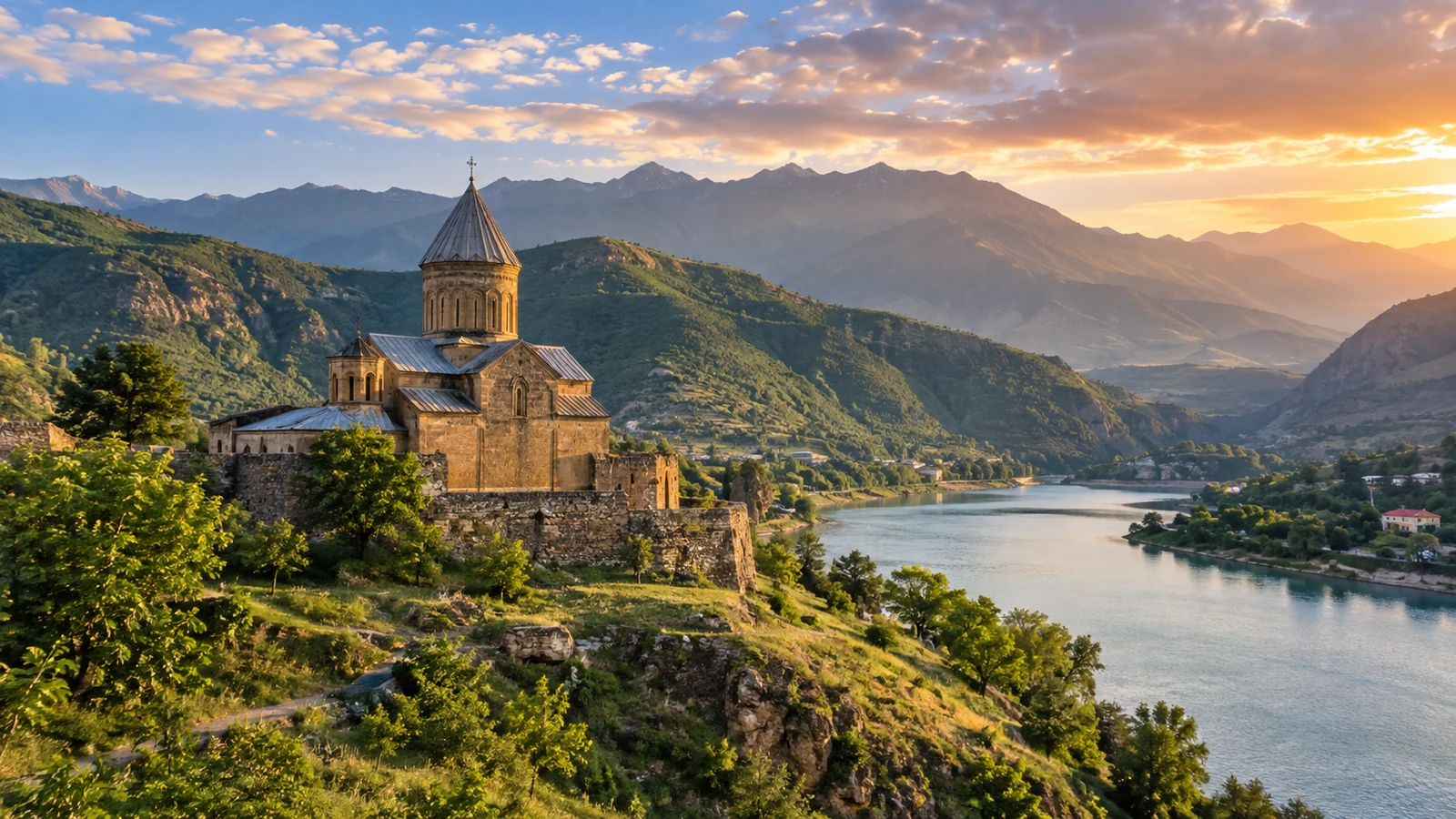
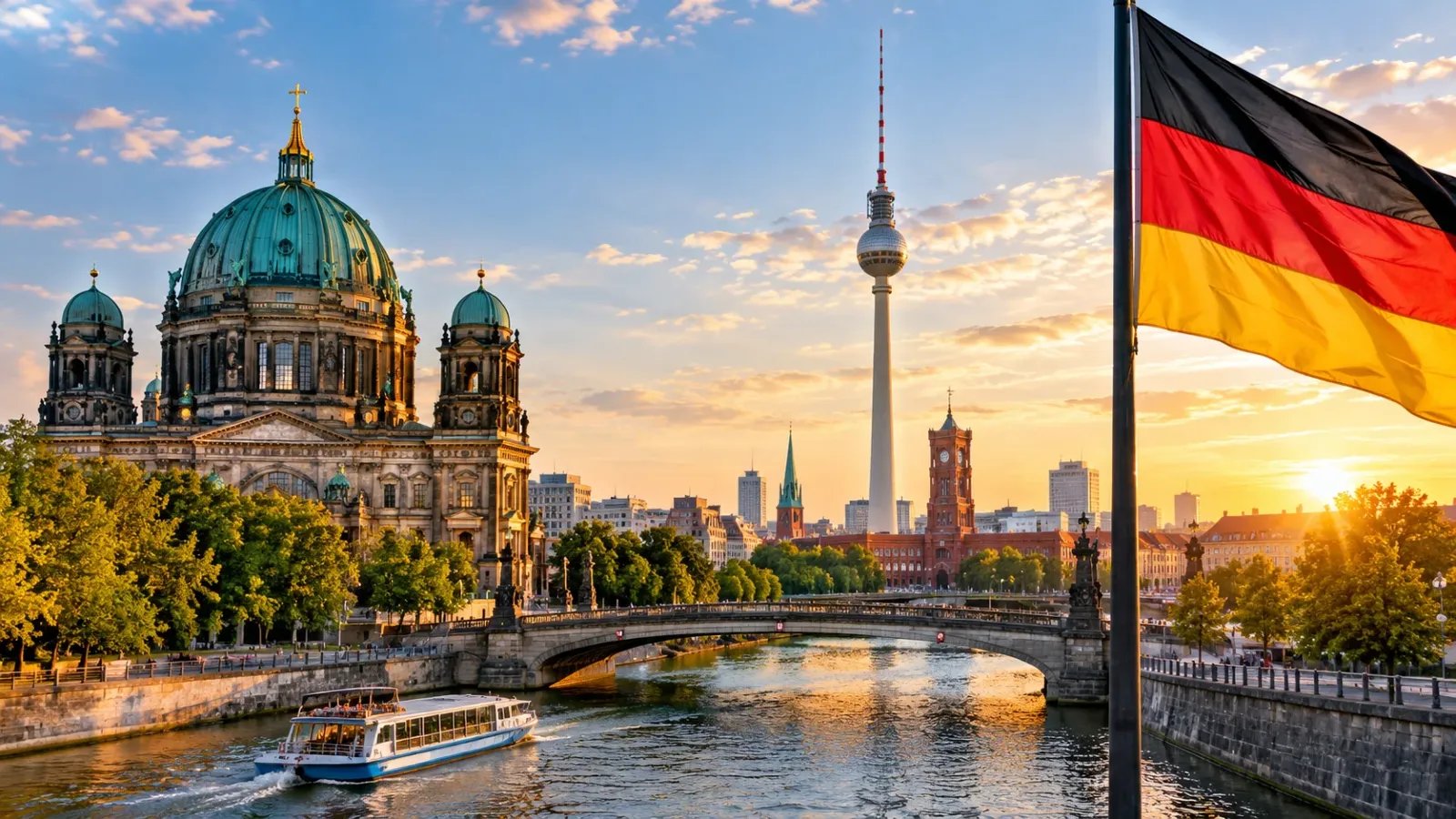
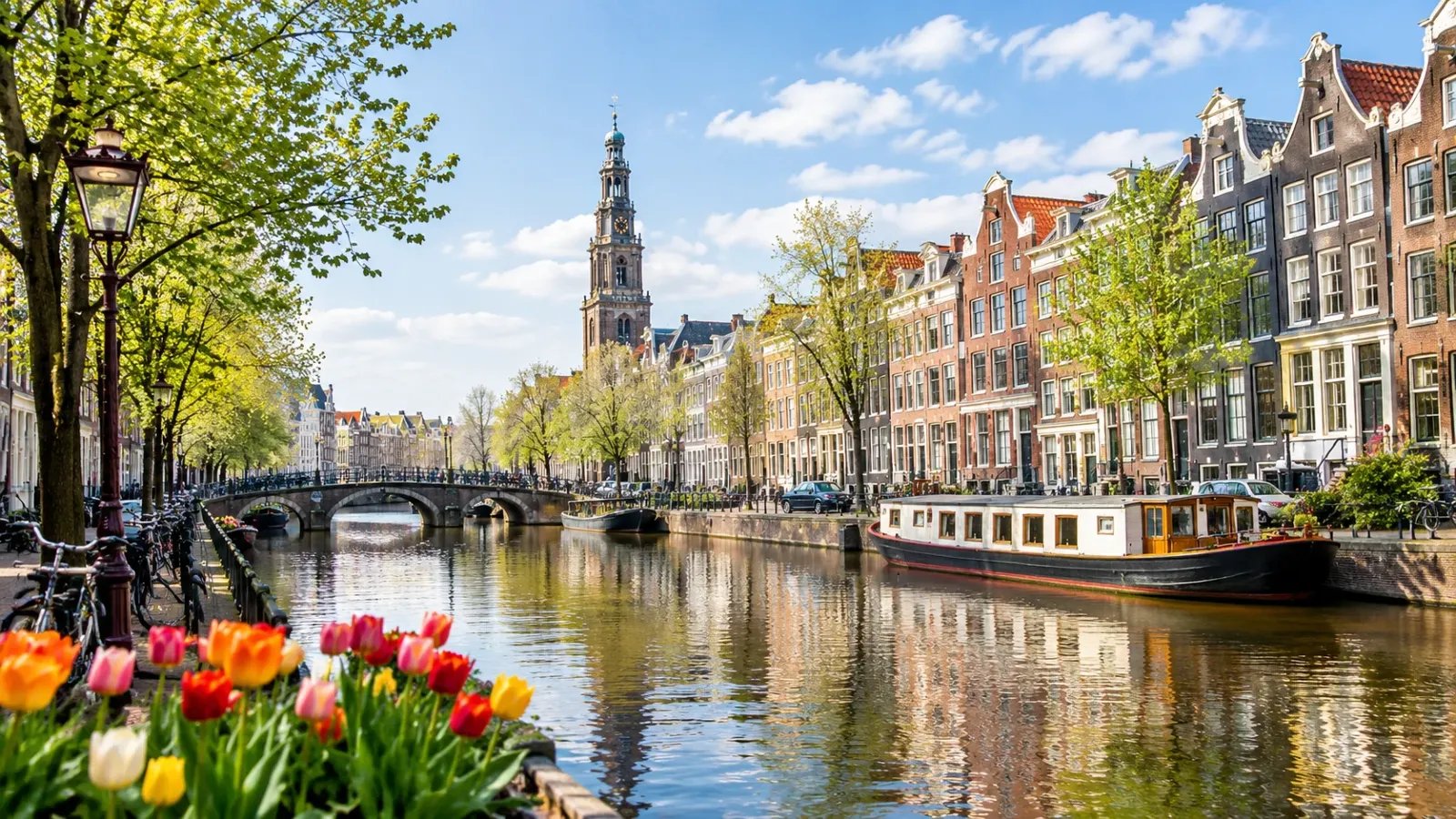
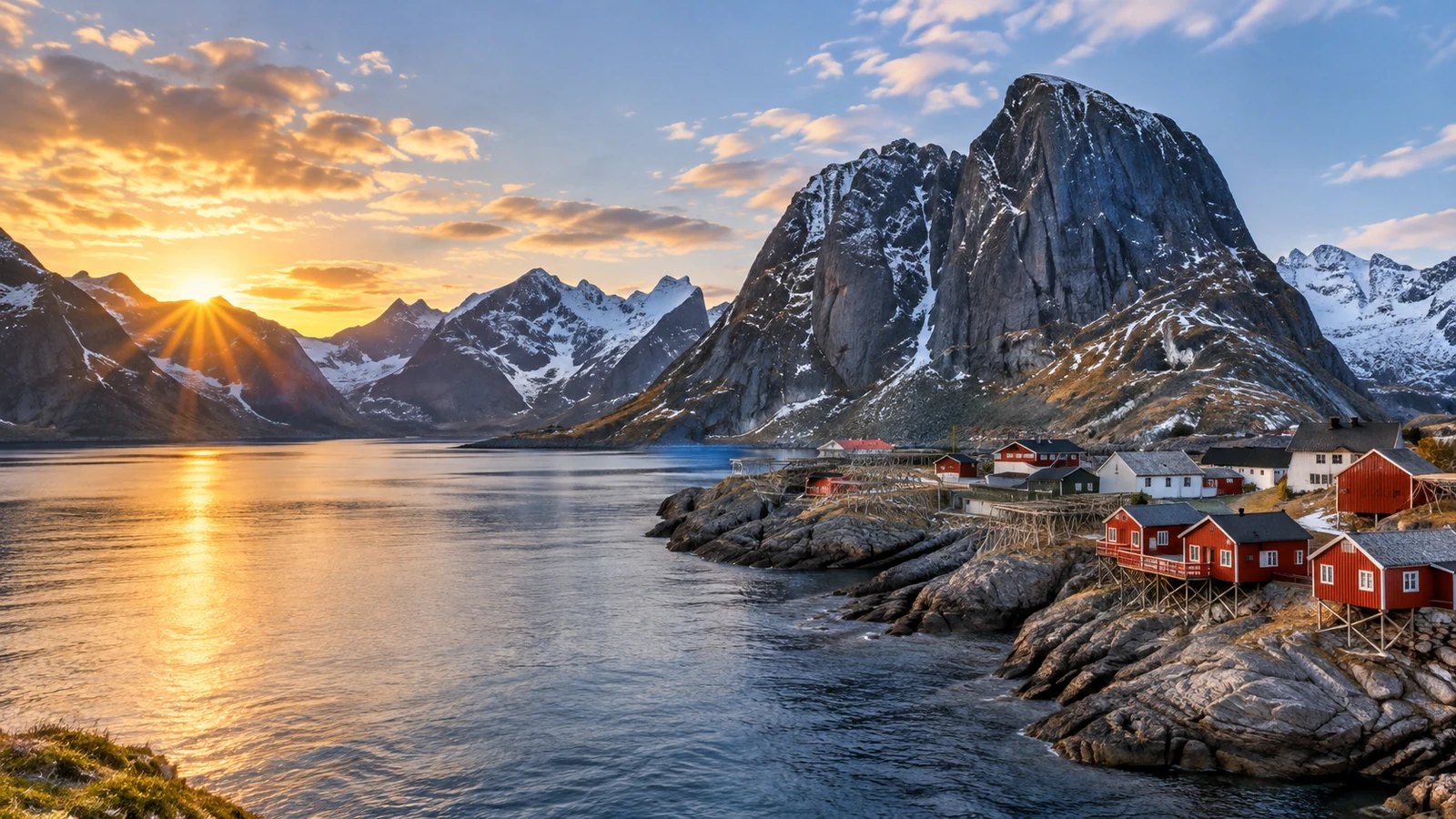
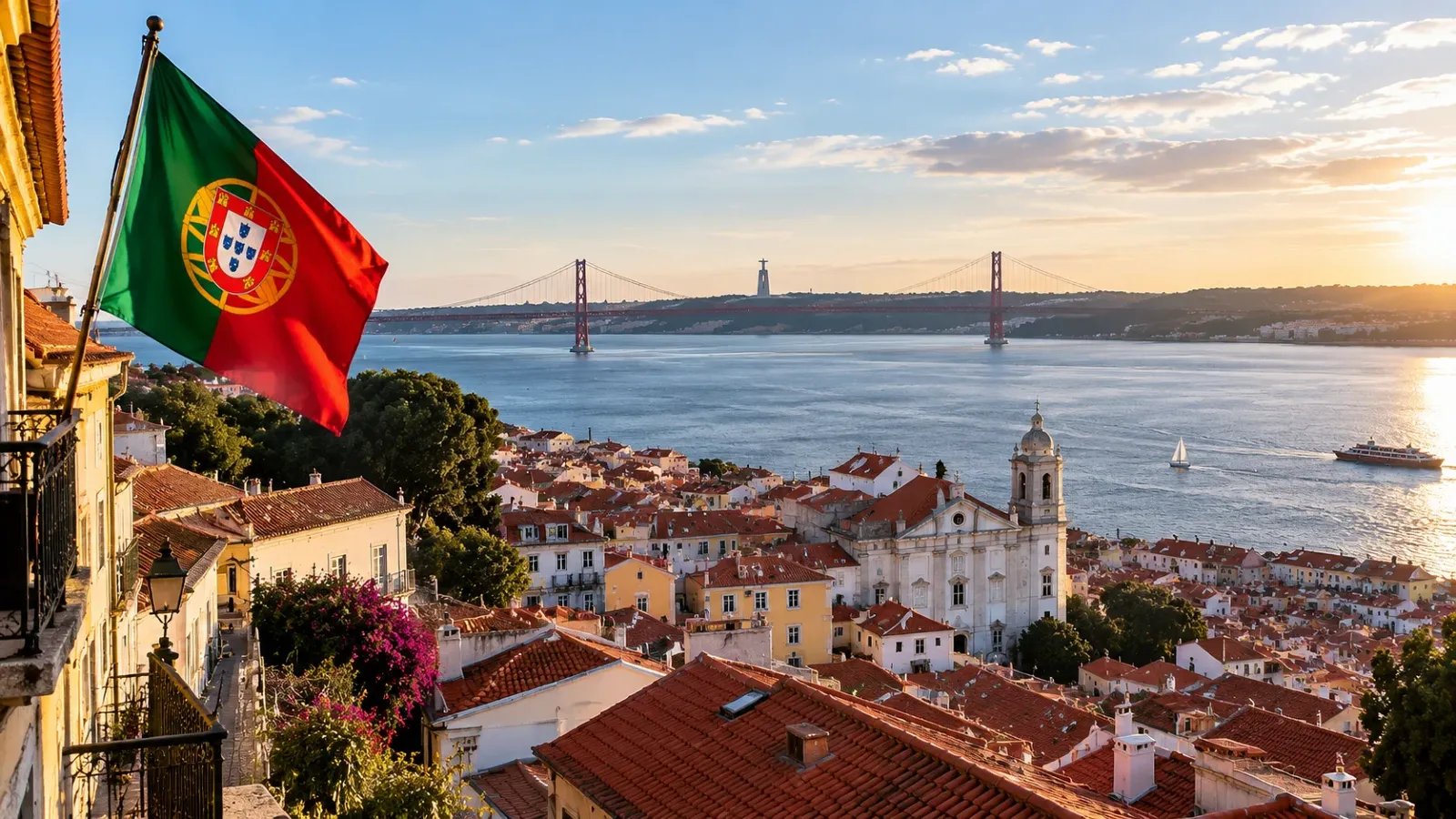
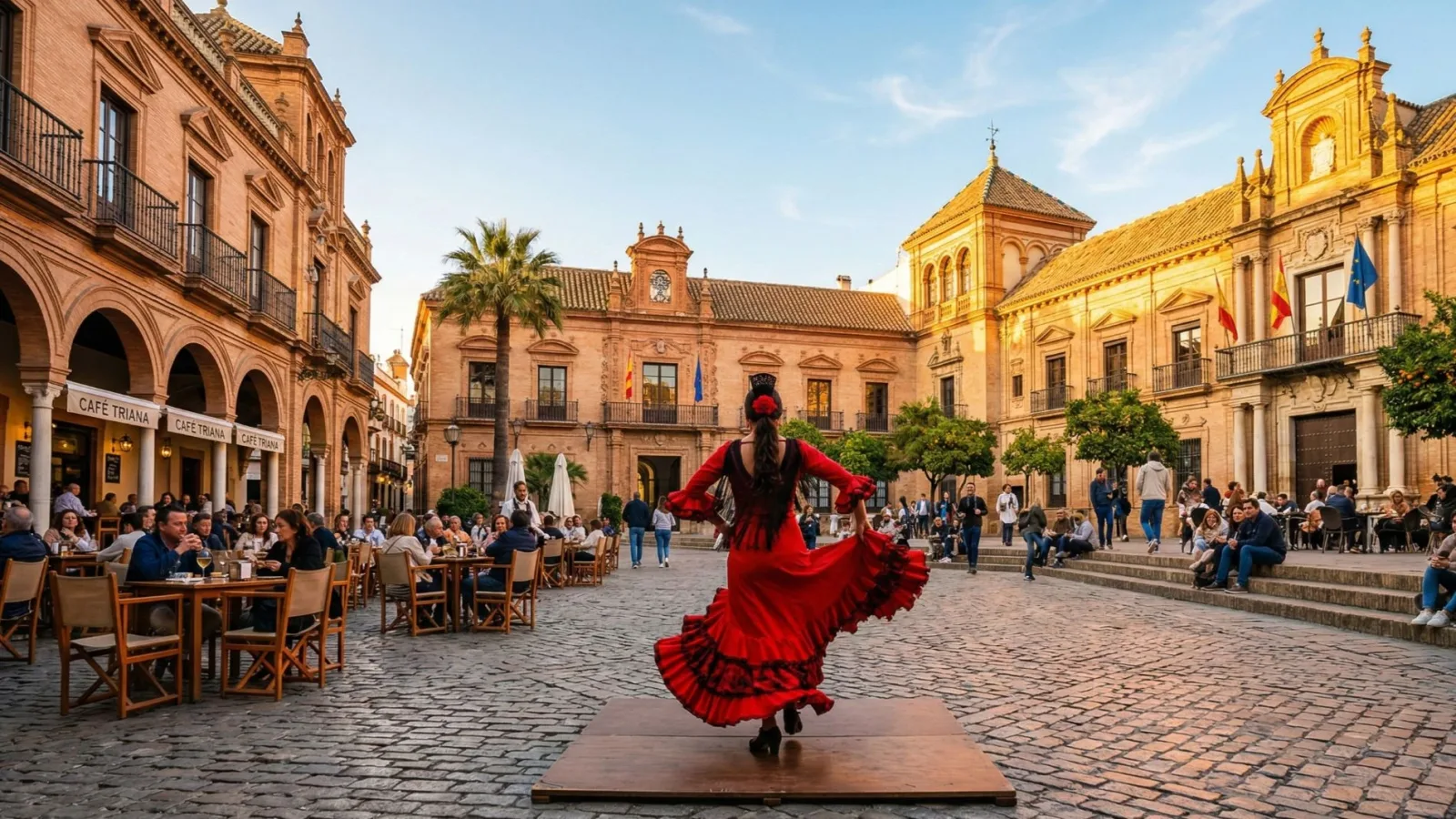
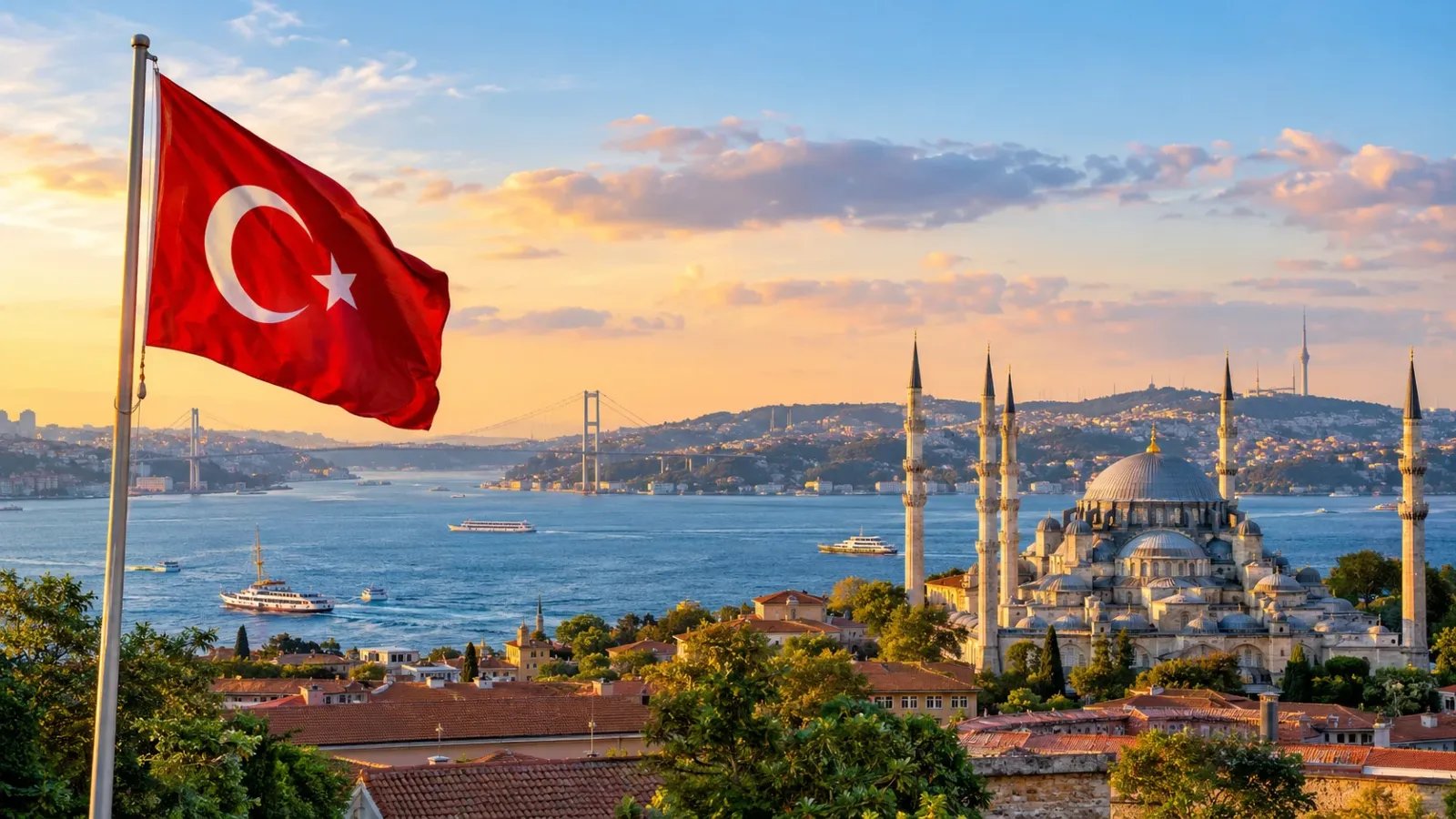
Europe packs dozens of languages, cuisines and histories into a relatively small continent, and every country has stories that surprise even its neighbours. This collection visits thirteen of them: the big Western European nations France, Germany and Spain, the Atlantic and Mediterranean countries Portugal and Greece, Central Europe's Austria and Czechia, the Nordic and Low Countries Norway and the Netherlands, Croatia on the Adriatic, Türkiye between two continents, and Georgia and Armenia in the Caucasus.
Many everyday things turn out to have European origins you might not expect. The word "robot", the soft contact lens and the sugar cube all came from Czechia, the necktie from Croatian mercenaries, the cuckoo clock from Germany's Black Forest, the cheese slicer from Norway, and salmon sushi from a Norwegian marketing campaign. Tulips reached Europe from the Ottoman world.
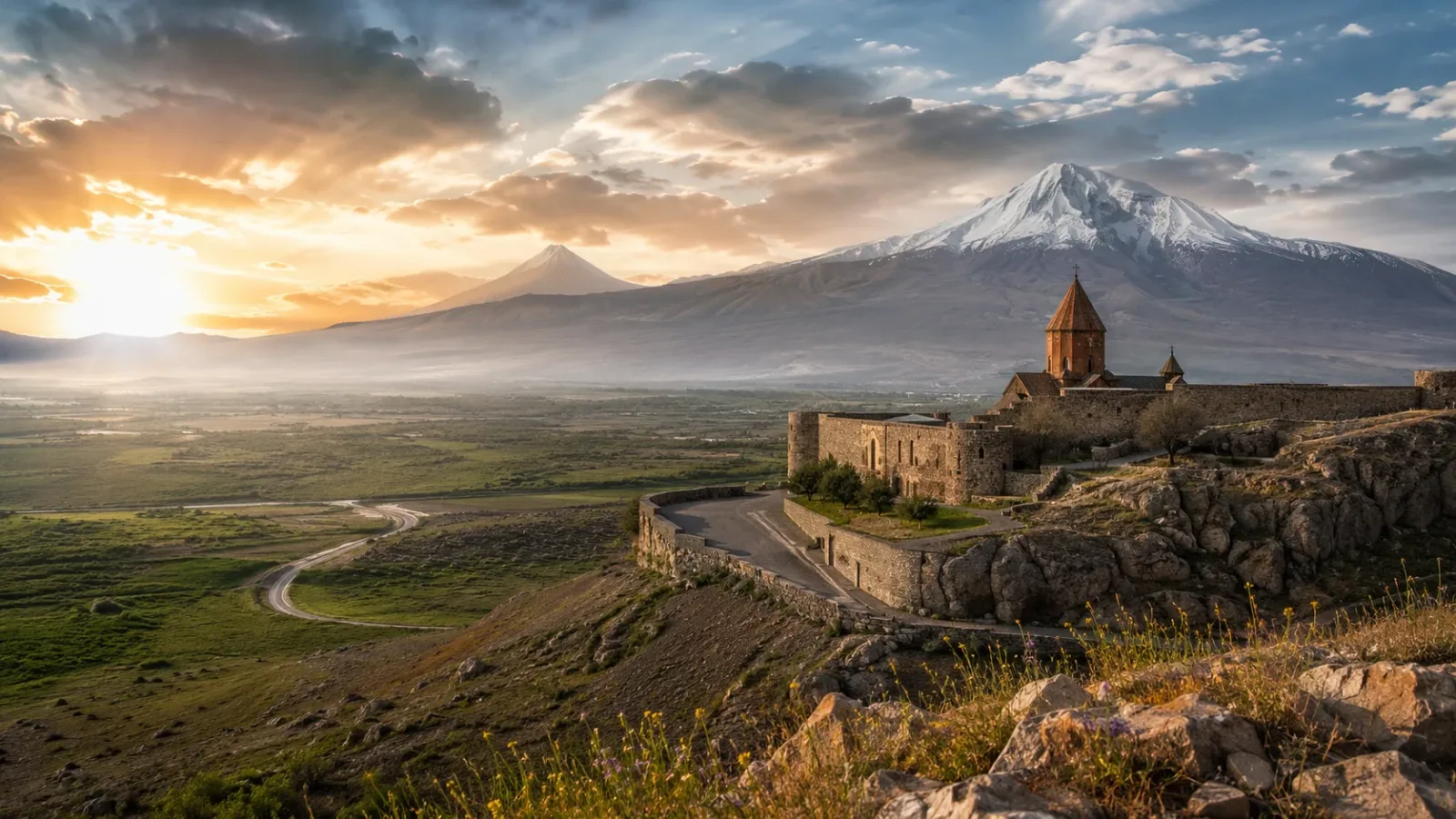
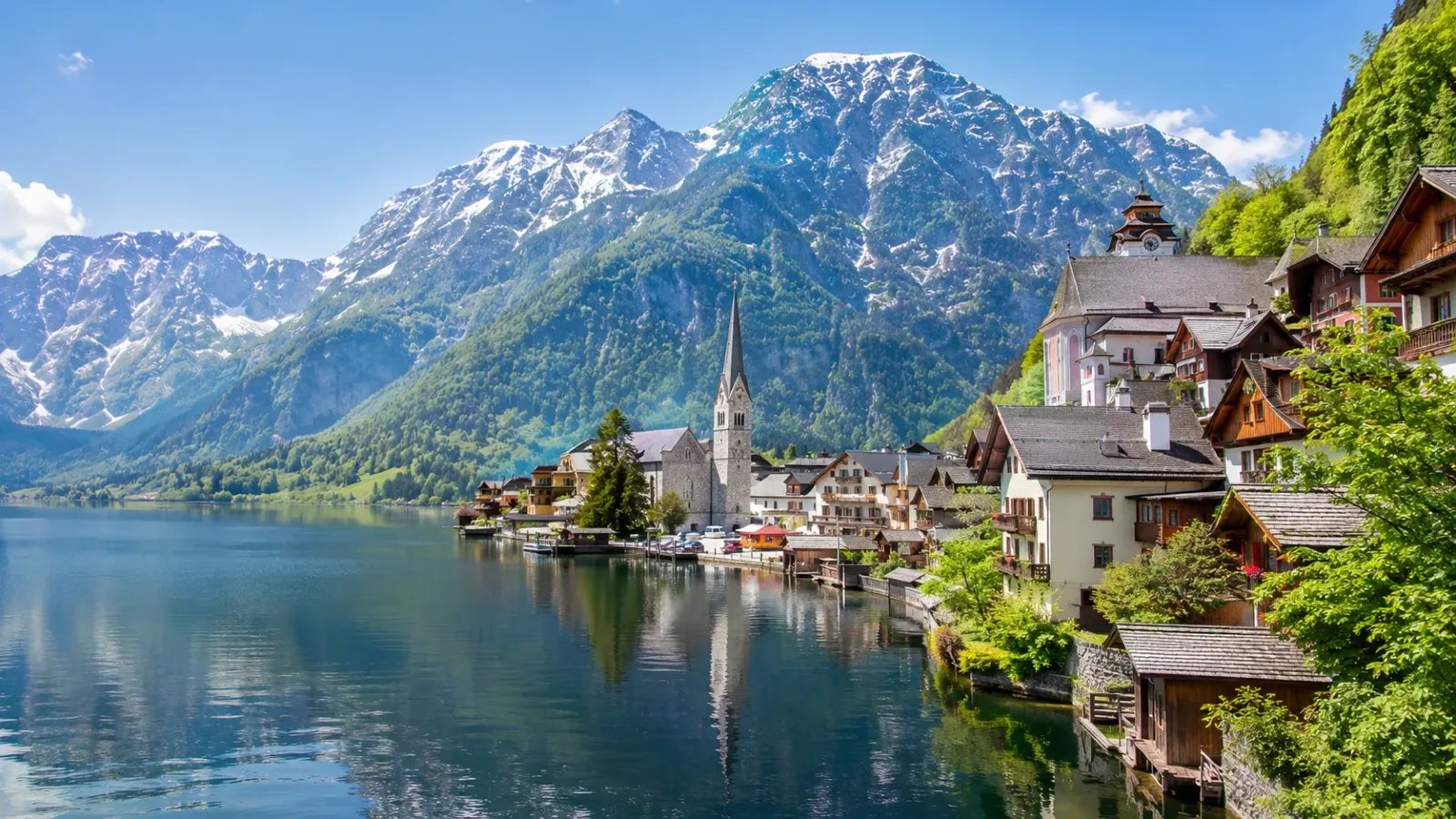
The records are just as varied. France is the most visited country on Earth, Spain produces more than 40 percent of the world's olive oil, Portugal about half of its cork, and about a quarter of the Netherlands lies below sea level. Armenia was the first country to adopt Christianity, Georgia is the cradle of wine, Croatia has the world's smallest town, and Austria has the world's largest ice cave.
From Germany's 1516 beer purity law to Spain's lyric-free national anthem and Türkiye's 2022 name change, the articles below are full of surprises. Choose a country to read fifteen facts about it.