15 Fun Facts
🎲
Animals

Marine and Freshwater Animals

Thirty animals of the sea and rivers, from the largest creature ever to exist to a seahorse dad, each linked to its full 15-fact article.

Updated November 1, 2026 · 30 items · 450 facts in the linked articles · Reading time 10 min

Water covers most of the planet, and the animals living in it have solved the same problems as land animals in strikingly different ways. This collection brings together thirty of them, from the blue whale, the largest animal ever to exist, to the seahorse, whose males are the ones that give birth.

Look closely and the anatomy gets strange. Octopuses carry three hearts and copper-based blue blood, and lobsters, horseshoe crabs and giant squid have blue blood too. A sperm whale's brain is the largest in Earth's history, and many of these animals sleep differently from us: dolphins, orcas, seals and blue whales rest with only half of their brain at a time.

Family life in the water is just as unusual. All clownfish are born male and the dominant one becomes the female, seahorse fathers carry the young, and orca pods are guided by post-menopausal matriarchs. Sea lion pups recognize their mother's specific bark, and seal mothers identify their newborns by unique vocal signatures.

The list also covers extremes of survival and travel. Greenland sharks can live for more than 400 years, bowhead whales for over two centuries, and one species of jellyfish is considered biologically immortal. Salmon navigate with a magnetic compass and a sense of smell that dwarfs a dog's, narwhals dive deeper than a mile, and sperm whales can hold their breath for up to ninety minutes.

Not everything here is what its name suggests. Orcas and killer whales are dolphins, horseshoe crabs are not crabs, cuttlefish are not fish, and jellyfish are not fish at all. Dive into the articles below to find out how each of these animals really lives.

The short version

Every item on this page, with the one fact most people get wrong about it.

Name Where you'll meet it The fact worth knowing
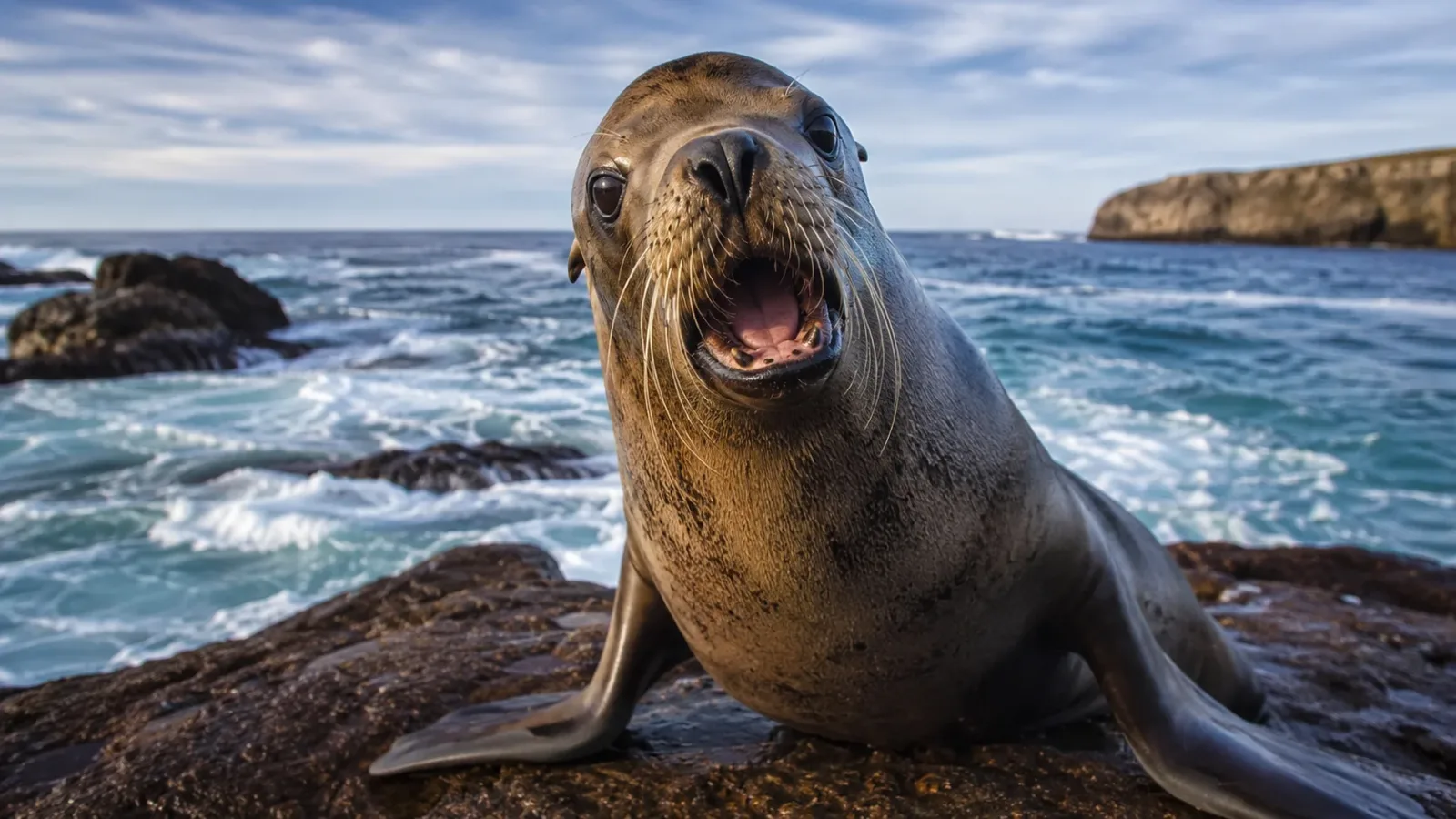
Sea Lions Pacific Coasts, Mammal They are "eared seals" that can gallop on land.
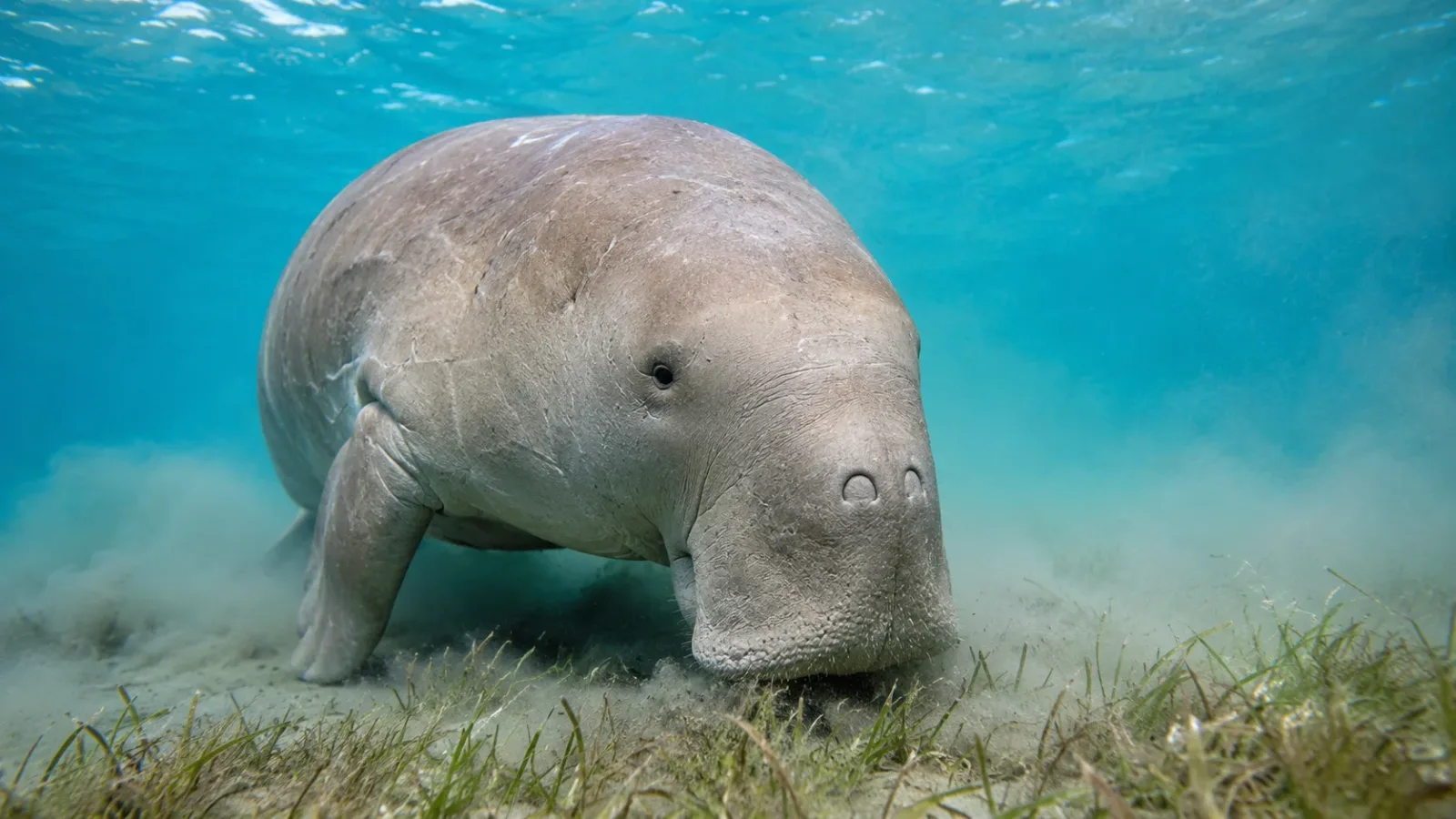
Dugongs Indo-Pacific Coasts, Mammal They are thought to be the original inspiration for mermaid legends.
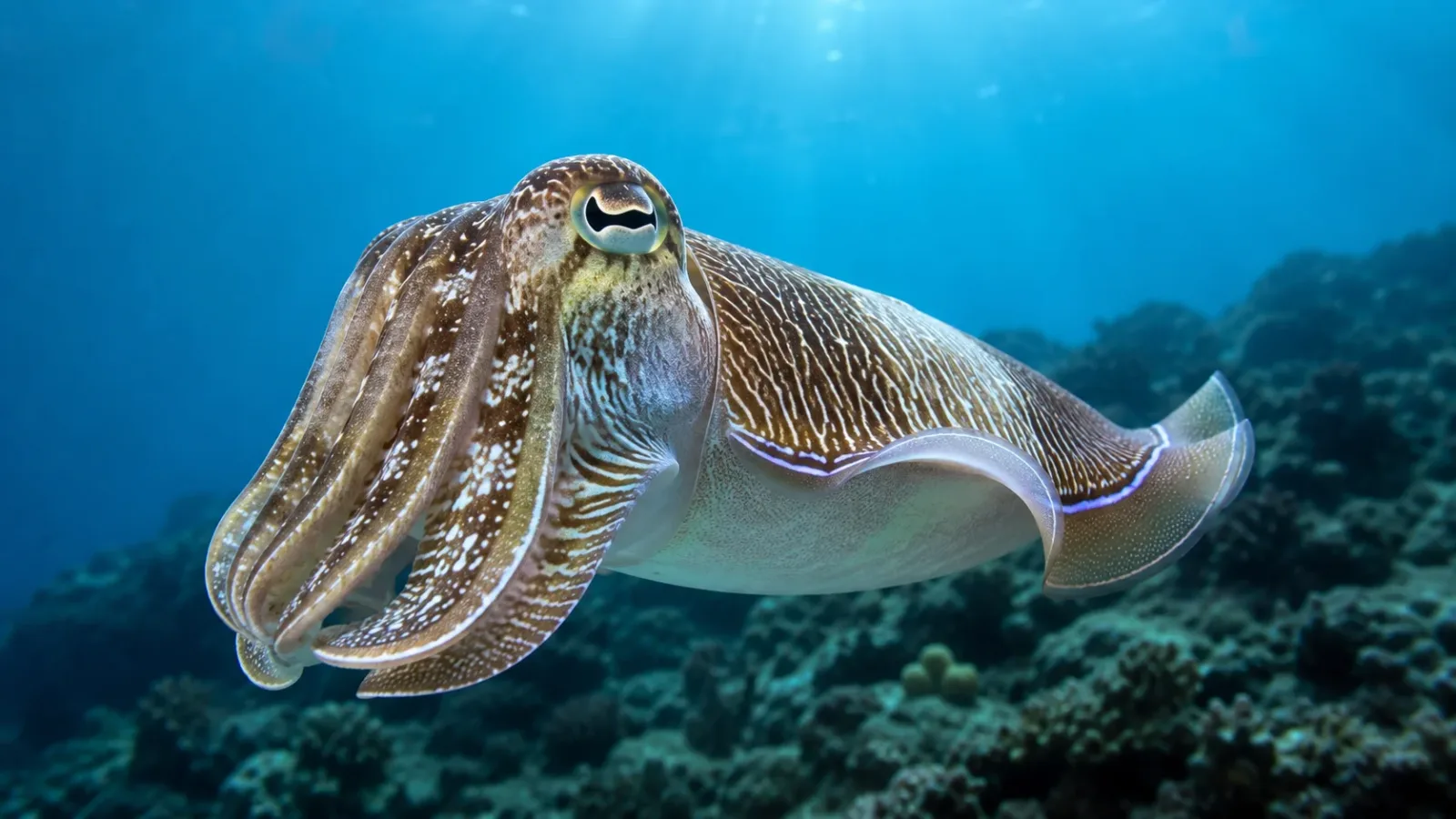
Cuttlefish Coastal Waters, Mollusk Sneaky males can dress up as females to slip past rivals.
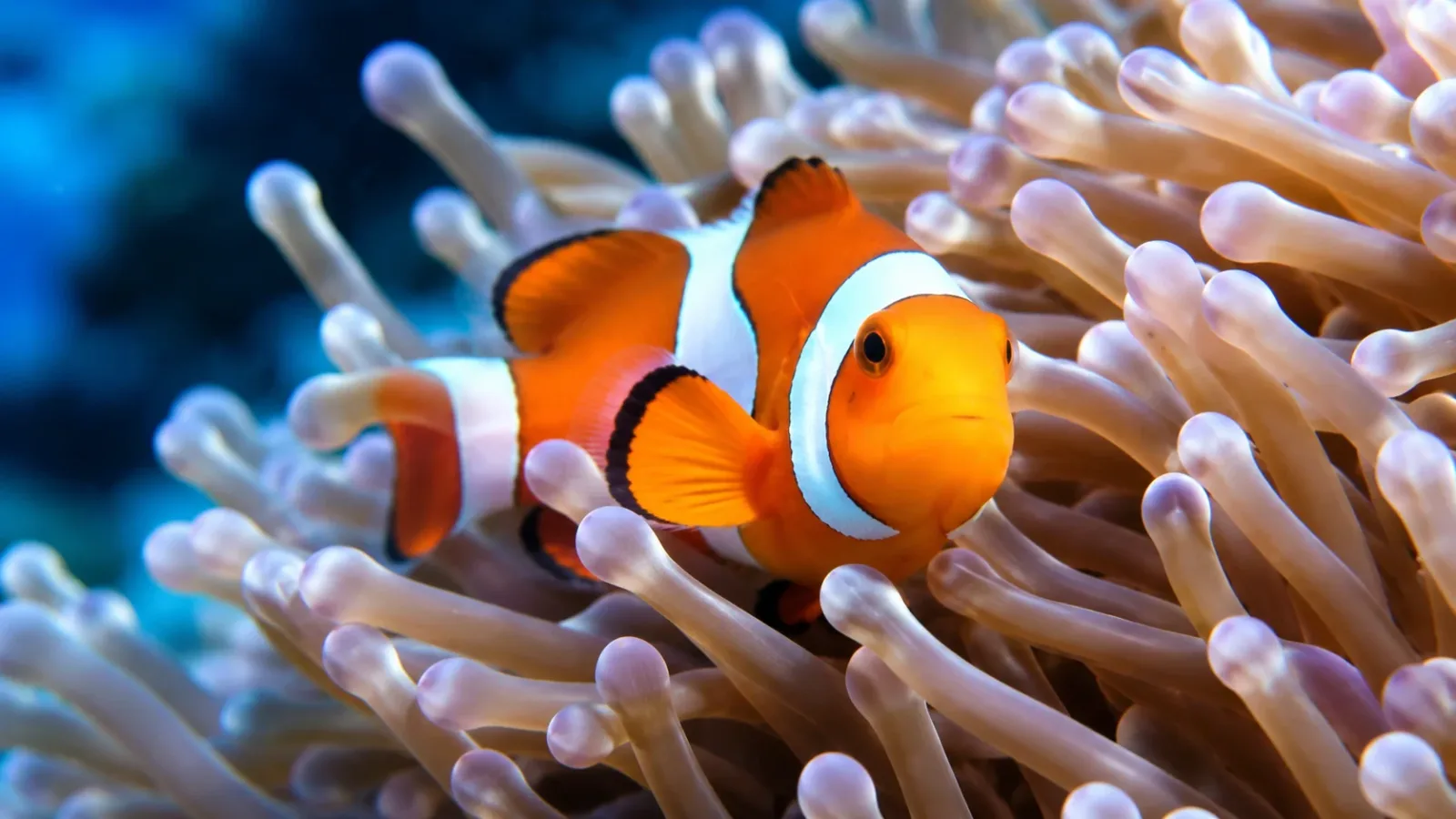
Clownfish Indo-Pacific Reefs, Fish Every clownfish is born male, and the dominant one in a group becomes the female.
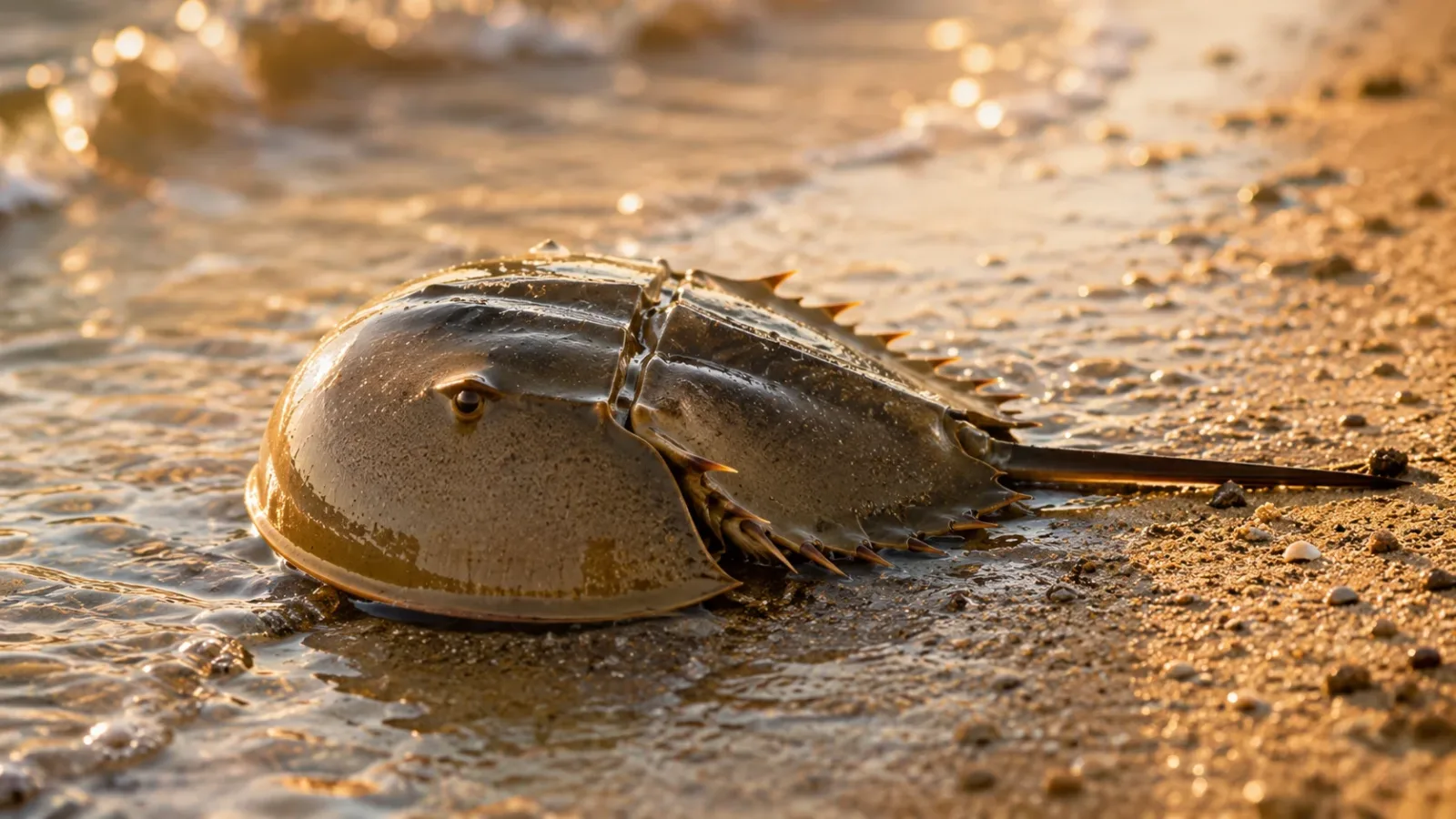
Horseshoe Crabs Atlantic & Asian Shores, Arthropod Their bright blue blood helps keep human medicine safe.
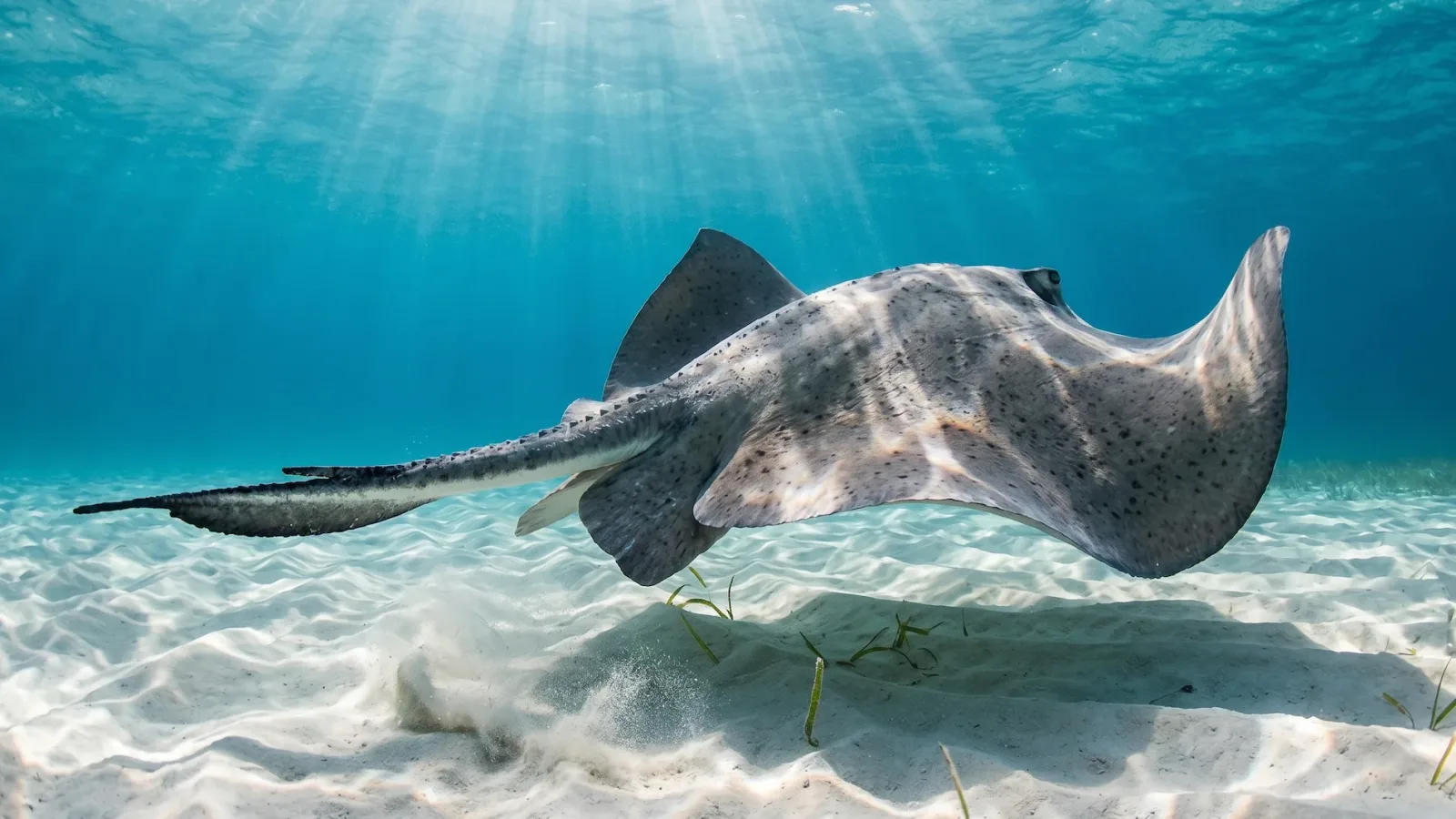
Stingrays Warm Coastal Waters, Fish They are essentially flattened sharks with no bony skeleton.
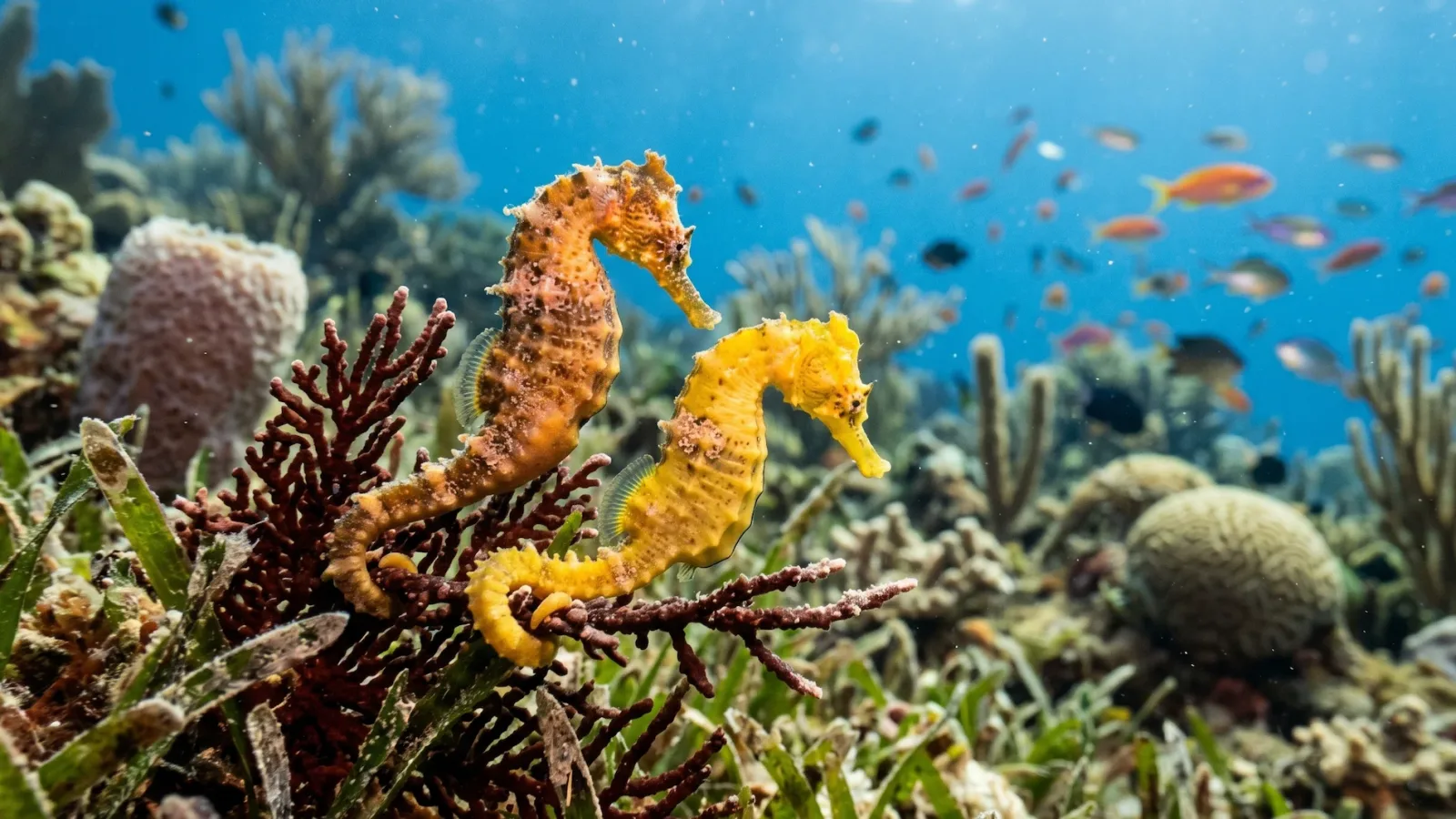
Seahorses Tropical Coasts, Fish They are the only animals where the male gives birth.
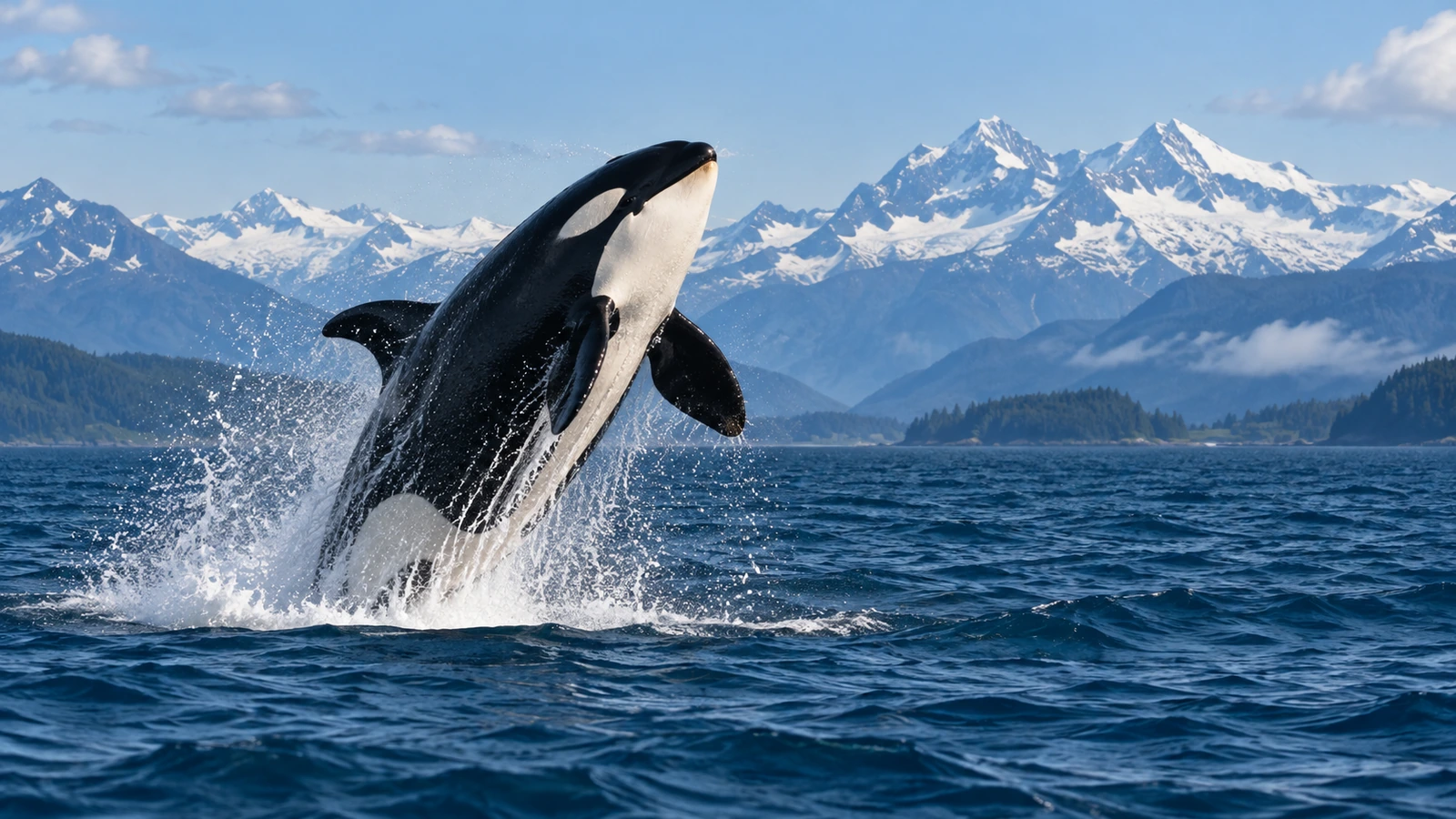
Killer Whales Every Ocean, Mammal Their name comes from a historical translation mix-up.
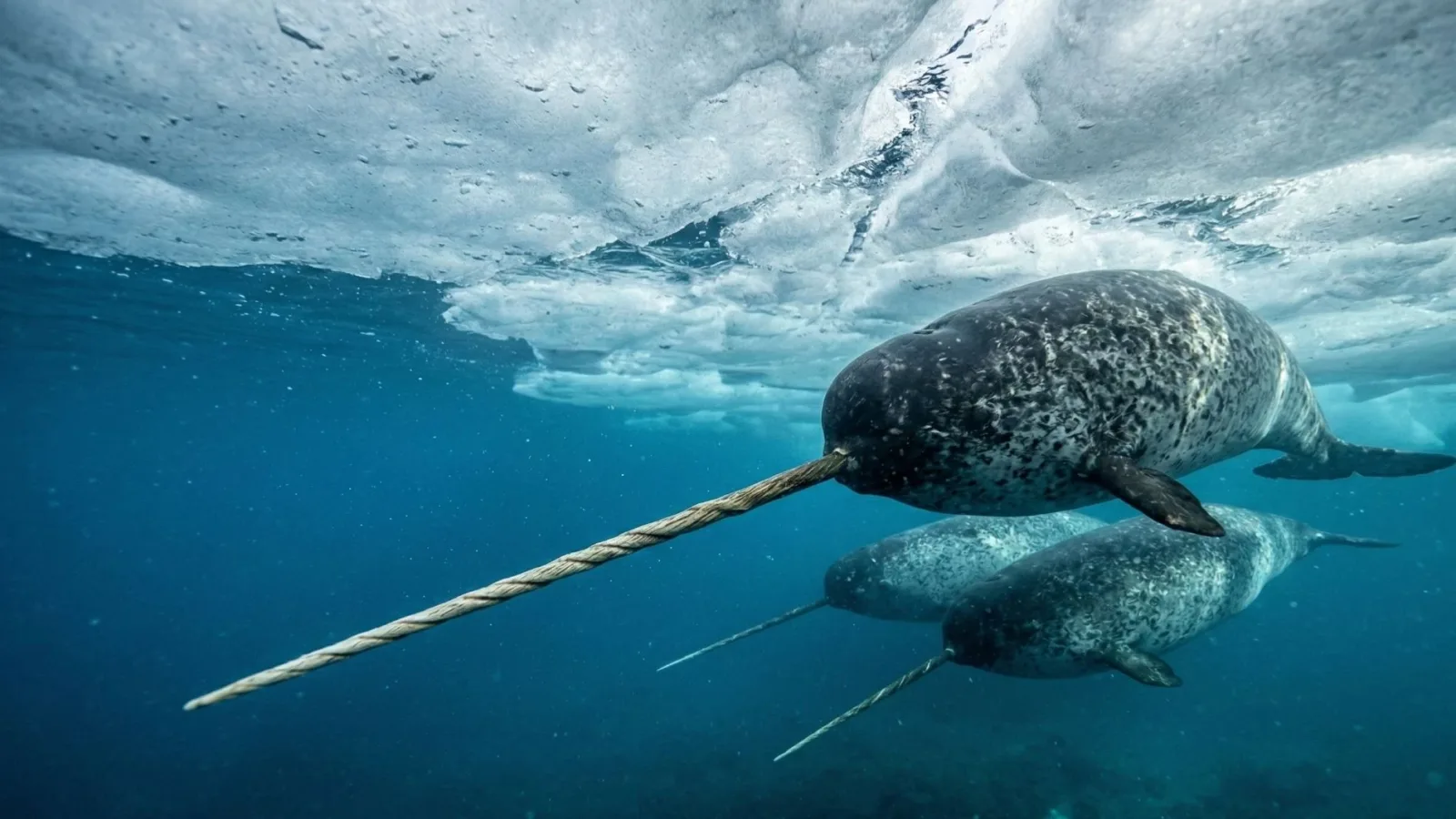
Narwhals Arctic Waters, Mammal The famous tusk is an elongated left canine tooth packed with millions of sensory nerve endings.
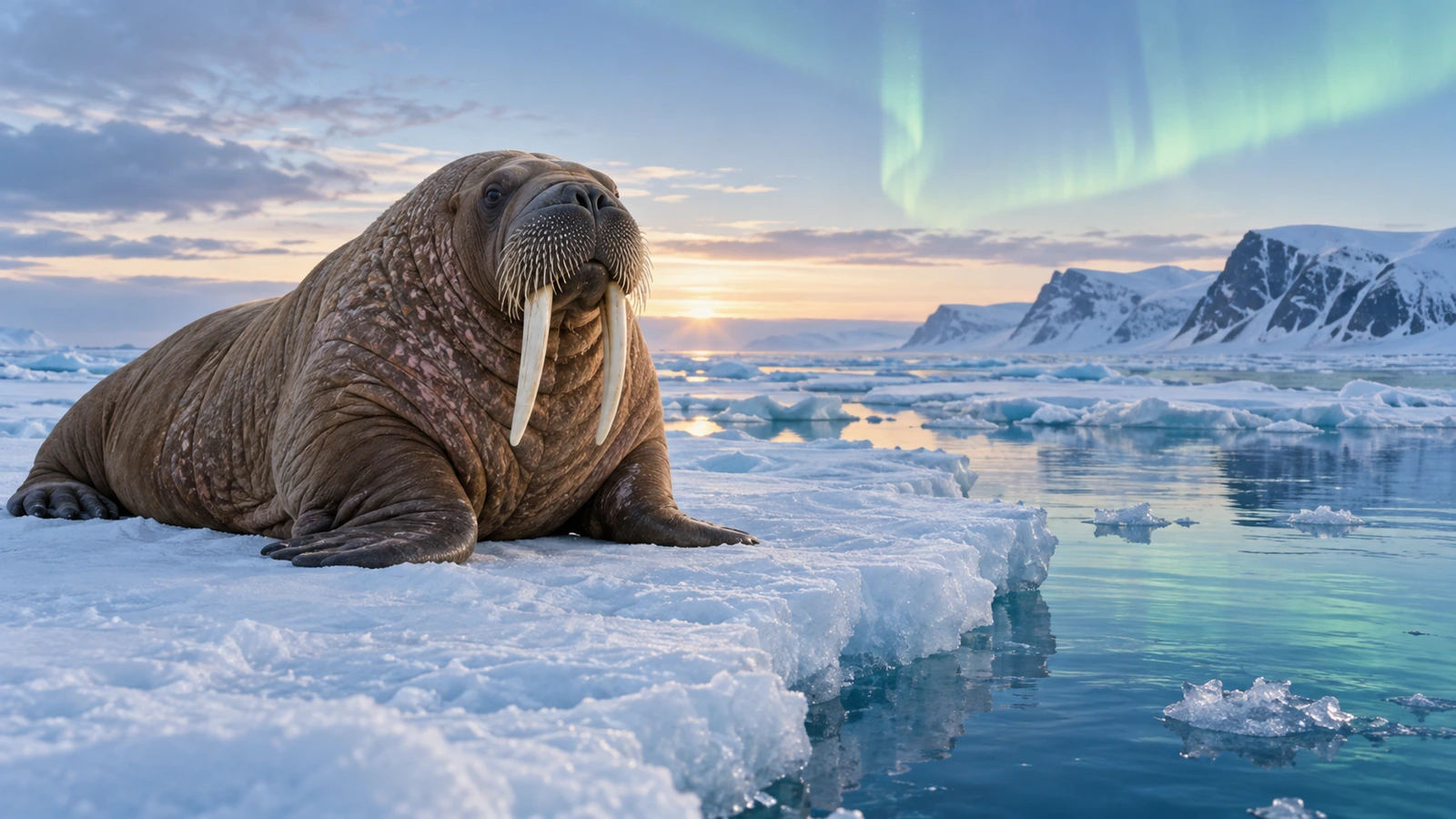
Walruses Arctic Waters, Mammal Built-in neck pouches work like life jackets, letting them sleep afloat at sea.
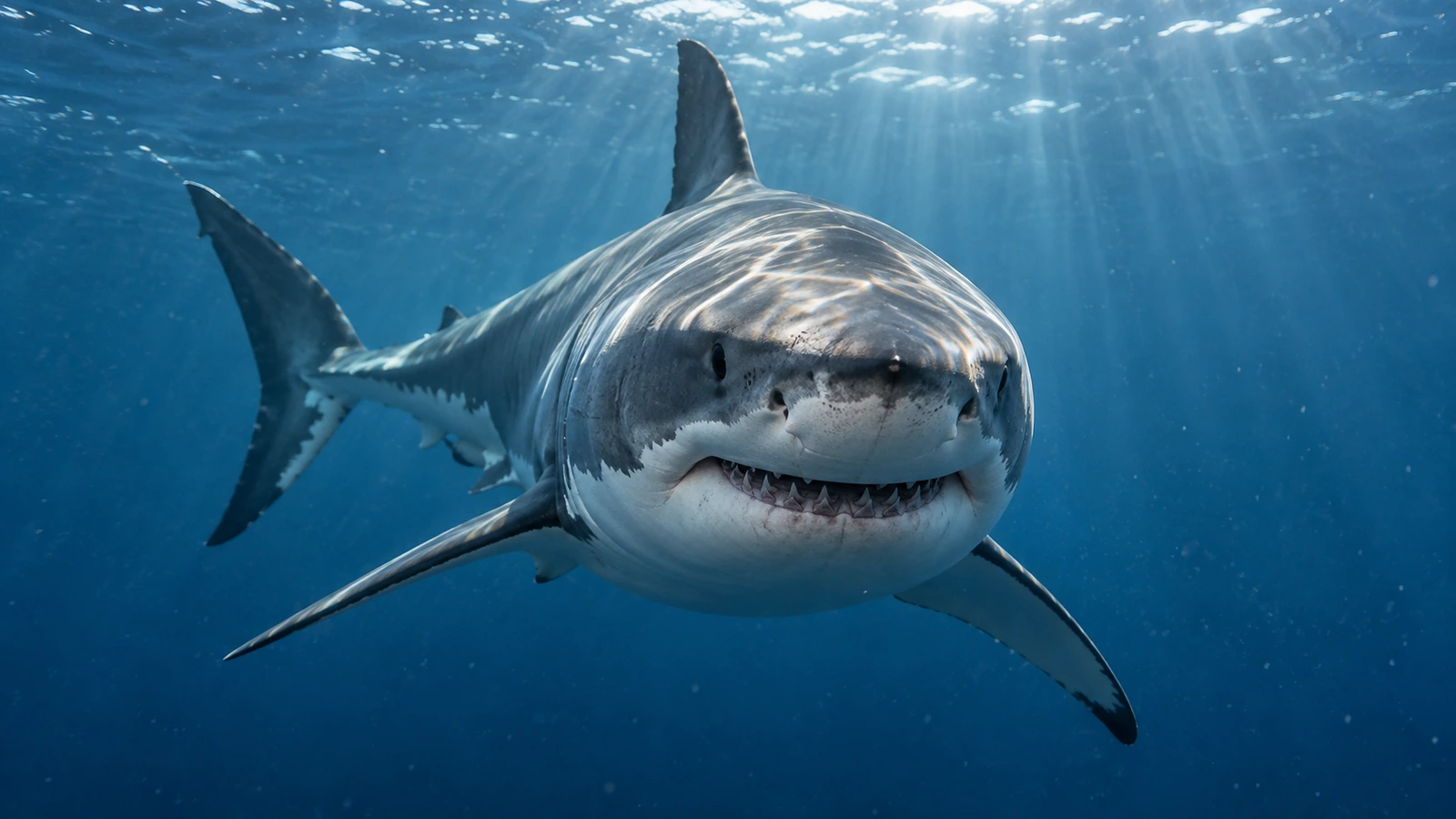
Sharks Every Ocean, Fish Greenland sharks can live for more than 400 years.
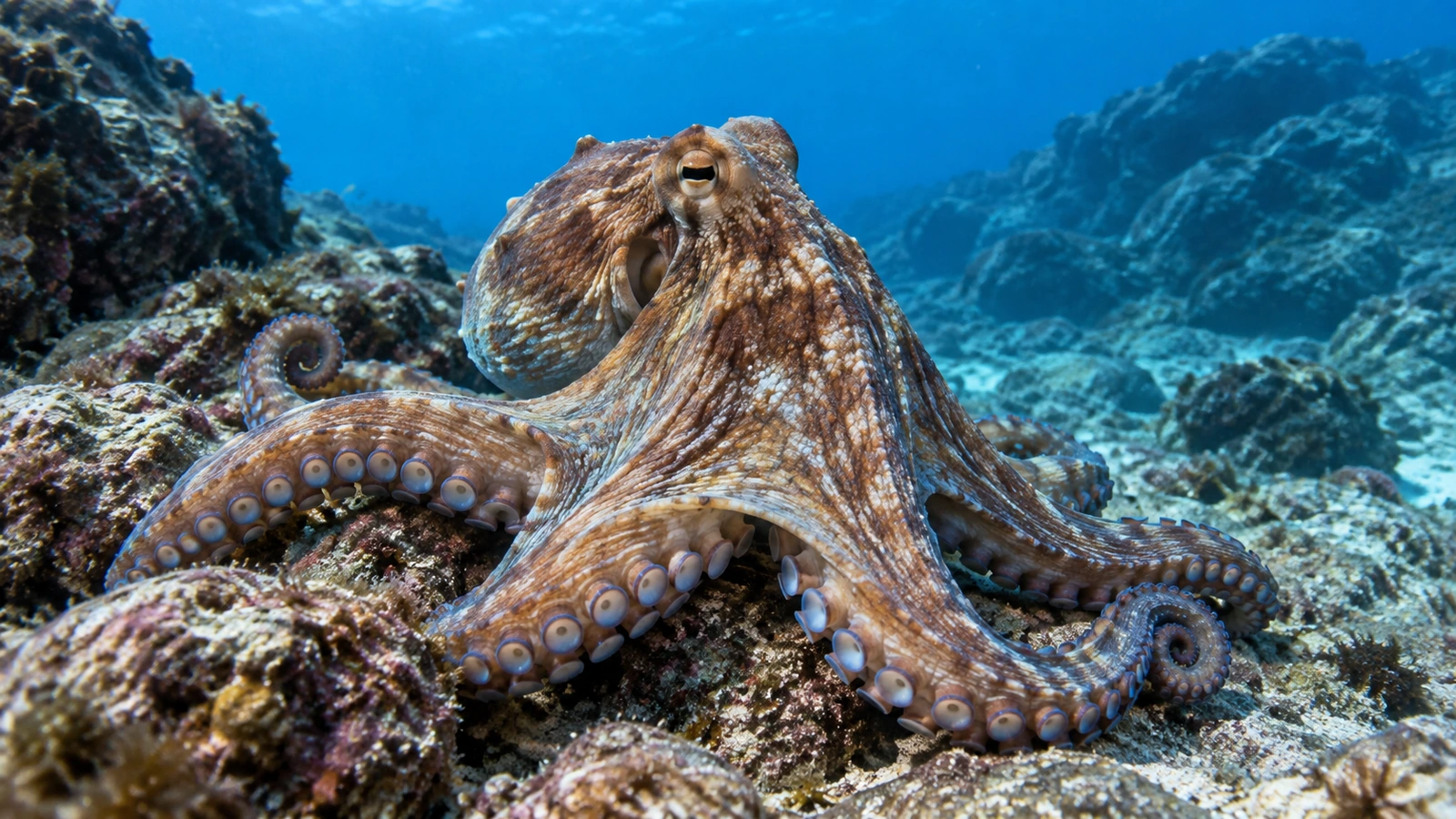
Octopuses Every Ocean, Mollusk They have three hearts, blue blood and a network of nine brains.
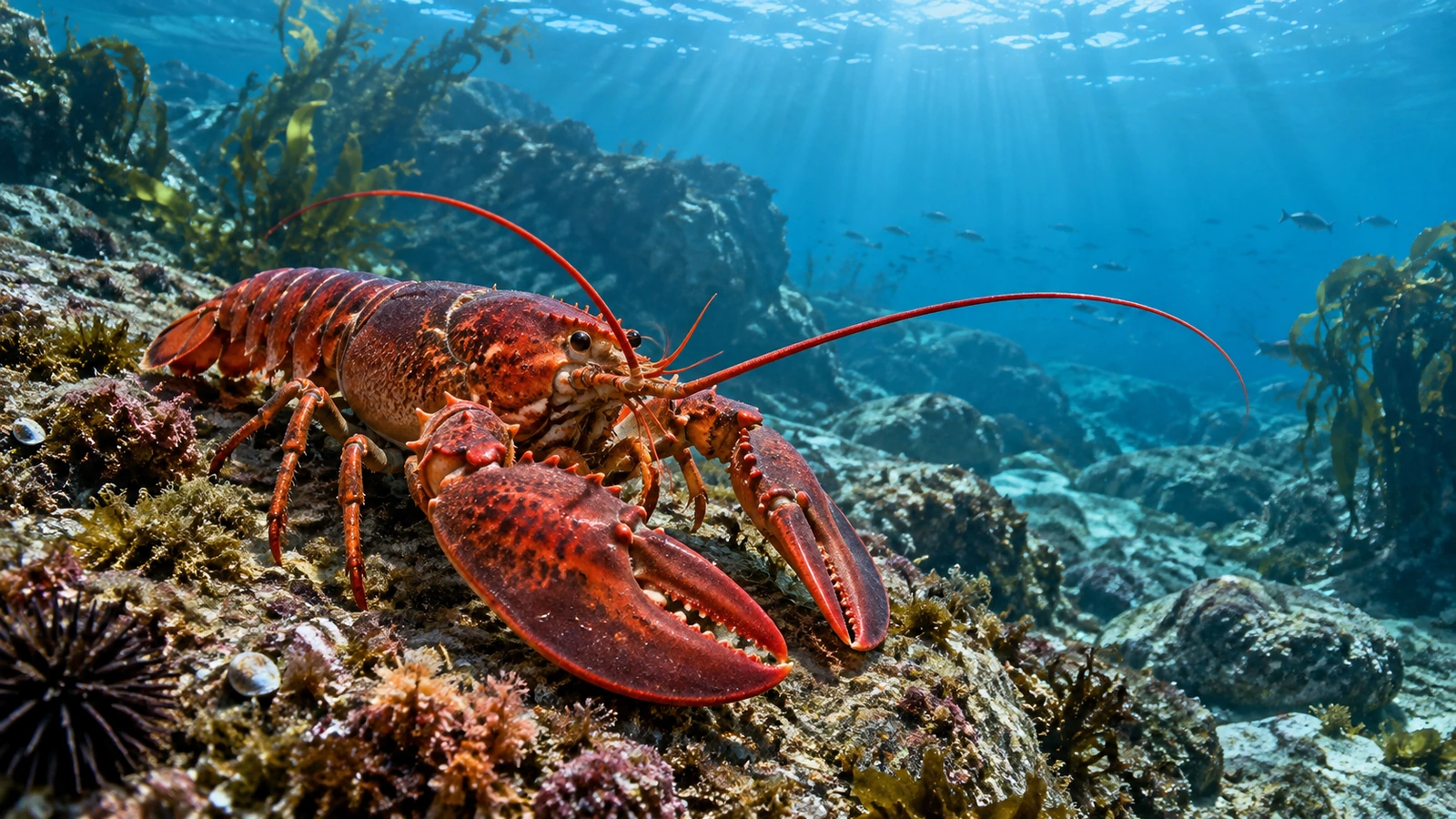
Lobsters Ocean Floors, Crustacean Lobsters communicate by urinating out of their faces.
Whales Every Ocean, Mammal The blue whale is larger than any dinosaur.
Seals Coasts & Polar Seas, Mammal One seal species lives entirely in landlocked fresh water.
Sperm Whales Deep Oceans, Mammal They produce the loudest sound of any animal on Earth.
Blue Whales Every Ocean, Mammal A blue whale's heart can beat as slowly as two times per minute.
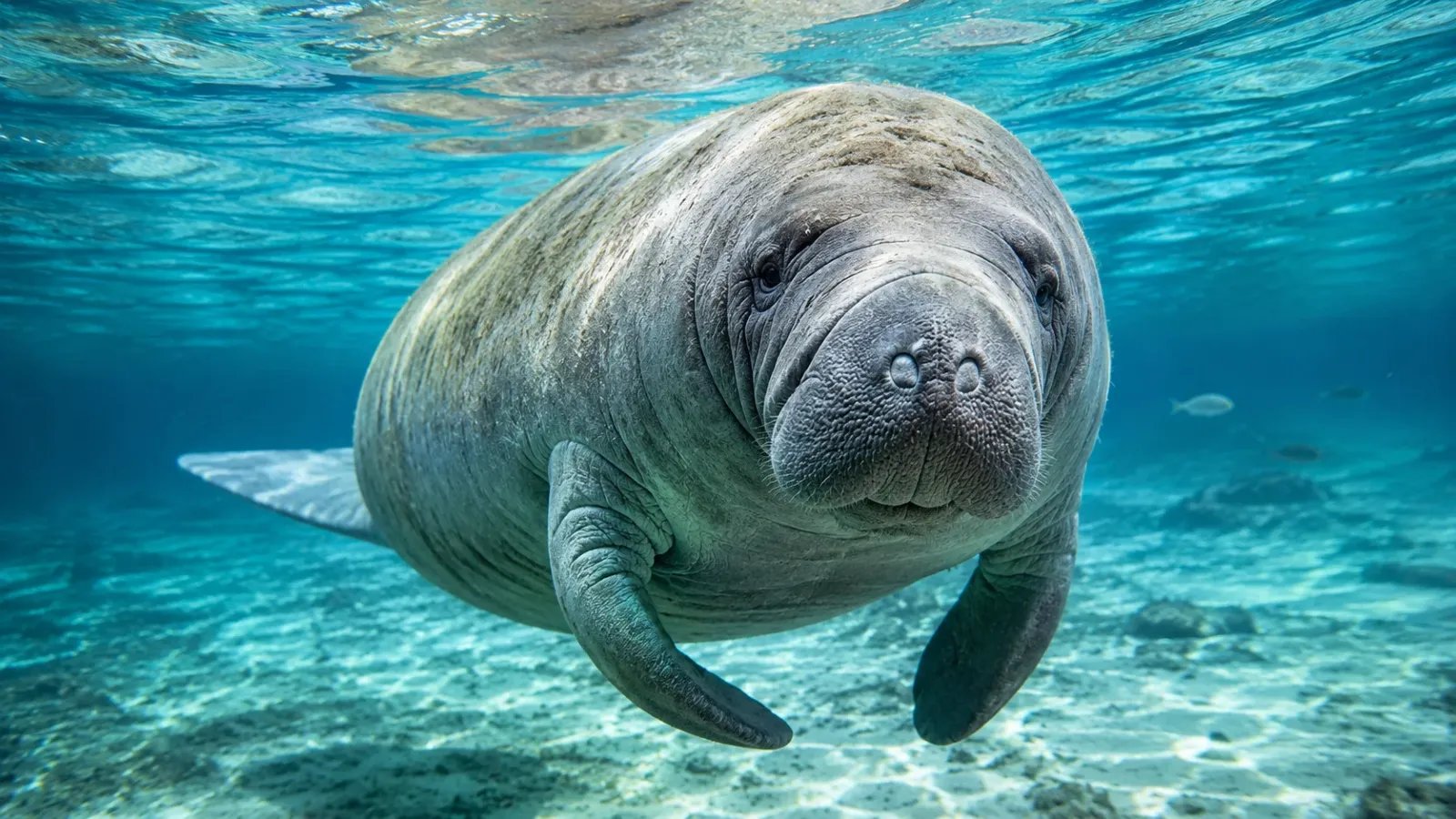
Manatees Atlantic Coasts & Rivers, Mammal Columbus mistook manatees for mermaids on his first voyage.
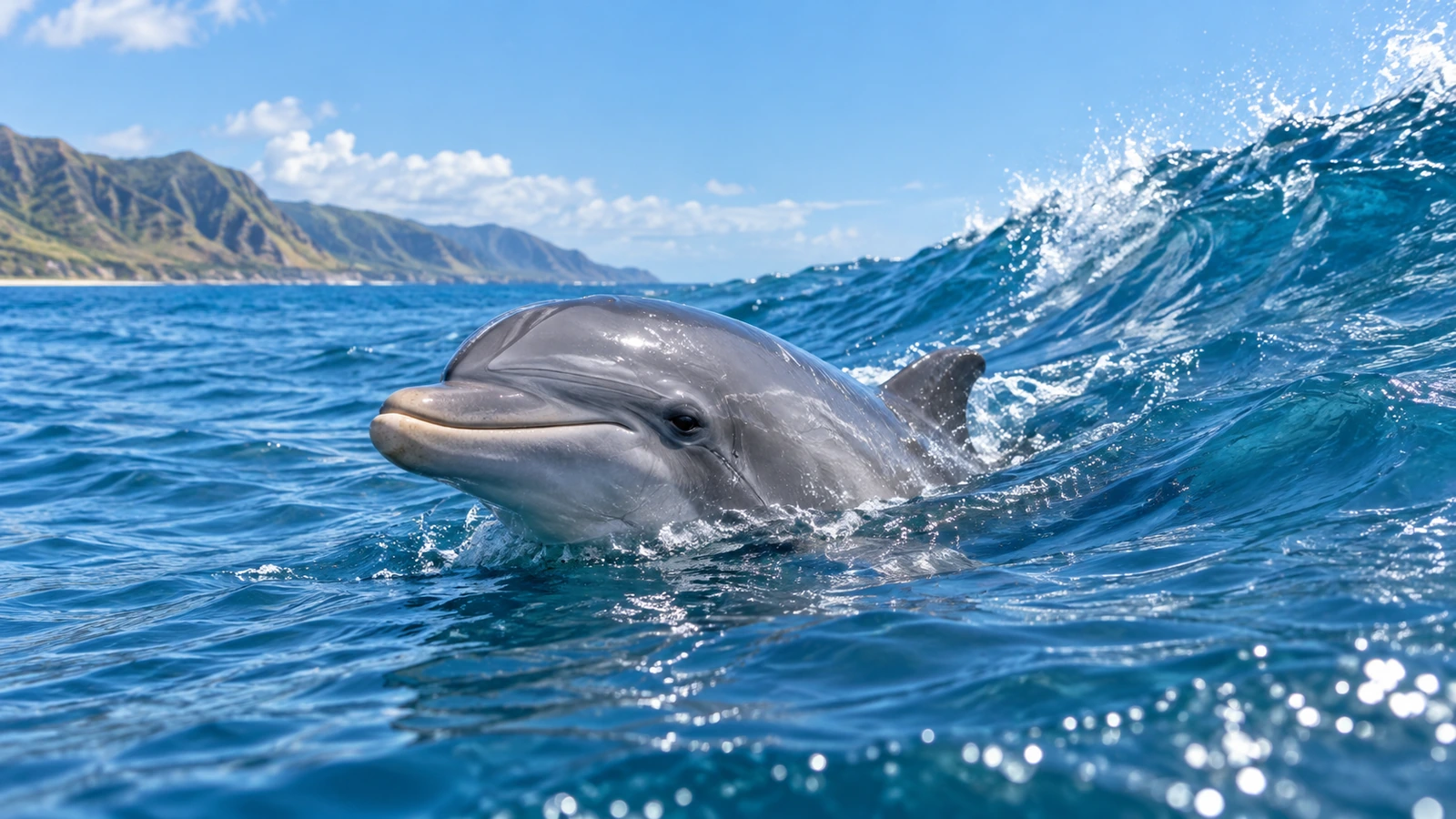
Dolphins Every Ocean & Some Rivers, Mammal Each dolphin has a signature whistle that works like a name.
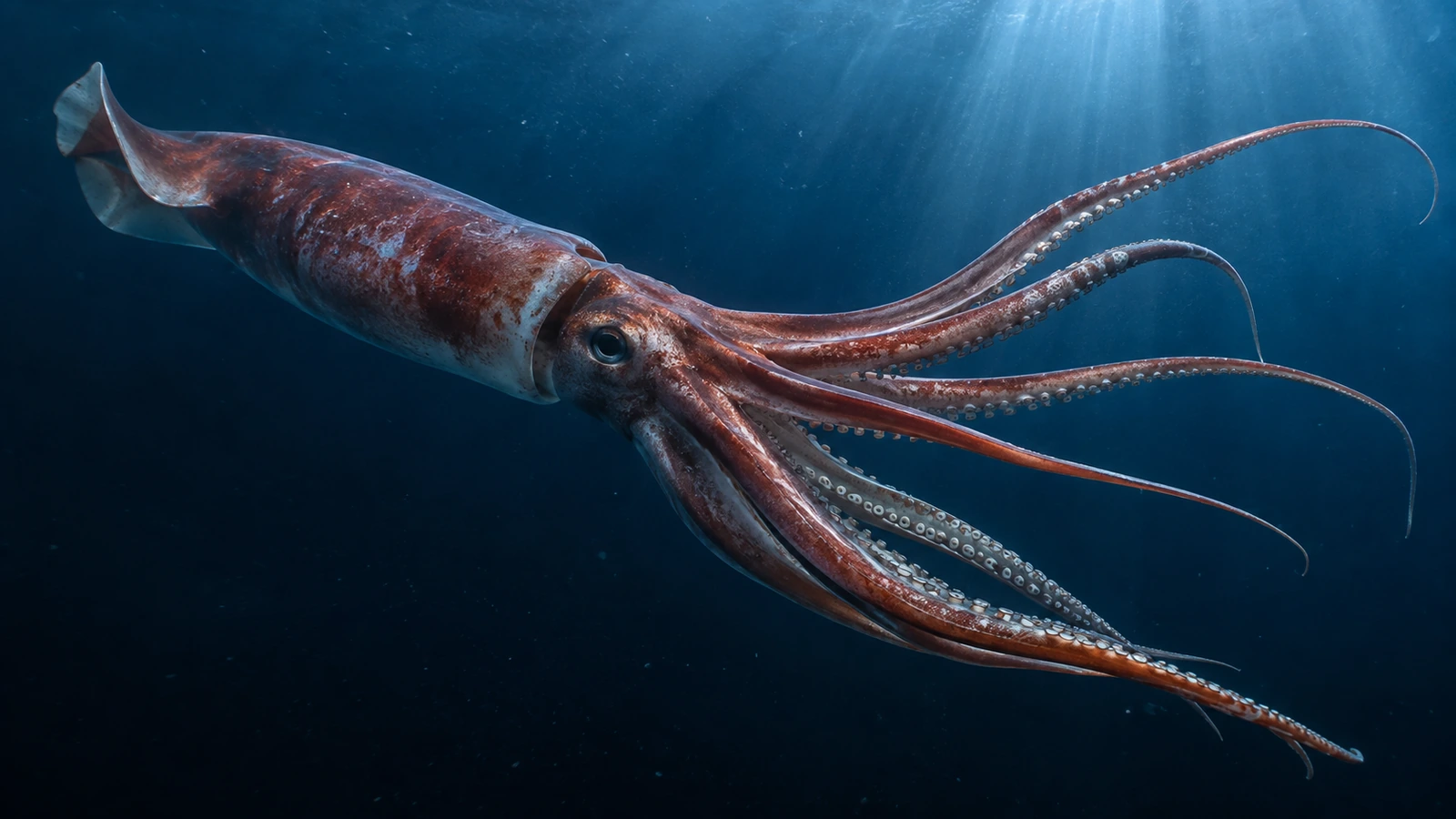
Giant Squids Deep Oceans, Mollusk Their eyes are as big as dinner plates.
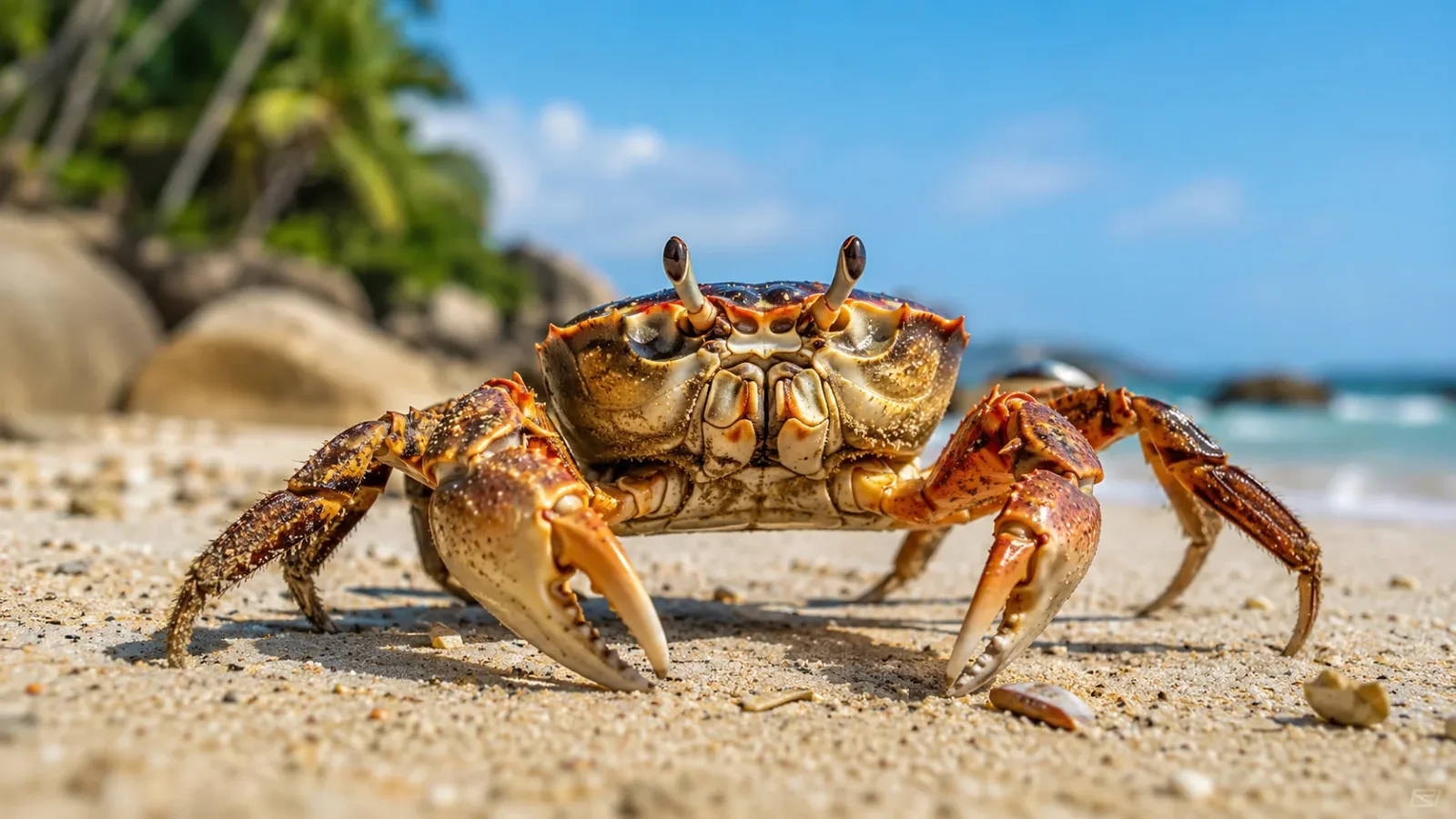
Crabs Every Ocean & Shore, Crustacean Evolution keeps inventing crab-shaped bodies over and over again.
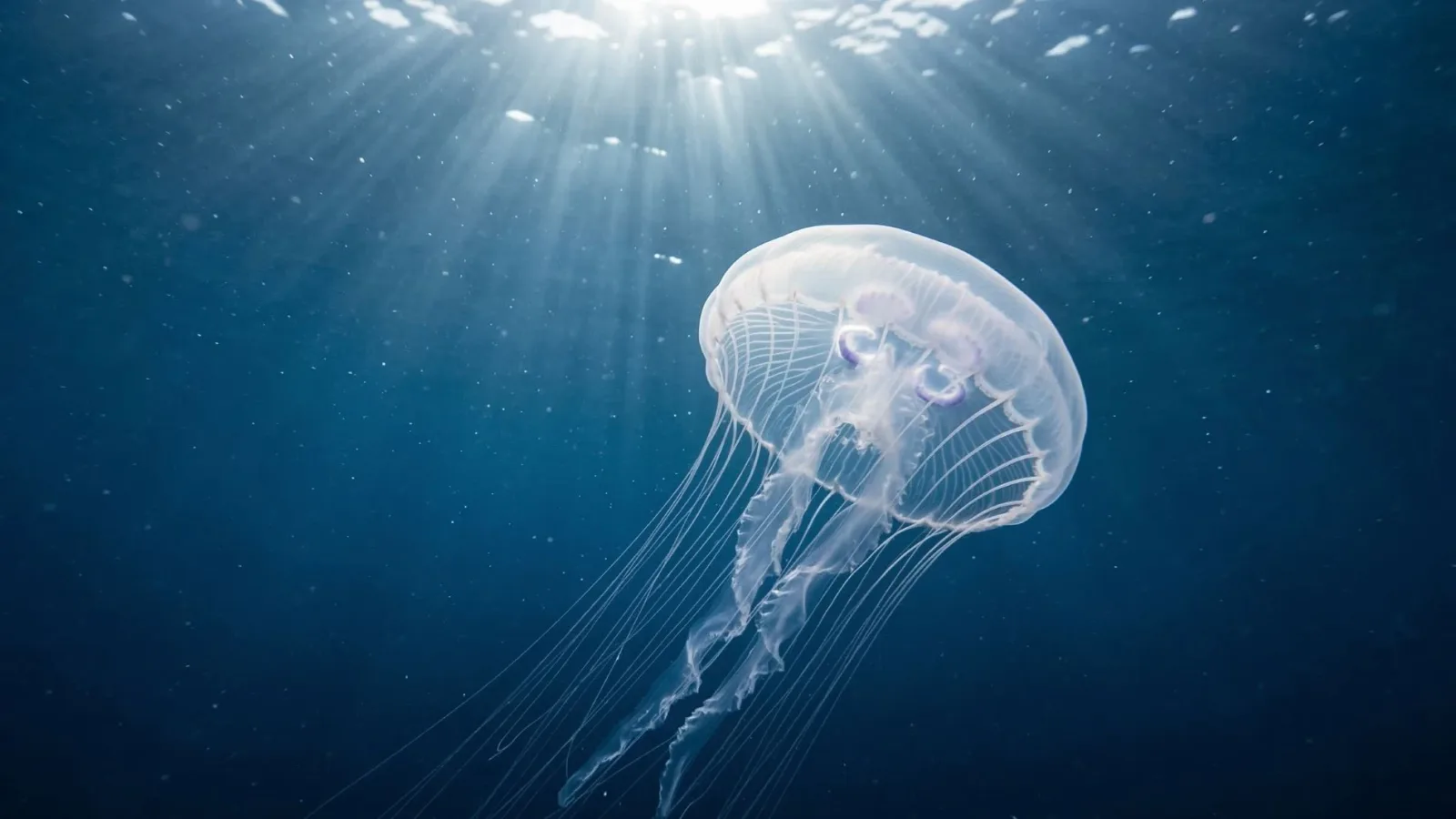
Jellyfish Every Ocean, Cnidarian One species is considered biologically immortal.
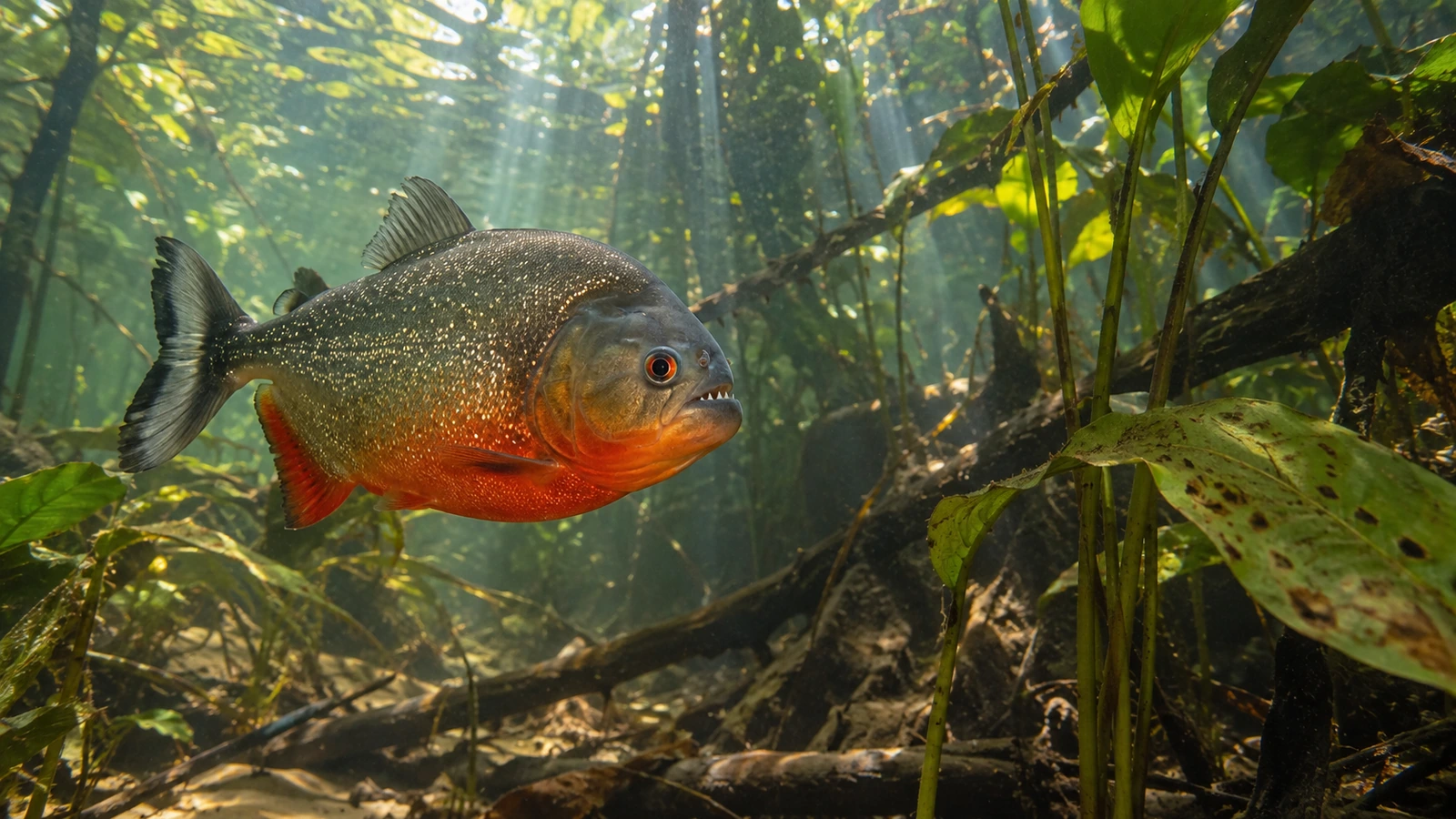
Piranhas Amazon Rivers, Fish Many piranha species are mostly vegetarian, and attacks on humans are extremely rare.
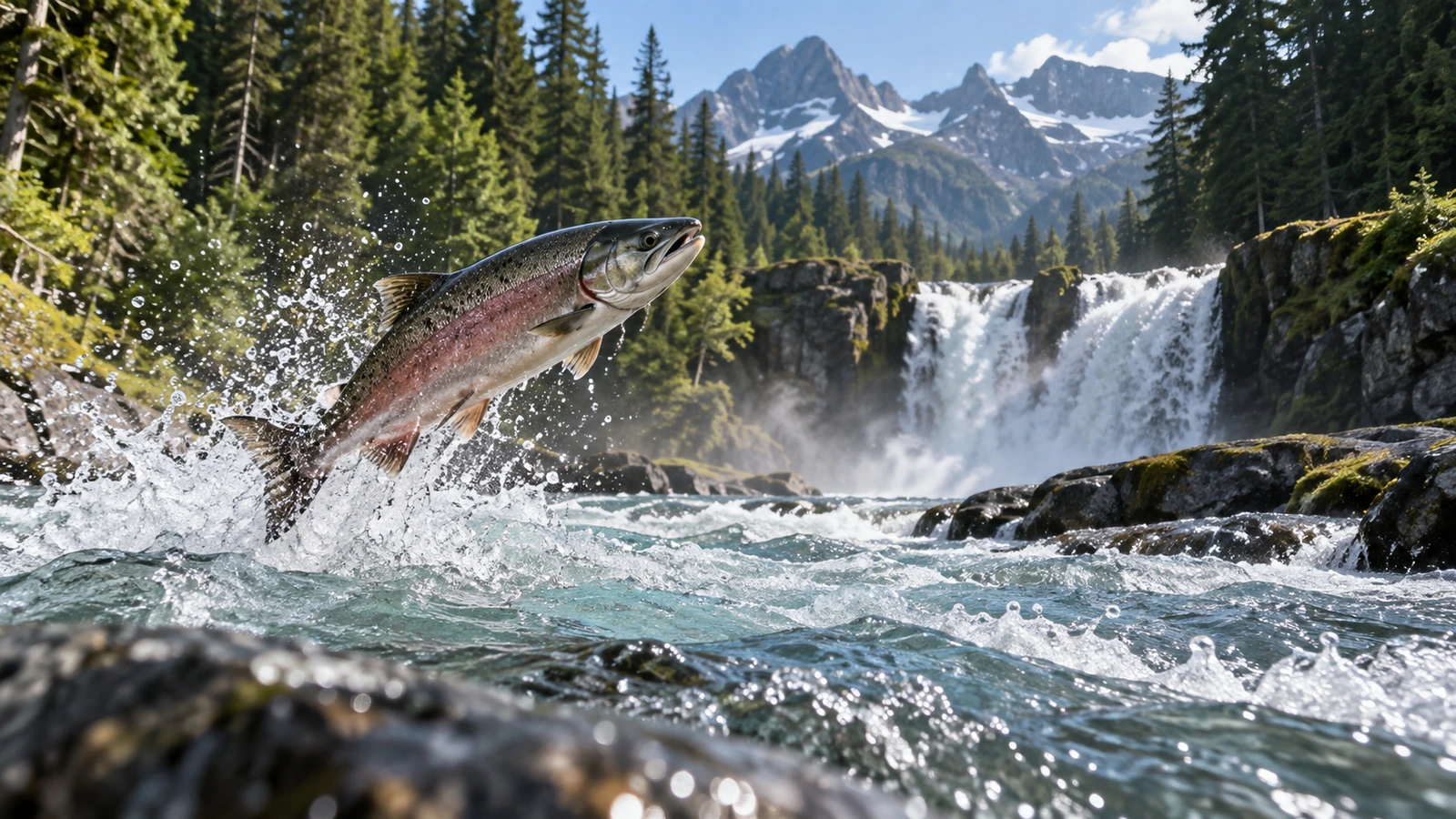
Salmon Atlantic & Pacific Rivers, Fish Their sense of smell dwarfs a dog's, and a built-in magnetic compass guides them home.
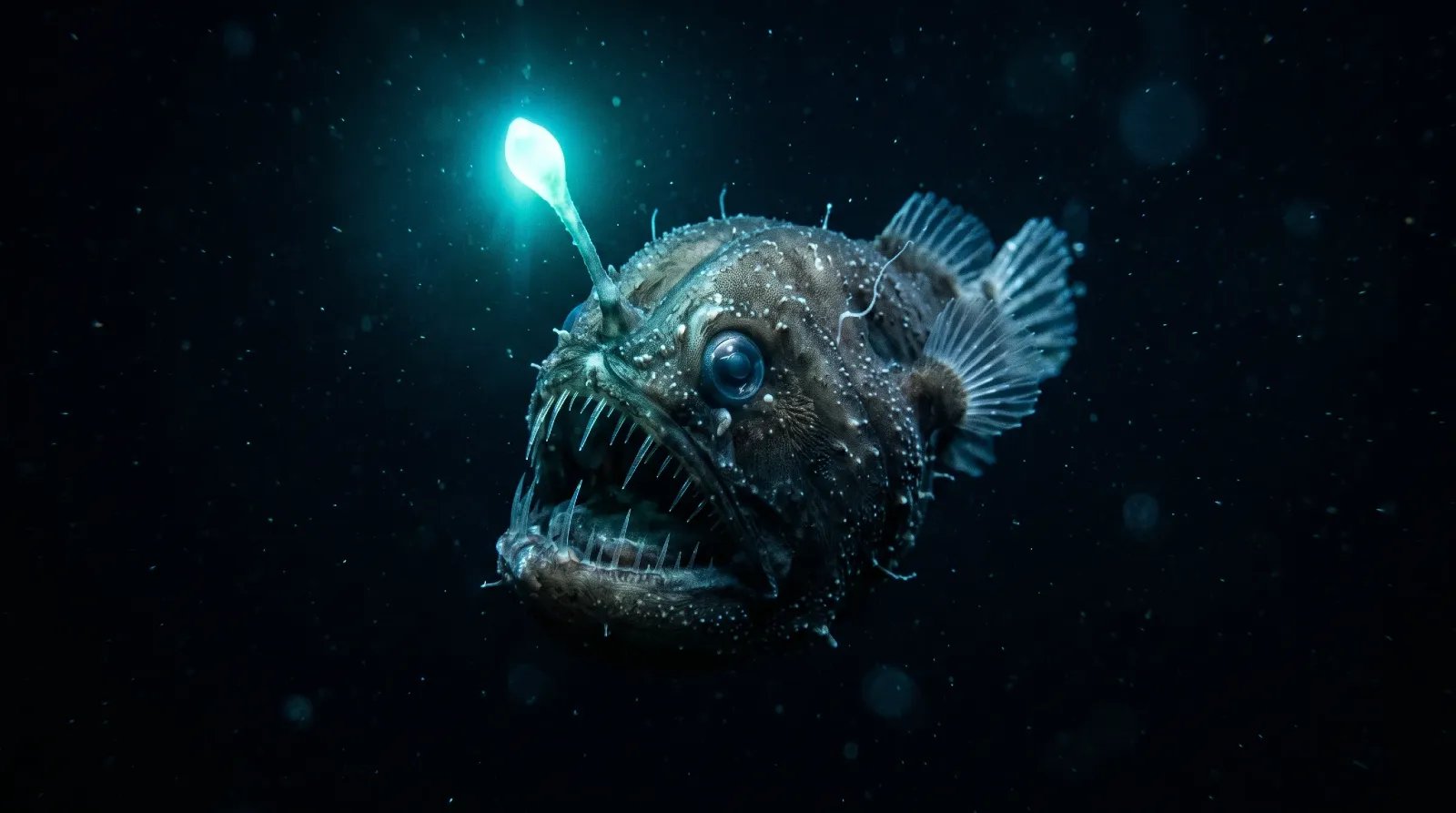
Anglerfish Deep Ocean, Fish Some males permanently fuse their bodies to females, dissolving until they become nothing more than a living, attached sperm bank.
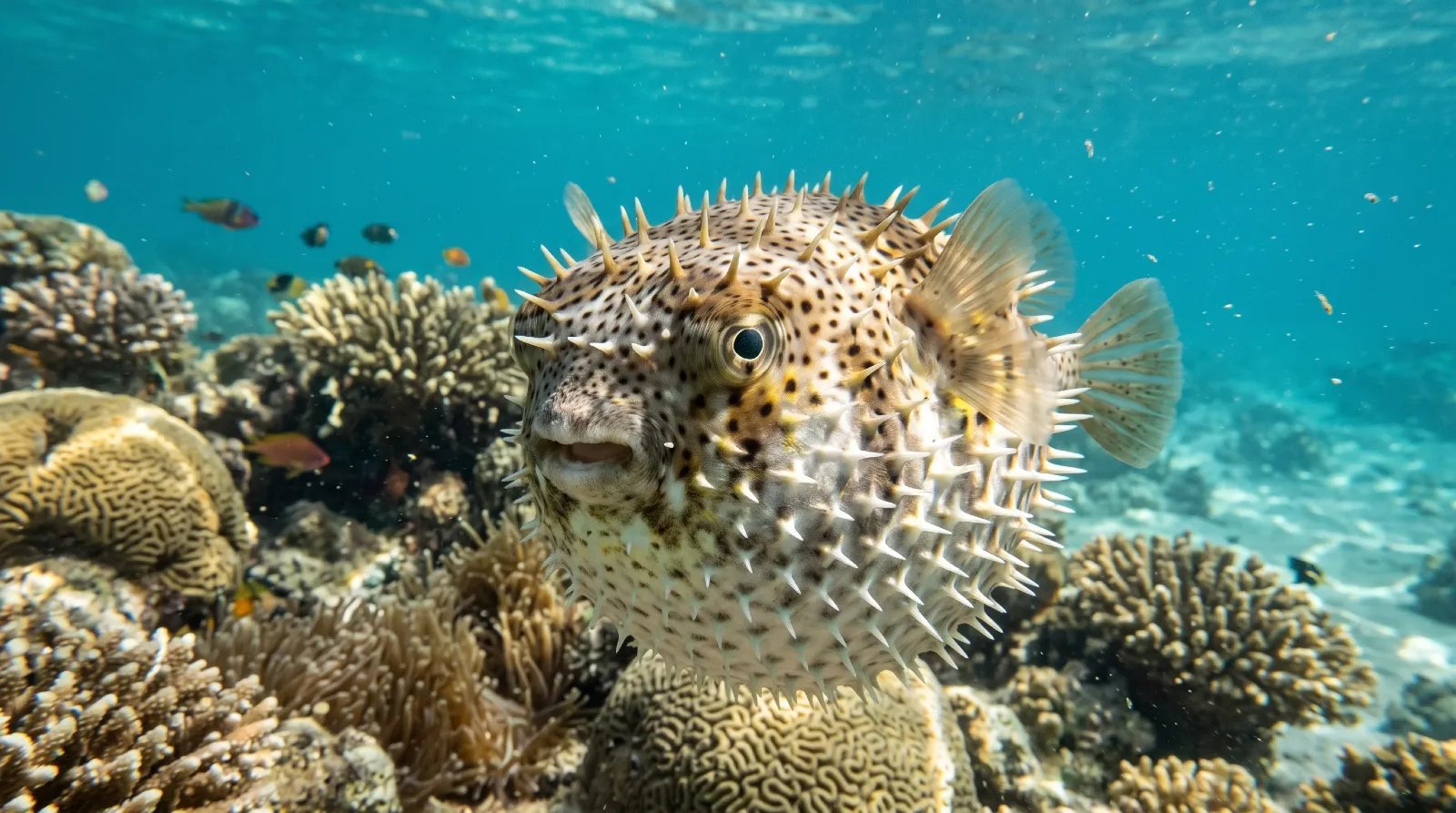
Pufferfish Tropical Waters, Fish Dolphins have been caught on camera gently passing them around to get high off their neurotoxin.
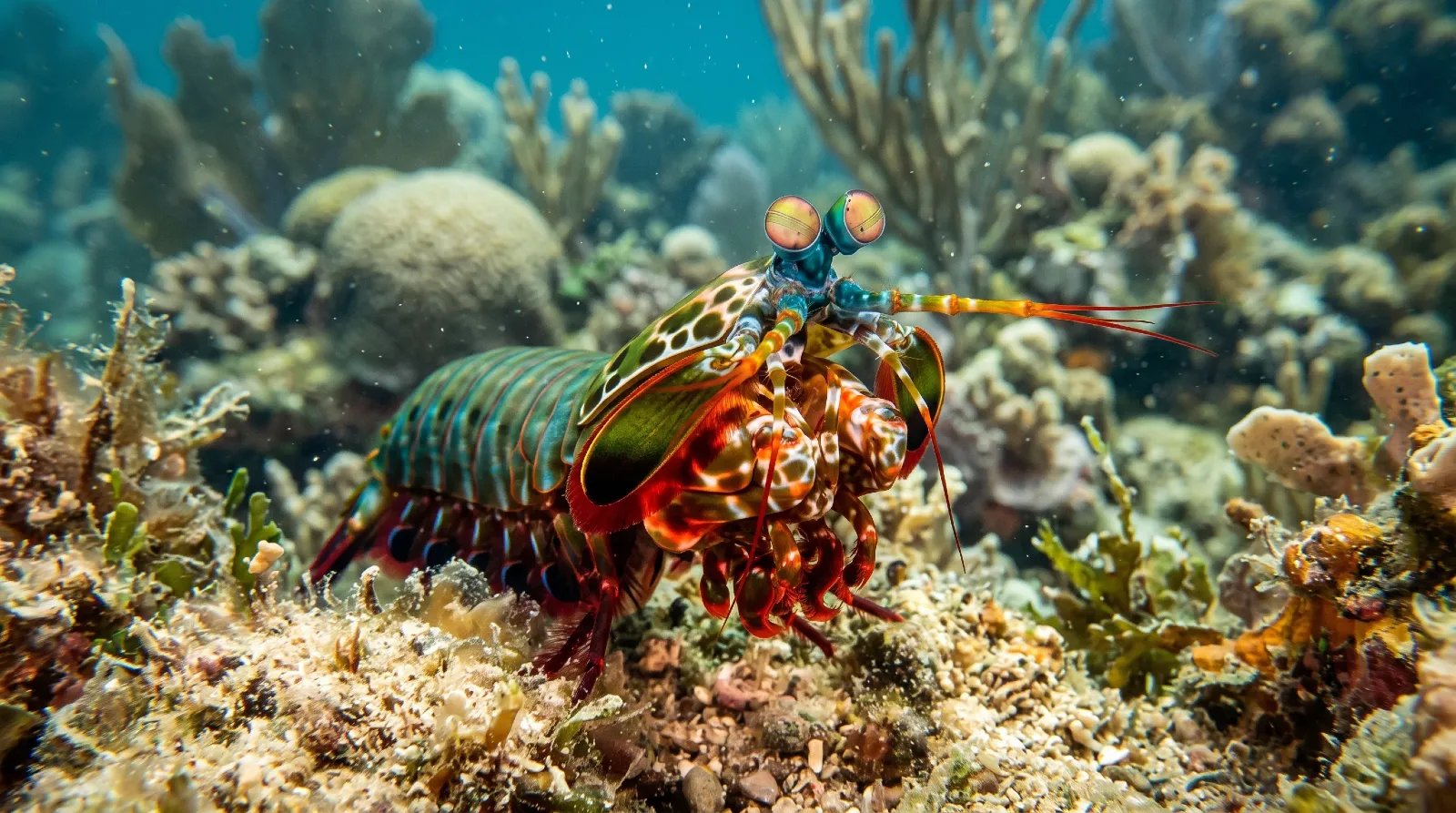
Mantis Shrimp Warm tropical and subtropical seas Its punch is as fast as a bullet leaving a gun.
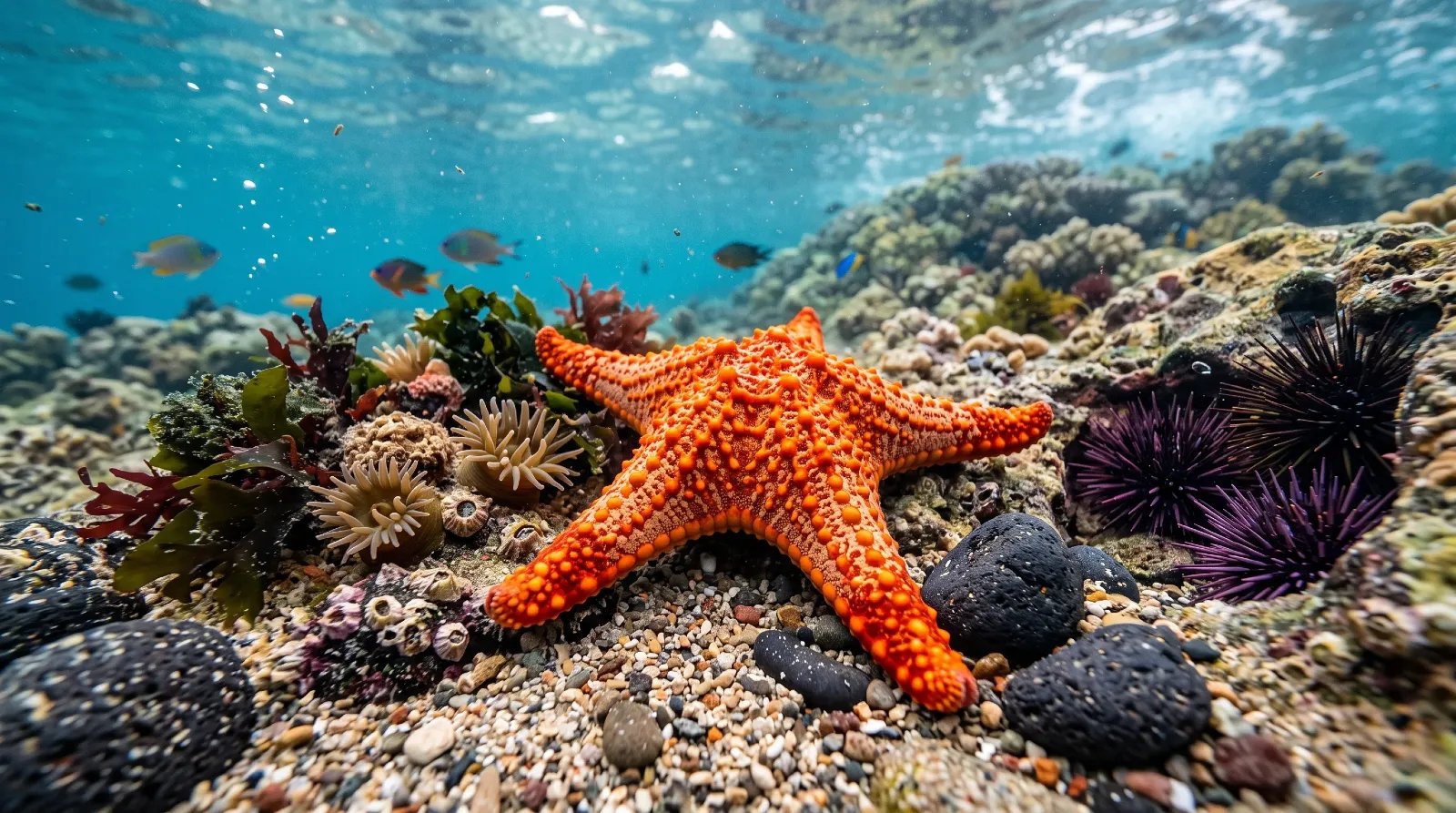
Starfish Every ocean on Earth They eat by pushing their stomach out of their body.
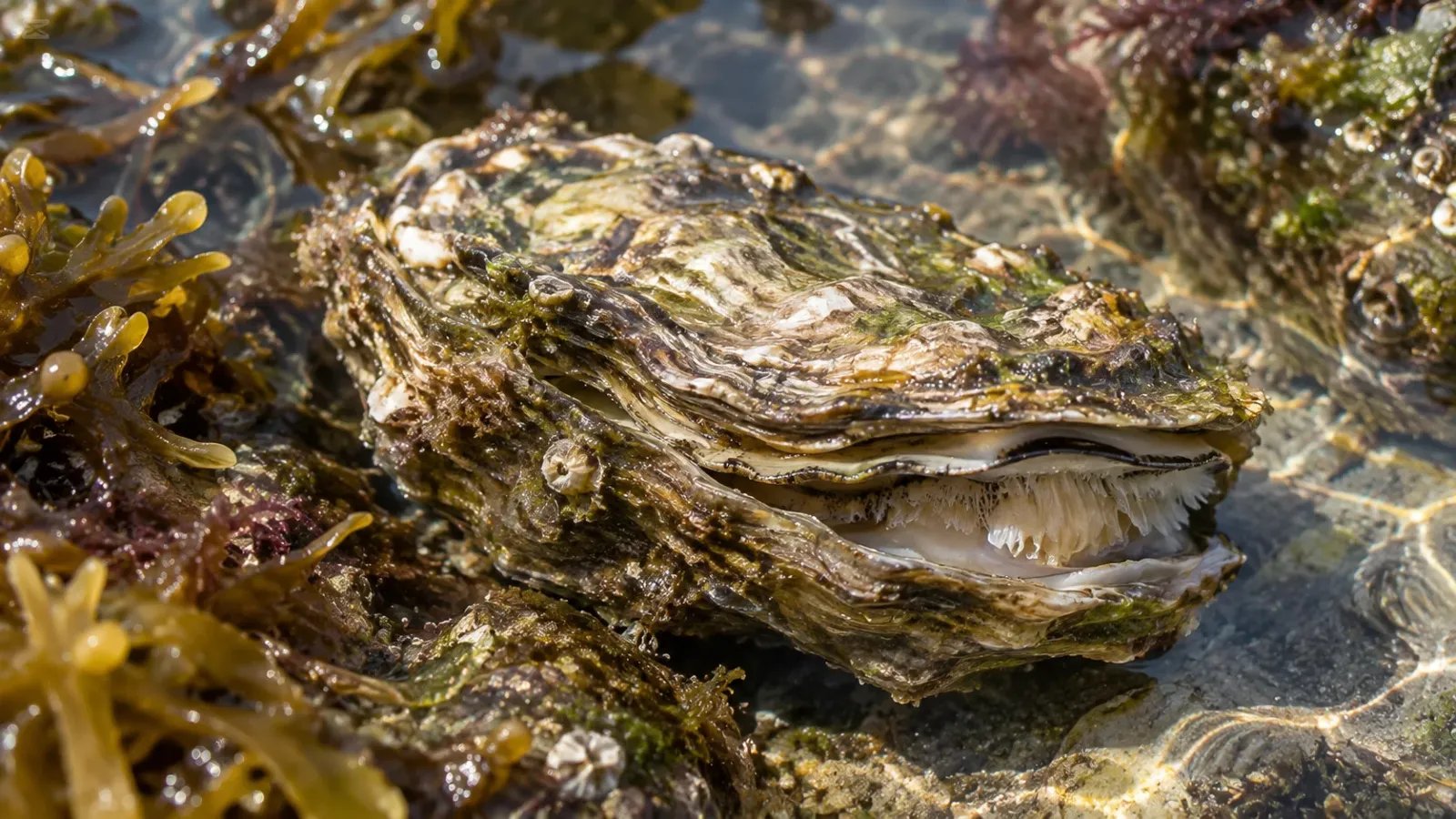
Oysters Coastal waters and estuaries A single oyster can filter up to fifty gallons of water a day.
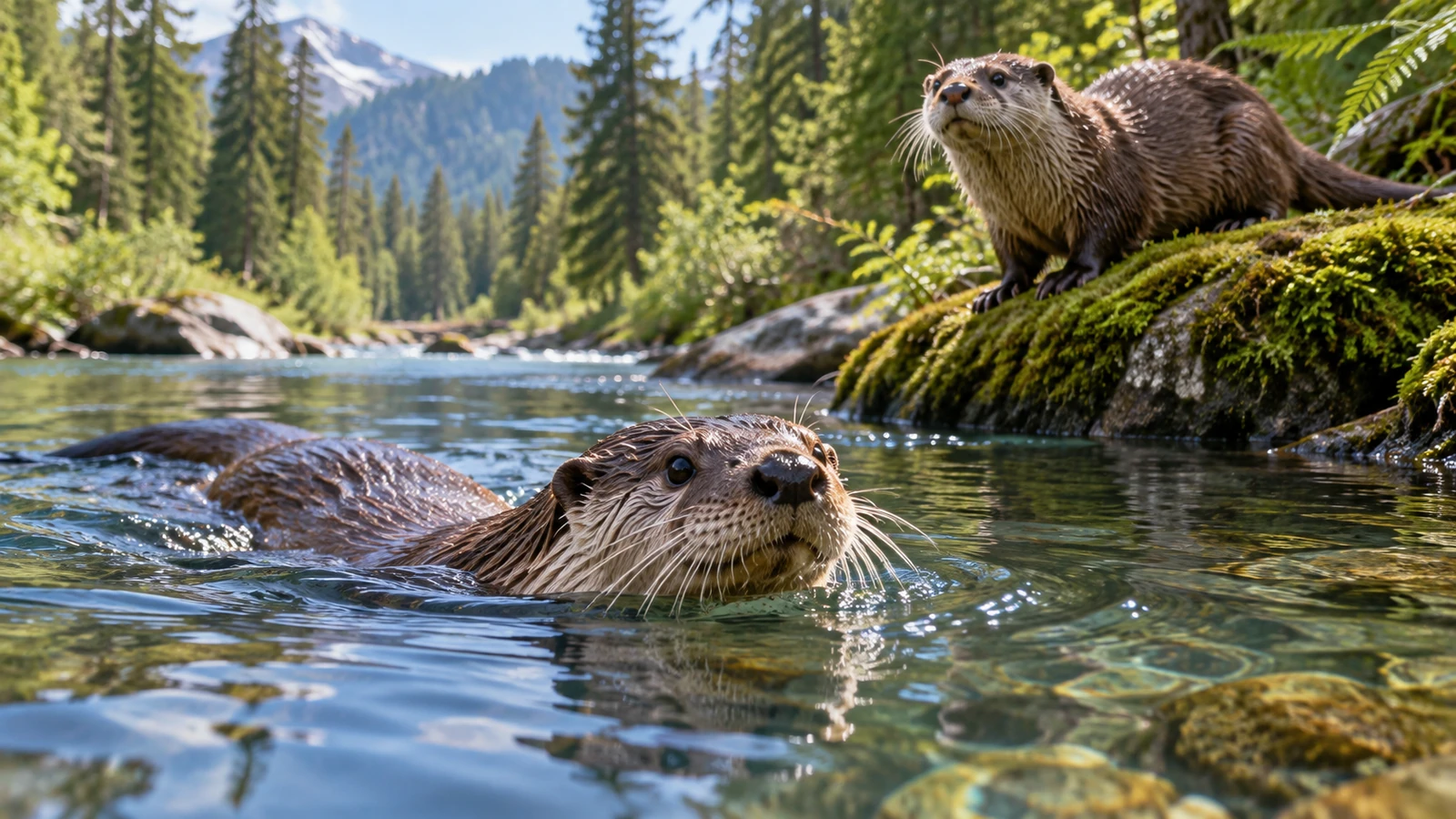
Otters Rivers and coasts worldwide Sea otters hold hands while floating so they do not drift apart.

Record holders

Longest Lifespan

400+ years

Greenland sharks can live for more than four centuries. Sharks

Slowest Heartbeat

2 beats/min

A blue whale's heart can beat as slowly as two times per minute. Blue Whales

Longest Breath-Hold

90 minutes

Sperm whales can hold their breath for up to an hour and a half. Sperm Whales

Longest-Lived Mammal

200+ years

Bowhead whales can live for over two centuries. Whales

All 30, one fact at a time

Barking of the Deep: 15 Fascinating Facts About Sea Lions

Sea Lions

Pacific Coasts, Mammal

Sea lions are officially eared seals, and they can turn their hind flippers forward to gallop on land. In the water they use their flippers like bird wings, and their sensitive whiskers help them find prey. Some of them even serve in the United States Navy. After an earthquake they famously took over the docks at San Francisco's Pier 39, and they turn out to be closely related to bears.

Read the full article →
15 Curious Facts About Dugongs

Dugongs

Indo-Pacific Coasts, Mammal

Dugongs are strict ocean vegetarians with whale-like tails and very heavy bones. Their closest living relatives are elephants, and their growth layers can be counted like tree rings to estimate age. They graze on seagrass in a way that cultivates their own underwater gardens. Australia is their stronghold, and they depend on shallow coastal waters that face modern threats.

Read the full article →
15 Surprising Facts About Cuttlefish

Cuttlefish

Coastal Waters, Mollusk

Cuttlefish are not fish at all but mollusks with W-shaped pupils, and they are colorblind despite their instantly changing skin. They have three hearts and pale blue blood, and they can hypnotize prey with rippling color displays. When threatened they shoot a brown smoke screen and zoom away by jet propulsion. Their ink even gave us the color name sepia.

Read the full article →
15 Fascinating Facts About Clownfish

Clownfish

Indo-Pacific Reefs, Fish

In a clownfish group, the female is the absolute boss, and when she disappears the top male changes sex in an irreversible metamorphosis. Mucus armor protects them from the stinging anemones they live in, and they feed their hosts in return. Males are dedicated single fathers who guard the eggs. Clownfish communicate in pops and clicks, and they are completely absent from the Atlantic Ocean.

Read the full article →
15 Surprising Facts About Horseshoe Crabs

Horseshoe Crabs

Atlantic & Asian Shores, Arthropod

Horseshoe crabs are not actually crabs, and they are older than the dinosaurs. They have nine different eyes, and the long tail is not a weapon. They follow the moon to breed on beaches, and their eggs fuel migrating birds. Despite the armored look, they are completely harmless to handle.

Read the full article →
15 Fascinating Facts About Stingrays

Stingrays

Warm Coastal Waters, Fish

Stingrays are relatives of sharks with skeletons made entirely of cartilage. They hunt using an electrical sixth sense and breathe through holes behind their eyes. Mothers give birth to fully formed miniature rays, and manta rays turn out to be stingrays without stingers. Their gentle, curious nature has earned them the nickname puppies of the sea.

Read the full article →
15 Fascinating Facts About Seahorses

Seahorses

Tropical Coasts, Fish

Seahorses are officially fish, but they are exceptionally poor swimmers and the only fish that swim vertically. They have no stomachs or teeth, eyes that move independently, and prehensile tails that work like anchors. Courtship involves elaborate and romantic mating dances. Many species are now threatened by demand for ancient medicine.

Read the full article →
The Ultimate Apex Predator: 15 Fascinating Facts About Killer Whales

Killer Whales

Every Ocean, Mammal

Killer whales are the largest species of dolphin on Earth. Resident and transient groups never socialize or interbreed, and each family pod speaks its own vocal dialect. An orca named Old Tom famously coordinated whale hunts with human whalers. They have lost their sense of smell, yet they are among the few animals able to recognize themselves in a mirror.

Read the full article →
The Unicorn of the Sea: 15 Fascinating Facts About Narwhals

Narwhals

Arctic Waters, Mammal

Narwhal tusks fueled medieval unicorn myths and made fortunes for royal collectors. Inside their mouths, narwhals are completely toothless. They are champion divers that reach depths of more than a mile, and they hide under sea ice to escape orcas. Their only living relative is the beluga whale, and climate change threatens the sea ice they rely on.

Read the full article →
The Tooth-Walking Titans: 15 Fascinating Facts About Walruses

Walruses

Arctic Waters, Mammal

The walrus's scientific name, Odobenus, means tooth-walker. Both males and females grow ivory tusks for life, and a layer of blubber four inches thick keeps them warm. They eat clams by sucking them out of their shells, and their whiskers work like touch-sensitive radar. A full-grown male Pacific walrus can weigh more than two tons, and scientists can tell a walrus's age by counting rings in its teeth.

Read the full article →
The Ancient Apex Predators: 15 Fascinating Facts About Sharks

Sharks

Every Ocean, Fish

Sharks have skeletons made entirely of cartilage and can shed and replace up to 30,000 teeth in a lifetime. They sense electromagnetic fields, and the epaulette shark can even walk on land. The largest shark eats only microscopic plankton, while the shortfin mako is the speed demon of the sea. In the end, humans are far more dangerous to sharks than sharks are to us.

Read the full article →
The Alien Masterminds: 15 Fascinating Facts About Octopuses

Octopuses

Every Ocean, Mollusk

An octopus pumps copper-based blue blood with three hearts, and its nervous system is spread across a network of brains. It can squeeze through impossible gaps and taste the world by touch. Coconut octopuses use tools, and the mimic octopus impersonates other sea creatures. Blue-ringed octopuses carry a lethal venom, and when threatened any octopus can release a cloud of ink.

Read the full article →
The Immortal Crustacean: 15 Fascinating Facts About Lobsters

Lobsters

Ocean Floors, Crustacean

Lobsters were once considered poverty food and fed to servants. They taste food with hairs on their feet and chew it with teeth inside their stomachs. Their blood turns blue because of its copper content, and they are left- or right-handed with specialized claws. Fishermen mark breeding females with a V-notch to protect stocks, and the largest lobster ever caught weighed 44 pounds.

Read the full article →
The Aquatic Giants: 15 Fascinating Facts About Whales

Whales

Every Ocean, Mammal

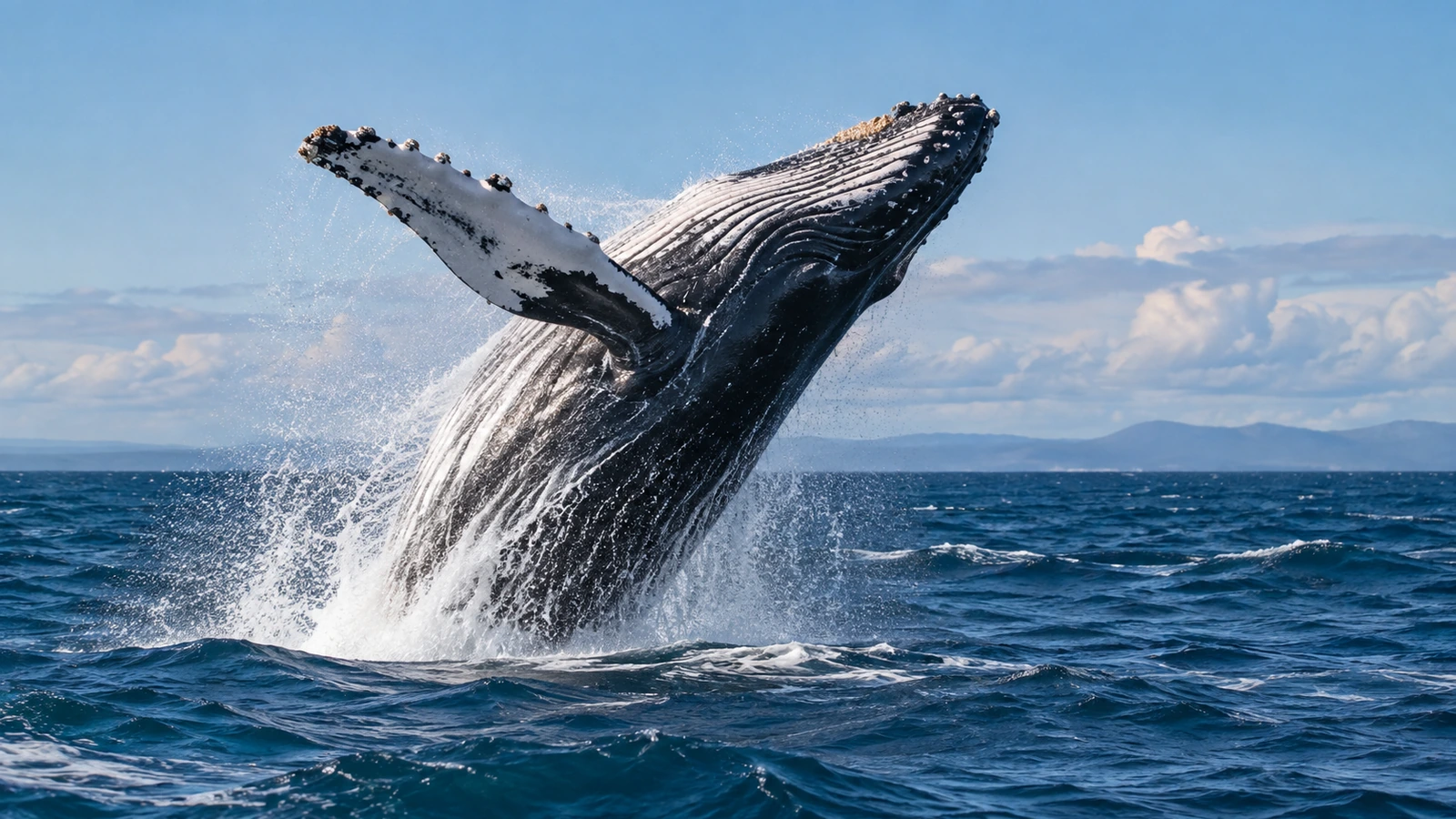
Whales include the blue whale, bowhead whales that can live over two centuries, and sperm whales with the largest brains. Humpbacks pass musical trends from one population to another and feed together with bubble nets. Gray whales undertake some of the longest migrations, and belugas are the vocal canaries of the sea. All of them descend from ancient land-dwelling ancestors.

Read the full article →
The Streamlined Mariners: 15 Fascinating Facts About Seals

Seals

Coasts & Polar Seas, Mammal

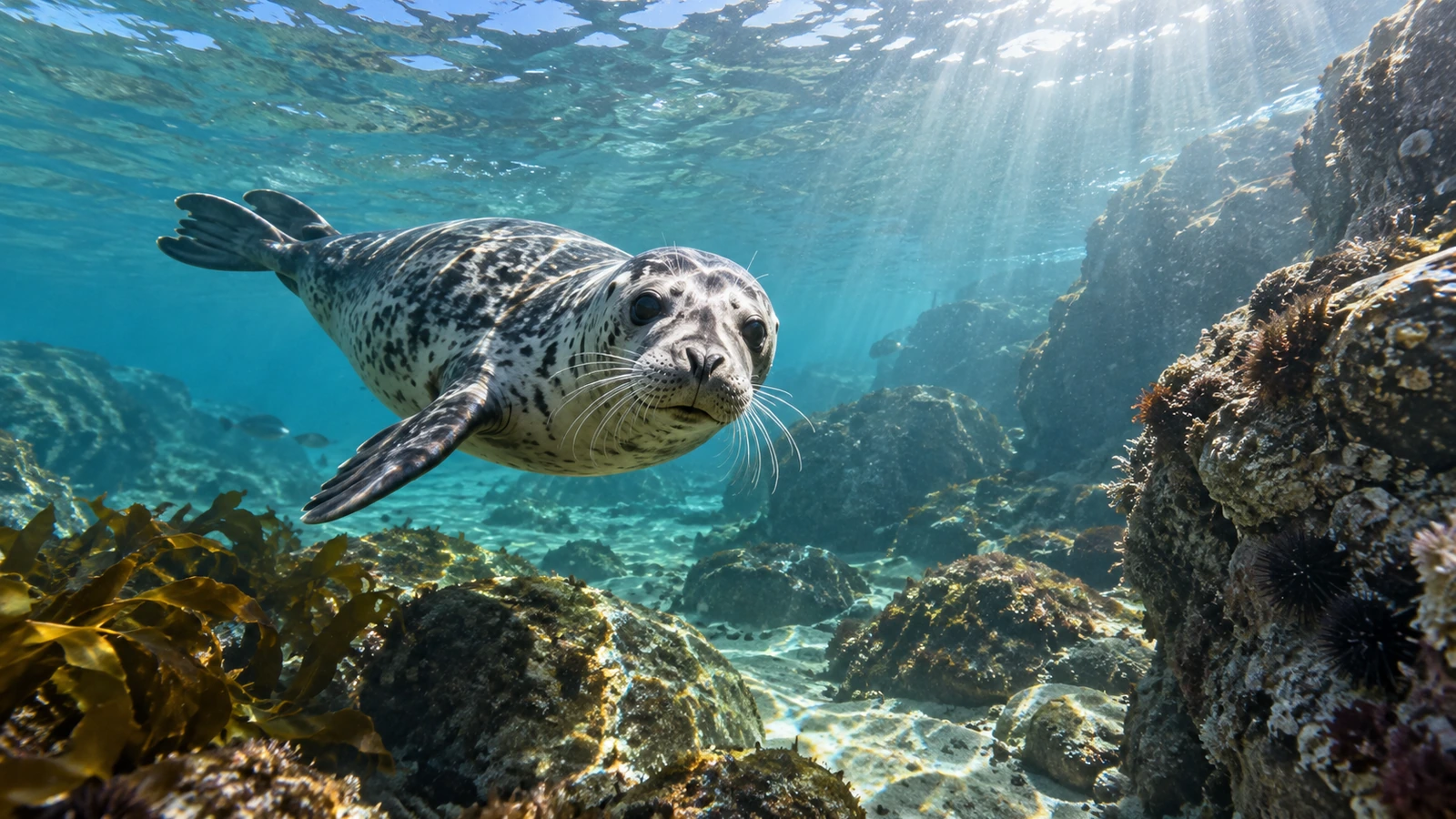
Seals can be told apart from sea lions by the lack of ear flaps and their belly crawl on land. They sleep with half their brain at a time and store oxygen in their muscles instead of their lungs. Their whiskers can track prey in total darkness. Male hooded seals inflate pink nasal balloons, leopard seals hunt warm-blooded prey, and Weddell seals sound like sci-fi spaceships underwater.

Read the full article →
The Ocean Giant: 15 Fascinating Facts About Sperm Whales

Sperm Whales

Deep Oceans, Mammal

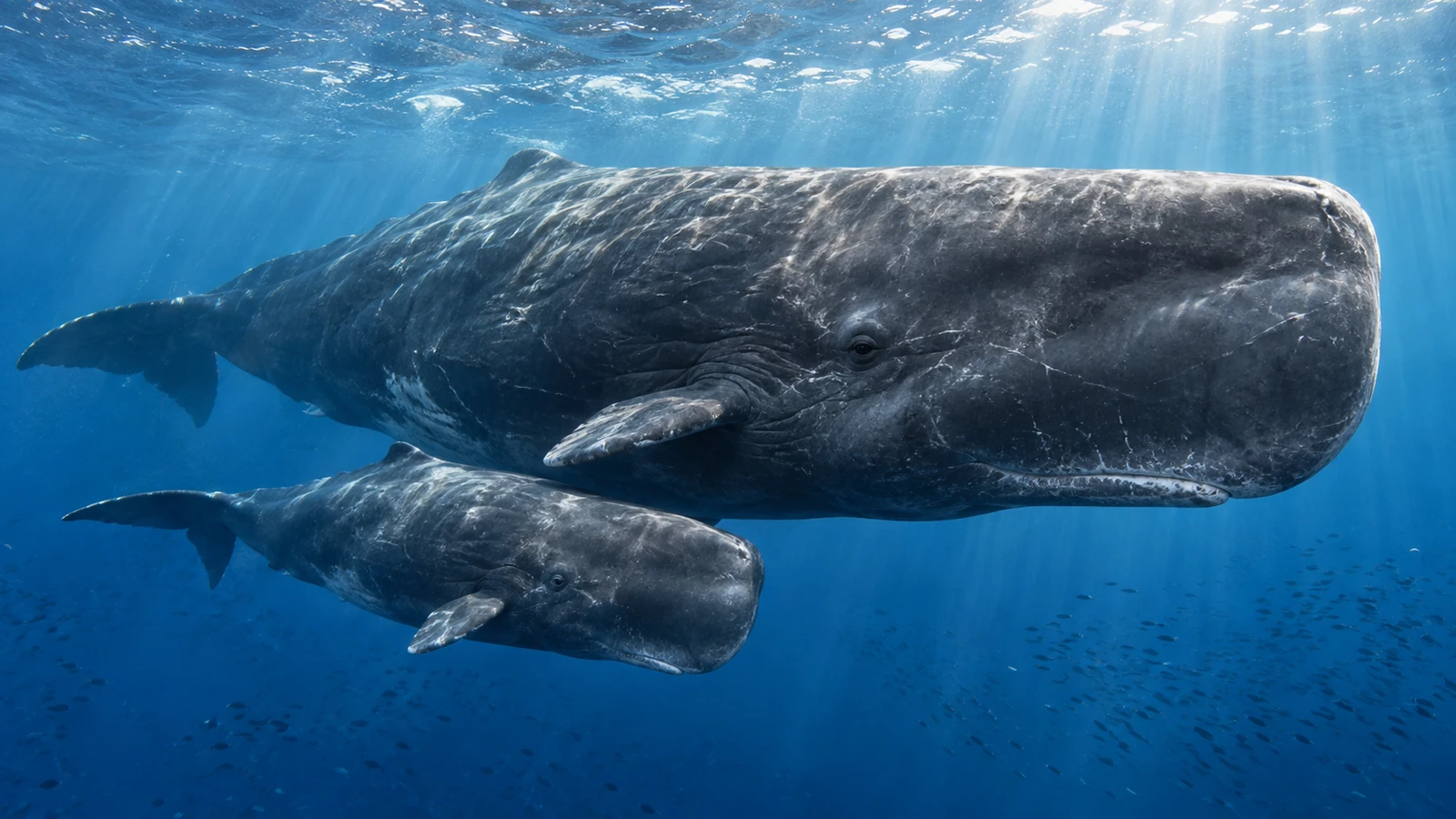
Sperm whales have the largest brain in Earth's history and can hold their breath for up to 90 minutes. They battle giant squid in the deep abyss and sleep floating upright like logs. Early whalers mistook the waxy oil in their heads for semen, which is how the whale got its name. A real-life albino whale inspired the legend of Moby-Dick.

Read the full article →
The Sovereign Leviathan: 15 Fascinating Facts About Blue Whales

Blue Whales

Every Ocean, Mammal

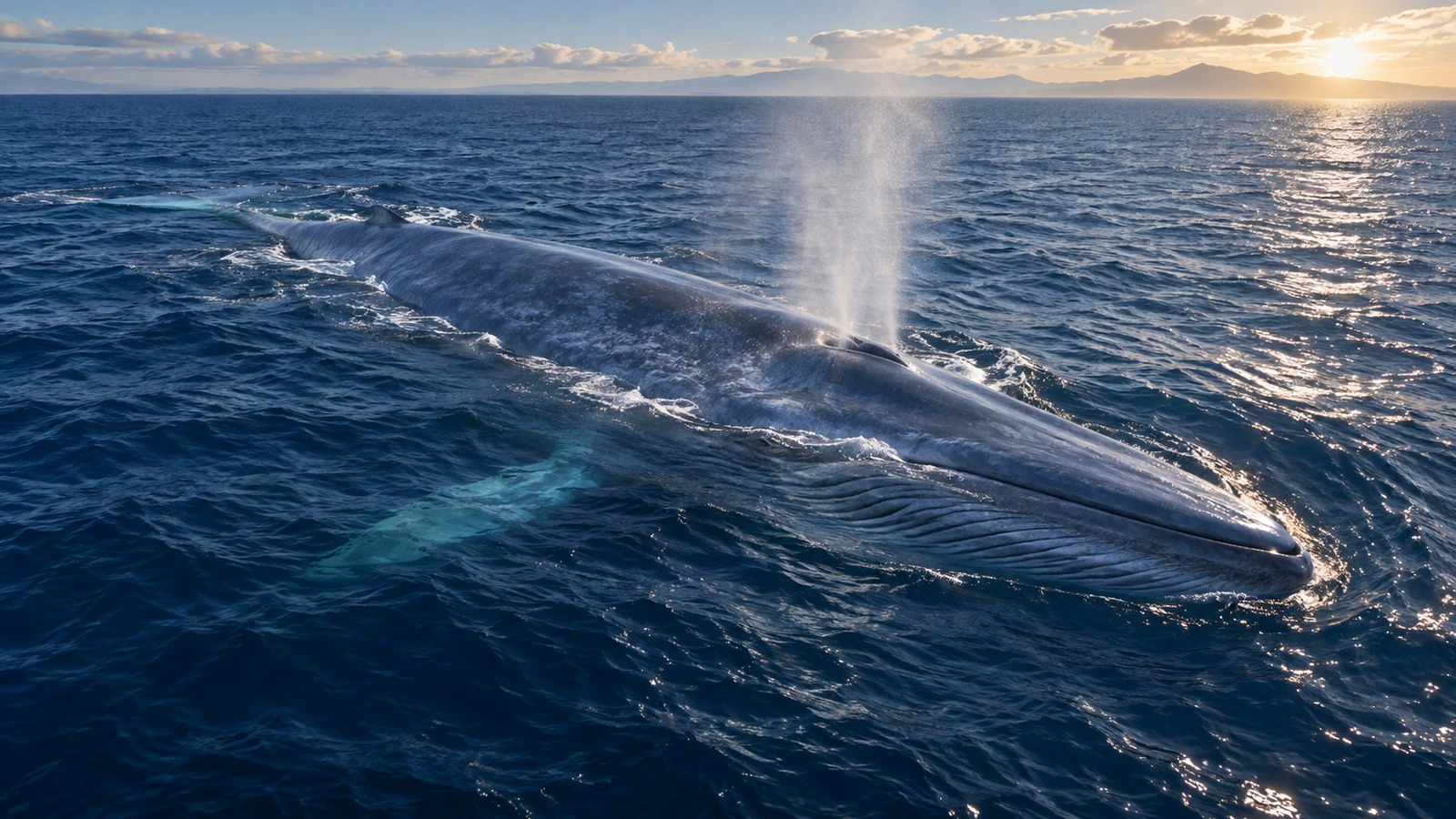
Blue whales are the largest animals ever to exist, and a single tongue weighs as much as an elephant. They produce the loudest sounds of any animal, and newborn calves gain 200 pounds every day. Their enormous bodies depend entirely on tiny krill. Scientists can determine a blue whale's age by counting the layers in its earwax plugs.

Read the full article →
The Gentle Giant: 15 Fascinating Facts About Manatees

Manatees

Atlantic Coasts & Rivers, Mammal

Manatees have no blubber to keep them warm and replace their teeth continuously through marching molars. They have only six neck vertebrae instead of the usual seven, and their upper lip is split like a pair of muscular fingers. They can survive in both freshwater and saltwater. Their closest living relatives are the elephant and the tiny rock hyrax.

Read the full article →
The Ocean's Genius: 15 Fascinating Facts About Dolphins

Dolphins

Every Ocean & Some Rivers, Mammal

Dolphins sleep with only half of their brain at a time because breathing is a conscious decision for them. They pass the mirror test, showing self-awareness, and the U.S. Navy employs them to detect mines. Amazon river dolphins turn vibrant pink as they age. Dolphins evolved from four-legged land mammals, and pregnant females sing their signature whistles to unborn calves.

Read the full article →
The Elusive Abyssal Titan: 15 Fascinating Facts About Giant Squids

Giant Squids

Deep Oceans, Mollusk

Giant squids have donut-shaped brains, deep blue blood and three hearts. Their beak is hard enough to slice through steel, and sperm whales are their chief rivals. A living adult was filmed in the wild for the first time only in 2012. Squid nerve cells even revolutionized human neuroscience.

Read the full article →
15 Amazing Facts About Crabs

Crabs

Every Ocean & Shore, Crustacean

Crabs have teeth in their stomachs and walk sideways because of their body plan. The Japanese spider crab is a giant, and coconut crabs are tree-climbing giants. Christmas Island hosts a huge annual crab migration. Pea crabs live inside living oysters, and fiddler crabs carry a built-in shield.

Read the full article →
The Gelatinous Drifters: 15 Fascinating Facts About Jellyfish

Jellyfish

Every Ocean, Cnidarian

Jellyfish pre-date trees, dinosaurs and flowers, and their bodies are made of 95 percent water. They get by without a brain or a heart, and some deep-sea species produce their own glowing light. NASA once sent thousands of jellyfish into space. Their stinging cells fire faster than a bullet, and the lion's mane jellyfish can grow longer than a blue whale.

Read the full article →
The Misunderstood Razor-Mouths: 15 Fascinating Facts About Piranhas

Piranhas

Amazon Rivers, Fish

The name piranha means tooth fish in the Tupi language, and Teddy Roosevelt helped popularize the man-eater myth. Their shoals are built for defense, not for group hunting. They bark and drum by vibrating their swim bladders, and they replace entire rows of teeth at a time. In the Amazon they serve as a crucial sanitation crew.

Read the full article →
The Incredible Ocean Voyager: 15 Fascinating Facts About Salmon

Salmon

Atlantic & Pacific Rivers, Fish

The name salmon means to leap. Pacific salmon stop eating during spawning, and the nutrients from their bodies help build temperate rainforests. Males undergo dramatic changes known as kypes, while Atlantic salmon can survive and spawn more than once. Their ear bones reveal their age and migration history.

Read the full article →
The Deep-Sea Fisher: 15 Fascinating Facts About Anglerfish

Anglerfish

Deep Ocean, Fish

In the crushing darkness of the deep ocean, finding a mate is nearly impossible. To solve this, male anglerfish have evolved to bite onto a much larger female and release an enzyme that fuses their tissues and blood vessels together. He loses his eyes, fins, and internal organs, relying entirely on her for nutrients. In exchange, she gets a permanent, on-demand genetic repository to fertilize her eggs whenever she needs it.

Read the full article →
The Deadly Balloon: 15 Fascinating Facts About Pufferfish

Pufferfish

Tropical Waters, Fish

While pufferfish carry enough tetrodotoxin to easily kill a human, certain marine predators seem to use them recreationally. Dolphins have been observed deliberately chewing on the fish just enough to release a small, non-lethal dose of the toxin, which appears to induce a trance-like state. Beyond their dangerous defenses and their unwitting role in marine drug culture, male pufferfish are also meticulous underwater artists. They spend days plowing the sand to create intricate geometric circles on the seabed, all to attract a mate.

Read the full article →
The Knockout Artist: 15 Fascinating Facts About Mantis Shrimp

Mantis Shrimp

Warm tropical and subtropical seas

Mantis shrimp are neither mantises nor shrimp. Each strike hits twice as collapsing bubbles flash with light and heat, and their clubs have inspired stronger materials. They have twelve kinds of colour receptors yet are poor at telling colours apart, and divers call them "thumb splitters".

Read the full article →
The Stars of the Seabed: 15 Fascinating Facts About Starfish

Starfish

Every ocean on Earth

Starfish are not fish, have eyes on the tips of their arms and no central brain. They walk on hundreds of tube feet powered by seawater, regrow lost arms and sometimes reproduce by splitting in two. One species inspired the idea of the keystone species.

Read the full article →
15 Fascinating Facts About Oysters

Oysters

Coastal waters and estuaries

Oysters change sex several times during their lives, and the oysters we eat are not the ones that make gem pearls. Their reefs protect coasts from storms, their flavour reflects the water they grow in, and in the 19th century they were cheap street food. The Romans shipped live oysters from Britain.

Read the full article →
The Ingenious Aquatic Mammal: 15 Fascinating Facts About Otters

Otters

Rivers and coasts worldwide

Sea otters have the thickest fur of any animal and keep a favourite stone in a pouch under their arm. Mothers wrap pups in kelp before diving, giant river otters are called "river wolves", and otter droppings smell surprisingly pleasant. The fur trade once nearly wiped them out.

Read the full article →

Quiz: how much of that stuck?

7 questions, every answer is somewhere above.

Marine and Freshwater Animals 0 / 7

1. Which animal is the only one in the world where the male gives birth?

2. How many hearts does an octopus have?

3. What is a narwhal's famous tusk?

4. Orcas, also known as killer whales, are actually what kind of animal?

5. Which animal has bright blue blood that helps keep human medicine safe?

6. Which animal has the largest brain in Earth's history?

7. What does the name piranha mean in the Tupi language?

Frequently asked

Are orcas whales or dolphins?

Orcas, also called killer whales, are the largest species of dolphin, even though their name suggests they are whales.

Which sea animals sleep with only half of their brain?

Dolphins, orcas, seals and blue whales all rest with only half of the brain asleep at a time, which lets them keep surfacing to breathe.

Which animals in this collection have blue blood?

Octopuses and lobsters have blue blood because it contains copper. Horseshoe crabs, cuttlefish, crabs and giant squid also have blue or pale blue blood.

What is the largest animal that has ever lived?

The blue whale. It is larger than any known dinosaur, its tongue weighs as much as an elephant, and a newborn calf gains about 200 pounds a day.

Which of these animals live in fresh water?

Piranhas live in Amazon rivers, manatees can live in both freshwater and saltwater, and one seal species lives in landlocked freshwater. Salmon are born in rivers, migrate to the ocean and return to fresh water to spawn.

Keep going

Enjoyed these facts? There's more! 💌

Fresh fun facts in your inbox. No spam, ever.